
.png?width=48&height=48&name=Group%201%20(3).png)























9 June, 2026

Unlocking Benefits of Speech Therapy for Young Kids
Key Highlights
- Early childhood speech pathology supports communication skills from birth to age five through child-centered care.
- A speech therapist can assess speech, language, and social skills in everyday settings like home or childcare.
- Speech pathology services often address speech sounds, talking, understanding, stuttering, voice, and social interaction.
- Early intervention can help children build strong language development and confidence sooner.
- Families, educators, and health professionals all play a valuable role in supporting progress.
- Services in Canterbury and Melbourne may include home visits, education settings, clinics, and telehealth.
Introduction
Strong communication abilities shape how your child connects, learns, and takes part in daily life. When speech or language development does not follow expected milestones, early support can make a real difference. Early childhood speech pathology focuses on helping young children build practical skills for home, childcare, and social settings. With the right guidance, families can better understand their child’s needs and support growth in ways that improve confidence, participation, and overall quality of life.
Understanding Early Childhood Speech Pathology
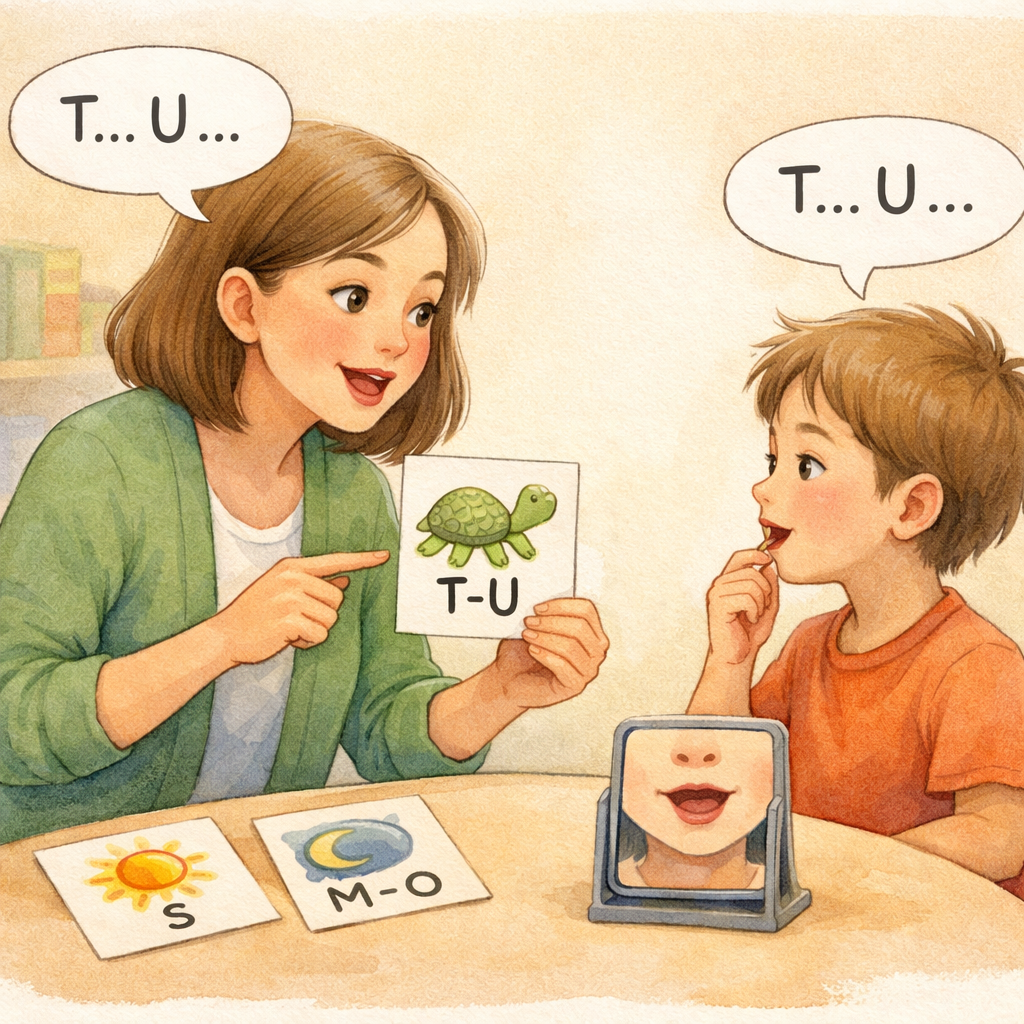
Early childhood speech pathology is a service for young children who need help with talking, understanding, and interacting with others. These speech pathology services usually include assessment and support for speech, language, and broader communication challenges. Pediatric speech therapy is often tailored to the child’s age, strengths, and daily routines.
Children with language disorders, speech difficulties, stuttering, voice concerns, or social communication needs may benefit from early intervention. You may also hear both speech therapy and speech pathology used in similar ways. The next sections explain that difference and show which children are most likely to benefit.
What Is Speech Pathology and How Does It Differ from Speech Therapy?
Speech pathology is the field focused on assessing and treating communication and, sometimes, swallowing disorders. A speech therapist is the professional who delivers this care. Many families use "speech therapy" and "speech pathology" interchangeably when discussing support for a child’s speech or language.
Speech therapy usually refers to treatment sessions—activities targeting speech sounds, language, fluency, voice, or social skills. Speech pathology covers both assessment and intervention, as well as planning, monitoring progress, and collaborating with families or educators.
The main difference: speech pathology is the profession; speech therapy describes the sessions. Ultimately, both terms mean helping children communicate more clearly and confidently in daily life.
Who Can Benefit from Early Childhood Speech Pathology?
Early childhood speech pathology can benefit young children, especially those who struggle to express themselves, understand others, or participate in play and routines. Support isn’t just for severe issues—it also helps children who need extra language support to build strong foundations.
Consider seeking help if your child has:
- Delays in talking or understanding
- Speech disorders like unclear sounds or stuttering
- Communication challenges with social interaction
- Specific needs requiring tailored support at home or childcare
Early intervention is also valuable for children with autism, hearing loss, feeding issues, or broader developmental needs. Services are personalized—goals, activities, and family input all matter—to support your child’s progress where they learn and play.
Common Communication Challenges Addressed
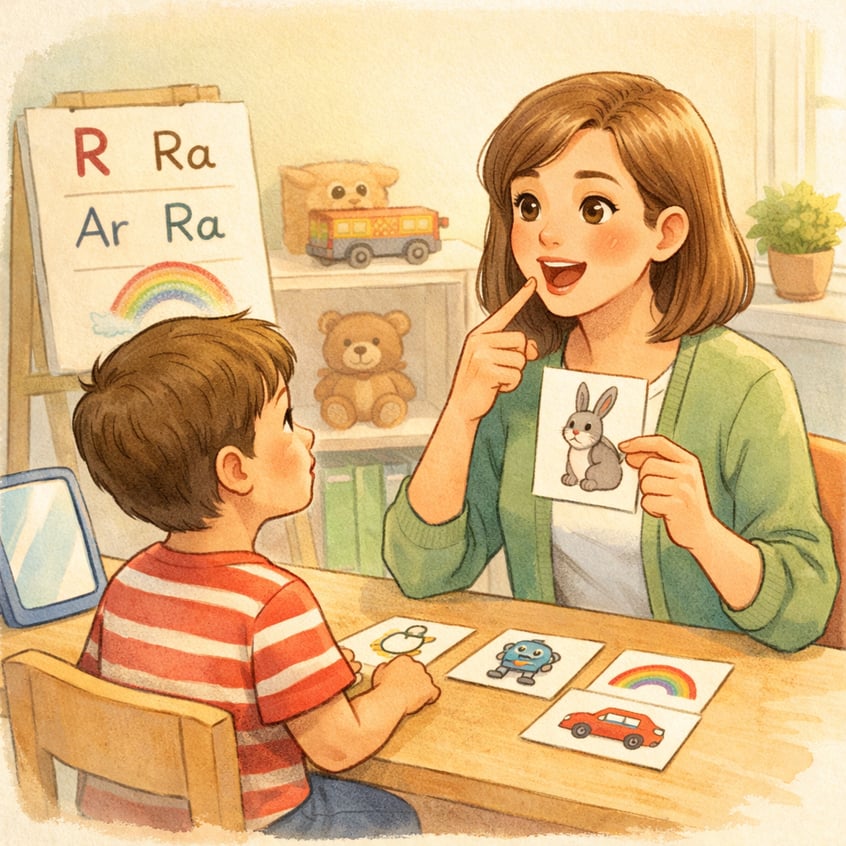
Speech pathologists work with children who have a wide range of speech disorders and language concerns. Support may focus on speech sounds, understanding instructions, using words and sentences, or building stronger social communication during play and daily routines.
Just as important, therapy can help children improve communication abilities that affect friendships, classroom participation, and confidence. Social skills, turn-taking, and responding to others are often part of care. To make this clearer, the next sections look at common conditions and signs that may point to extra support.
Typical Conditions Treated by Speech Pathologists
Speech pathologists support children with many different communication needs. Some children are late talkers, while others have trouble producing clear sounds, following directions, or joining conversations. Support can also extend to literacy, voice, feeding, and swallowing, depending on the child’s profile.
Here is a simple overview of common areas addressed:
|
What |
What it may look like |
|---|---|
|
Speech delay |
Fewer words or slower talking development than expected |
|
Articulation disorders |
Sounds are missed, swapped, or unclear |
|
Fluency disorders |
Speech includes repetitions, blocks, or struggle moments |
|
Language delays |
Trouble understanding or expressing ideas |
|
Hearing impairment |
Communication is affected by reduced hearing |
|
Brain injury |
Changes in speaking, understanding, or other language skills |
Some services also help children with autism spectrum disorder, AAC needs, and feeding concerns. In broader practice, speech pathologists may support people after a traumatic brain injury or with other health conditions. For young children, the focus stays on practical communication in everyday settings.
Signs Your Child Might Need Speech Pathology Intervention
Parents are often the first to notice early signs of communication challenges. Your child may want to connect but struggle to express themselves or get frustrated when misunderstood. These patterns may signal the need for a closer look.
Common signs include:
- unclear speech for their age
- trouble using or understanding sounds
- delays in talking, combining words, or following directions
- difficulty with social skills like turn-taking or joining play
Early intervention targets your child's specific needs—clearer speech, better understanding, or improved social interaction. A speech pathologist can assess your child and create a personalized plan. Starting support early helps make progress part of everyday life, not an added stress.
Accessing Speech Therapy Services in Canterbury and Melbourne
Families in Canterbury and Melbourne can access speech pathology services through different settings, including homes, childcare centers, schools, clinics, and telehealth. Some local health services also offer support for young children who live in or attend early childhood services in the City of Canterbury Bankstown.
What makes access easier is flexibility. Therapy sessions may happen where communication naturally occurs, which helps make goals practical and relevant. A clear treatment plan, family involvement, and strong support networks all matter. Next, it helps to know how to choose the right professional and delivery option for your child.
Finding the Right Speech Pathologist for Your Child
Choosing a speech therapist can feel overwhelming, but a few key factors can help. Look for someone who understands early childhood development and supports your child in familiar settings like home, childcare, or school.
Ask if the provider:
- works with children who have similar needs
- builds therapy around daily routines and communication goals
- partners with families, educators, and health professionals
- offers flexible options such as home, clinic, or online sessions
A Canterbury-based clinic may offer local access, community connections, and support across different settings. Some services collaborate with early childhood educators to reinforce strategies during the day. The right therapist explains things clearly, listens to your concerns, and focuses on practical communication that matters.
In-Clinic vs. Telehealth Options for Families
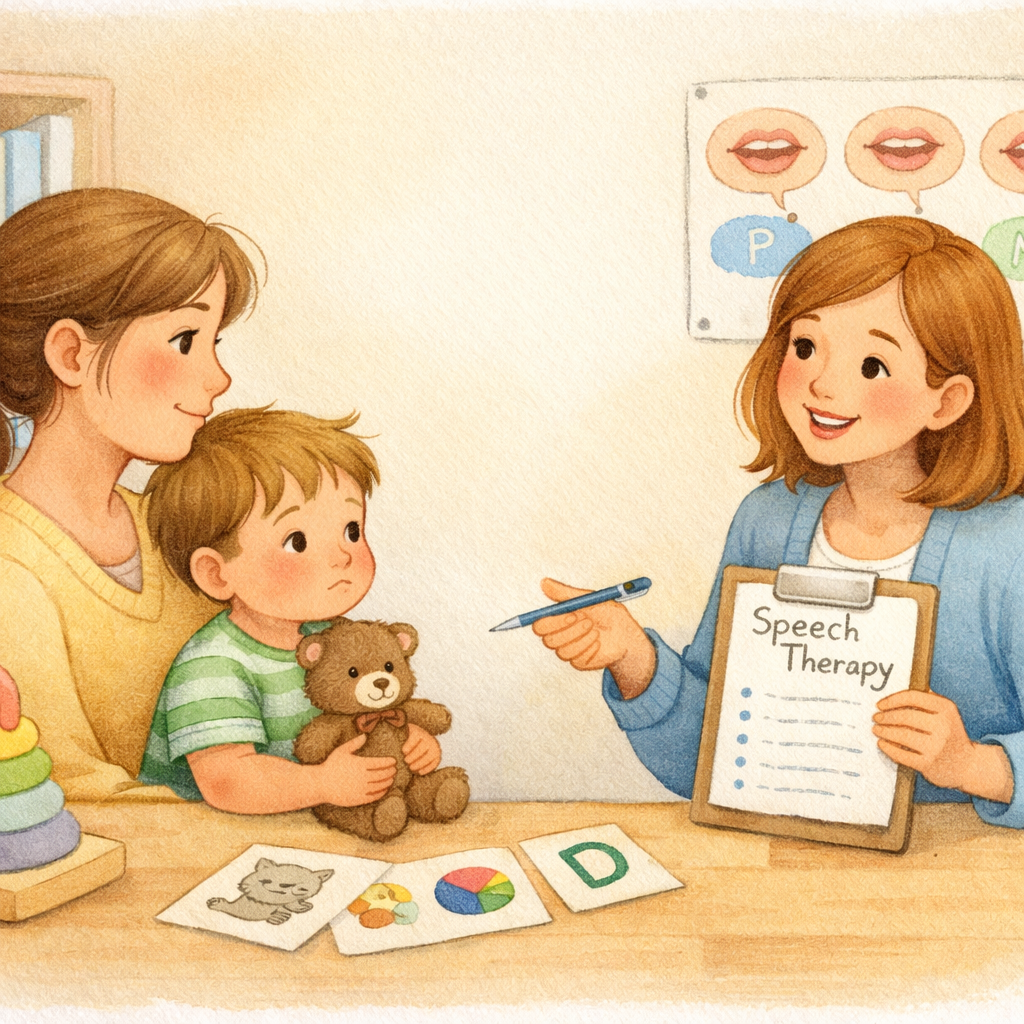
Families often choose between in-clinic sessions, home-based support, and telehealth. Each option has benefits. In-person care can be useful when a child responds well to hands-on interaction or when therapy needs to happen in a structured setting. Telehealth can be a strong choice for older children, parent coaching, or families needing more flexibility.
During a first appointment, you can usually expect assessment, discussion of concerns, and planning for therapy sessions. The speech pathologist will look at your child’s communication strengths, areas of need, and how support can fit into daily routines.
Here are a few points to consider:
- In-clinic sessions can offer a focused therapy environment
- Telehealth can reduce travel and support regular home practice
- home-based care can build skills directly into family routines
The best option depends on your child’s age, goals, and what helps them engage most naturally.
Conclusion
In conclusion, early childhood speech pathology plays a vital role in helping children overcome communication challenges and develop essential speech skills. By understanding the differences between speech pathology and therapy, recognizing common signs that indicate a need for intervention, and knowing how to access services, parents can take proactive steps towards their child's communication development. It’s important to choose the right speech pathologist who aligns with your family's needs, whether through in-clinic visits or telehealth options.
If you're ready to explore how speech pathology can benefit your child, reach out today for a consultation or call daar at 02 9133 2500 to get started on the journey to improved communication!
Frequently Asked Questions
How long does it take to see results from speech therapy?
Results from speech therapy vary from child to child because communication goals, age, and support needs are different. Some children show progress sooner when early intervention starts early, and therapy sessions are consistent. Effective treatment usually works best when families also use strategies at home between visits.
Are speech therapy services available for adults and children?
Yes. Speech therapy supports people of all ages, not only young children. Many health services offer help for children, teens, adults, and older adults based on their specific needs. Support may focus on speech, language, swallowing, or broader communication abilities across different stages of life.
Can speech pathology help children with disabilities improve communication?
Yes. Speech pathology services can help children with disabilities build communication skills in ways that match their strengths and needs. Support may address communication disorders linked to autism spectrum disorder, developmental conditions, or complex needs. Better communication often improves participation, confidence, and quality of life.
.svg)




.svg)