
.png?width=48&height=48&name=Group%201%20(3).png)























30 September, 2026

Effective Emotional Regulation Strategies for Preschoolers
Key Highlights
- Emotional regulation helps preschoolers handle big feelings during early childhood.
- Children build emotional skills when adults name feelings in real time.
- Emotional learning works best when calming tools are taught before a meltdown.
- Simple routines at home support self-regulation and create a sense of safety.
- Positive reinforcement helps preschoolers repeat healthy coping behaviours.
- Guided play and peer practice strengthen emotional regulation and social growth.
Introduction
Emotional regulation can feel like a big task during early childhood, especially when your child moves from laughter to tears in minutes. That is normal. Young children are still learning how feelings work, and emotional learning takes time, practice, and support. When you teach emotional skills in simple, everyday ways, you also support social-emotional development. Small steps matter. With the right guidance, your preschooler can start building tools that last well beyond the preschool years.
Understanding Emotional Regulation in Preschoolers
Emotional regulation is a learned skill, not something young children simply pick up on their own. In early childhood, children often feel emotions quickly and strongly, but they do not yet have the words or habits to manage them well. That is why emotional learning matters so much.
The most effective emotional regulation strategies for preschoolers start with teaching the development of emotional regulation skills step by step. Naming feelings, practicing calming tools ahead of time, using positive attention, and building social practice into daily life all support self-regulation. The next sections explain why these pieces matter and how they work together.
Why Emotional Self-Regulation is Crucial for Young Children
Young children feel emotions intensely and immediately; even small frustrations can lead to tears, yelling, or hiding. This emotional turbulence is a natural part of childhood development but can be challenging for both parent and child.
Emotional regulation helps children notice their feelings, pause, and use coping tools. These skills support self-regulation, emotional growth, social development, and mental health by helping kids feel safe and understood.
Social-emotional learning is crucial because it gives children regular opportunities to practice these habits. Through guided activities, language, and routines, children learn how feelings work, how to express them, and how to respond in healthier ways, reinforcing social-emotional learning principles.
Common Signs of Emotional Dysregulation in Preschoolers
Some preschoolers show emotional dysregulation in ways that are easy to spot. Others seem fine one minute and overwhelmed the next. If your child has trouble recovering from frustration or shifts quickly into distress, they may need more support with impulse control and coping.
Common signs can include:
- Crying hard or hiding during big feelings
- Clenching fists, storming away, or lashing out
- Struggling to pause before grabbing, pushing, or yelling
- Becoming easily overwhelmed during conflict or transitions
- Having repeated behavioural challenges with peers
These responses do not mean something is wrong with your child. They usually mean your child is still learning what to do with emotional turbulence. Once you notice the pattern, you can start teaching practical skills in calm moments instead of waiting until a meltdown takes over.
Effective Strategies to Teach Emotional Regulation at Home
Home is one of the best places to build emotional regulation because your child learns through repeated, familiar experiences. If you want to teach your preschooler to manage big emotions, start small and stay consistent. Emotional learning grows through regular practice, not one perfect talk.
Simple home routines make a real difference. When you name feelings, practice calming tools before stress rises, and notice effort, you strengthen emotional skills and self-regulation. The next two sections focus on everyday teaching methods and routines you can use right away.
Modeling and Labelling Emotions in Everyday Moments
A strong first step is helping your child connect feelings to words. Emotional literacy starts when children hear emotions named in the moment. For example, say “You’re disappointed” if playtime ends, or “You feel proud” after they finish a puzzle. This helps them understand their feelings.
Model your own emotions simply: “I feel frustrated, so I’ll take a breath,” or, “I’m excited about this.” This teaches children that feelings are normal and manageable.
Keep your tone calm and brief. Simple acknowledgment goes a long way. Praise your child when they use words, pause, or recover. Over time, these steps help preschoolers handle big emotions without acting out.
Creating Calming Routines and Safe Spaces
Children learn calming techniques best before they are overwhelmed. Introducing new coping tools during a meltdown is usually ineffective. Instead, practice these skills during calm moments so emotional regulation feels familiar and easier to use later.
Incorporate calming routines into your daily schedule, such as:
- Taking deep breaths together before transitions
- Placing a hand on the belly while breathing deeply
- Doing animal walks or stretches for movement
- Practicing simple poses like Child’s Pose or Starfish Stretch
- Offering a cozy corner as a safe space
A reset area doesn’t need to be fancy—just calm and accessible. When children are invited to use it without shame, they see it as a helpful tool rather than a punishment. Consistent practice supports healthier stress responses.
Classroom Approaches to Nurturing Self-Regulation Skills
Teachers play a big role in helping children build self-regulation during the preschool years. In early childhood education, emotional regulation grows through structure, shared language, and repeated practice. Preschool SEL programs often use play, visuals, and guided routines to support emotional learning in ways children can understand.
Classroom jobs, turn-taking, and supported peer moments all help children practice social skills and emotional growth. When teachers create steady opportunities to rehearse these behaviours, children gain tools they can use across the school day. The next sections show what that can look like in action.
Activities and Games to Develop Emotional Control
Children build emotional regulation through practice with other people, not just through reminders. Emotional learning activities work well when they are simple, active, and repeated often. Cooperative games, role-play, and partner tasks give children meaningful ways to work on impulse control while staying engaged.
Physical activity also helps. Short movement breaks, guided deep breathing, and simple yoga poses can release tension and help children reset. Puppets, stuffed animals, and storybooks offer safe ways to explore social challenges before they happen in real life.
|
Activity |
How It Supports Self-Regulation |
|---|---|
|
Role-play scenarios |
Helps children practice responses to frustration and conflict before real situations happen. |
|
Cooperative games |
Builds turn-taking, patience, and peer interactions in a structured setting. |
|
Movement breaks |
Releases energy and helps children regain focus through physical activity. |
|
Deep breathing routines |
Gives children a clear calming step they can use when stress rises. |
|
Yoga poses |
Provides grounding and body awareness while encouraging stillness. |
|
Classroom jobs |
Teaches responsibility, waiting, and following routines with others. |
How Teachers Can Support Overwhelmed or Upset Students
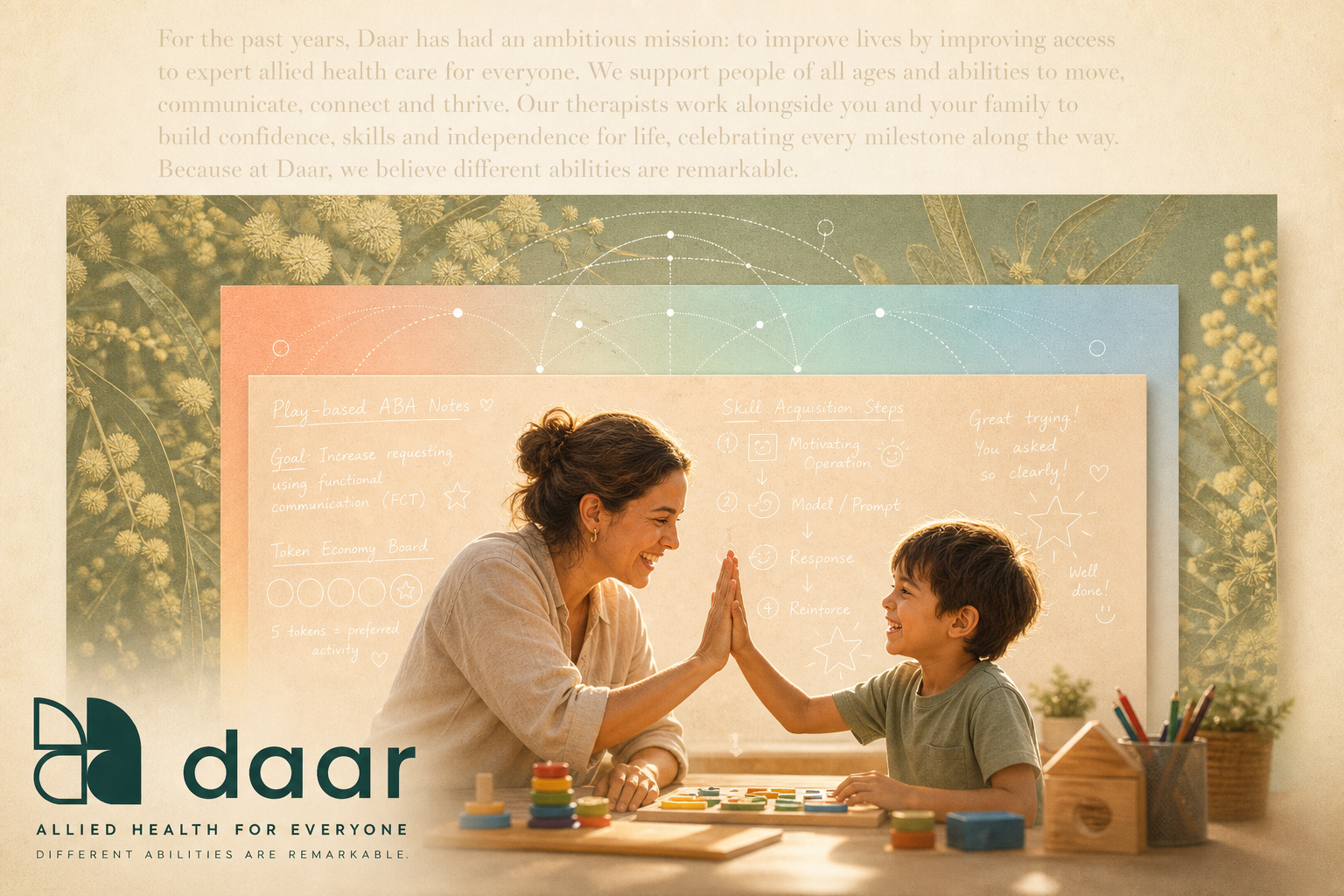
When a child is overwhelmed, don’t rush a solution. Stay calm and respond simply to help the child feel seen and safe. Emotional regulation grows when adults guide patiently.
Teachers can support upset students by:
- Naming feelings without judgment
- Offering a calm or quiet space
- Suggesting a familiar coping skill, like breathing
- Praising even small efforts
- Using positive reinforcement for recovery and communication
This approach reduces behavioural challenges and builds emotional skills. Small gestures—like a smile or “You worked hard to calm your body”—make a big impact. Consistent support helps children trust the process and regulate emotions independently.
Conclusion
In conclusion, fostering emotional regulation in preschoolers is essential for their growth and development. By implementing effective strategies both at home and in the classroom, we can help children learn to manage their emotions, leading to healthier relationships and better coping skills. Encouraging practices like modeling emotions, creating calming routines, and engaging in supportive activities lays a strong foundation for emotional resilience. As caregivers and educators, it's our responsibility to nurture these vital skills, ensuring that our little ones feel understood and empowered.
For further support, don’t hesitate to reach out for a consultation or call daar at 02 9133 2500 and explore resources tailored to enhance emotional regulation in young children.
Frequently Asked Questions
What Can I Do if My Preschooler Struggles with Big Emotions?
Start with simple ways that fit daily life. Name feelings, practice calming skills before tough moments, and praise effort when your child tries. In early childhood, emotional regulation develops slowly. Consistent support during big emotions helps build trust, confidence, and steady emotional growth over time.
Can Emotional Regulation Strategies Help with Separation Anxiety?
Yes. Emotional regulation strategies can support separation anxiety by giving children familiar tools for stressful moments. In early childhood, repeated calming routines, feeling words, and brief practice during calm moments help children use emotional skills when goodbyes feel hard or overwhelming.
Are There Australian Programs or Resources Supporting Emotional Regulation in Preschoolers?
Yes. Incredible Years offers resources that support emotional regulation through parent, teacher, and early childhood education programs. Its preschool SEL programs and preschool early intervention program include practical scripts, visuals, and routines that help adults teach coping, social skills, and emotional understanding in everyday settings.
.svg)




.svg)