
.png?width=48&height=48&name=Group%201%20(3).png)























27 August, 2026

Unlocking Positive Behaviour Therapy for Children
Key Highlights
- Positive behaviour therapy helps children understand and replace challenging behaviour with safer, more useful actions.
- A behaviour support plan is built around your child’s needs, goals, and daily routines.
- Skilled behaviour support practitioners use assessments to find triggers, strengths, and practical next steps.
- Common strategies include teaching communication, adjusting environments, and rewarding helpful behaviour.
- With the right support, families, schools, and carers can work together more consistently.
- Good practice also aligns with ndis quality and focuses on wellbeing, rights, and long-term progress.
Introduction
Positive behaviour support is a practical, child-centered approach that helps children move away from challenging behaviour by learning new skills. Instead of only reacting when problems happen, it looks at why a behaviour occurs and what your child may be trying to communicate. The goal is simple: better participation, stronger communication, and an improved quality of life. For many families, this approach creates a clearer path forward and makes everyday life feel more manageable.
Understanding Positive Behaviour Therapy for Children
Positive behaviour support is an evidence-based approach used with children and young people who show behaviours of concern. It starts from one key idea: every behaviour serves a purpose. A child may be seeking comfort, avoiding stress, or trying to communicate a need.
Once that purpose is understood, a behaviour support plan can be created. The plan focuses on reducing triggers, teaching safer alternatives, and helping adults respond consistently. This is what makes support more practical and useful in daily life.
Key Principles and Approaches of Child Behaviour Support
At the core of positive behavioural support is respect for the child, their goals, and their daily life. The approach grew from applied behaviour analysis, but it is more person- and family-focused. That means your child’s strengths matter just as much as the behaviour itself.
A strong support plan is designed for real settings, not just therapy sessions. It is used at home, school, and in the community by the wider support network. This helps the behaviour support team stay consistent and makes progress easier to maintain.
Common behaviour support strategies include:
- identifying triggers and patterns in the child’s behaviour
- teaching new skills for communication, coping, and daily routines
- changing the environment to reduce stress or confusion
- guiding adults on how to respond safely and consistently
How Positive Behaviour Therapy Differs from Traditional Methods
Traditional behaviour management often focuses on stopping a behaviour in the moment. Positive behaviour therapy takes a holistic approach instead. It asks why the behaviour happens, what the child needs, and how adults can build lasting change without relying on fear or control.
This matters because quality behaviour support aims to reduce restrictive practices, not increase them. Skilled behaviour support practitioners and behaviour support providers work toward safer, more respectful options that fit Ndis quality expectations and protect the child’s rights.
|
Traditional methods |
Positive behaviour therapy |
|---|---|
|
Focus on the behaviour only |
Focus on the purpose of the behaviour |
|
Often reactive |
Planned and preventative |
|
May depend on punishment or control |
Teaches skills and changes environments |
|
Short-term compliance |
Long-term wellbeing and independence |
|
Limited team input |
Collaboration with family and support systems |
How Positive Behaviour Therapy Addresses Challenging Behaviours
Positive behaviour therapy helps by looking beyond the challenging behaviour itself. A behaviour of concern is treated as a message, not just a problem. Through thorough assessments, professionals and families can work out what the child is trying to gain, avoid, or express.
From there, a practical support plan is built with input from the support team and carers. For NDIS participants, this can guide support at home, school, and other daily settings. The next steps begin with understanding the child’s needs in detail.
Role of Assessment in Identifying Children’s Needs
Assessment is the first step because good support depends on accurate understanding. Thorough assessments look at when the behaviour happens, what comes before it, and what the child gets from it. In some cases, a medical issue may also need to be ruled out before building a response.
This process helps shape a behaviour support plan that matches the child’s actual needs, not assumptions. It also helps families choose professionals who listen, observe carefully, and involve support people throughout planning and review.
Early intervention can be especially helpful because patterns may be easier to shift when support starts sooner. The approach is designed to reduce harm by using informed, individualised strategies rather than guesswork. For families using NDIS funding, this clear assessment process also supports more coordinated decisions.
Tailored Strategies for Supporting Individual Children
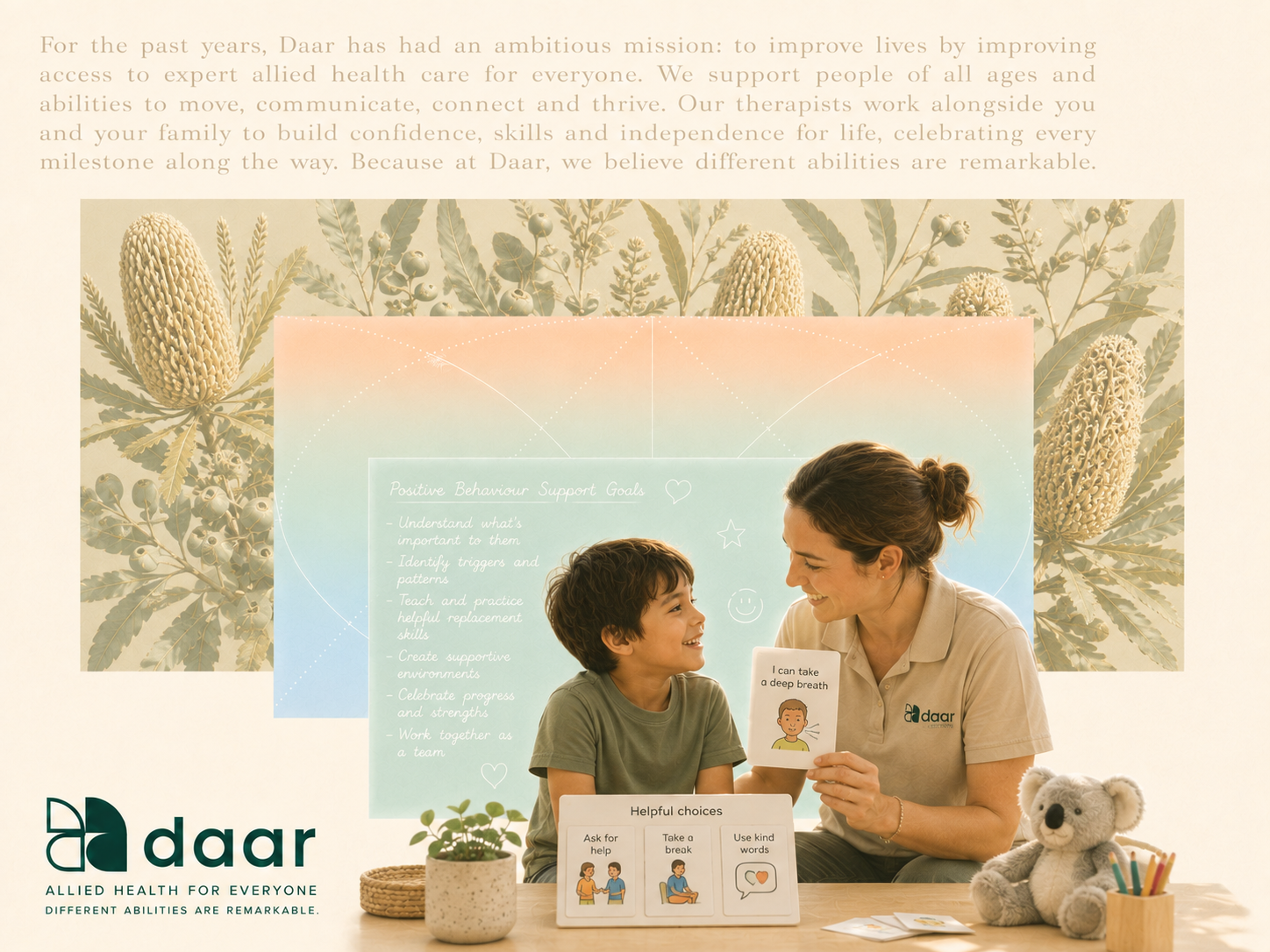
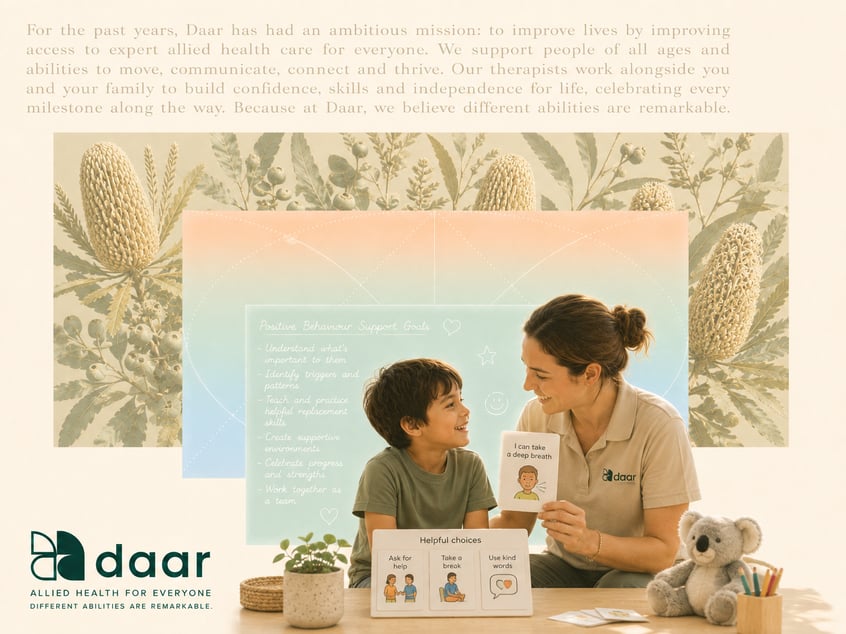
No two children need the same plan. Effective behaviour support strategies are tailored to the child’s triggers, strengths, routines, and goals. That is why specialist behaviour support focuses on what will work in real life for the child and the adults around them.
For some young people, the biggest need may be communication skills. For others, it may be routine changes, social support, or safer ways to handle stress. Family members and the wider support team all play a role in making those strategies consistent.
Helpful supports may include:
- teaching words, signs, or other ways to ask for help
- adjusting home or school routines to lower stress
- using positive reinforcement for safe, useful behaviours
- coaching adults to respond calmly and consistently
Conclusion
In conclusion, Positive Behaviour Therapy offers a compassionate and effective approach to nurturing children's growth and addressing challenging behaviours. By focusing on individual needs and employing tailored strategies, this method empowers children to develop essential skills while promoting positive interactions. The shift from traditional methods to Positive Behaviour Therapy not only enhances a child's behaviour but also fosters a supportive environment conducive to learning and development.
If you're interested in implementing these techniques at home or in educational settings, reach out for a consultation or call daar at 02 9133 2500 to discover how Positive Behaviour Therapy can benefit the children in your life.
Frequently Asked Questions
Is positive behaviour therapy suitable for children with autism or developmental conditions?
Yes. Positive behaviour support can be used with children with autism spectrum disorder and other developmental conditions. It is also relevant in the early years when support starts early. For families using ndis funding, specialist behaviour support can be tailored to the child’s communication, learning, and daily needs.
How long does it take to see results with child behaviour support?
Results vary because each behaviour support plan is individualised. Children often benefit most when positive behaviour support is used consistently across daily settings. Progress may come faster with early intervention, clear teaching of new skills, and a support team that follows the plan and reviews it regularly.
Can schools and teachers use child behaviour support in classroom settings?
Yes. Schools and teachers can use pbs in classroom settings when they are part of the support team and understand the plan. Positive behaviour support, informed by applied behaviour analysis, helps staff use consistent behaviour support strategies, reduce triggers, and build better communication and learning opportunities.
.svg)




.svg)