
.png?width=48&height=48&name=Group%201%20(3).png)























1 September, 2026

How Challenging Behaviour Support Enhances Child Growth
Key Highlights
- Challenging behaviour often signals unmet needs, stress, or difficulty with emotional regulation.
- Strong support can improve child development by teaching practical coping strategies early.
- Emotional dysregulation may show up as outbursts, impulsive actions, or shutting down.
- Positive behaviour support focuses on quality of life, safer emotional responses, and new skills.
- Early intervention helps young children build emotional regulation and daily routines sooner.
- Families, educators, and practitioners all play a key role in lasting progress.
Introduction
Children do not automatically know how to manage frustration, change, or big feelings. They learn over time, and that process shapes child development in important ways. When support is added early, children can build emotional regulation, stronger communication, and practical coping strategies for everyday life. That matters at home, in learning settings, and in social situations. To understand how this support helps, it is useful to first look at what challenging behaviour means and why it happens.
Understanding Challenging Behaviour in Children
Challenging behaviour in children is rarely random. It often reflects stress, communication difficulty, or trouble managing emotional responses during early childhood. These behaviours of concern can affect routines, learning, and relationships if they happen often.
Emotional development and emotional regulation grow gradually across childhood. They are important because they help children cope with change, express needs, and settle after upset. The next sections explain how behaviours of concern are defined, what they look like, and which factors may be involved.
Defining Behaviours of Concern in Early Development
Behaviours of concern are actions that interfere with daily life, learning, safety, or relationships. In early childhood, they may include repeated outbursts, aggression, refusal, or intense frustration during routines and transitions. For young children, these responses often happen when communication or coping skills are still developing.
At the same time, emotional development is still taking shape in the early years. Emotional regulation means being able to understand and manage feelings in healthy ways. This matters because children who can regulate emotions are better able to adapt, calm down, and respond to challenges.
Not every tantrum is a serious concern. Many big feelings are a normal part of early childhood. The key question is whether the behaviour is frequent, intense, or continues beyond what is expected as children build essential skills over time.
Common Examples of Challenging Behaviours in Kids
Some forms of challenging behaviour are easy to spot because they interrupt everyday life. When children struggle with their own emotions, their emotional responses may look much bigger than the situation itself. Emotional dysregulation can appear outwardly or in quieter ways.
You might notice behaviours such as:
- yelling, crying, or screaming during small frustrations
- acting impulsively or losing temper often
- shutting down, zoning out, or withdrawing when overwhelmed
- saying or doing things they regret when upset
- mood swings or ongoing irritability between outbursts
These examples do not always mean a child has a disorder. Still, they can show that a child needs help with managing their own emotions, handling big feelings, and learning safer ways to respond to daily challenges.
Factors Contributing to Challenging Behaviour
Many factors can shape challenging behaviour. A child may react strongly because of stress, trouble communicating, changing routines, or difficulty with emotional regulation. In other cases, the behaviour may relate to broader emotional health or developmental needs.
Common contributing factors include:
- mental health conditions such as anxiety disorders or depression
- developmental disabilities or neurodevelopmental differences
- trauma, bullying, or long-term stress
- brain conditions or injuries that affect emotional responses
- intense frustration when needs cannot be expressed clearly
These signs can appear in daily life as impulsive actions, frequent anger, difficulty calming down, or withdrawal during challenging situations. Looking at the factors behind behaviour helps adults respond with support, not blame, and prepares the way for more effective strategies.
The Importance of Emotional Regulation for Child Growth
Emotional regulation is a core part of healthy emotional development. It helps young children understand feelings, recover after stress, and respond to difficult situations in safer ways. Without it, big feelings can take over daily routines and learning.
As coping skills improve, children often handle transitions, frustration, and social moments with more confidence. This supports school readiness, relationships, and emotional stability. To see why it matters so much, it helps to define the skill clearly and explore how it affects learning and behaviour.
What is Emotional Regulation?
Emotional regulation is the ability to understand and manage your own emotions in healthy ways. For children, that means learning how to notice feelings, express them appropriately, and recover after disappointment, frustration, or change. These skills develop over time rather than appearing all at once.
In everyday life, emotion regulation skills help children pause before reacting, ask for help, and use support instead of acting only on impulse. Healthy emotional reactions do not mean never feeling upset. They mean being able to cope without becoming completely overwhelmed.
This is important for child development because emotions affect learning, relationships, and behaviour. When children strengthen emotional regulation, they gain better tools for daily challenges. They are also more likely to build confidence, resilience, and positive behaviour across home, school, and community settings.
How Emotional Regulation Affects Learning and Social Skills
Children learn best when they feel safe, supported, and able to settle after stress. Emotional regulation supports learning by helping children focus, follow directions, and stay engaged during tasks. When feelings keep taking over, attention and participation often drop.
It also plays an important role in social skills. A child who can manage frustration is more likely to take turns, join play, and respond well to others. That supports emotional development and makes everyday interactions feel less confusing or overwhelming.
This connects closely with positive behaviour support. Rather than only trying to stop difficult moments, positive behaviour support helps children build the emotional regulation and practical skills that make learning and social participation easier. The goal is lasting progress and better quality of life.
Differences Between Emotional Regulation and Dysregulation
Emotional regulation and emotional dysregulation are not the same. Emotional regulation helps a child understand feelings and respond in manageable ways. Emotional dysregulation means strong emotions become hard to control, and reactions may seem much bigger than others expect in that moment.
A child with stronger emotion regulation skills may still get upset, but they can often recover with support. A child experiencing emotional dysregulation may stay overwhelmed longer, act impulsively, or shut down completely. The difference is less about having feelings and more about managing emotional reactions.
|
Emotional regulation |
Emotional dysregulation |
|---|---|
|
Understands own feelings more clearly |
Struggles to make sense of strong emotions |
|
Can calm down with support |
Has trouble calming down once upset |
|
Uses safer emotional reactions |
May yell, withdraw, or act impulsively |
|
Supports learning and social skills |
Can interrupt routines, learning, and relationships |
Connection Between Challenging Behaviour and Emotional Regulation
Challenging behaviour and emotional regulation are closely linked. When children lack coping skills, their emotional responses may come out as yelling, refusal, aggression, or shutting down. In many cases, the behaviour is a signal that the child cannot yet manage stress effectively.
That is why support should focus on skill building, not only correction. Positive behaviour support connects these pieces by teaching safer ways to cope, communicate, and recover. Next, we will look at everyday signs, family impact, and why this matters for children with autism.
Signs That Indicate Poor Emotional Regulation in Daily Life
Poor emotional regulation can show up in many ways during normal routines. Some children react outwardly, while others turn inward. Emotional dysregulation is often noticed when daily challenges lead to reactions that seem unusually intense or hard to stop.
Common signs include:
- getting frustrated very quickly over small problems
- losing temper often or having repeated verbal outbursts
- acting impulsively when upset
- withdrawing, going quiet, or seeming emotionally blank
- struggling to return to calm after disappointment or change
These signs suggest a child may need more support with their own feelings and emotional responses. They do not automatically point to one cause, but they do show that the child’s current skills may not be enough for the demands they face each day.
The Impact of Emotional Dysregulation on Family Dynamics
Emotional dysregulation can affect more than the child. It often changes family dynamics, especially when daily routines become unpredictable or stressful. Mealtimes, school preparation, and bedtime may turn into challenging situations if a child becomes overwhelmed quickly.
Parents and siblings may begin adjusting around expected outbursts or withdrawal. Over time, this can create tension, worry, and exhaustion. Families may feel unsure about what triggers strong emotional responses or how to help without making things worse.
Early support can ease that pressure. When adults understand that behaviour is often communication, they can respond more calmly and consistently. This helps families move from crisis management toward teaching new skills, improving routines, and creating a more stable home environment.
Why Emotional Regulation Skills Matter for Children with Autism
For children with autism spectrum disorder, emotional regulation skills can be especially important because communication, routines, and sensory demands may feel more complex. When stress builds, a child may struggle to express needs clearly, and behaviour can become the main message.
Support children with autism by focusing on what happens before, during, and after a behaviour. This helps adults understand triggers and teach safer alternatives, such as asking for help, requesting a break, or following visual routines. These steps reduce stress and build useful habits.
The goal is not to force a child to appear typical. It is to improve quality of life, strengthen participation, and help them manage their own feelings in ways that are practical and respectful across home, school, and community settings.
Early Identification of Behaviours of Concern
Spotting behaviours of concern early can make support more effective. In early childhood, signs may first appear during transitions, play, or daily routines when demands feel hard to manage. Early attention helps adults respond before patterns become more disruptive.
It also supports emotional development by linking behaviour to skill needs instead of punishment alone. When parents and educators notice warning signs early, they can observe more clearly, build support plans, and decide whether professional help is needed.
Recognising Key Warning Signs in Early Childhood
In early childhood, warning signs often appear in everyday settings. A child may have intense reactions to routine changes, become overwhelmed during simple tasks, or struggle to recover after minor frustration. These patterns can affect emotional health and later school readiness.
Key warning signs may include:
- frequent temper outbursts beyond what is typical for age
- ongoing irritability or anger between incidents
- difficulty settling after transitions or disappointment
- aggression, refusal, or repeated withdrawal
- trouble joining routines needed for learning and play
These signs do not mean a child will always struggle. Still, they show that extra support may be needed. Recognising them early allows adults to respond with patience, clearer structure, and skill-building rather than waiting for problems to grow.
How Parents and Educators Can Observe and Assess Behaviour
Parents and educators can assess behaviour by paying close attention to patterns. It helps to notice what happens before a behaviour, what the child does, and what follows. This simple approach can reveal triggers, skill gaps, and areas where support is needed.
Useful things to observe include:
- times, places, or routines linked to the behaviour
- whether the child was tired, overwhelmed, or frustrated
- how adults responded in the moment
- which coping strategies helped the child settle
- whether the child could express own emotions clearly
A calm and supportive environment makes observation more accurate. When adults watch without rushing to judge, they are better able to understand what the child is communicating. That information can guide early intervention, more consistent responses, and better support across settings.
When to Seek Professional Help for Challenging Behaviour
Professional support may be needed when challenging behaviour affects safety, learning, family life, or relationships. It is also important to seek help if emotional regulation difficulties appear suddenly or become more intense over time. Early help can reduce long-term stress.
Behaviour support practitioners and other clinicians look at patterns, triggers, and the function of behaviour. They may use observation and data to understand why a child reacts a certain way. From there, they create plans that teach replacement skills and reduce harm.
Positive behaviour support practitioners help by building structured, strengths-based plans. These plans often teach communication, calming tools, and routines while guiding caregivers and schools on consistent responses. The aim is practical progress, improved quality of life, and better emotional stability.
Strategies for Supporting Emotional Regulation
Supporting emotional regulation starts with simple, repeatable strategies. Children benefit when adults create predictable routines, teach clear coping skills, and respond calmly during hard moments. These coping strategies work best in supportive environments where expectations stay consistent.
Adults also use similar tools for themselves, such as pausing, following routines, and choosing calm responses over reactive ones. Those habits make it easier to guide children well. The next sections cover environmental supports, self-regulation teaching, and the value of consistency.
Creating Supportive Environments for Children
A supportive environment makes emotional regulation easier to learn. Children do better when daily routines are clear, expectations are predictable, and transitions are handled with structure. This lowers stress and gives children a better chance to use positive behaviour.
Home and school can both support this process. Adults can reduce unnecessary pressure, give simple directions, and notice patterns that lead to overload. When routines stay steady, children often feel safer and more able to cope with change.
Adults benefit from the same idea. Predictable routines, rest, and calmer responses help them manage their own emotions more effectively. When children see steady support around them, they are more likely to build emotional regulation skills that carry into everyday life.
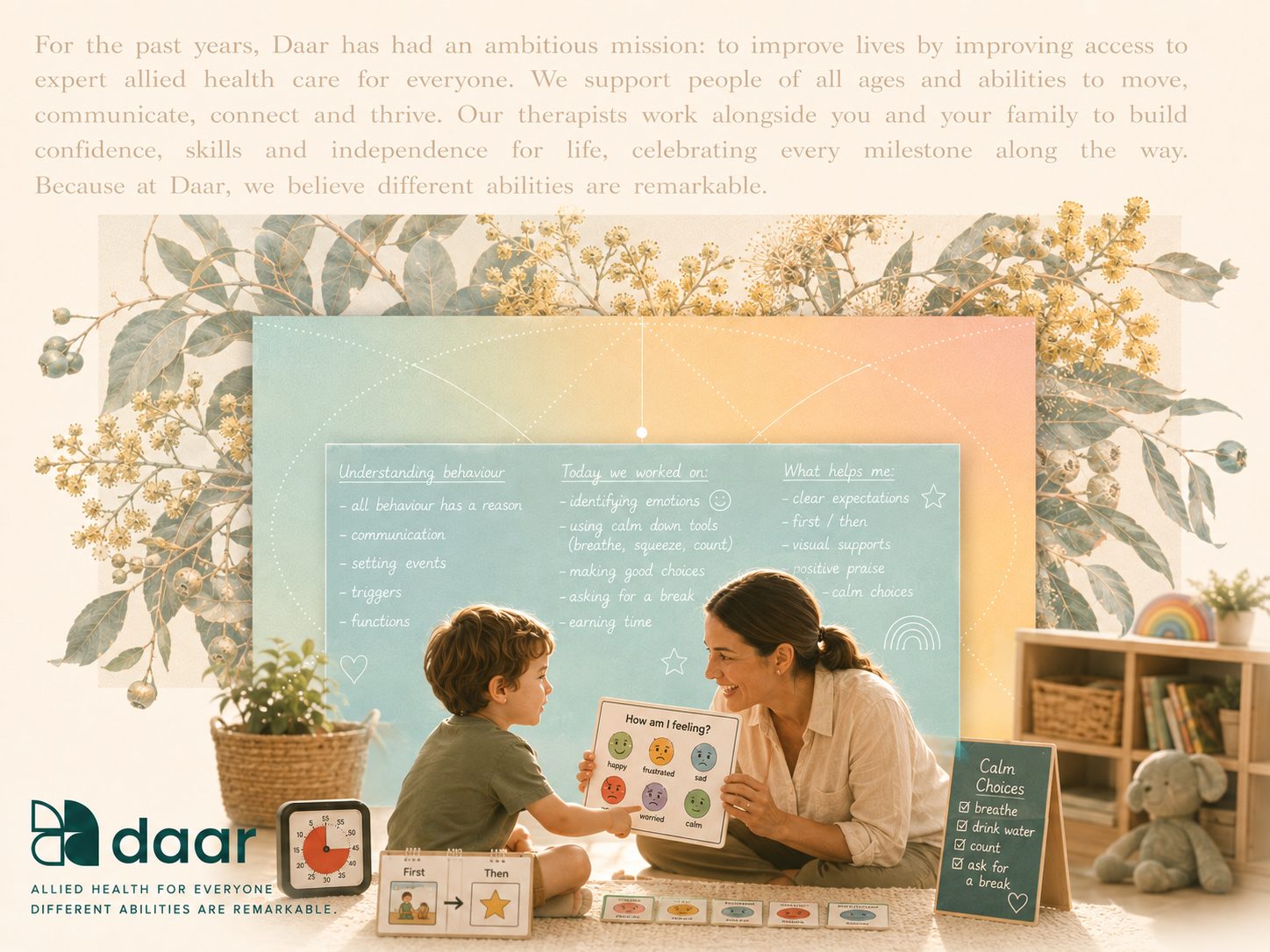
Teaching Coping and Self-Regulation Skills
Children need direct teaching to build coping skills. They may not know how to ask for a break, pause before reacting, or recover after frustration unless someone shows them how. This is why self-regulation skills should be taught in small, practical steps.
For young children, the best coping strategies are simple and tied to daily routines. They may learn to ask for help, follow a visual cue, or use a familiar calming step when upset. Repetition in everyday settings makes those responses easier to remember.
Adults can use a similar approach for themselves. Mindfulness, relaxation exercises, regular sleep, meals, and physical activity all support steadier emotional responses. These habits do not remove stress, but they make it easier to respond with intention instead of impulse.
Using Positive Reinforcement and Consistent Routines
Positive reinforcement is a practical way to encourage helpful behaviour. When a child uses a safer response and receives something meaningful, such as praise or access to a preferred activity, that positive behaviour becomes more likely to happen again.
Consistent routines strengthen this effect. Clear patterns for meals, learning, play, and bedtime reduce uncertainty and give children more chances to succeed. This matters for emotional regulation because predictable expectations lower stress and support better coping during difficult moments.
This is also why emotional regulation is closely tied to positive behaviour support. Instead of only reacting to problems, adults teach new skills and reinforce them consistently. Over time, children build stronger habits, improved participation, and more confidence in daily life.
Early Interventions for Developing Emotional Regulation
Early intervention gives children more time to build emotional regulation while core learning patterns are still developing. This can support child development, communication, and emotional stability during the years when progress is often strongest.
Intervention does not look the same for every child. Some need individualised support, while others benefit from broader programs and caregiver coaching. What matters most is that support starts early, is tailored to the child’s needs, and is practiced across daily settings.
Evidence-Based Approaches in Australia
The compiled information identifies several evidence-based approaches relevant to Australia, including Applied Behaviour Analysis, positive behaviour support, and parent-mediated intervention. These models focus on skill building, reinforcement, and improving quality of life across daily environments.
The material also notes findings from systematic review research showing benefits in communication, social development, and adaptive behaviour when support begins early. While it does not give Australia-specific success rates for emotional regulation alone, it supports early, structured intervention delivered by trained providers.
|
Approach |
What the compiled information shows |
|---|---|
|
Applied Behaviour Analysis |
Evidence-based teaching that builds skills and reduces harmful behaviours through reinforcement |
|
Positive behaviour support |
Focuses on triggers, replacement skills, and quality of life across settings |
|
Parent-mediated intervention |
Helps families practice skills during routines at home |
|
Early intervention |
Linked with stronger outcomes during early developmental years |
Types of Intervention: From Individual Plans to Group Programs
Intervention can take different forms depending on the child’s strengths, goals, and support needs. Some children benefit most from individual plans that target communication, daily routines, and emotional responses step by step. Others may do well with broader support across home, school, and community settings.
The compiled information describes several therapy options that may sit alongside behaviour-focused support. These include psychology, speech therapy, and occupational therapy. Each plays a different role, such as supporting communication, sensory needs, functional tasks, or emotional well-being.
Group programs and workshops can also help by giving children practice with routines, social participation, and everyday skills. No single format fits everyone. The most effective intervention is tailored, consistent, and focused on teaching useful skills that improve everyday life.
Outcomes of Early Intervention for Long-term Growth
Early intervention can shape long-term growth by building a stronger foundation for communication, routines, and emotional health. The compiled information shows that children often make meaningful gains when support begins during the early years, especially when practice happens across settings.
Outcomes may include better adaptive behaviour, stronger social participation, and increased independence in daily tasks. Families may also notice fewer harmful behaviours and more reliable use of coping strategies. These changes can improve both confidence and day-to-day functioning.
Results are not identical for every child, and progress can vary by skill area. Still, starting early creates more opportunities to learn, practice, and generalise new skills. That makes early intervention an important investment in future development and quality of life.
Conclusion
In conclusion, supporting challenging behaviour in children is pivotal for their emotional and social development. By understanding the dynamics of emotional regulation, parents and educators can create nurturing environments that promote healthy growth. Early identification of behaviours of concern allows for timely intervention, which can significantly improve outcomes for children, especially those with special needs. Implementing effective strategies such as positive reinforcement and teaching coping skills can lead to lasting changes, fostering resilience and confidence in children.
If you're ready to take the next step in supporting your child's emotional growth, don't hesitate to reach out for a consultation or call daar at 02 9133 2500 with our experts.
Frequently Asked Questions
What are some daily strategies for parents to support emotional regulation at home?
Parents can support emotional regulation by keeping routines predictable, creating a supportive environment, and teaching simple coping skills during everyday moments. Calm responses from adults matter too, because children notice own emotions in others. Positive reinforcement for safer behaviour helps new habits become more reliable over time.
Can challenging behaviour support benefit children without a diagnosis?
Yes. Challenging behaviour support can help children without a diagnosis if they are struggling with routines, frustration, or emotional regulation. Professional support and positive behaviour support focus on practical skills, emotional health, and better daily functioning, not only on formal labels or diagnoses.
How quickly can improvements in behaviour be seen with intervention?
Improvement with intervention varies by child, goals, and consistency of support. Some families notice early changes in routines or emotional regulation, while other gains take longer. The development of children is gradual, so regular practice of coping strategies and support for own emotions usually leads to steadier progress over time.
.svg)




.svg)