
.png?width=48&height=48&name=Group%201%20(3).png)























22 September, 2026

Effective Support for Challenging Behaviour in Children
Key Highlights
- Challenging behaviour in early childhood often communicates a need, not just defiance.
- Strong behaviour management starts by noticing triggers, routines, and what your child wants or avoids.
- Positive behaviour support helps children build new skills in communication, daily routines, and self-control.
- Positive reinforcement and positive attention can increase positive behaviour across home and school settings.
- Simple planning tools, choices, visuals, and calm responses can reduce difficult moments.
- Some children need extra assessment and coordinated support from families, teachers, and professionals.
Introduction
Challenging behaviours in early childhood can feel confusing, tiring, and personal. Still, a child’s behaviour usually has a purpose. It may be a way to ask for attention, avoid something hard, get a favorite item, or cope with stress. Effective behaviour management begins when you look at what happens before and after the behaviour. That approach supports mental health, teaches better skills, and helps children move from challenging behaviours toward safer, more helpful ways to communicate.
Recognising Emotional Triggers
Big emotions often sit underneath challenging behaviours. A child’s behaviour can change quickly when they feel overwhelmed, frustrated, rushed, or unable to say what they need. In many cases, the behaviour is a signal that something in the situation is too hard, too noisy, or too upsetting.
When you notice emotional triggers early, you can respond before things build. That supports mental health and gives you a clearer picture of why challenging behaviours happen. The next sections explain how emotions shape behaviour and how to spot when a child needs more help.
The Role of Big Emotions in Challenging Behaviour
Young children are still learning to manage their emotions. When overwhelmed, they may scream, hit, throw things, or refuse to cooperate—not necessarily out of defiance, but because they lack coping skills.
In early childhood, behaviours often serve a purpose: seeking attention, avoiding tasks, getting something desired, or finding sensory comfort. Understanding the reason behind a behaviour is key. Once identified, you can teach safer alternatives.
Emotional regulation focuses on building these skills. Instead of just stopping unwanted behaviours, help children learn to ask for help, request a break, or communicate their needs before emotions take over.
Identifying Signs a Child Needs Additional Support
Sometimes a child’s behaviour needs more than everyday support. The first step is to look for patterns of behaviour instead of focusing on one rough day. Ongoing disruptive behaviour, especially when it affects learning, daily routines, or family life, can signal that more structured help is needed.
You may also want to pay closer attention if the behaviour is intense, frequent, or hard to predict. In early childhood, repeated meltdowns or aggression can be linked to unmet needs, communication problems, stress, or another concern that deserves a fuller look.
Common signs include:
- The child’s behaviour happens often in the same situations.
- The behaviour disrupts home, school, or social participation.
- Negative changes seem to affect mental health or wellbeing.
- Simple supports no longer reduce the disruptive behaviour.
- Family members or educators are struggling to keep responses consistent.
Behaviour Management Techniques for Various Ages
Good behaviour management is not one-size-fits-all. What helps a toddler may not work the same way for an older child. Still, one principle stays steady: children do better when adults understand why the child’s behaviour is happening and teach new skills that meet the same need in a better way.
Positive reinforcement is especially useful across ages. So are planning, changing routines, offering choices, and giving support before frustration peaks. The next two sections break this down by age group so you can match your approach to your child’s stage.
Strategies for Toddlers (Aged 0-3)
Toddlers in early childhood are still learning how to communicate and manage feelings. That is why behaviour management for this age should stay simple, predictable, and calm. A toddler may react strongly during transitions, limits, noise, or waiting. Your best strategy is to prevent stress where you can and teach one small step at a time.
For many families, small changes at home make a real difference. Positive attention during calm moments helps toddlers notice what works. Planning also reduces situations that trigger frustration before they start.
Helpful ideas include:
- Use “first-then” language for short routines.
- Offer closed choices between two acceptable options.
- Give positive attention when cooperation appears.
- Use timers or simple visuals before transitions.
- Change the order of events so less preferred tasks come first.
When the child’s family uses these supports consistently, toddlers begin to understand expectations and feel more secure.
Approaches for Preschool and Primary School Children (Aged 4-10)
As children grow, behaviour management becomes more structured. Preschool and primary school kids benefit from consistent positive behaviour support at home and school, helping them understand expectations and develop new skills.
Teachers can boost academic success by reducing triggers, giving clear instructions, and rewarding helpful behaviours. Tools like visual schedules, countdowns, and planned transitions lower stress. By noticing early signs of frustration, teachers can intervene before issues escalate.
Some children need extra support from special education staff or other professionals. Positive behaviour support plans help coordinate efforts among adults. Shared goals and consistent responses encourage communication, participation, and independence at school.
Emotional Regulation and Self-Management Skills
Young children are more likely to show good behaviour when they have emotional regulation skills and communication skills they can actually use in the moment. Without those skills, stress can quickly turn into yelling, hitting, crying, or shutting down.
That is why coping strategies matter so much. They do not replace limits or routines, but they give children something useful to do when feelings rise. The next sections focus on teaching awareness first, then building coping tools children can carry into everyday situations.
Techniques to Teach Children Emotional Awareness
Children cannot manage feelings they do not notice. Teaching emotional skills starts with helping them connect body signals, situations, and reactions. When adults respond early, they can guide a child’s behaviour before big emotions turn into a larger outburst. This is useful for parents and for early childhood educators supporting group settings.
Keep the teaching practical. Children learn best through repeated moments in daily life, not long lectures. You are helping them recognise what is happening and what to do next, in a particular way they can remember.
Try simple prompts like these:
- Name the feeling before behaviour escalates.
- Model one deep breath during a hard moment.
- Point out calm body signs during positive behaviours.
- Praise the child when they notice feelings early.
Over time, this makes emotional awareness more familiar and gives children a starting point for better choices.
Helping Children Develop Coping Strategies
Coping strategies are most effective when taught before stressful situations, not just during meltdowns. If a child struggles during transitions, loud noises, waiting, or denied requests, prepare for these moments ahead of time to support emotional regulation.
Responding to early warning signs—like whining, pacing, or frustration—can help. Prompt a break, offer an alternative activity, or encourage the child to ask for help. Early intervention often prevents bigger outbursts.
These supports also protect mental health by reducing repeated overwhelm. The goal isn’t perfection but helping the child find a manageable next step. With consistent practice, children can use coping strategies to handle stress with less fear and more confidence.
When to Seek Extra Support or Professional Help
Sometimes home and school strategies are not enough on their own. If a child’s behaviour stays intense, affects safety, or gets in the way of learning and daily life, a professional assessment may be the right next step. This can help rule out physical causes and identify what is driving the behaviour.
Children with developmental disabilities may especially benefit from early, individualised intervention. Support through therapists, educators, and early childhood programs can give families a clearer plan, more confidence, and better tools to help the child succeed.
Signs That Indicate a Need for Professional Assessment
A professional assessment can be helpful when negative behaviours are persistent, severe, or hard to understand. Assessment often begins by checking for physical issues such as illness, tooth pain, or other discomfort. After that, a trained professional may observe the child and talk with caregivers to understand patterns of behaviour and what the child may be communicating.
This kind of review is useful for children in general and for children with autism spectrum disorder or other developmental needs. It can also support planning in school, including special education settings, where staff need clear, practical guidance.
|
Sign |
Why it matters |
|---|---|
|
Behaviour keeps happening in the same situations |
It suggests clear patterns of behaviour that can be assessed |
|
Aggression, meltdowns, or major disruption affect daily life |
The child may need structured support beyond basic strategies |
|
Learning or participation drops |
Mental health, communication, or access needs may be involved |
|
Home and school responses are not working |
A more individualised plan may be needed |
Exploring Support Services Available in Australia
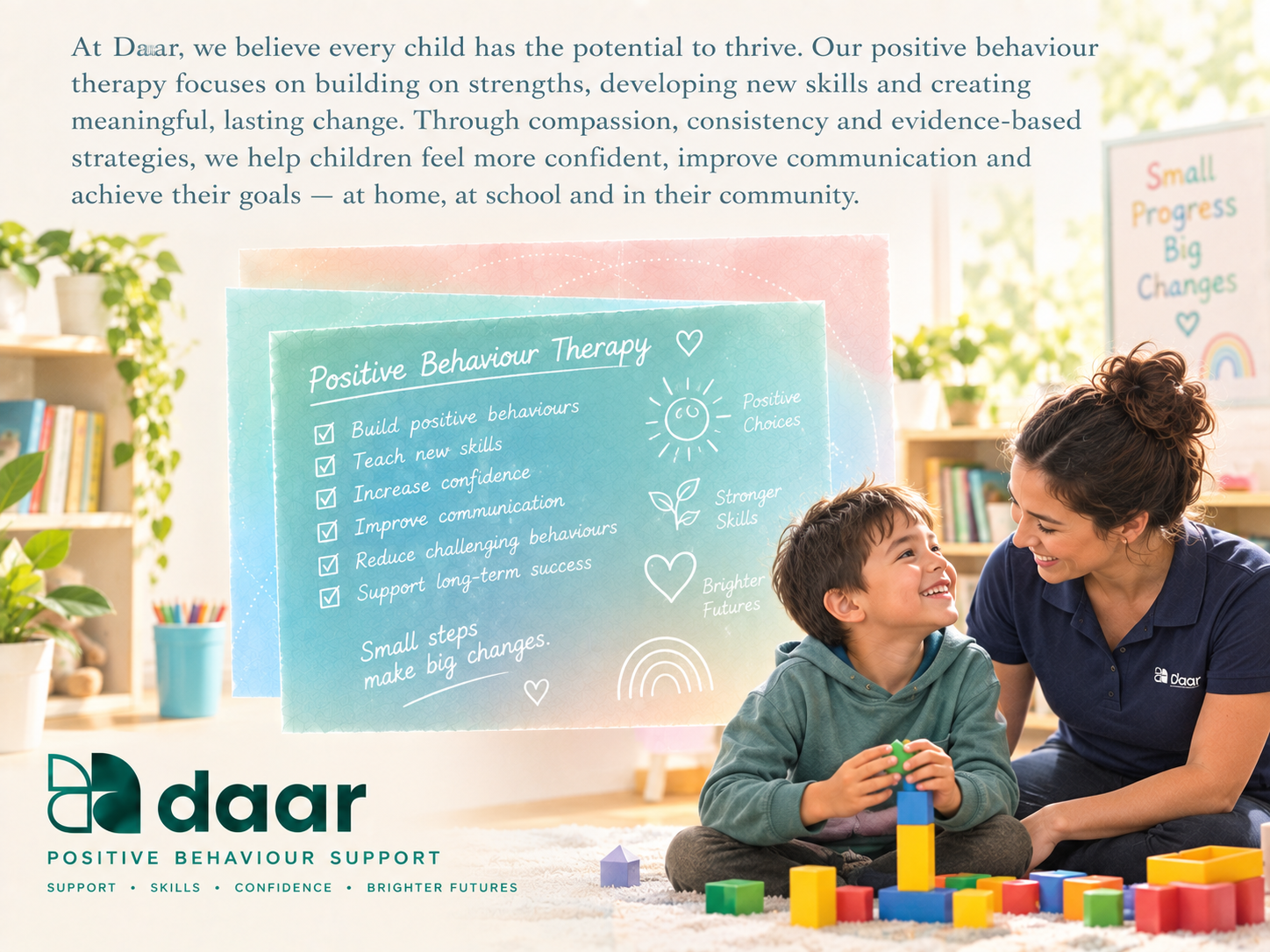
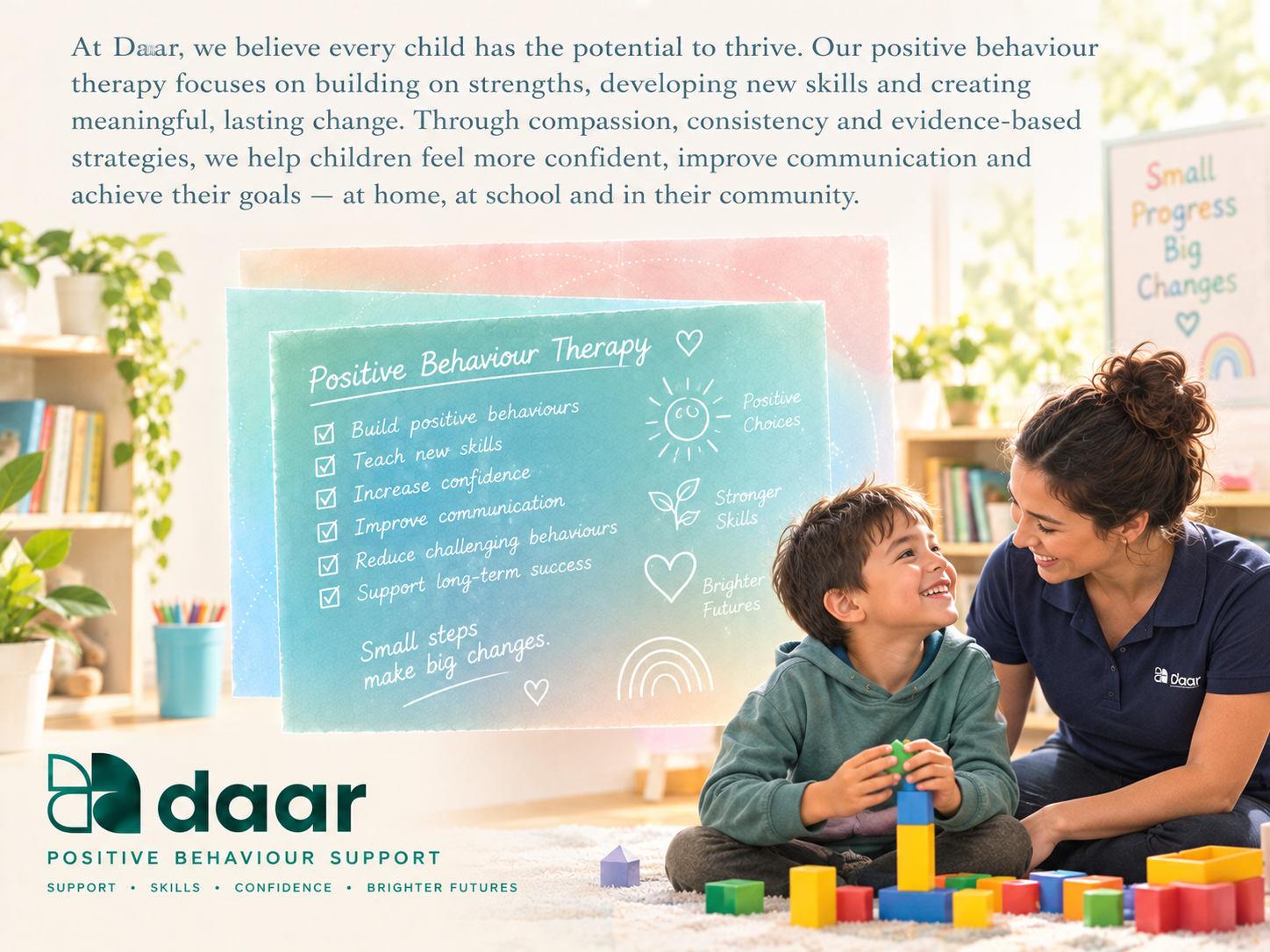
In Australia, families can speak with a GP, psychologist, or another trained professional about Positive Behaviour Support. This approach is individualised, family-centred, and designed to reduce challenging behaviour by teaching better communication, social, and daily living skills. It can be used with autistic children and with children who have developmental or learning needs.
Some families may also connect with an NDIA planner, an early childhood partner, or a local area coordinator. These support services can help a child’s family explore available pathways, including early childhood and special education supports where appropriate.
The federal government system may also help with funding in some cases. Families can ask whether support may be included in an NDIS plan, and some psychology sessions may be subsidised through Medicare. At home, the most helpful step is still consistency, because children benefit most when the plan is used every day.
Conclusion
In conclusion, effectively supporting children with challenging behaviour requires a comprehensive understanding of their emotional triggers and the implementation of age-appropriate management techniques. By recognising the signs that indicate a child's need for additional support and teaching them emotional regulation skills, you can foster a nurturing environment that promotes positive behaviour. Remember, it's crucial to work collaboratively with parents and educators to create a unified approach.
If you ever find yourself in doubt about navigating these complexities, don't hesitate to seek a consultation or call daar at 02 9133 2500 for extra support or professional help.
Frequently Asked Questions
What are some warning signs that my child may need specialist support?
Warning signs include challenging behaviour that is frequent, intense, or disruptive across settings. You may also notice negative behaviours affecting learning, routines, or mental health. If basic strategies are not helping, or the behaviour seems linked to pain, stress, or communication problems, a professional assessment is a smart next step.
Can positive reinforcement be used for all children with challenging behaviour?
Positive reinforcement is a strong behaviour management tool for many young children with challenging behaviours. It works by increasing good behaviour through praise, attention, or access to preferred activities. It is most effective when adults use it consistently and also teach the child a clear replacement skill.
How can parents and teachers work together to support children’s behavioural needs?
Parents and child’s teachers can help most by sharing information about triggers, routines, and what supports positive behaviour. Using similar responses across home and school gives the child’s behaviour a clearer structure. If needed, special education staff or therapists can help create one consistent plan for everyone.
.svg)




.svg)