
.png?width=48&height=48&name=Group%201%20(3).png)























7 April, 2026

Recognizing Autism Symptoms: A Comprehensive Guide
Key Highlights
- The key signs of autism involve challenges with communication skills and social interactions.
- Repetitive behaviours and restricted interests are also core characteristics.
- Symptoms often appear in early childhood, but a diagnosis of autism spectrum disorder can happen at any age.
- Early recognition and intervention can significantly improve a person's quality of life.
- Autism presents differently among individuals, highlighting the "spectrum" nature of the condition.
- Understanding these symptoms is the first step toward getting the right support.
Introduction
Autism spectrum disorder (ASD) is a condition related to brain development that impacts how an individual perceives and interacts with the world. This can lead to unique characteristics of autism, particularly in social communication and behaviour. The term "spectrum" emphasizes the wide range of symptoms and their severity. While ASD begins in early childhood, it affects people of all ages, and understanding its signs is crucial for providing support and improving daily functioning.
Core Symptoms of Autism Spectrum Disorder
The main symptoms of autism spectrum disorder fall into two primary categories. The first involves challenges with social communication and interaction, while the second includes restricted interests and repetitive behaviours. These core symptoms can vary greatly from one person to another in terms of severity and presentation.
Because of this diversity, a diagnosis of autism is based on a person's unique pattern of behaviour and how these traits affect their daily life. Some individuals may have mild symptoms that go unnoticed for years, while others may face more significant challenges that are apparent from a young age. Now, let's explore these two core areas in more detail.
Communication and Social Interaction Challenges
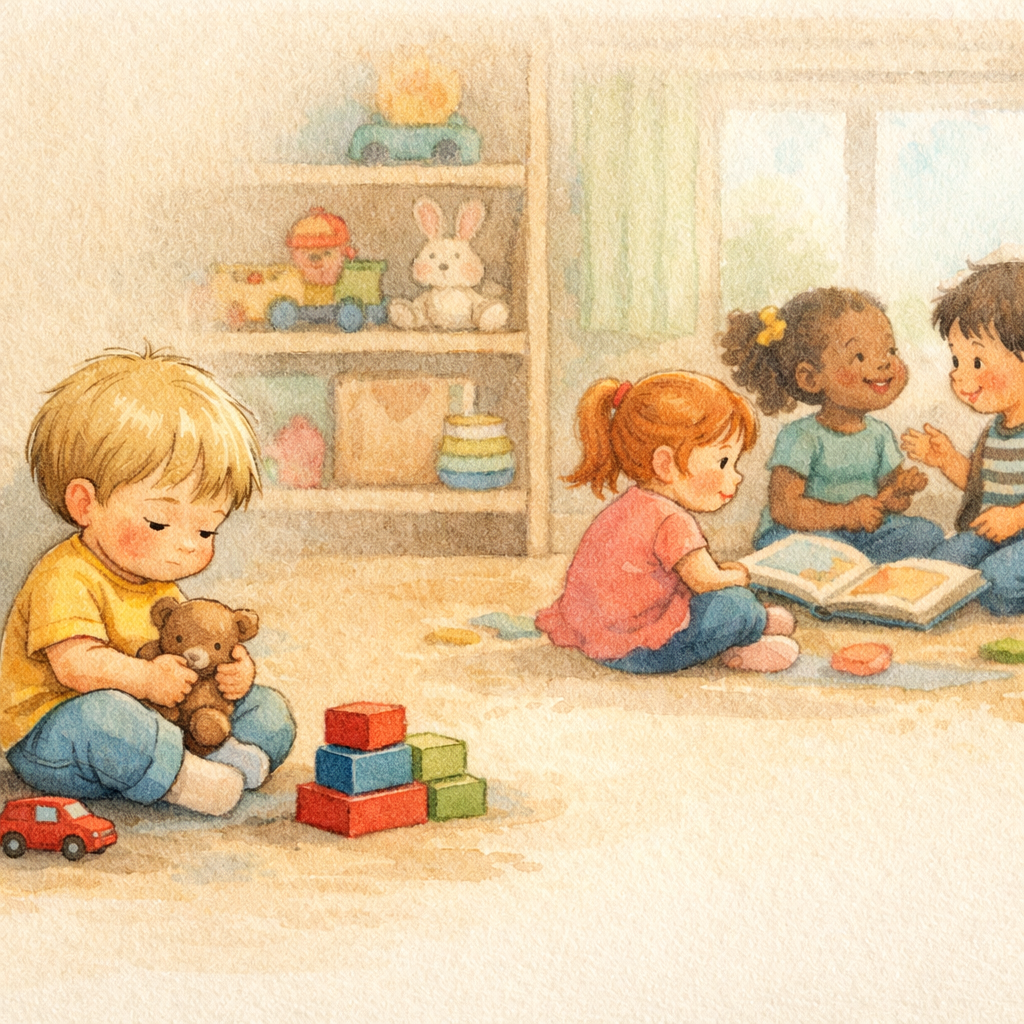
One of the defining features of autism is difficulty with social communication. This can manifest as making little or inconsistent eye contact or not responding when their name is called. Some people with autism may prefer to play alone and may not want to be cuddled or held, seeming to retreat into their own world.
Additionally, understanding nonverbal cues can be a challenge. Autistic individuals might have trouble interpreting body language, facial expressions, or different tones of voice. This can make it hard to understand what others are thinking or feeling in various social situations. For example, they might not grasp sarcasm or figures of speech.
These challenges can also affect their ability to start or maintain a conversation. Some may speak in a flat or robot-like tone, while others might repeat words or phrases without understanding their conversational use. Difficulties with adjusting their behaviour to fit different social contexts are also common.
Patterns of Behaviour and Restricted Interests
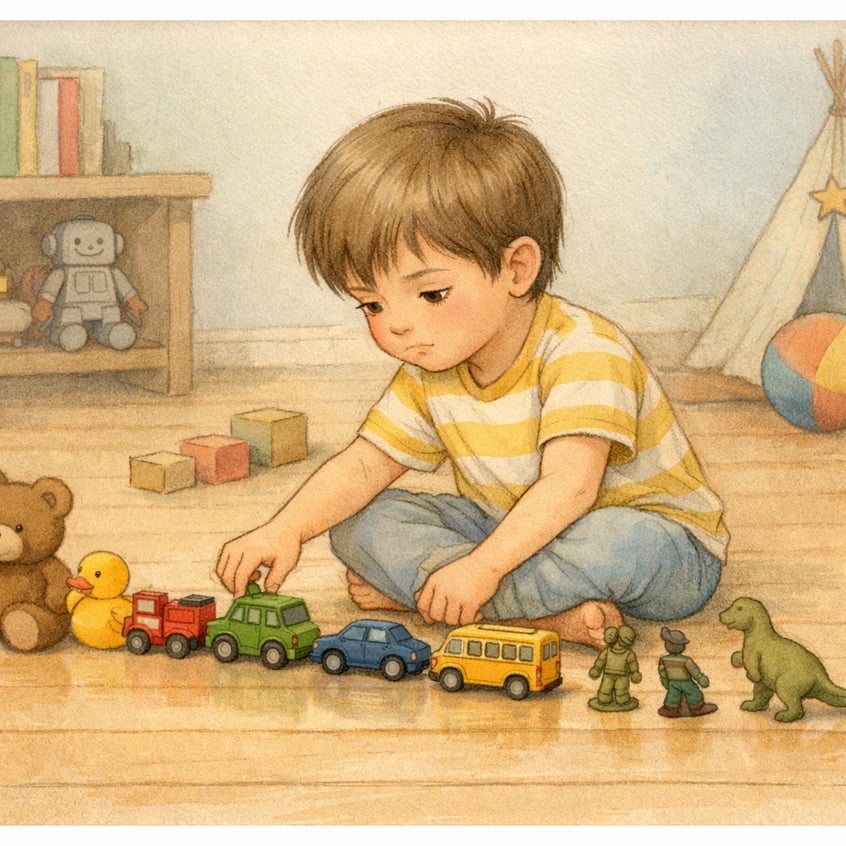
Another core area of autism involves patterns of repetitive behaviours and restricted interests. These behaviours can provide comfort or a way to self-regulate. You might notice repetitive movements like hand-flapping, rocking, or spinning. Some individuals might also have unusual speech patterns, like using a sing-song voice.
A person with autism may also have intense, highly focused interests in specific topics or objects. They might be fascinated by the spinning wheels of a toy car rather than the entire toy. Routines and rituals can be very important, and even a small change can be distressing. These patterns are a key part of how they navigate the world.
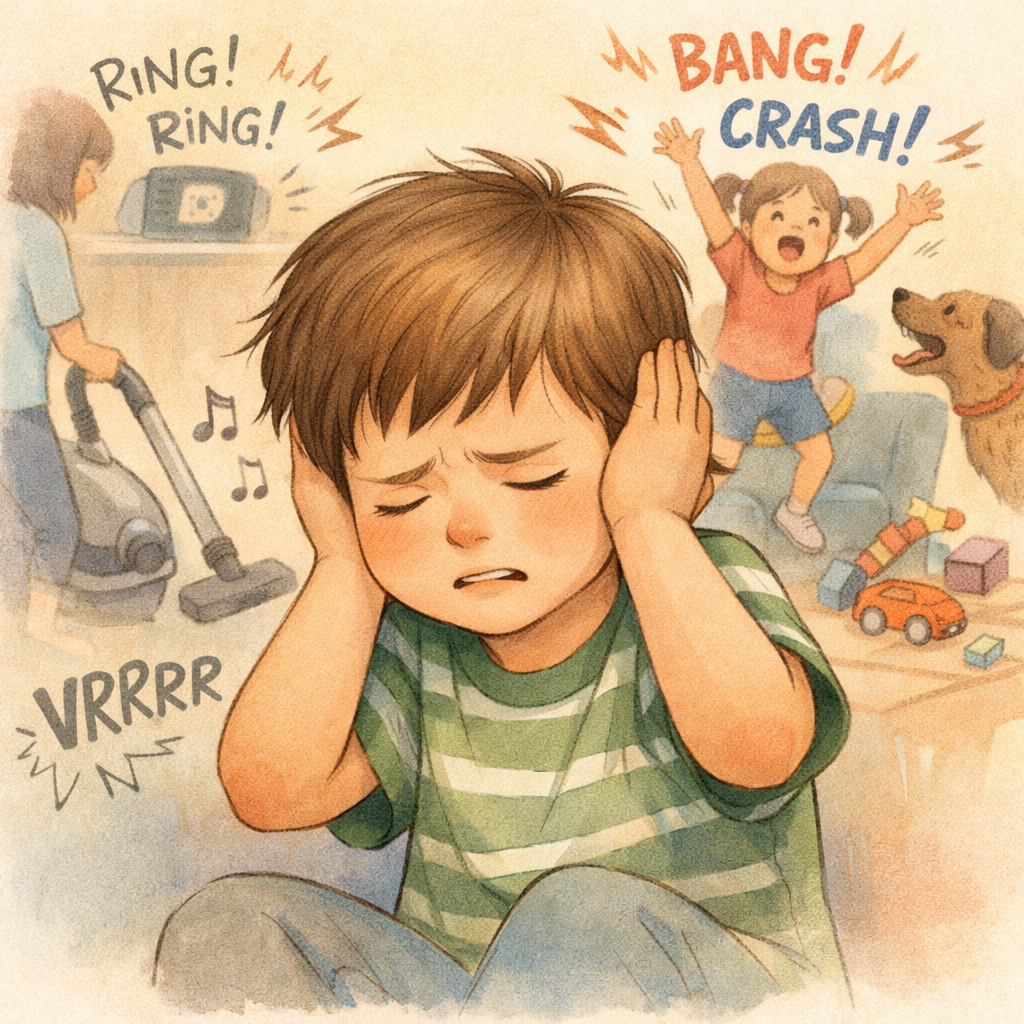
Many autistic people also experience differences in how they process sensory input. This can include being overly sensitive or under-sensitive to light, sound, touch, or temperature. Some common behavioural traits associated with this include:
- Fixating on an object or activity with unusual intensity.
- Creating specific routines and becoming upset by small changes.
- Engaging in repetitive movements like rocking or spinning.
- Having specific food preferences related to texture.
Early Signs of Autism in Children
Recognizing the early signs of autism is key to accessing support as soon as possible. In young children, symptoms often appear within the first two years of life. Some infants show signs like reduced eye contact or not responding to their name. You might notice developmental differences when comparing your child to typical developmental milestones.
A small number of children may seem to develop as expected initially but then become withdrawn, lose language skills they once had, or show other autism symptoms between 18 and 24 months. Paying attention to these early indicators and red flags at different ages can help you identify if an evaluation is needed.
Milestones and Early Indicators
During early childhood, children reach certain developmental milestones at their own pace. However, significant delays can be an early indicator of autism. For example, by 18 months of age, most children can point to show interest, but a child with autism may not.
If you have concerns about your child's development, it's important to speak with a healthcare professional. They might recommend an evaluation with a developmental pediatrician to assess for delays in language, social, or thinking skills. Your local early intervention system can also provide resources and support.
Watching for these signs is crucial. Here are some developmental milestones to keep in mind:
|
Age |
Expected Milestone |
Potential Red Flag for Autism |
|---|---|---|
|
9 Months |
Responds to their name, shows facial expressions. |
Does not respond to name, shows limited expressions. |
|
12 Months |
Uses simple gestures like waving, tries to say words. |
Does not use gestures, does not babble or try to talk. |
|
18 Months |
Plays simple pretend games, points to show interest. |
Does not engage in pretend play, does not point. |
|
24 Months |
Says two- to four-word phrases, follows simple instructions. |
Has limited speech, repeats phrases out of context. |
Recognizing Red Flags at Different Ages
As children get older, the red flags for autism may change but often still revolve around social and behavioural differences. In older children, you might notice difficulty making friends or understanding social cues like body language and tone of voice. They might interpret conversations very literally and struggle with sarcasm or humor.
In adolescents and adults, these challenges can continue. An adult might feel anxious in social situations, prefer to be alone, or find it hard to make conversation. They might also pay extreme attention to detail and become easily overwhelmed by sensory input like bright lights or loud noises.
Recognizing these signs at different ages is important because a diagnosis can be made in adulthood, even if symptoms were present earlier. Common red flags include:
- Difficulty understanding other people's perspectives.
- Having a narrow range of intense interests.
- Challenges with fine motor skills or coordination.
- Needing to follow a strict routine.
- Trouble managing emotions in social settings.
Gender Differences in Autism Symptoms
Research suggests there are gender differences in how autism characteristics present. Boys are diagnosed with autism about four times more often than girls. However, this may not reflect the true prevalence, as autism in girls may be underdiagnosed. This could be because diagnostic criteria have historically been based on symptoms more commonly seen in boys.
Some experts believe girls are better at "camouflaging" or masking their symptoms by copying the social behaviours of their peers. This can delay a diagnosis until later in life. Understanding how autism differs between genders is crucial for accurate identification and providing appropriate support that respects the preferences of the autistic community.
How Autism Differs in Boys and Girls
The presentation of autism can vary significantly between boys and girls. Boys may exhibit more externalizing behaviours, such as hyperactivity or repetitive movements, which are more easily recognized. Their interests might be more noticeably narrow or unusual, like a fascination with train schedules or a specific type of object.
In contrast, girls with autism may have stronger language skills and are more likely to internalize their emotions. They often have a stronger desire to fit in socially and may be more adept at masking their difficulties. This can involve mimicking the behaviour of their neurotypical peers in social situations, making their challenges less obvious to parents and teachers.
Recognizing Autism Spectrum Disorder in Girls
Identifying autism spectrum disorder in girls can be challenging due to their ability to camouflage their social difficulties. Girls may have interests that seem more "typical" than those of boys with autism, though the intensity of these interests is often a key indicator. For example, a girl might have an intense passion for a particular book series or celebrity.
Because of the effort spent on masking their social challenges, girls with autism may experience higher levels of anxiety and other mental health issues. They may appear shy or passive in social situations, but this can be a coping mechanism for social confusion or overload. Their social skills may seem adequate on the surface, but they might struggle to form deep, lasting friendships.
Recognizing these subtle signs is vital for ensuring girls receive a timely diagnosis and the support they need. An evaluation can help identify not only their challenges but also their personal strengths, which can be leveraged to help them thrive.
Conclusion
In conclusion, recognizing the symptoms of autism is a crucial step toward understanding and supporting those on the spectrum. By being aware of the core symptoms, early signs, and gender differences, you can foster a more inclusive environment for individuals with autism. This knowledge is not only empowering for parents and caregivers but also benefits society at large by promoting acceptance and understanding.
If you have questions or need guidance on autism symptoms, don't hesitate to reach out for consultation or call daar at 02 9133 2500 for support and resources. Together, we can create a compassionate community that embraces everyone.
Frequently Asked Questions
Are sensory sensitivities a symptom of autism spectrum disorder?
Yes, sensory sensitivities are common features of autism. Individuals may be over- or under-sensitive to sensory input like light, sound, touch, or textures. These sensory differences can lead to unique reactions, such as avoiding certain clothes or foods, and may contribute to repetitive behaviours as a way to cope.
Can autism symptoms change as someone gets older?
Autism symptoms can indeed change over time. As older children and adults learn new skills and coping strategies, the severity of these symptoms may lessen. While autism is a lifelong developmental disorder, interventions and building on personal strengths can lead to significant improvements in functioning at different ages.
What is the difference between mild and severe autism symptoms?
The difference between mild and severe autism relates to the level of support an individual needs. A formal diagnosis of autism spectrum disorder will specify the severity of these symptoms. Someone with mild autism may require less support for daily activities, while a person with severe autism may need substantial assistance.
.svg)




.svg)