
.png?width=48&height=48&name=Group%201%20(3).png)























19 August, 2026

The Importance of Behaviour Management Consultation Today
Key Highlights
- Behaviour management consultation helps families and schools understand behaviour before reacting to it.
- A behaviour consultant uses assessment findings to build a practical behaviour support plan.
- Positive reinforcement is often used to grow positive behaviour and teach new skills.
- Support can improve classroom routines, daily life, and mental health outcomes.
- Services may suit neurotypical and neurodivergent children in home and school settings.
- The process is short-term, structured, and focused on lasting changes that feel manageable.
Introduction
Behaviour management consultation is a practical way to help children with developmental disabilities succeed at home and in school. Instead of only reacting to difficult moments, it looks at why behaviours happen and what support will work best. For schools and teachers, that means clearer classroom responses, stronger routines, and better learning conditions. For families, it can support mental health and build confidence. With ideas drawn from positive behaviour support and behaviour therapy, this process helps adults respond with more clarity and consistency.
Understanding Behaviour Management Consultation
Behaviour management consultation is a structured service that helps adults understand and respond to a child’s behaviour thoughtfully. It focuses on triggers, patterns, and the child’s environment rather than quick fixes. That makes support more useful in real life.
In educational settings, this can help teachers, school staff, and families use practical strategies with greater confidence. The process usually starts with information gathering, followed by a plan that teaches new skills and supports early intervention, potentially involving NDIS funding for those eligible. The next sections explain its scope and how consultation differs from other support options.
Definition and Scope in Australian Schools and Homes
Behaviour management consultation is a short-term, structured service that explains why a child’s behaviour occurs and outlines the next steps in a detailed proposal. A consultant assesses the child’s environment and develops a behaviour support plan with clear goals and practical strategies.
In Australian schools, this service helps teachers address classroom issues, improve routines, and support learning more effectively from a young age. It also helps staff understand how behaviour relates to communication, transitions, and child development, providing clearer guidance when behaviours disrupt learning.
At home, behaviour management consultation supports daily living skills like following routines, toileting, adapting to change, and cooperating with adults. It may also align with behaviour therapy to build communication, emotional regulation, and safer habits in everyday life.
Differences Between Behaviour Management Support and Consultation
Behaviour management support and behaviour management consultation are closely linked, but they are not the same. Consultation is usually a structured, short-term process that begins with a comprehensive assessment and leads to a customized plan funded by the National Disability Insurance Agency (NDIA). Support can be broader and may continue over time in different settings.
A consultation often gives adults practical tools, clear goals, and a step-by-step response plan. Behaviour management support may include ongoing help to carry those ideas out in daily routines, schools, or therapy services, especially for children facing developmental delays. Both aim to reduce harm and teach better skills.
|
Area |
Behaviour Management Support |
Behaviour Management Consultation |
|---|---|---|
|
Main focus |
Ongoing help across settings |
Assessment-led short-term process |
|
Starting point |
Existing needs or plan |
Comprehensive assessment |
|
What is provided |
Practical tools and follow-up help |
Customized recommendations and plan |
|
Goal |
Day-to-day implementation |
Understand behaviour and guide action |
|
Approach to restrictive practices |
Seeks safer alternatives |
Helps reduce reliance through planning |
Role of the Behaviour Management Consultant
A behaviour management consultant plays a crucial role in turning concerns into a clear action plan for both neurotypical children and those with specific needs. Using behaviour analysis, they gather information about triggers, routines, and what the child may be trying to communicate through behaviour. This helps move the conversation from blame to understanding.
They also work alongside behaviour support practitioners, families, and schools to shape a behaviour support plan that is realistic and useful, such as through daar’s workshops. Their value is not just in identifying problems, but in showing adults what to do next. That teamwork becomes even clearer when looking at classroom practice.
How Consultants Work With Teachers and Students
A behaviour management consultant works with teachers by first understanding what is happening in the classroom. They look at patterns, transitions, instructions, and specific moments when the child struggles, all aimed at improving the overall quality of life for the students. This helps classroom management become more consistent and less reactive.
With students, the consultant focuses on teaching replacement skills rather than only stopping unwanted actions. This approach aligns with modern behaviour management and may include waiting, following instructions, asking for help, or handling change. These behavioural interventions are designed to support positive behaviour in ways that fit the student’s needs and learning stage.
Just as important, the consultant helps teachers use behaviour support strategies with confidence. They may guide adults on how to respond to refusal, reinforce cooperation, address picky eating, and make routines easier to follow. Schools can then expect calmer lessons, clearer responses, and better engagement over time.
Collaboration With School Staff and Parents
Strong outcomes usually depend on shared effort. That is why consultants bring school staff and parents into the same conversation. When both sides understand the child’s needs, access to practical resources, expectations become clearer, and support feels more consistent across home and school.
Parents play an active role in behaviour management consultation. They share what happens during daily routines, explain concerns, and help identify goals that matter to family life. The first step consultants take is to use behaviour support services to upskill caregivers so strategies continue outside formal sessions.
For school staff, collaboration improves communication skills and social skills while reducing mixed messages. Teachers, aides, and caregivers can all use similar responses, reinforcement, and prompts. This joined-up approach helps the child feel safer, reduces confusion, and makes positive changes easier to maintain from one setting to another.
Strategies Recommended During Behaviour Management Consultation
Strategies recommended during behaviour management consultation are based on what the child needs most to meet your family’s needs, not on a one-size-fits-all method. Consultants use positive behaviour support to understand what a behaviour is achieving and then plan better ways for the child to get that need met.
Many plans include positive reinforcement, changes to routines, and simple teaching steps drawn from behaviour therapy. These practical strategies can support cooperation, communication, and emotional regulation while respecting individual needs, often in collaboration with speech therapists. The next section looks at how these ideas are used in both schools and homes.
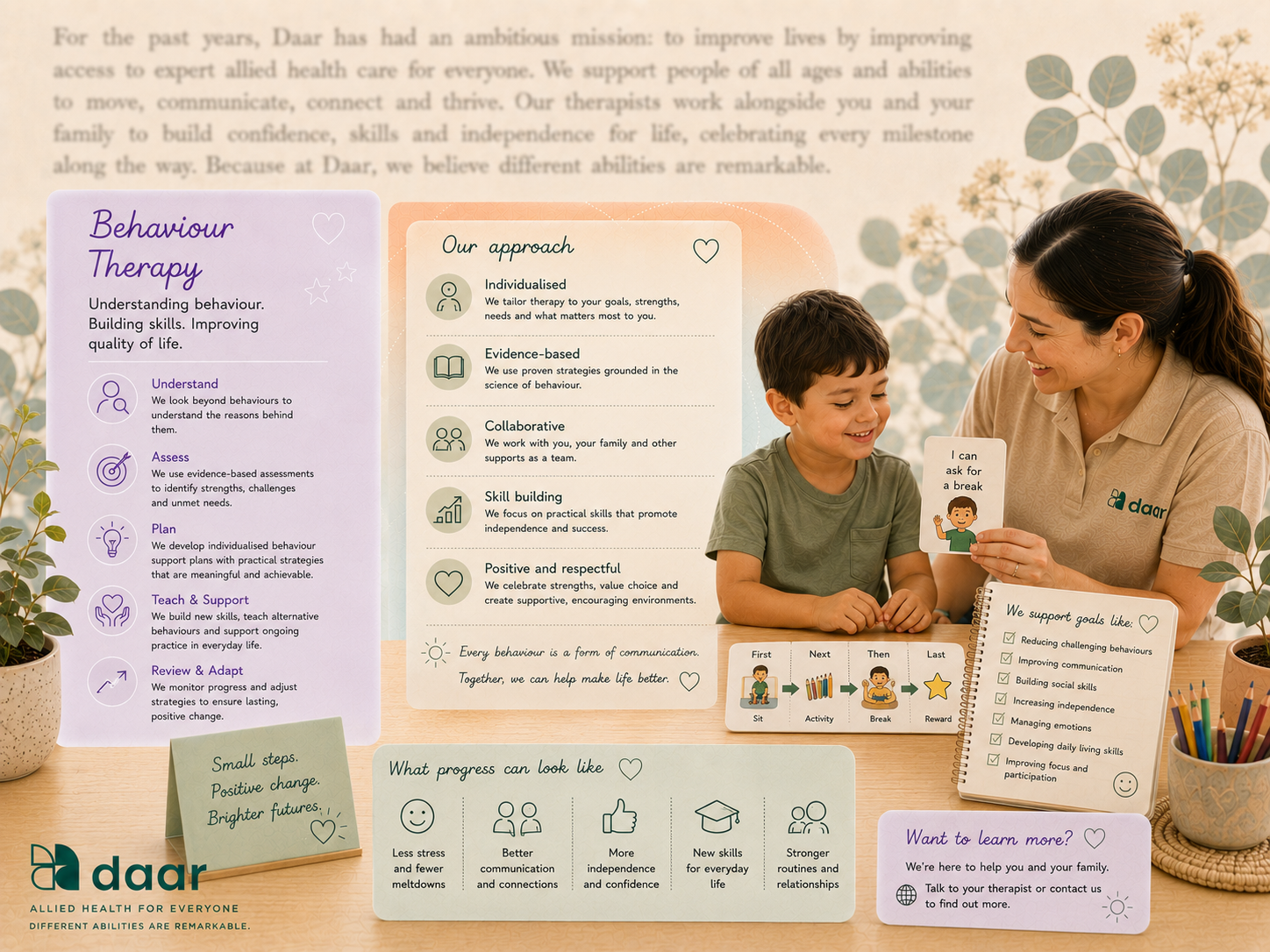
Positive Behaviour Support Techniques for Schools and Homes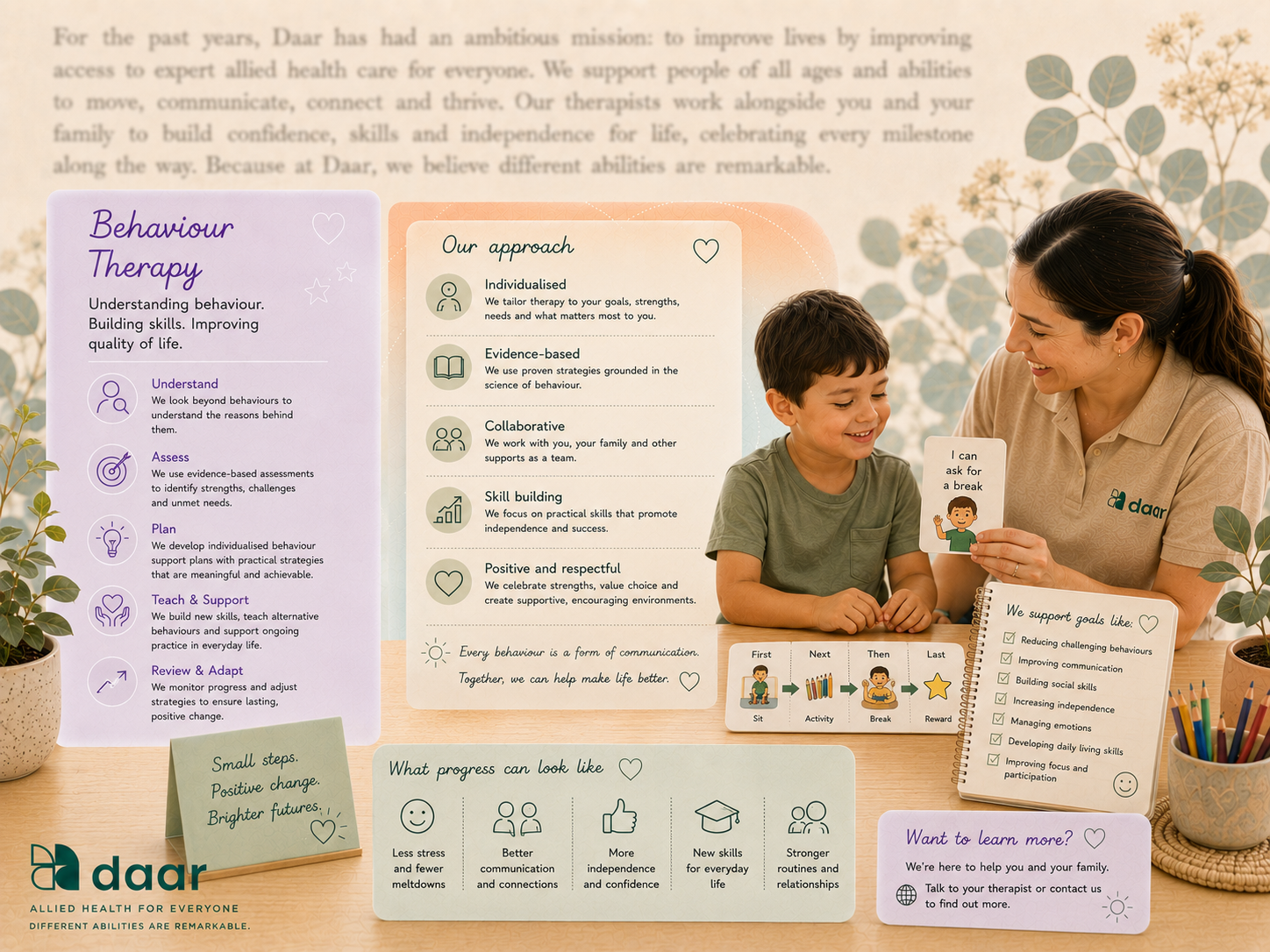
Positive behaviour support works best when adults stay proactive. In a structured consultation process, the goal is to reduce stress, teach useful alternatives, and make daily routines easier to manage. That applies in classrooms, kitchens, playgrounds, and anywhere a child spends time.
Rather than waiting for behaviour to escalate, consultants suggest practical strategies that support communication, emotional regulation, and psychological health. These strategies are usually simple, repeatable, and matched to the child’s age, goals, and environment.
- Use positive reinforcement right after the child shows the desired skill.
- Break routines into smaller steps so expectations feel clear and achievable.
- Teach alternatives such as asking for help, waiting, or requesting a break.
- Adjust transitions and tasks to lower frustration and support calmer responses.
Conclusion
In conclusion, behaviour management consultation plays a crucial role in fostering positive environments for people of all ages, including both students and educators. By understanding the unique challenges faced in schools and homes, behaviour management consultants offer tailored strategies that promote collaboration among teachers, parents, and students. The ultimate goal is to create a supportive atmosphere where positive behaviours can thrive, leading to better learning outcomes and emotional well-being.
If you’re looking for guidance in navigating behaviour management in your setting, don’t hesitate to reach out for a consultation or call daar at 02 9133 2500.
Frequently Asked Questions
What are the key components of effective behaviour management consultation?
Effective behaviour management consultation includes a comprehensive assessment of specific behaviours, clear goal setting, and a behaviour support plan built around the child’s needs. It should also teach adults practical skills and practical strategies they can use at home or school, so support stays consistent after the consultation period ends.
What role do parents play in the behaviour management consultation process?
Parents are central to behaviour management consultation because they share daily insights, help set goals, and carry early intervention support into routines outside sessions. Their communication skills and follow-through help create a supportive environment, which makes it easier for the child to practice and keep using new skills.
What are some common challenges faced during behaviour management consultations?
Common challenges include understanding complex challenging behaviours and behaviours of concern, matching strategies to individual needs, and keeping responses consistent across settings. Behaviour support practitioners also work to reduce reliance on restrictive practices by teaching safer alternatives, which can take time but supports better long-term quality of life.
.svg)




.svg)