
.png?width=48&height=48&name=Group%201%20(3).png)
























3 April, 2026

Speech Therapy for Autism: Canterbury’s Best Practices

Key Highlights
- Speech therapy services in Canterbury focus on neuro-affirming practices to support autistic children's unique communication styles.
- Early intervention is a key practice, helping young people build essential communication skills from a young age.
- Families can access NDIS funding to cover therapy services, making support more accessible for daily living.
- Therapists use various strategies, including alternative communication and social communication support, to meet individual communication goals.
- Both individual and group sessions are available to help develop confident communication and social skills.
- The goal is to make a meaningful impact by empowering children to overcome communication challenges and connect with others.
Introduction
Finding the right support for autistic children is a top priority for families in Canterbury. Speech therapy services play a vital role in helping your child navigate communication difficulties, including articulation disorders, and build essential social communication skills. A qualified speech pathologist can provide tailored support that honors your child's unique way of interacting with the world. This specialized therapy focuses on empowering autistic children, helping them express their needs and build confidence in their own way, which is crucial for healthy child development.
Best Practices Among Canterbury Speech Therapists
Canterbury speech therapists are dedicated to using the best, evidence-based practices to support children with autism. With extensive industry experience, they deliver therapy services that focus on positive behaviour support and improving social communication. Their approach is not just about addressing communication disorders; it's about nurturing overall mental health and well-being.
These professionals are committed to continuous professional growth and participation in a graduate program, ensuring they use the latest and most effective practical strategies. By focusing on your child's strengths, they create a supportive environment where your child can thrive. Let's look at some key approaches they use.
Approaches to Early Intervention
Early intervention is one of the most effective strategies in speech pathology, especially for young children. The early years are a critical period for brain development, and starting therapy at a young age can make a significant difference in addressing language delays and enhancing phonological awareness. The "wait and see" approach is no longer recommended; instead, taking early action is key.
A comprehensive evaluation helps identify your child’s communication needs, allowing therapists to create a personalized plan. The focus is to upskill caregivers, providing you with the tools and confidence to support your child’s communication at home. This collaborative approach ensures that progress continues outside of therapy sessions.
At Autism Daar, programs are designed to help children build core developmental and communication skills from a young age. This early intervention support not only improves communication but also positively impacts overall mental health and development, setting a strong foundation for the future.
Neuro-affirming Methods for Autism Support
Neuro-affirming methods are at the heart of modern autism support in Canterbury. This approach respects and celebrates neurodiversity, focusing on empowering your child’s unique way of communicating rather than trying to change it. Instead of trying to "fix" autistic traits, therapists provide social communication support that honors your child's individual style.
These methods often involve building skills in emotional regulation and self-advocacy. Occupational therapists and therapists may work alongside occupational therapy professionals to provide holistic, positive behaviour support that addresses the whole child. This ensures your child’s psychological health is prioritized throughout their journey, helping them navigate communication challenges with confidence.
Therapists also explore alternative communication (AAC) devices if needed, ensuring every child has a voice. The goal is to focus on functional communication tailored to your child’s interests, including ABA therapy strategies. The real stories from families show how this respectful and supportive approach helps children thrive authentically.
NDIS-Funded Speech Therapy Services in Canterbury
Navigating the National Disability Insurance Scheme (NDIS) can feel overwhelming, but accessing NDIS funding for speech therapy services in Canterbury is straightforward with the right support. As a registered provider, local speech therapists can help you maximize your funding to achieve meaningful goals for daily living.
Our supportive team is here to guide you every step of the way, from understanding your plan to handling the clinical side of things. Whether you need support for communication disorders or a chronic disease management plan, we make accessing high-quality speech pathology services simple.
Accessing and Navigating Funding Options
Accessing NDIS funding for speech therapy services begins with understanding your options under the National Disability Insurance Scheme. Speech pathology is typically funded under the "Capacity Building – Improved Daily Living" budget. You do not need a referral form to access NDIS services, but one is needed for a Medicare rebate under a Chronic Disease Management plan.
Our team is here to guide you every step of the way, providing practical resources to help you with your NDIS plan. We support families with all funding management types, ensuring you can focus on your child's progress. We handle the paperwork and provide detailed reports to help with plan reviews and ensure your funding is used effectively to address communication difficulties and stay informed with the latest updates.
Here’s a look at the different NDIS funding management types we support:
|
Funding Management Type |
How It Works |
|---|---|
|
NDIA-Managed |
The NDIA pays your providers directly on your behalf. |
|
Plan-Managed |
A plan manager pays your providers for you from your NDIS funds. |
|
Self-Managed |
You pay your providers directly and then claim reimbursement from the NDIA. |
Eligibility Criteria for Autistic Children
To access the National Disability Insurance Scheme (NDIS), autistic children generally need to meet specific eligibility criteria. The scheme is designed for individuals with a permanent and significant disability that affects their ability to take part in everyday activities. A diagnosis of Autism Spectrum Disorder often meets these requirements.
The process typically involves providing important information and evidence of your child's diagnosis and how their condition impacts their daily living. This can include reports from pediatricians, psychologists, and speech pathologists. The goal is to show that your child requires ongoing therapy services to build practical skills and achieve their communication goals.
Once approved, your child’s NDIS plan will be tailored to their individual needs. This funding can be used for a range of supports, including speech therapy, to help them develop skills that improve their participation in the community and at home.
Effective Strategies Used in Autism Speech Therapy
Speech therapists use a variety of practical strategies to support autistic children. These therapy services are tailored to each child's unique communication skills and language skills challenges. Rather than a one-size-fits-all approach, sessions are designed to be engaging and effective, addressing everything from speech sounds to complex communication needs.
Therapists work on building functional communication, which may include verbal speech, social skills, or alternative communication methods. They often collaborate with occupational therapy professionals to provide comprehensive support. Below, we'll explore some specific techniques for verbal and non-verbal communication, as well as the differences between group and individual sessions.
Techniques for Verbal and Non-Verbal Communication
Therapists use a range of techniques to support both verbal and non-verbal communication in autistic children, including older children. The focus is always on functional and respectful strategies that build practical skills for social communication. For children with verbal communication, therapy might focus on building vocabulary, sentence structure, and conversational skills.
For non-verbal children or those with significant communication difficulties, alternative communication (AAC) is a powerful tool. This can include sign language, picture exchange systems, or high-tech speech-generating devices. The goal is to give every child a way to express their needs, thoughts, and feelings.
Rather than forcing unnatural behaviors like constant eye contact, neuro-affirming therapy teaches children to understand and use social cues in a way that feels comfortable to them. Some techniques include:
- Using play-based activities to model turn-taking in conversations.
- Employing social stories to explain social situations and expectations.
- Role-playing to practice social skills in a safe environment.
- Introducing AAC devices tailored to the child's interests.
- Focusing on emotional regulation to manage communication-related stress.
- Building self-advocacy skills so children can express their own needs.
Group vs. Individual Sessions Explained
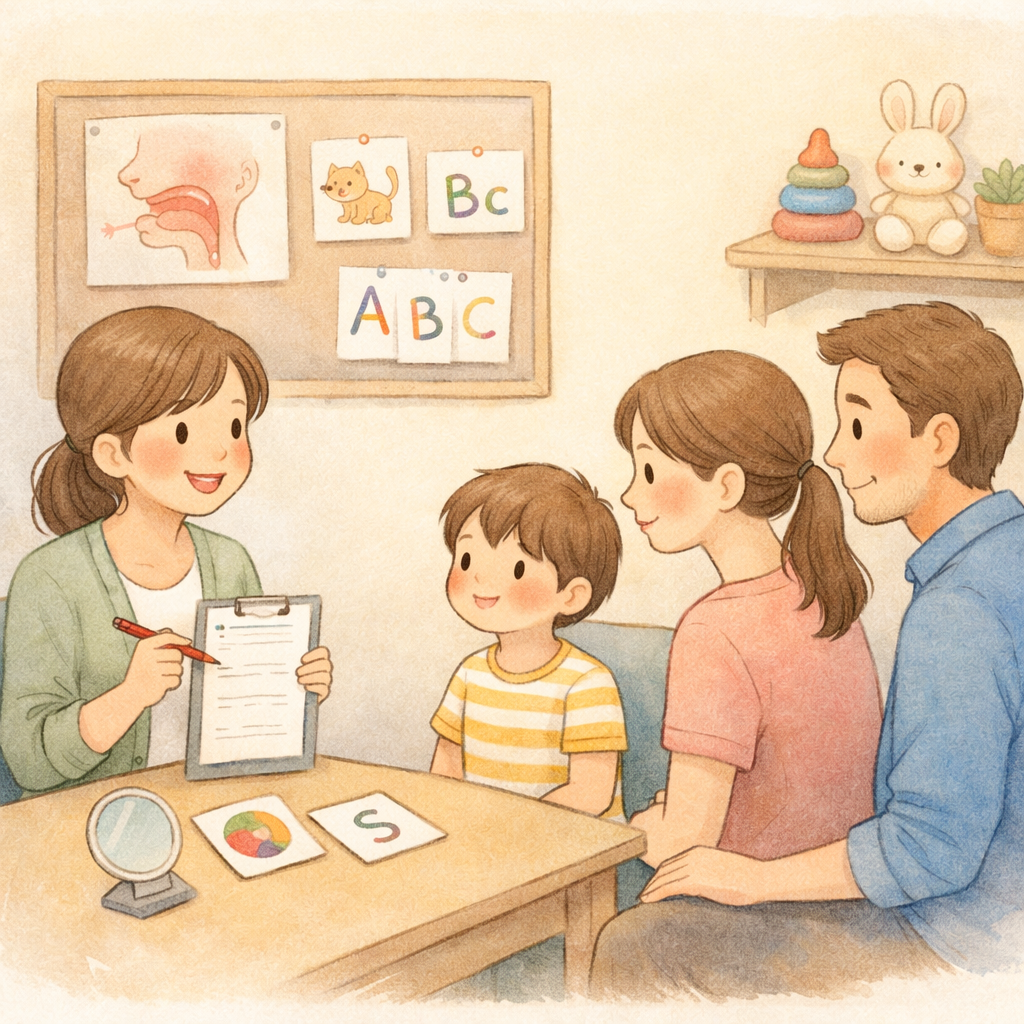
Deciding between group sessions and individual sessions depends on your child’s specific communication goals and needs. Both formats offer unique benefits for building social communication skills and confident communication. Individual sessions provide one-on-one attention from a therapist, allowing for a highly personalized approach.
Group sessions, on the other hand, create a natural environment for practicing skills with peers. This setting is ideal for children who are ready to work on turn-taking, conversation, and other aspects of social interaction. These workshops, known as daar’s workshops, are designed for people of all ages and can be a powerful way to build confidence in daily living situations.
Your therapist will help you decide which option is best. Many children benefit from a combination of both.
- Individual sessions: Ideal for initial assessments and targeting specific, intensive goals.
- Group sessions: Excellent for practicing social skills with peers in a structured setting.
- Individual sessions: Allow for a tailored pace that matches your child's learning style.
- Group sessions: Help children generalize skills to real-world social situations.
- Individual sessions: Provide a quiet, focused environment with fewer distractions.
Conclusion
In conclusion, understanding the best practices for speech therapy in autism is crucial for parents seeking effective support for their children. With a combination of early intervention, neuro-affirming approaches, and tailored techniques, speech therapists in Canterbury are equipped to foster communication skills, including clear speech, in both verbal and non-verbal contexts. Emphasizing the importance of choosing the right setting—whether group or individual sessions—ensures that each child receives the most beneficial experience. By navigating funding options through NDIS and acknowledging eligibility criteria, families can access the resources they need.
If you're ready to take the next step in supporting your child's communication journey, don't hesitate to reach out for a consultation or call 02 9133 2500 to professionals who can guide you.
Frequently Asked Questions
How do I find a qualified speech therapist for my autistic child in Canterbury?
To find qualified speech therapists in Canterbury, you can search online for local speech pathology clinics with industry experience in autism. You don't need a referral form to book an assessment. Look for providers who are NDIS-registered and who focus on personalized communication goals for your child.
What qualifications should a speech therapist have to work with autistic children?
A qualified speech pathologist should have a university degree in speech pathology and be a member of Speech Pathology Australia. Look for a therapist who includes family members in their treatment approach and has experience in communication disorders related to autism, a commitment to professional growth, and training in neurodiversity-affirming practices to provide the best speech pathology services.
How does early intervention speech therapy help autistic children in Canterbury?
Early intervention in speech pathology can make a meaningful difference for autistic children by taking advantage of critical periods in child development. Starting therapy early helps children build foundational communication skills, enhances cognitive skills, learn new skills more easily, and can reduce challenges with language and social interaction later in life.
.svg)




.svg)