
.png?width=48&height=48&name=Group%201%20(3).png)























24 September, 2026

Child Behaviour Management: Strategies That Really Work

Key Highlights
- Young children often use behaviour to communicate needs, stress, or strong emotions.
- A child’s behaviour usually improves when adults teach new skills instead of only reacting to problems.
- Positive behaviour support focuses on understanding triggers, building positive behaviour, and using a clear plan.
- Positive discipline works better than physical punishment because it teaches what to do next.
- Consistency across home, school, and caregivers helps children handle similar situations more calmly.
- Early support can strengthen communication, emotional skills, and long-term mental health.
Introduction
Understanding your child’s behaviour can feel hard, especially when daily routines are already full. Still, behaviour is often communication, not just “misbehaviour.” When you look at what your child may be trying to say or avoid, your response becomes more useful. Positive behaviour support gives families a practical way to reduce stress, teach better skills, and improve participation at home and school. It can also protect mental health by replacing repeated conflict with calmer, more supportive responses.
Identifying Challenging Behaviour in Children
Challenging behaviour in young children can look loud and sudden, but it usually has a purpose. A child may be trying to get attention, escape a hard task, reach a preferred activity, or manage discomfort.
School-aged children can show the same patterns for similar reasons. Many still need new skills in communication and emotional skills to handle a range of emotions. When you ask what causes challenging behaviour in school-aged children, the answer is often a mix of triggers, stress, and unmet needs.
Common Types of Challenging Behaviour
Challenging behaviours in toddlers and young children often arise during transitions, limits, noise, or demands. Many kids under five are still learning to express their needs, so tantrums can happen before they have words. Strong emotions may quickly turn into action.
Common patterns include:
- Tantrums or meltdowns: crying, screaming, or collapsing
- Aggression: hitting, kicking, biting, or throwing objects
- Refusal: resisting tasks like dressing, brushing teeth, or leaving for school
- Upset over preferred items: screens, toys, or snacks
These behaviours are common in all children but may be more frequent or intense in kids with ADHD, autism, or other developmental differences. The focus should be on understanding what the behaviour communicates for the child—not on labels.
Causes and Triggers in Australian School-Aged Children
A child’s behaviour is influenced by past experiences, current consequences, and what they’ve learned from similar situations. According to learning theory, children repeat actions that have worked before—like crying for attention or refusing tasks to avoid them.
For school-aged kids, triggers can include demands, sensory discomfort, transitions, or unwanted activities. Some behaviours stem from difficulty asking for help, a break, or something they want. Others may signal stress or an underlying physical issue.
Mental health also plays a role. That’s why it’s important to consider the whole context. Instead of asking “What’s wrong?” ask “What is this child’s behaviour trying to communicate or achieve?”
The Importance of Positive Behaviour Support
Positive behaviour support is helpful because it looks beyond the behaviour itself. It asks why the behaviour happens, what triggers it, and what skill the child needs instead. That makes support more respectful and more useful.
A strong behaviour support plan is built with the family and support team, then used in everyday settings where the behaviour actually happens. This approach aims to increase positive behaviour, improve wellbeing, and help children join in more fully. The next sections break down what makes positive behaviour support work so well.
Core Components of Positive Behaviour Support
Positive behaviour support is individualised and comprehensive. It starts with assessment, often including checks for physical causes and a functional assessment to understand what the child gains or avoids through behaviour. From there, the family and support team build practical steps.
A good behaviour support plan usually includes trigger reduction, teaching communication or daily living skills, and clear adult responses. It is used by the people around the child every day. The goal is not just fewer incidents. It is better quality of life.
|
Component |
What it involves |
|---|---|
|
Assessment |
Looking at health, context, and patterns in behaviour |
|
Plan development |
Reducing triggers and teaching replacement skills |
|
Daily implementation |
Using the plan in natural settings like home and school |
|
Review |
Checking progress and adjusting supports |
|
Team input |
Family, child’s teachers, therapists, and at times certified behaviour analysts |
Benefits of Positive Strategies Over Punishment
Effective strategies for managing challenging behaviour in children aged 0-10 focus on teaching, preventing, and reinforcing positive actions. Positive discipline guides children with clear expectations, while punishment may stop behaviour temporarily but doesn’t teach better alternatives.
Positive approaches work best because they:
- use reinforcement for cooperation and calmness
- rely on simple rules and predictable responses
- offer specific praise, like “great job putting on your shoes”
- build communication and coping skills
Many families move away from physical punishment. By rewarding progress, reducing triggers, and staying consistent, adults help children adopt safer, more constructive behaviours—leading to lasting change rather than a temporary fix.
Early Intervention Methods for Young Children
Early intervention matters because the early years are when children are building communication, self-control, and everyday habits. If support begins early, it is often easier to shape better patterns before difficult responses become deeply learned.
Support also works best when adults around the child work together. A shared approach across home, child’s teachers, and other professionals can improve a child’s behaviour and reduce family stress. For some children, early help can also support learning, participation, and mental health in a meaningful way.
Techniques for Toddlers and Preschoolers
Toddlers and preschoolers often struggle with waiting, transitions, and hearing “no.” Common behaviour management challenges with toddlers and young children include meltdowns over screens, dressing, tooth brushing, and leaving preferred activities. These moments are easier when adults stay proactive.
Helpful techniques include:
- redirection toward a different activity before frustration grows
- visual supports such as First-Then language or simple schedules
- timers and warnings for changes in routine
- offering closed choices to give control within limits
- protecting rest, since fatigue or a missed nap can lower coping
What makes these tools work is consistency. When children know what comes next and what adults will do, positive behaviour becomes more likely. Small changes in routines can prevent many daily blowups before they begin.
Evidence-Based Approaches for Children with Autism
For children with autism, recommended early behaviour intervention methods include approaches based on applied behaviour analysis and positive behaviour support. These methods use learning theory to understand why behaviour happens and to teach safer, more effective ways to communicate and participate.
Research described as a synthesis of research evidence has supported several practices for autism and other developmental disabilities. Positive behaviour support grew from ABA but is more person-centered and family-centered. That means it should work with a child’s strengths, goals, and natural environments.
Evidence suggests these approaches can reduce aggression, meltdowns, and disruptive behaviour while improving school performance, asking for needs, and sharing information. The best results usually come when families are trained, involved, and able to practice the plan every day.
Practical Strategies for Parents and Caregivers
Parents often ask for simple parenting tips for dealing with difficult behaviour in children. The most useful ones are usually small, steady actions that match the reason behind the behaviour. That is where positive behaviour support can help.
Whether you are a caregiver, grandparent, or child care provider, your response shapes what happens next. When adults stay predictable, notice success, and reduce triggers, a child’s behaviour often becomes easier to manage. The next sections focus on routines, communication, and what to do during hard moments.
Building Consistent Routines at Home
Caregivers can help children with behaviours of concern by making daily life more predictable. Routines reduce the number of surprise demands and help children know what is expected. That lowers stress and supports positive discipline.
At home, try to keep these parts steady:
- wake-up, meals, and bedtime in a reliable order
- transitions supported by warnings, timers, or visuals
- less preferred tasks before high-interest activities
- the same adult response to the same behaviour whenever possible
Consistency does not mean being harsh. It means the child’s behaviour meets a familiar response each time. Over a long term period, that clarity supports positive behaviour because children learn the pattern. When routines are simple and repeated, cooperation often grows without constant reminders.
Effective Communication and Setting Boundaries
Children regulate better when adult directions are easy to follow. If you want to support your child to regulate their own behaviour, start with calm, clear communication. Go to your child’s eye level, use brief language, and make sure the expectation is easy to understand.
Useful habits include:
- getting eye contact before giving a direction when possible
- speaking at the child’s eye level instead of across the room
- using simple rules with only a few words
- praising follow-through with specific feedback like “great job putting your cup away”
Setting boundaries works best when choices are limited and realistic. Instead of saying only “no,” offer approved options. This lowers power struggles and helps children practice decision-making. Over time, clear limits and calm wording can support better self-control in everyday situations.
Responding to Aggression and Emotional Outbursts
When aggression happens, your first job is safety. Parents should respond to aggressive behaviour in children by staying calm, keeping language brief, and stepping in if there is a risk of injury. In the heat of the moment, long talks usually do not help.
Try these steps:
- block unsafe actions and move dangerous items away
- reduce demands and extra attention if attention is fueling the outburst
- prompt simple coping such as deep breaths when the child can hear you
- offer a break or space change before behaviour grows bigger
- talk later, once the child is calm enough to learn
After the incident, look for early warning signs like whining, tension, or tearfulness. Aggression often starts before the hit or kick. If you catch the first signs of sadness, frustration, or overload, you can redirect sooner and prevent escalation next time.
Role of Environment in Shaping Behaviour
Environment plays a major role in a child’s behaviour management because behaviour does not happen in isolation. What the child sees, hears, expects, and can access at home or in a school setting can make calm behaviour easier or harder.
A supportive environment reduces triggers and helps children succeed before conflict begins. That might mean changing the order of activities, limiting access to problem items, or making expectations more visible. When the environment fits the child better, the child’s behaviour often improves with less stress for everyone.
How to Create a Supportive Home and School Setting
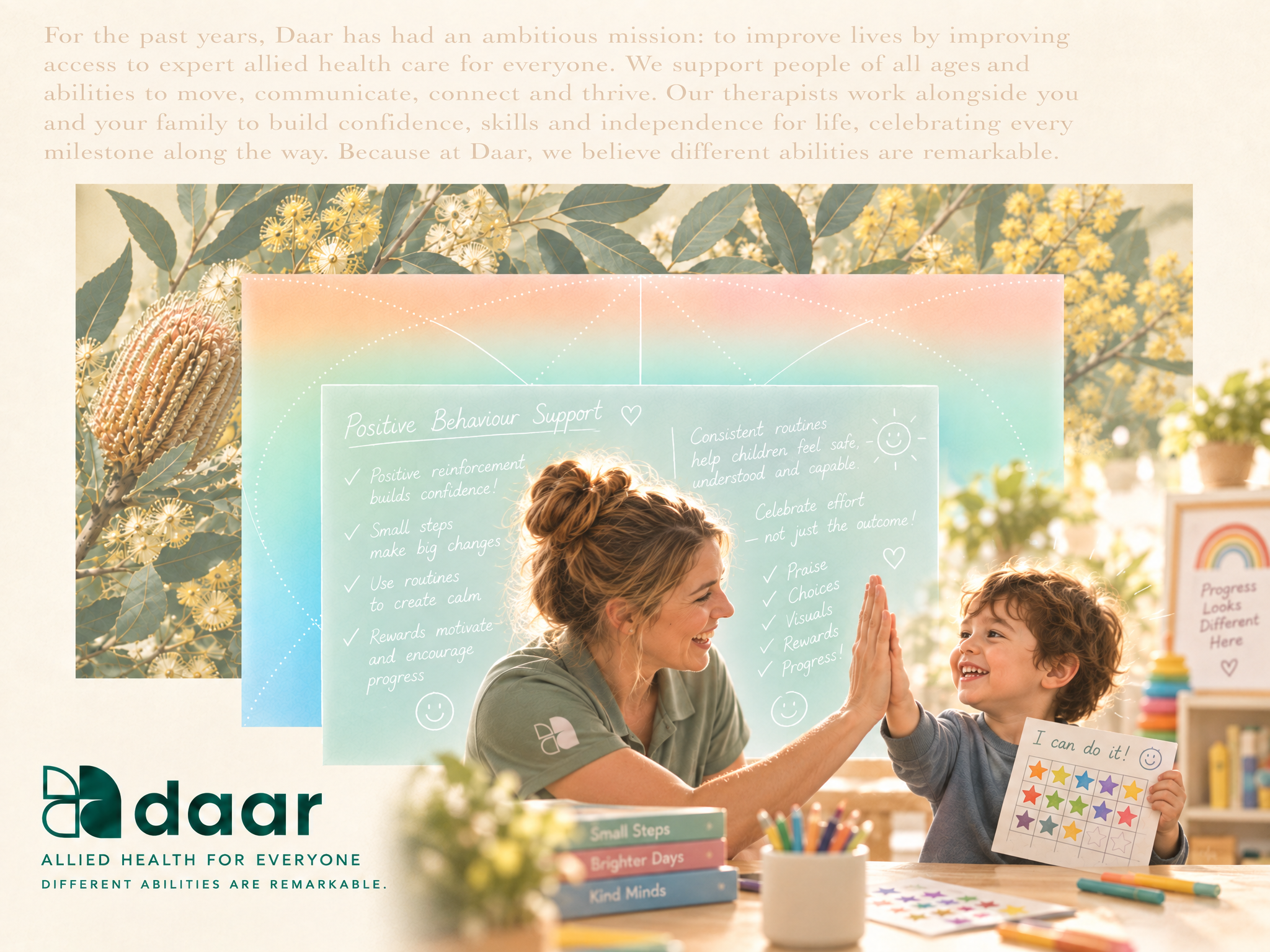
A supportive home and school setting helps children handle similar situations with more success. The goal is to make good choices easier and problem behaviour less useful. Small setup changes can have a big effect.
Focus on practical supports such as:
- keeping high-conflict items out of sight when possible
- using visual schedules so children know what comes next
- arranging tasks so harder activities happen before preferred ones
- giving warnings before transitions and changes
- keeping adult responses similar across home and school
This matters because the child’s behaviour is shaped by everyday experiences. If adults in both settings respond in a predictable way, children learn faster. Supportive spaces do not remove all problems, but they can lower stress, increase participation, and make teaching new skills much easier.
Conclusion
In conclusion, effective child behaviour management is essential for fostering a nurturing environment where children can thrive. By identifying challenging behaviours, implementing positive behaviour support strategies, and creating consistent routines, parents and caregivers can significantly improve their children's emotional regulation and overall well-being. Remember, the goal is not just to correct behaviour but to understand the underlying causes and provide support that encourages growth.
If you are seeking personalised guidance to navigate these challenges, consider reaching out for a consultation or call daar at 02 9133 2500. Together, we can build a brighter future for your child.
Frequently Asked Questions
What should I do if my child continues to misbehave despite strategies?
If your child’s challenging behaviour continues, ask for a fuller review. Speak with your child’s teachers, your GP, and any current support team members. A formal behaviour support plan may be needed, and some families may also explore help through the NDIS if that applies to their situation.
How can I help my child regulate their emotions?
Help your child practice emotional skills before hard moments happen. Use simple coping tools like deep breaths, clear routines, and calm prompts. Notice early signs of strong emotions and respond early. If needed, work with a support team so the same strategies are used consistently around your child’s behaviour.
When should I seek professional help for my child’s behaviour?
Seek professional help when your child’s behaviour is frequent, intense, unsafe, or affecting learning, family life, mental health, or quality of life. Support may come from psychologists or certified behaviour analysts. Guidance from pediatric professionals, including standards linked to the American Academy of Pediatrics, can also help direct next steps.
.svg)




.svg)