
.png?width=48&height=48&name=Group%201%20(3).png)























17 February, 2026

Speech Therapy for Toddlers: Unlocking Your Child's Voice
There is perhaps no milestone more eagerly anticipated than a child’s first words. We dream of the day they look up and say "Mama" or "Dada," or excitedly point to a dog and shout "Puppy!"
But for many parents, that anticipation can slowly turn into anxiety. You might notice other children at the park chatting away while your little one stays silent. You might find yourself answering for them when strangers ask questions or feeling a pang of worry every time you read a "milestone checklist."
If this sounds familiar, you are not alone. Speech and language delays are among the most common developmental delays in young children.
The good news? Help is available, and it is incredibly effective. Speech therapy for toddlers is not about forcing a child to speak; it is about giving them the tools to connect with the world around them.
In this guide, we will demystify the world of speech therapy, explain what early intervention actually looks like (hint: it looks a lot like play!), and empower you with strategies to support your child’s communication journey at home.
When Should You Seek Help?
"Wait and see" is a phrase many parents hear from well-meaning friends or relatives. "Einstein didn't talk until he was four!" they might say. While it is true that every child develops at their own pace, waiting too long can mean missing a critical window for brain development.
So, when should you consider speech therapy for toddlers?
Here are some red flags that suggest an evaluation by a Speech-Language Pathologist (SLP) is a good idea:
- By 12 Months: Your child isn't using gestures like pointing, waving bye-bye, or shaking their head "no."
- By 18 Months: They prefer gestures over vocalizations to communicate and have trouble imitating sounds.
- By 2 Years: They have a vocabulary of fewer than 50 words and aren't putting two words together (e.g., "more milk" or "daddy go").
- Any Age: They seem to have trouble understanding simple instructions (e.g., "Go get your shoes").
Trust your gut. You know your child best. If you feel like they are struggling to communicate their wants and needs, seeking a professional opinion is the best proactive step you can take.
What Does Speech Therapy for Toddlers Look Like?
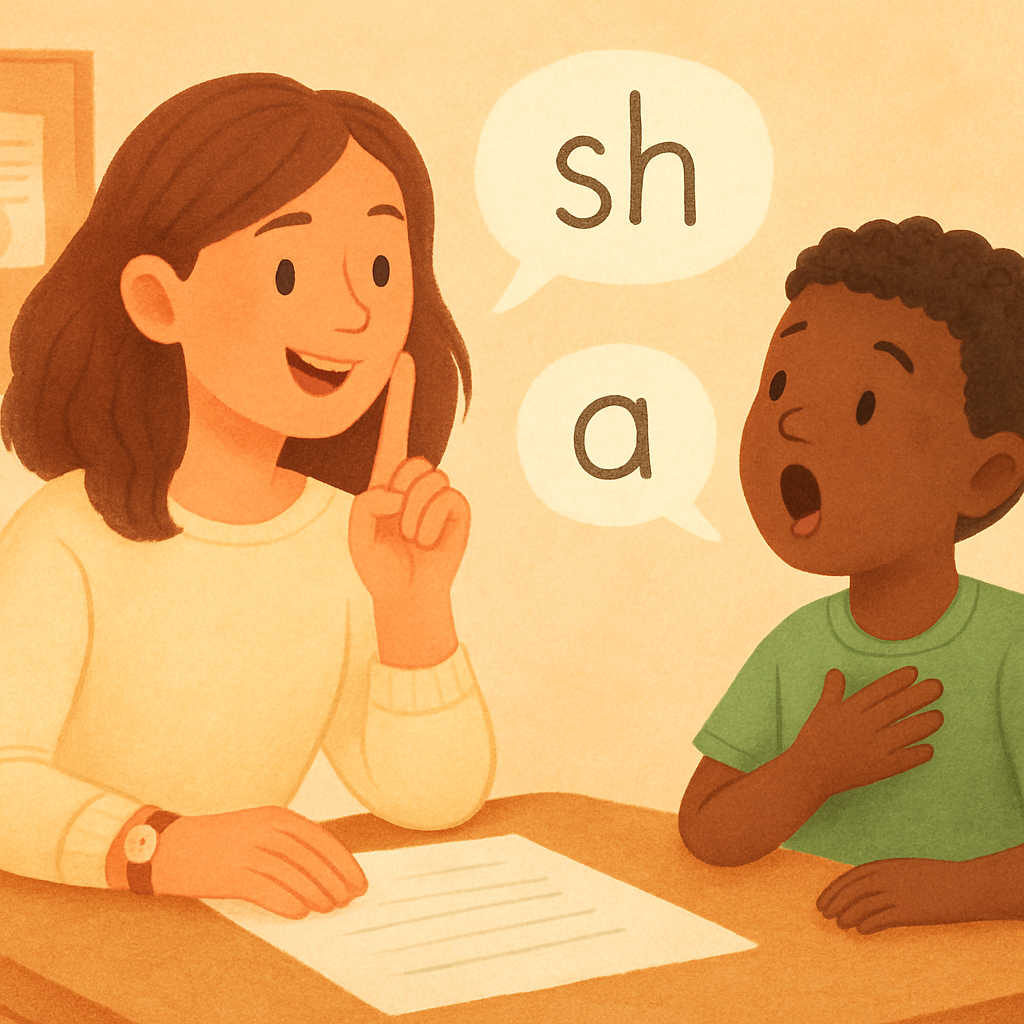
If you are picturing your energetic two-year-old sitting at a desk doing drills, erase that image immediately! Speech therapy for toddlers is designed to be fun, engaging, and active.
For young children, play is learning. A typical session might involve:
- Floor Time: The therapist will get down on the floor with your child’s favorite toys—cars, blocks, dolls, or bubbles.
- Following the Lead: Instead of forcing the child to do a specific task, the therapist follows the child's interest. If the child picks up a car, the therapist might model words like "Vroom!", "Go!", "Stop!", or "Fast!"
- Sabotage (The Fun Kind): The therapist might put a favorite toy in a clear, tightly closed jar. This creates a "communication temptation," motivating the child to ask for help (using a word, a sign, or a picture) to get it open.
The goal of speech therapy at this age is to build the foundational skills of communication: joint attention (looking at the same thing together), turn-taking, and imitation.
Speech vs. Language: Understanding the Difference
When you start speech therapy, you might hear your therapist talk about "speech" and "language" as two different things. It is helpful to understand the distinction:
1. Speech
This refers to the physical ability to produce sounds. It involves the coordination of the jaw, lips, tongue, and vocal cords.
- A speech delay might look like a child who talks a lot, but whose words are garbled or hard to understand (e.g., saying "tat" for "cat").
2. Language
This refers to the system of words and symbols used to convey meaning. It includes Receptive Language (what a child understands) and Expressive Language (what a child says).
- A language delay might look like a child who has perfect pronunciation but only uses single words, or a child who doesn't seem to understand what you are saying to them.
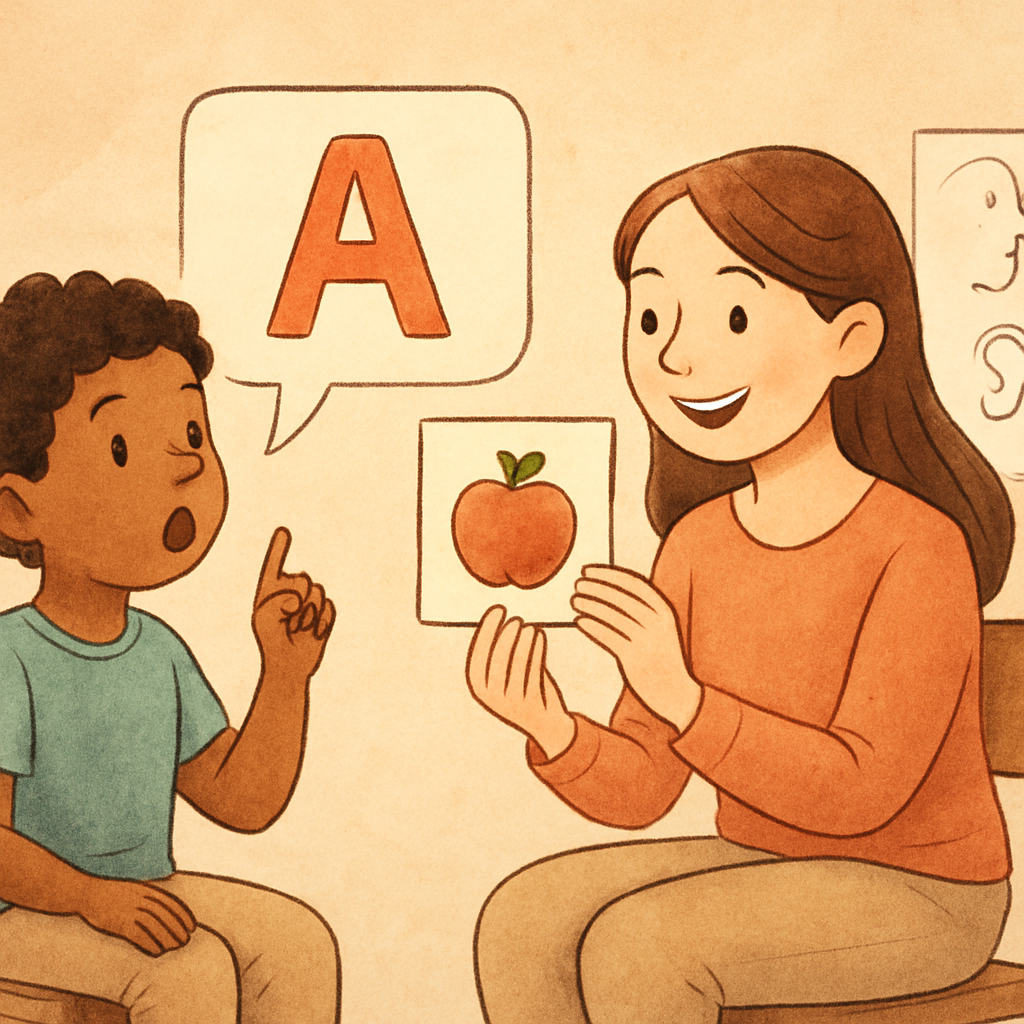
Speech therapy for toddlers addresses both. Whether your child needs help making the "B" sound or learning how to ask for a cookie, a tailored therapy plan will target their specific needs.
The Power of Parent Involvement
Here is the secret to successful therapy: You are the most important therapist your child will ever have.
A Speech Pathologist might see your child for 45 minutes a week. You are with them for the other 10,000 minutes. That is why modern speech therapy focuses heavily on parent coaching.
Your therapist will teach you strategies to use during bath time, meal time, and car rides. They will show you how to:
- Narrate Your Day: "Mummy is washing the cup. Wash, wash, wash. Now the cup is dry!"
- Expand Their Words: If your child says "Dog," you say "Yes, big dog!" or "Running dog!"
- Wait: This is the hardest one! Ask a question or make a comment, and then wait 5-10 seconds. This gives your toddler's developing brain time to process and formulate a response.
Conclusion
Communication is the bridge between your child and the world. It is how they share their wants, their needs, their fears, and their love.
When that bridge is under construction, it can be frustrating for everyone involved. But with the right support, patience, and a little bit of fun, that bridge can be built strong and sturdy.
Speech therapy for toddlers is about more than just words. It is about connection. It is about seeing the light in your child's eyes when they finally realize, "Hey, I said something, and you understood me!"
Don't wait for the "right time." If you have concerns, the right time is now.
If you are concerned about your toddler’s speech or language development, we are here to help. Our team of compassionate, experienced Speech-Language Pathologists specializes in speech therapy for toddlers.
Contact us today to schedule a consultation or call daar at 02 9133 2500 for initial evaluation and take the first step toward confident communication.
FAQ: Common Questions for Parents
How long does speech therapy take?
There is no set timeline. It depends on the severity of the delay, the child's age, and consistency of practice at home. Some children need a few months of support to "jumpstart" their skills; others may need support for a few years.
My toddler doesn't talk at all. Can we still do therapy?
Absolutely. In fact, this is the best time to start. Speech therapy often begins with pre-verbal skills like making eye contact, pointing, and using simple sign language. These are the building blocks that must be in place before words can come.
Is a speech delay a sign of Autism?
Not necessarily. While speech delays are common in children with Autism, they can also be caused by hearing issues (like chronic ear infections), oral-motor problems, or simply be an isolated "expressive language delay." An assessment will look at the whole picture, including social skills, to determine the cause.
.svg)




.svg)