
.png?width=48&height=48&name=Group%201%20(3).png)























25 August, 2026

Anger Management for Children: Tools for Emotional Growth
Key Highlights
- Anger management helps you guide your child’s anger in safe, healthy ways.
- Young children may have tantrums, but ongoing aggressive behaviour can signal behaviour problems.
- Strong emotion regulation and coping skills can reduce angry outbursts at home and school.
- Simple tools like visual aids, deep breathing, and calm-down spaces support mental health.
- Parents play a big role through coaching, routines, and positive reinforcement.
- If anger stays intense or lasts beyond a child’s stage, professional support may help.
Introduction
Anger is a natural emotion, but a child’s anger can feel hard to manage when it turns into yelling, hitting, or frequent tantrums. You may wonder what is normal and what needs more attention. That is where anger management can help. It gives children healthy ways to understand feelings, calm their bodies, and respond better in difficult moments. With the right support, you can help your child build skills that protect relationships, learning, and everyday wellbeing.
Beginner’s Guide to Anger Management for Children
Anger management for children starts with one goal: helping your child notice feelings early and respond in safer ways. Effective strategies often include naming emotions, spotting triggers, and practicing simple emotion regulation strategies before anger grows.
Many behaviour problems improve when children learn coping skills like deep breathing, calming routines, and better ways to express frustration. These tools also support mental health. The next sections walk you through practical resources and steps you can begin using at home.
What You’ll Need to Get Started: Tools and Resources
You do not need a long list of supplies to begin. A few simple tools can make emotion regulation strategies easier for children to understand and practice. The aim is to help your child recognize feelings, slow down, and choose a better response.
Helpful items may include:
- Visual aids such as a feelings chart or emotion thermometer
- A picture book that names emotions in simple language
- A quiet calm-down space with soft, comforting items
- Prompts for deep breathing exercises your child can remember
If anger stays intense or affects daily life, extra support may be useful. A clinical psychologist or local mental health center can assess what is driving the behaviour and help build social skills. For some families, outside guidance adds structure and makes home practice feel more manageable.
Step-by-Step Guide to Anger Management Techniques
A clear routine helps children know what to do when anger rises. Good anger management teaches emotion regulation in small steps. First, help your child notice what they feel. Next, use a calming tool. Then talk through what happened and what to try next time.
Here is a simple text table you can follow at home:
|
Step |
What to do |
|---|---|
|
Notice |
Name the feeling and signs in the body |
|
Pause |
Take deep breaths or step into a calm-down space |
|
Relax |
Try progressive muscle relaxation or a quiet sensory break |
|
Reflect |
Talk about healthy ways to express frustration |
|
Practice |
Use role-play, a method often used in cognitive behavioural therapy |
These techniques work best with repetition. You are not trying to stop all anger. You are helping your child respond with more control, safer choices, and better communication during hard moments.
Step 1: Identifying Emotions and Triggers
Start by helping your child connect emotions to behaviour. Many children act before they can explain what they feel. Young children may show feelings of anger through crying, stomping, kicking, hitting, or pushing. Older kids may become argumentative, loud, or withdrawn.
Watch for early signs of anger. These can include a sharper tone of voice, clenched fists, tense muscles, fast breathing, or saying things are unfair. Spotting these signs of anger early gives you a chance to step in before aggressive behaviour grows.
Triggers matter too. Common triggers include frustration, being told no, being asked to do something they do not want to do, stress, changes in routine, and overstimulating settings. In some cases, anger can also appear alongside other mental health concerns, which is why patterns over time are important.
Step 2: Teaching Coping Skills and Calming Strategies
Once your child can spot anger, the next step is teaching what to do with it. Coping skills give children healthy ways to slow down and recover control. Keep the tools simple, repeat them often, and practice them outside stressful moments.
You can teach skills such as:
- Deep breathing exercises, like slow breaths in and out
- Physical activity to release tension in safe ways
- Using visual aids to point to a feeling instead of yelling
- Taking a break in a calm-down space before talking
- Learning words to express anger without hurting others
During explosive moments, focus on safety first. Wait until the intensity drops, then review what happened. Over time, these emotion regulation habits can help your child feel more capable, less overwhelmed, and better able to handle frustration.
Strategies for Parents: Supporting Your Child Through Anger
Your response shapes how anger management works at home. When your child’s anger rises, calm support, clear limits, and steady routines can lower conflict. Children learn emotion regulation best when adults model it in real time.
Positive reinforcement is especially helpful. It shifts attention toward what your child is doing right instead of only reacting to mistakes. This supports behavioural wellbeing and creates a better setting for the family strategies below.
Emotion Coaching and Positive Reinforcement
Emotion coaching involves noticing, naming, and helping your child manage their feelings. This reduces shame and turns challenges into learning opportunities, easing family tension by making your child feel heard.
At home, try:
- Listening empathetically and validating feelings
- Helping your child identify specific emotions
- Praising calm words and coping strategies
- Setting consistent consequences for unsafe behaviour
- Practicing emotion regulation through role-play
Over time, this approach improves behaviour as children develop social skills and clear expectations. If progress is slow, mental health support can add structure. Parent strategies and child therapy often work best together, addressing both sides of the interaction.
Approaches for Preschoolers and Older Kids
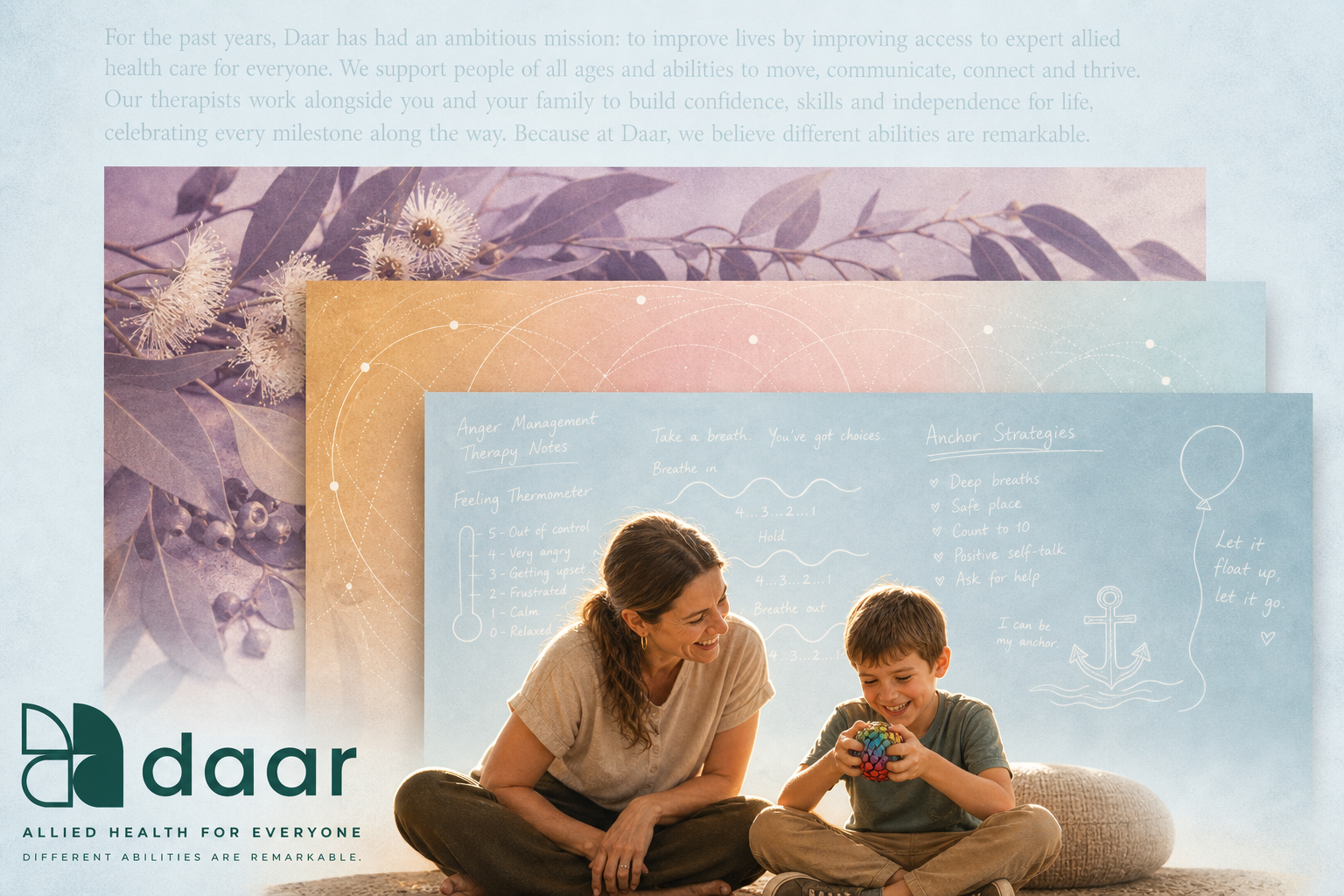
Age matters. Tantrums are common in young children, especially under age 4, as language and self-control are still developing. If outbursts persist beyond this stage or seem unusually intense, they may signal behavioural issues needing attention.
Match strategies to the child’s age:
- Use picture books or feelings charts with younger kids
- Give short, clear directions to preschoolers
- Teach older children to connect thoughts, feelings, and actions
- Practice problem-solving for school and peer issues
Simple coping skills—deep breathing, movement, and expressing feelings clearly—are effective and easy to use anywhere. If problems continue, a clinical psychologist can provide age-appropriate support.
Conclusion
In conclusion, managing anger in children is essential for their emotional growth and well-being. By equipping them with the right tools and strategies, such as identifying emotions and learning coping skills, you can help them navigate their feelings more effectively. As a parent, your support plays a critical role in this journey—utilize emotion coaching and positive reinforcement to foster a safe environment for expression. Remember, every child is unique, and it’s important to adapt these techniques to fit their individual needs.
If you're looking for tailored guidance on how to best support your child, don’t hesitate to reach out for a consultation or call daar at 02 9133 2500.
Frequently Asked Questions
When should parents seek professional help for a child's anger?
Seek professional help if anger stays frequent, intense, or no longer fits your child’s age. A clinical psychologist can assess whether mental health conditions, stress, or other issues are involved. Mental health support is also useful when anger disrupts school, family life, safety, or overall behavioural wellbeing.
Can anger management techniques improve my child’s behaviour?
Yes. Anger management can reduce behaviour problems by teaching emotion regulation, better communication, and safer responses to frustration. Children often show more positive behaviour when parents use positive reinforcement, clear limits, and regular practice with calming tools and problem-solving skills.
What coping skills work best for kids in Australia?
The most useful coping skills are simple and repeatable. Deep breathing, physical activity, calm-down spaces, and using feeling words are healthy ways to support emotion regulation. These strategies can work well for kids in Australia because they fit easily into home, school, and community routines.
.svg)




.svg)