
.png?width=48&height=48&name=Group%201%20(3).png)























8 April, 2026

How to Start Early Intervention for My Child with Autism

Key Highlights
- Recognizing early signs of autism spectrum disorder, like limited eye contact and delayed babbling, is the first step. Seeking a professional assessment is crucial to understanding your child's unique needs and getting a diagnosis. In ABA therapy, a typical social skills training session is designed specifically for children on the autism spectrum and is tailored to their unique needs. These sessions often include practicing important skills such as making eye contact, taking turns during conversation, recognizing social cues, and sharing interests with peers. The therapist may use role-play, modeling, and positive reinforcement to help the child develop and generalize these social skills in a supportive environment.
- Seeking a professional assessment is crucial to understanding your child's unique needs and getting a diagnosis.
- Early intervention, including Applied Behaviour Analysis (ABA) therapy, can significantly improve a child's social skills development and communication.
- Various support services and funding options, such as the NDIS, are available to help families access necessary therapies.
- Family support is vital; creating a supportive environment and using techniques at home reinforces skills learned in therapy.
- Building a network of professionals, friends, and family provides emotional and practical support on your journey.
Introduction
If you've noticed your child might be showing signs of a developmental disorder, you're likely wondering what to do next. Understanding how to navigate the path toward getting support can feel overwhelming, but you're not alone. Starting early intervention is a proactive and powerful step you can take to help your child thrive. For children with autism spectrum disorder, timely support can make a significant difference in their development, helping them build essential skills for a confident and successful future. The early childhood approach to social skills development in ABA therapy focuses on teaching foundational social interactions through play-based and structured activities. Therapists use targeted techniques to help young children learn how to communicate, share, take turns, and respond to others, all tailored to their individual needs and developmental level.
Recognizing Early Signs of Autism Spectrum Disorder
Observing your child’s development is a natural part of being a parent. Sometimes, you might notice behaviours that seem different from those of other children their age. Recognizing the early indicators of autism spectrum disorder is the first step toward getting your child the support they need. These signs often relate to social communication and behaviour.
Paying attention to how your child interacts with others and their environment can offer valuable insights. Do they struggle to understand social cues or interpret facial expressions? These can be early markers of developmental disorders. Looking closer at these behaviours is the next step.
Common Signs and Behaviours to Look For
Understanding your child's development is important, especially when looking for signs of autism spectrum disorder. Children with autism may display social behaviours different from their peers—these differences reflect their unique needs, not your parenting.
Social interaction is a key area to observe. Your child may struggle with back-and-forth conversations, making eye contact, or responding to smiles and gestures. A thorough behaviour analysis can help identify these challenges.
Common signs include:
- Delays in babbling, cooing, or speaking
- Limited or inconsistent eye contact
- Little interest in playing with other children
- Difficulty understanding or using nonverbal cues
- Repeating words or phrases (echolalia)
When and How to Seek an Initial Assessment
If you're concerned about your child's development, act now. Early assessment and intervention lead to better long-term outcomes, especially if started during the toddler or preschool years when the brain is most adaptable.
To begin, schedule an appointment with your child’s paediatrician or a developmental specialist and clearly explain your concerns. They can refer you for a comprehensive assessment to identify your child’s strengths and challenges.
Steps to seek an assessment:
- Talk to your paediatrician.
- Request a referral to a developmental psychologist or behaviour analyst.
- Contact local early intervention services for guidance.
First Steps After Diagnosis
Receiving an autism spectrum disorder diagnosis for your child can be overwhelming. Take time to process the news. Remember, a diagnosis is a tool to access support and create a plan tailored to your child’s needs. While the journey may seem daunting, it can be managed step by step.
Start by gathering information and building a support system for your family. This is a time to learn, connect, and plan. Let’s look at how you can access services and build your support network.
How to Access Support Services and Funding (e.g., NDIS)
After a diagnosis, exploring available support services and funding options is a practical first step. Programs like Australia’s National Disability Insurance Scheme (NDIS) provide funding for therapies and resources tailored to your child’s needs, easing financial strain and aiding development.
Applying typically involves submitting documentation from your child’s assessment and working with a planner to create a personalized support plan outlining necessary therapies, equipment, and services.
Common funded therapies include:
|
Therapy/Service |
Benefits |
|---|---|
|
Occupational Therapy |
Improves motor skills, sensory processing, daily tasks |
|
Speech Therapy |
Boosts communication, language comprehension, social skills |
|
Psychology |
Supports emotional regulation, behaviour management |
|
ABA Therapy |
Teaches new skills and reduces challenging behaviours |
Building a Support Network: Family, Friends, and Professionals
You don’t have to navigate this journey alone. Building a strong support network of family, friends, and professionals is essential for you and your child. This network offers emotional support, practical help, and expert guidance, creating an environment where your child can thrive.
Involving loved ones helps them understand your child’s needs and how they can provide meaningful support. Professionals like therapists and educators are vital partners in your child’s development, offering strategies and tools for progress.
Ways to build your network:
- Join local or online autism parent support groups.
- Educate family and friends about autism and your child’s needs.
- Collaborate with your child’s therapy team.
Exploring Early Intervention Options
With a diagnosis and a support system in place, the next step is to explore different early intervention therapies. The goal of these programs is to help your child develop essential skills and address their unique needs. From building social skills development to improving communication, therapy sessions are designed to empower your child.
There are several evidence-based options to consider, each with its own approach. Applied Behaviour Analysis (ABA) is a widely recognized therapy, but others like speech and occupational therapy also play crucial roles. Let's look at these options in more detail.
ABA Therapy: Principles and Social Skill Development
Applied Behaviour Analysis (ABA) therapy is a scientifically proven approach that focuses on improving specific behaviours, including social skills. Wondering how ABA therapy works? It breaks down complex skills into small, teachable steps and uses positive reinforcement to encourage progress. A Board Certified Behaviour Analyst (BCBA) will conduct an assessment to identify social skill deficits and create a personalized plan.
ABA therapy helps children improve their social skills by teaching them how to initiate conversations, understand nonverbal cues, and engage in group activities. Through structured practice and real-world application, children build confidence in social situations. The core of behaviour analysis is to understand why a behaviour occurs and then teach a more appropriate alternative.
Key skills targeted in ABA therapy include:
- Turn-taking and sharing during games and conversations.
- Understanding others' perspectives and emotions (empathy).
- Using appropriate greetings and farewells.
Other Evidence-Based Therapies (Speech, Occupational, Play Therapy)
While ABA is a cornerstone of autism intervention, other therapies offer targeted support that complements your child’s skill development. These evidence-based therapies are highly effective for toddlers with autism and can be integrated into a comprehensive plan tailored to your child’s unique needs. Each therapy addresses different aspects of development, ensuring a well-rounded approach.
Speech therapy focuses on improving all aspects of communication, from articulating words to understanding language and social conversation rules. Occupational therapy helps children develop the skills needed for daily living, such as dressing themselves, using utensils, and managing sensory sensitivities. Finally, play therapy uses play as a medium for children to express themselves, learn social rules, and develop emotional regulation.
Here are some key evidence-based therapies:
- Speech Therapy: Enhances verbal and nonverbal communication skills.
- Occupational Therapy: Improves motor skills, sensory processing, and self-care routines.
- Play Therapy: Uses play to teach social interaction and emotional expression.
Getting Involved: How Parents Can Support Early Intervention
Your role as a parent is one of the most powerful factors in your child's success with early intervention. By getting actively involved, you can help reinforce what your child learns in therapy and apply it to everyday life. This creates consistency and helps your child generalize their new skills across different settings, from home to the playground.
Supporting your child doesn't have to be complicated. Simple, consistent actions can make a huge difference. By turning daily routines into learning opportunities and creating a positive natural environment, you help make the journey feel like a series of manageable steps for both you and your child.
Using ABA Techniques at Home for Social Skills
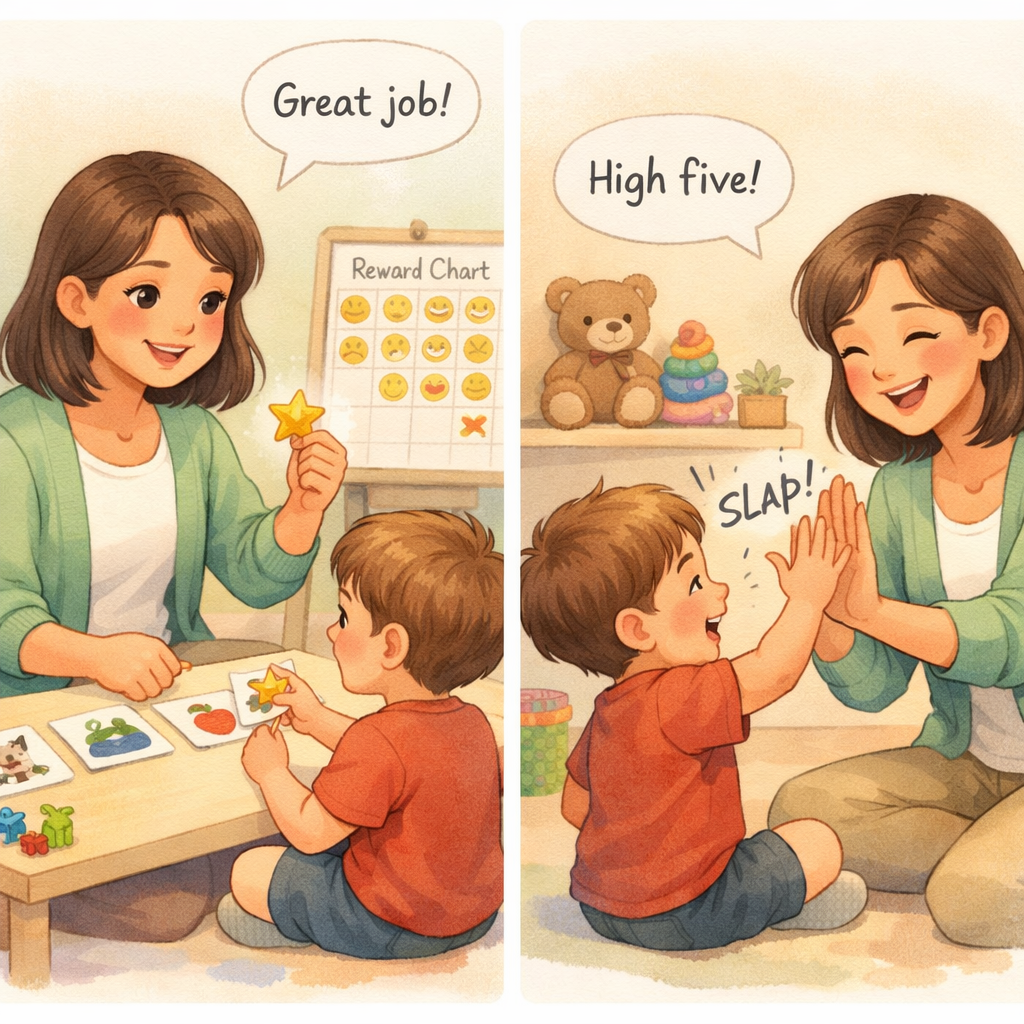
You can effectively support your child's social skills development by incorporating ABA strategies into your daily routines. Using these techniques at home helps reinforce what your child is learning in therapy, making progress faster and more consistently. One of the most powerful tools is positive reinforcement. When you see your child using appropriate social behaviours, reward them with praise or a small treat.
This approach helps create a positive home environment where your child feels motivated to practice their social skills. For example, you can use a technique called modeling, where you demonstrate a desired behaviour, like saying "thank you," and then encourage your child to imitate you. Consistency is key to helping your child learn and generalize these skills.
Here are some ways to use ABA techniques at home:
- Modeling: Demonstrate how to share a toy with a sibling or greet a visitor at the door.
- Role-Playing: Practice upcoming social situations, like a birthday party, in a safe and supportive setting.
- Positive Reinforcement: Offer specific praise, like "Great job asking for a turn!" when your child uses a new skill.
Encouraging Social Interaction and Communication Daily
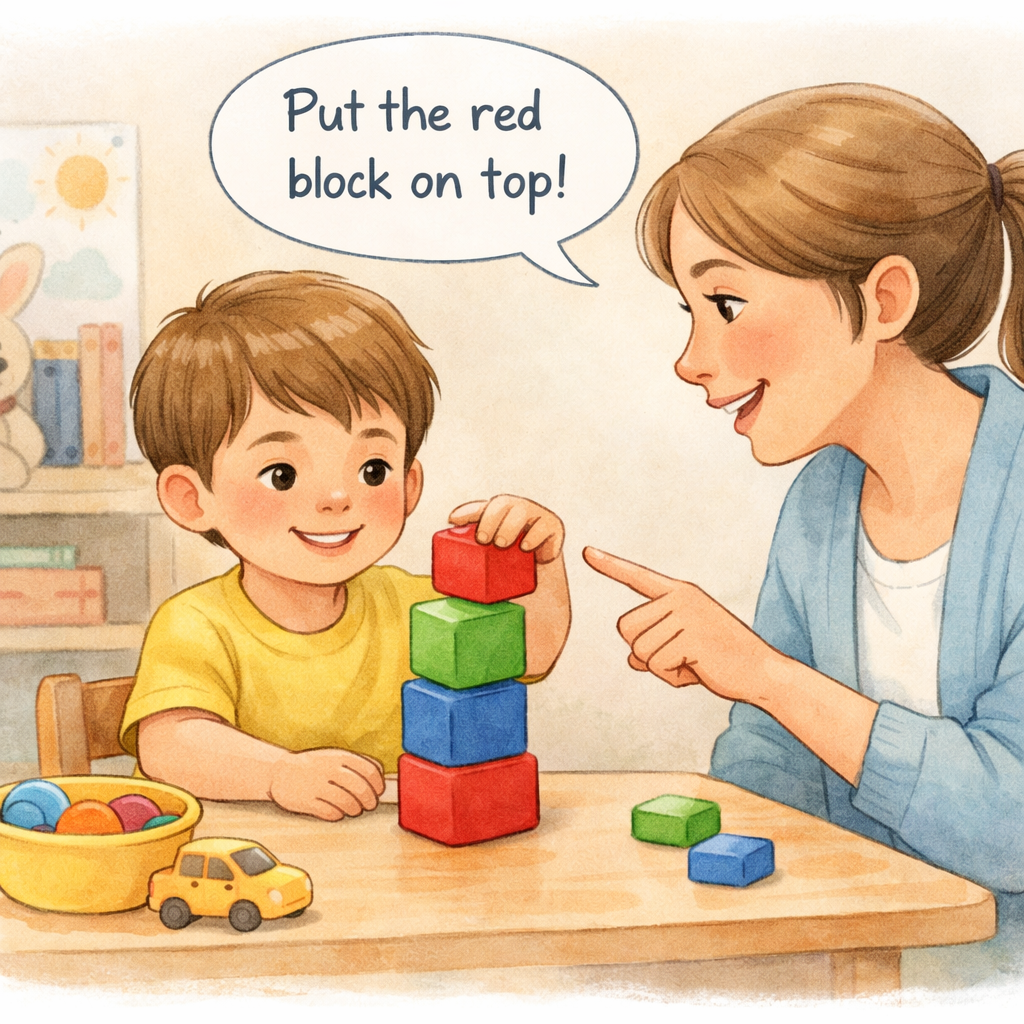
Creating opportunities for social interaction in your child's daily life is essential for building their communication skills and confidence. These interactions don't have to be grand events; even small, everyday moments can be powerful learning experiences. The goal is to make communication a natural and rewarding part of their routine.
Look for chances to practice in different social settings. A trip to the grocery store can be an opportunity to practice greeting the cashier, while a visit to the park can help with taking turns on the slide. These real-world experiences help your child build confidence and apply what they've learned in therapy to their daily life. ABA therapy often focuses on these practical skills to help children make friends and navigate social challenges.
Here are some ideas to encourage daily interaction:
- Structured Playdates: Arrange short, structured playdates with one other child to practice sharing and turn-taking.
- Family Game Night: Play board games that require communication and cooperation.
- Community Activities: Join a library story time or a local sports team to practice group participation.
Conclusion
In conclusion, starting early intervention for your child with autism can lay the foundation for a brighter future. By recognizing the early signs and seeking appropriate assessments, you can access essential support services that cater to your child's unique needs. Engaging in evidence-based therapies and building a robust support network are vital steps in this journey. Remember, as a parent, your involvement is crucial; you can utilize techniques at home to encourage social skills and communication. The sooner you begin, the more opportunities you create for your child's growth and development.
If you have any questions or need further guidance on this path, feel free to reach out for a consultation or call daar at 02 9133 2500.
Frequently Asked Questions
What is the best age to start early intervention for autism in Australia?
The best time to start early intervention for autism spectrum disorder is as soon as concerns are noticed, typically between the ages of 2 and 4. Early diagnosis and support are critical for achieving positive outcomes, as a child’s brain is most adaptable during these early years, allowing for greater progress.
Are early intervention therapies effective for toddlers with autism?
Yes, evidence-based therapies like ABA therapy are highly effective for toddlers with autism. These interventions focus on teaching positive behaviours, improving communication, and developing social abilities. Early skill development can significantly improve a child’s long-term trajectory and help them build foundational social skills.
How do I choose the right early intervention program for my child?
To choose the right program, consider your child's unique needs and the program's approach. Look for evidence-based ABA programs with qualified professionals, like a Board Certified Behaviour Analyst. Ensure the therapy sessions are tailored to your child and that the provider collaborates with you to set meaningful goals.
.svg)




.svg)