
.png?width=48&height=48&name=Group%201%20(3).png)























3 September, 2026

The Importance of Positive Support for Children in Growth

Key Highlights
- Positive reinforcement helps children repeat helpful actions in calm, positive ways.
- A support plan works best when it looks at the reason behind challenging behaviour.
- Strong communication skills give children better ways to express needs and feelings.
- A supportive environment at home or school can lower stress and prevent problems.
- Positive behaviour support teaches new skills instead of relying on punishment.
- Consistent routines, clear expectations, and teamwork help children feel safe and understood.
Introduction
Positive support gives young children a better way to learn, connect, and grow. Instead of only reacting to children’s behaviour, this approach looks at what the child may be trying to communicate. That shift matters. It helps families and educators respond with care, structure, and practical strategies. When children feel understood and supported, they can build new skills, handle daily changes more calmly, and enjoy a better quality of life. That is why positive support matters so much in early growth.
The Role of Positive Support in Early Childhood Growth
Positive support in early childhood starts with one key idea: every behaviour serves a purpose. A positive behaviour support plan looks at the child’s age, strengths, needs, and triggers instead of treating all children the same. That makes support more useful and more respectful.
Behaviour support practitioners use assessment, family input, and ongoing review to shape a supportive environment. The main principles include understanding the reason behind behaviour, teaching replacement skills, and changing routines or settings when needed. This can also support mental health by lowering stress and helping children feel safer.
Positive Support Strategies for Children Aged 0-5 Years
Yes, there are positive behaviour support approaches for young children, and simplicity is key. Children ages 0-5 respond best when adults notice patterns, stay calm, and keep routines predictable. Strategies should match their development and focus on safety, connection, and communication.
Here are a few practical steps:
- Use clear expectations with short, simple words.
- Keep routines steady so children know what to expect.
- Praise good behaviour right away.
- Reduce environmental triggers when possible.
Consistency matters—children learn faster when adults at home and in care settings use similar responses. Small, consistent changes can lead to strong progress over time.
Building Early Connections with Encouragement
Encouragement helps children feel recognised for their efforts, which can positively influence their behaviour. Instead of waiting for problems, notice when your child is trying, listening, sharing, or calming down—a simple “good job” reinforces progress.
Encouragement also builds communication skills and confidence. When children feel safe with you, they're more open to learning new skills. Quality time during play, meals, or routines strengthens your connection and often prevents challenging behaviours.
Praise specific actions to encourage positive behaviour. For example, say “You put your toys away,” or “You used kind words.” Specific feedback is clearer and more helpful than general praise.
Creating Safe and Trusting Environments at Home
A supportive home starts with clear expectations and predictable routines, reducing confusion and stress. Many children thrive when transitions are planned, and daily patterns are consistent, which fosters emotional regulation and better behaviour.
Practical tools include visual schedules for key activities like dressing, meals, play, and bedtime. Offering simple choices—like “blue cup or red cup?”—involves children while keeping routines calm.
Your own behaviour matters. Children notice your tone, body language, and responses. Staying calm and setting clear limits models self-regulation and builds trust, making behaviour support strategies more effective at home.
Practical Positive Support Strategies for Everyday Life
Positive support becomes most helpful when it fits everyday life. You do not need a complex system to begin. Start by noticing your child’s needs, common triggers, and the times of day when things feel hardest. Then use practical strategies that match those moments.
A simple plan at home can include clear routines, praise for small wins, and calm responses during hard moments. Share the same approach with your support network so everyone responds in positive ways. That consistency makes the next steps, including expectations and reinforcement, much easier to apply.
Setting Realistic Expectations for Children
A common challenge with positive support is expecting too much too soon. A child’s behaviour often reflects their developmental stage, not defiance. Clear expectations should match the child’s age, communication skills, and abilities. Realistic goals increase success.
Positive expectations must be taught. If you want your child to wait, ask for help, or follow routines, demonstrate and repeat what you want. Keep instructions brief to reduce confusion and support steady learning.
Check your own behaviour—are you giving too many directions or changing rules frequently? Children respond best when adults stay consistent. Realistic expectations, calm delivery, and repetition can prevent early struggles from becoming bigger issues.
Reinforcing Positive Behaviours at Home
Positive reinforcement is an effective way to encourage positive behaviour at home. It involves noticing and responding when your child uses helpful actions, words, or routines. Simple gestures like a smile, praise, extra attention, or a favorite activity work well.
A basic behaviour support plan can include:
- Praising the exact behaviour you want repeated.
- Rewarding efforts to communicate, not just perfect words.
- Reinforcing early signs of calming, sharing, or asking for help.
These methods teach children what works, not just what doesn’t. Over time, kids connect good behaviour with better outcomes, making home life calmer and daily support clearer for families.
Using Visual Schedules and Routines for Consistency
A visual schedule can make daily routines easier for children to understand. Pictures, short words, or a simple sequence board can show what happens first, next, and last. This supports positive behavioural support by reducing uncertainty and helping children prepare for transitions before stress builds.
Keep the support plan easy to follow. Use simple language and point to each step as the day moves forward. If your child gets upset, return to the schedule and use calm responses. That helps the child reconnect with what is happening instead of feeling lost or overwhelmed.
|
Time or Task |
Simple Routine Support |
|---|---|
|
Morning |
Wake up, toilet, get dressed, breakfast, bag ready |
|
After school |
Snack, quiet time, play, homework or activity |
|
Evening |
Dinner, bath, story, bed |
|
During change |
Show next picture, give one short reminder, stay calm |
Positive Support for Children in School Settings
School is a major part of a child’s day, so positive behavioural interventions can shape how safe and ready they feel to learn. In a strong learning environment, adults focus on prevention, clear routines, and skill building instead of only reacting when student behaviour becomes difficult.
Teachers do not have to manage this alone. A behaviour support team can help identify patterns, adjust classroom supports, and keep responses consistent. When school staff uses the same positive approach together, children are more likely to feel secure, connected, and ready to participate.
Approaches for Teachers to Encourage Positive Behaviour
Teachers can encourage positive behaviour by making expectations visible, simple, and consistent. Children need to know what success looks like in the classroom. That means naming routines, modeling behaviour, and giving reminders before problems start. A shared behaviour support plan can guide those responses.
In practice, teachers can:
- State clear expectations in short, direct language.
- Praise effort, cooperation, and calm choices quickly.
- Avoid power struggles by offering support before correction escalates.
Communication skills matter here too. A child may not refuse work just to be difficult. They may be confused, anxious, or unable to explain what they need. When teachers stay calm and curious, they can respond more effectively. That helps the classroom feel safer and keeps learning on track.
Involving Families in the Classroom Environment
Children thrive when school and home form a unified support system. Families understand a child’s routines, triggers, interests, and strengths better than school staff, making behaviour strategies more practical and personalised.
Behaviour support works best when educators and families collaborate. Shared goals, regular updates, and consistent responses help children know what’s expected in any setting and strengthen adult communication—reducing mixed messages.
Parents and caregivers also benefit by learning these techniques, allowing them to use the same tools throughout the day. Consistent routines, praise styles, and calming methods build confidence in adults and make progress easier to sustain.
Addressing Challenging Behaviours with Positive Interventions
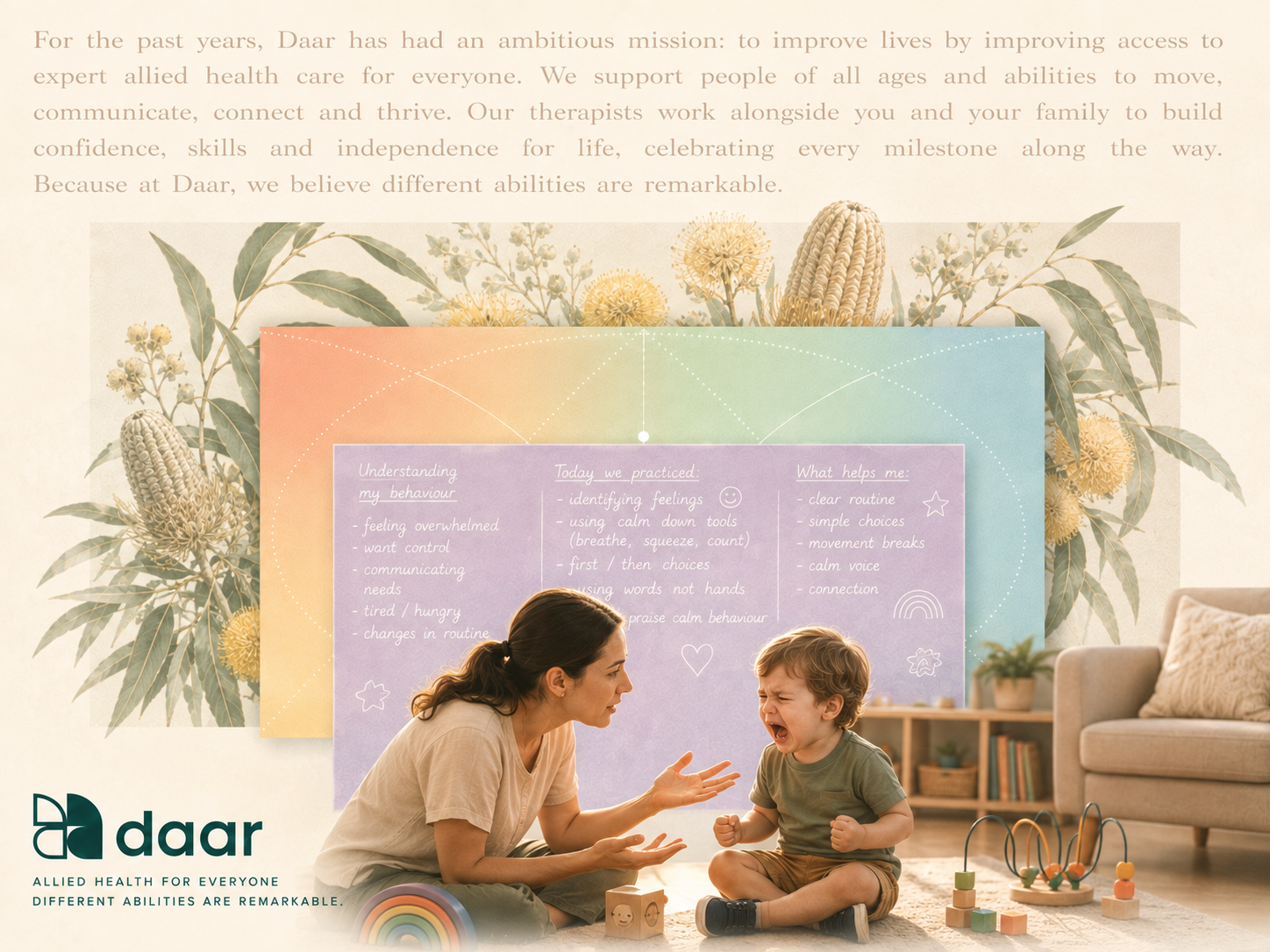
Challenging behaviours in school or at home often point to unmet needs, stress, or barriers in communication. Positive interventions look past the surface and ask what the child is trying to achieve or avoid. When adults understand the underlying causes, support becomes more effective and more respectful.
A useful support plan may include:
- Identifying triggers before strong emotions build.
- Teaching a safer replacement action or request.
- Adjusting routines or environments that increase stress.
This approach addresses common challenges by focusing on prevention and skill building. For example, a child may act out to escape anxiety, reconnect with a parent, or avoid a hard task. Positive strategies reduce the need for the behaviour by changing the situation and teaching a better option.
Conclusion
In summary, providing positive support for children is crucial to their growth and development. By fostering an environment filled with encouragement, safety, and trust, we can help our children thrive both at home and in school settings. Implementing practical strategies such as setting realistic expectations, reinforcing positive behaviours, and involving families in educational environments not only cultivates resilience but also enhances children's overall well-being. Remember, the role of positive support extends beyond childhood; it shapes the adults they will become.
For more personalised advice and resources tailored to your family's needs, consider reaching out for a consultation or call daar at 02 9133 2500.
Frequently Asked Questions
What are some examples of positive support techniques parents can use at home?
Parents can use positive reinforcement, clear routines, and praise for specific actions at home. A simple behaviour support plan may include visual cues, calm reminders, and teaching better communication skills. Spending time together during daily routines also helps children feel secure and respond in more positive ways.
How does NDIS Positive Behaviour Support assist families in Australia?
NDIS Positive Behaviour Support assists families by using assessment to understand behaviours of concern and create a positive behaviour support plan. Specialist behaviour support works with the child and support team to build a practical support plan, teach new skills, and improve everyday life through more consistent responses.
What are the benefits of positive support for children with autism?
For children with autism spectrum disorder, positive support can improve communication skills, social skills, and daily routines. It also helps adults understand sensory sensitivities and unmet needs. When therapy services use tailored strategies, children often experience less stress, better participation, and a stronger quality of life.
.svg)




.svg)