
.png?width=48&height=48&name=Group%201%20(3).png)























6 March, 2026

Healthy Sleeping Habits: Tips for Peaceful Sleep

Key Highlights
- Establishing a consistent sleep schedule, even on weekends, helps regulate your body's internal clock for better sleep.
- Creating a relaxing bedtime routine, such as reading or taking a warm bath, signals to your brain that it's time to wind down.
- Optimizing your bedroom environment by making it dark, quiet, and cool can significantly improve sleep quality.
- Avoiding stimulants like caffeine and alcohol, as well as large meals, close to bedtime, prevents sleep disruptions.
- Managing stress and cortisol levels through relaxation techniques is crucial for preventing sleepless nights and promoting emotional well-being.
Introduction
Getting a good night's rest is fundamental to your overall health and wellness. Just like a healthy diet and regular exercise, quality sleep is a pillar of a happy life. Developing healthy sleeping habits not only boosts your physical energy but also plays a huge role in your mental health, helping to reduce stress and improve your mood. If you're looking to enhance your sleep health, you're in the right place. Let's explore some simple yet effective tips to help you achieve the peaceful sleep you deserve.
The Fundamentals of Recommended Bedtimes
Understanding recommended bedtimes is a key step toward better sleep hygiene. Your body’s internal clock relies on consistent sleep and wake times, which improves sleep quality and helps you wake up refreshed. While sleep needs vary by age, most adults require 7–9 hours per night.
Establishing a bedtime routine—like reading or listening to quiet music—signals your body that it’s time for sleep. A bedtime calculator can also help; this tool works backward from your desired wake-up time using 15-minute sleep cycles to suggest the best bedtime for you. Next, we’ll explore how to determine your ideal bedtime and the science behind it.
How to Determine the Best Bedtime for Your Age Group
To find your ideal bedtime, first determine how many hours of sleep you need for your age group. Your body’s internal clock works best with a consistent schedule. Set a fixed wake-up time, then count backward based on the recommended sleep duration.
For example, if you wake up at 6:30 AM and need 8 hours of sleep, aim to go to bed by 10:30 PM. Adjust your bedtime gradually for easier adaptation. Sleep needs vary by age: Many people also report that establishing a consistent sleep schedule, avoiding screens before bed, and creating a calming bedtime routine are user-recommended sleep habits that help improve rest. Additionally, keeping the bedroom cool and dark, and limiting caffeine intake in the evening, are frequently mentioned as helpful for better sleep.
|
Age Group |
Recommended Hours of Sleep |
|---|---|
|
Newborns (0-3 months) |
14-17 hours |
|
Infants (4-11 months) |
12-15 hours |
|
Toddlers (1-2 years) |
11-14 hours |
|
Preschoolers (3-5 years) |
10-13 hours |
|
School-age children (6-13) |
9-11 hours |
|
Teenagers (14-17 years) |
8-10 hours |
|
Young adults (18-25 years) |
7-9 hours |
|
Adults (26-64 years) |
7-9 hours |
|
Older adults (65+ years) |
7-8 hours |
(Adapted from CDC and National Sleep Foundation guidelines.)
The Science Behind Recommended Bedtimes and Sleep Cycles
The science of sleep reveals why a consistent routine is crucial for good sleep health. As you rest, your brain cycles through stages—light sleep, deep sleep, and REM (where most dreaming occurs)—each about 90 minutes long. These stages are essential for physical recovery, memory, and emotional balance.
Good sleep hygiene means adopting habits and creating an environment that support uninterrupted sleep. Consistent routines help you move smoothly through these cycles, ensuring restorative deep and REM sleep. An irregular schedule disrupts these cycles, leaving you feeling tired even after enough hours in bed.
Aligning your bedtime with your body’s natural rhythms helps you wake up refreshed, especially if you rise at the end of a cycle. Maintaining a regular schedule is key to optimal sleep health.
Encouraging Healthy Sleeping Habits in Children
Establishing healthy sleep habits early is essential for children’s development, mood, and learning. A consistent bedtime routine signals that it’s time to rest and improves sleep quality. Good sleep hygiene also involves daytime activities.
For school-aged kids, a predictable schedule—including homework, playtime, and a calming wind-down—supports better sleep. Encourage physical activity during the day, but avoid stimulating activities before bed. Let’s review how much sleep children need and ways to build effective routines.
Age-by-Age Guide: How Much Sleep Do Kids Really Need?
The amount of sleep children need changes as they grow, and getting enough is crucial for their health and development. The National Sleep Foundation offers guidelines to help ensure your child gets the rest needed to thrive physically, emotionally, and mentally.
Newborns and infants need the most sleep, spread across day and night. As children become toddlers and preschoolers, total sleep decreases and naps consolidate. School-aged kids still require about 9–11 hours each night to support their growth and activity.
Teenagers need 8–10 hours, even though they tend to stay up late. Too little sleep can impact mood, focus in school, and overall health. Following these recommendations builds healthy lifelong habits.
Tips for Building Better Bedtime Routines for Kids
Establishing a predictable, calming bedtime routine helps your child sleep better. Consistency signals that sleep is near and eases the transition from an active day to a restful night. Even 20–30 minutes of wind-down time can make a difference.
Start the routine at the same time each night to reinforce healthy sleep habits. Choose relaxing, enjoyable activities to create positive associations with bedtime. Ensure the bedroom is dark, quiet, and comfortably cool.
Simple tips for a successful bedtime routine:
- Warm Bath: Helps relax and promotes sleep.
- Quiet Reading: Read together in dim light to calm the mind.
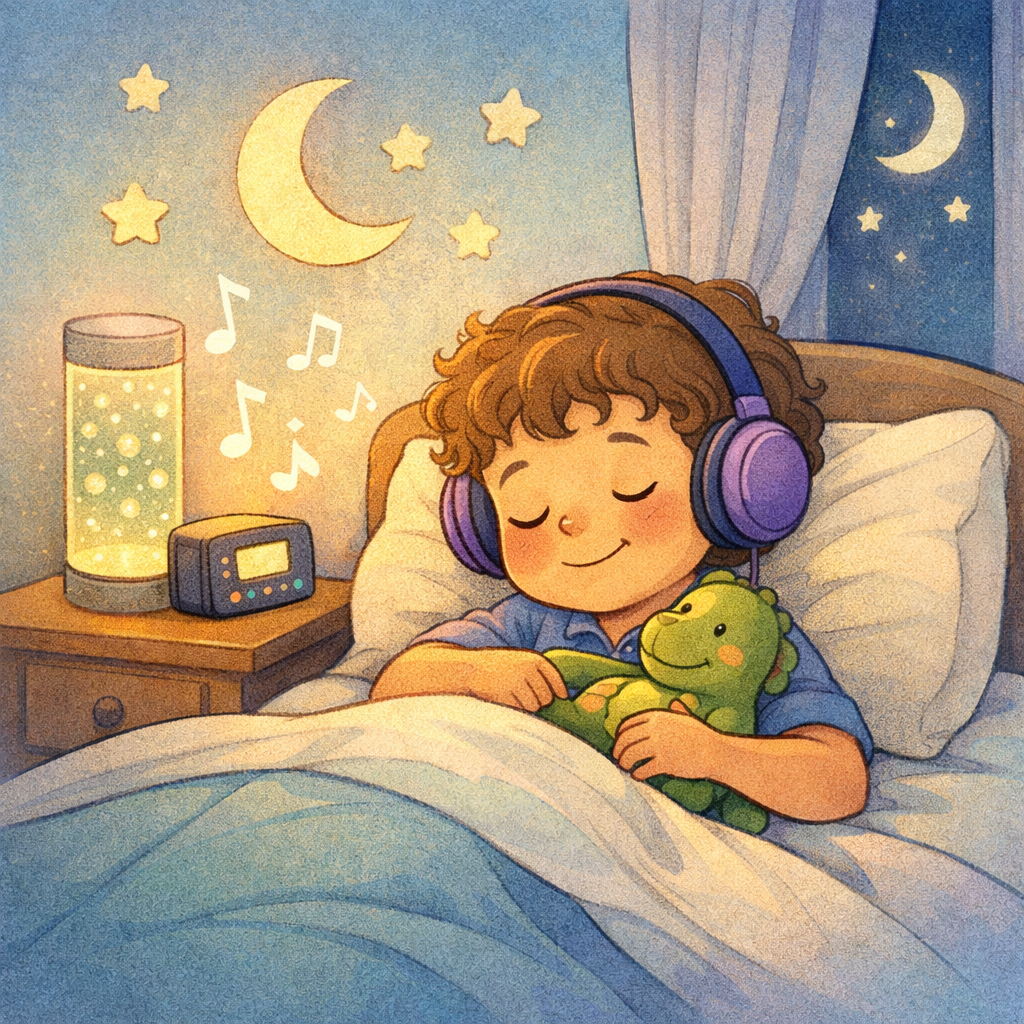
- Soft Music or Stories: Play soothing music or audiobooks.
- No Electronics: Turn off screens at least an hour before bed.
Managing Stress, Understanding Cortisol, and Their Effects on Sleep
Stress is a major cause of sleep problems, creating a cycle where lack of sleep increases stress and stress makes it harder to sleep. When stressed, your body produces more cortisol—the "stress hormone." While helpful in the morning, high nighttime cortisol disrupts sleep. Poor sleep then harms emotional wellbeing and overall health.
Improving your sleep habits can help break this cycle. Simple routines signal your body to relax and prepare for rest. Elevated cortisol keeps you alert at night, directly causing sleeplessness. The next sections will explain how stress affects sleep and ways to lower cortisol before bed.
How Stress Affects Sleep Patterns and Health
Stress disrupts natural sleep patterns by causing mental hyper-arousal, making it hard to relax and fall asleep. This often leads to trouble sleeping or frequent awakenings.
Poor sleep affects both physical and mental health, weakening the immune system, impairing cognition, and worsening mood. Chronic stress-related sleep issues can create a cycle where stress causes poor sleep, which in turn increases stress.
To break this cycle, establish relaxation habits. For example, set aside time earlier in the evening to write down worries. This practice helps separate daily stress from bedtime, supporting better sleep and long-term health.
Practical Ways to Lower Cortisol Levels Before Bedtime

Lowering cortisol before bed is an effective way to improve sleep quality. High cortisol keeps you alert, so the goal is to shift your body into a relaxed state. Simple relaxation techniques can calm your nervous system and reduce stress hormones, making it easier to fall asleep. Experiment with different methods to find what works best for you—just 15-20 minutes of a calming activity can help you wind down.
Here are practical ways to lower cortisol before bed:
- Deep Breathing: Slow, controlled breaths quickly calm your body.
- Light Stretching or Yoga: Gentle movements release muscle tension.
- Mindfulness or Meditation: Focusing on the present reduces anxiety and quiets your mind.
- Calming Music: Soft, instrumental music lowers your heart rate and promotes relaxation.
Conclusion
In summary, healthy sleep habits are key to restful, restorative sleep. Knowing the best bedtimes for your age and managing stress helps you make better choices for quality rest. Effective bedtime routines and stress-reduction techniques improve sleep and boost overall well-being. Consistent, quality sleep sets you up for a productive day.
Ready to improve your sleep? Consider a consultation or call daar at 02 9133 2500 to find personalized strategies that work for you.
Frequently Asked Questions
What are the top three habits for peaceful sleep?
The top three sleep habits for achieving good sleep and quality sleep are maintaining a consistent sleep schedule, creating a relaxing pre-sleep routine to wind down, and optimizing your bedroom to be dark, quiet, and cool. These pillars of good sleep hygiene are simple yet powerful good habits.
How do recommended bedtimes differ for children and adults?
Recommended bedtimes differ mainly due to the varying hours of sleep needed by each age group. According to the National Sleep Foundation, children and teens need more sleep (9-13 hours) for development, requiring an earlier bedtime, while adults typically need 7-9 hours, allowing for a more flexible sleep schedule.
What’s the link between cortisol and sleepless nights?
The link is direct: cortisol is a stress hormone that promotes alertness. While useful in the morning, high levels at night—often due to stress—can cause sleep problems like trouble sleeping and frequent sleep disruptions. This negatively impacts your emotional wellbeing and makes it hard to get restful sleep.
.svg)




.svg)