
.png?width=48&height=48&name=Group%201%20(3).png)























1 April, 2026

Devices Addiction in Children: What Parents Should Know

Key Highlights
- Device addiction is a behavioral issue where children compulsively use digital devices, impacting their daily life.
- Excessive screen time can negatively affect a child's mental health, leading to anxiety, depression, and mood swings.
- It's important to distinguish between normal technology use and addiction, which involves loss of control and withdrawal symptoms.
- Behavioural therapy offers effective strategies for managing and overcoming device addiction in children.
- Parents can help by setting clear boundaries, encouraging offline activities, and seeking professional help when needed.
Introduction
In today's world, digital devices are everywhere. From schoolwork to social connection, children are using screens more than ever. While technology offers many benefits, it's becoming harder to know where to draw the line. For some kids, what starts as normal usage can turn into device addiction, affecting their well-being and family life. If you're a parent concerned about your child's relationship with technology, understanding the signs and knowing how to respond is the first step toward promoting a healthier balance.
Understanding Device Addiction in Children
Device addiction in children isn't just about spending a lot of time on a screen; it's a compulsive need to use technology that disrupts their lives. This happens when the brain's reward system gets rewired by the constant stimulation from games, videos, and notifications, making real-world activities seem less interesting.
Several risk factors can contribute to problematic internet use. Sometimes, children turn to digital devices to escape feelings of anxiety, stress, or loneliness. The immediate gratification and escape offered by technology can create a powerful cycle of dependency. Let's explore what defines this addiction and how it differs from healthy technology use.
Defining Device Addiction
Device addiction is considered a behavioral addiction, much like substance abuse. It’s characterized by a compulsive behavior to use digital devices, even when it leads to negative consequences in a child's daily life. This isn't just a bad habit; it's a pattern where the screen becomes the main focus, pushing aside relationships, schoolwork, and even personal health.
You might notice that your child is preoccupied with their device, thinking about it even when they aren't using it. They might lie about how much time they spend online or become irritable and anxious if you try to limit their usage. This loss of control is a key indicator that use has crossed into addiction.
The core issue is that the digital world starts to feel more rewarding than the real one. The constant stream of likes, notifications, and new content creates a dopamine rush that the brain begins to crave, making it incredibly difficult for a child to simply put the device down and walk away.
How Device Addiction Differs from Normal Technology Use
Distinguishing between healthy and unhealthy technology use can be tricky. Normal use is balanced and doesn't interfere with other important aspects of life. A child might use a tablet for homework or play a video game for an hour, then happily move on to another activity. They can manage their screen time without major conflict.
Internet addiction, on the other hand, involves a clear loss of control. A child with an addiction will struggle to stop using their device, even when they know they should. They may neglect homework, chores, and time with family to stay online. This is often accompanied by withdrawal symptoms, such as irritability, restlessness, or sadness, when they are unable to access their device.
The key difference lies in the impact on their life. While most children use technology, it becomes a problem when it jeopardizes their relationships, academic performance, or emotional well-being. If screen time is causing significant disruption and distress, it's more than just a phase; it's a sign of a deeper issue.
Most Common Devices Leading to Addiction in Kids
While any digital device can become a source of addiction, some are more common culprits than others. Smartphones are particularly addictive due to their portability and constant connectivity, offering endless access to social media apps and notifications. The tactile and immersive nature of tablets can also make them hard for children to put down, especially for passive consumption like streaming videos.
Online gaming is another major area of concern. The reward systems built into video games are designed to keep players engaged for long periods. This is a risk for all age groups, but adolescents and young adults are often most affected by internet gaming disorder, where gaming takes priority over all other life activities.
Different devices and platforms tend to appeal to various age groups. Younger children might be more drawn to tablets for games and videos, while teens are often engrossed in smartphones for social networking and online gaming.
|
Device/Platform |
Common Addictive Features |
|---|---|
|
Smartphones |
Constant notifications, social media apps, portability |
|
Tablets |
Immersive experience, easy access to streaming and games |
|
Video Game Consoles |
Reward systems, competitive online gaming, social interaction |
|
Computers |
Access to a wide range of content, from games to information seeking |
The Impact of Device Addiction on Mental Health
The connection between technology addiction and mental health is significant and concerning. When a child spends excessive time on devices, it can lead to a range of mental health challenges. The constant stimulation and pressure from social media can trigger negative emotions, making kids feel anxious, inadequate, or left out.
This digital dependency can also mask underlying issues. A child might use their device to escape from feelings of sadness or stress, creating a cycle that prevents them from developing healthy coping skills. As we will see, this can manifest as increased anxiety, mood swings, and even depression.
Anxiety, Depression, and Mood Changes
Excessive device use is strongly linked to increased rates of anxiety and depression in children and teens. The curated perfection seen on social media can lead to constant comparison and a feeling of not measuring up, which can damage a child's self-esteem and emotional health. The fear of missing out (FOMO) also drives anxiety, compelling them to stay connected at all times.
You might notice more frequent mood swings in a child struggling with device addiction. They may be happy and engaged while online, but become irritable, angry, or withdrawn when they have to log off. This emotional volatility occurs because their brain has become dependent on the dopamine hits from their device.
Over time, this can lead to social isolation. As a child retreats further into their digital world, they may pull away from real-life friends and family, deepening feelings of loneliness and contributing to symptoms of depression. The device becomes a substitute for genuine human connection, which is essential for healthy emotional development.
Sleep Disturbances and Academic Performance
One of the most immediate effects of device addiction is on sleep. The blue light emitted from screens on digital devices can interfere with the body's production of melatonin, the hormone that regulates sleep. This makes it harder for children to fall asleep and stay asleep, leading to significant sleep disturbances.
This lack of quality sleep has a direct impact on their daily life, especially academic performance. A tired child will have difficulty concentrating in class, retaining information, and completing homework. Excessive screen time can also lead to them losing track of time, resulting in missed deadlines and a general decline in school-related responsibilities.
Ultimately, a child who is consistently sleep-deprived and distracted by their device will struggle to succeed academically. This can create a stressful cycle where poor performance at school leads to more escapism into the digital world, worsening the root problem.
Effects on Social Skills Development
Healthy social skills are built through face-to-face interaction, where children learn to read body language, understand tone, and practice empathy. When a child spends most of their social time on social media platforms, they miss out on these crucial developmental experiences. This can lead to difficulties in forming and maintaining real-life friendships.
While online connections can feel real, they often lack the depth and nuance of in-person relationships. A child may develop unrealistic expectations about social interactions, leading to disappointment and feelings of loneliness when their real-world experiences don't match their online ones. These negative consequences can be long-lasting.
Rebuilding these skills often requires a conscious effort. Techniques like cognitive restructuring can help a child challenge the thought patterns that make them prefer online interactions. By encouraging them to engage in real-world social activities, you can help them develop the confidence and skills they need to connect with others offline.
What is Behaviour Therapy for Device Addiction?
Behavioural therapy is a structured, evidence-based approach used to treat technology addiction. Unlike just talking about the problem, this therapy focuses on identifying the specific thoughts and behaviors that drive compulsive device use. It provides practical tools and strategies to help children regain control over their online activity.
The goal isn't necessarily a complete digital detox, as technology is a part of modern life. Instead, the focus is on building a healthy, balanced relationship with it. Through various techniques, a therapist helps a child understand their triggers and develop new, healthier habits. We will now look at the core principles of this therapy and how it's applied.
Key Principles of Behaviour Therapy
Behavioural therapy for device addiction is built on a few key principles designed to create lasting change.
Another principle is behavior management. This involves creating a structured plan to reduce screen time and introduce healthier activities. Therapists work with the child to set achievable goals and disrupt the patterns of compulsive use.
Finally, support is crucial. This can come from one-on-one sessions, group therapy, or family support groups. A systematic review of treatment options shows that a multi-layered approach is most effective. Key components include:
- Identifying and disrupting patterns of harmful use.
- Challenging distorted thoughts about technology.
- Building coping skills to handle triggers like stress or boredom.
How Behaviour Therapy Is Used with Children
When using behaviour therapy with children, therapists adapt the techniques to be age-appropriate and engaging. The process often starts by helping the child recognize the negative impact that excessive screen time is having on their life. This is done in a non-judgmental way to build trust and motivation for change.
A key part of the treatment involves teaching practical skills for emotional regulation. Children learn to identify feelings like boredom, anxiety, or sadness that trigger their desire to use a device. The therapist then works with them to find healthier ways to cope with these emotions, such as through mindfulness, physical activity, or creative hobbies.
Therapists also use systems like a token economy, where screen time is earned through completing chores or engaging in offline activities. This helps children see screen time as a privilege rather than a right. Some treatment options may also include guided digital detox programs to reset their relationship with technology.
Role of Parents in Supporting Behaviour Change

Parents play a vital role in their child's journey to overcome device addiction. Your support and involvement are often the most important factors for success. The first step is to work with the therapist to understand the strategies being used and how to implement them consistently at home. This creates a united front and reinforces the therapeutic goals.
It's also essential for parents to model healthy digital habits. If you are constantly on your phone, it will be much harder to convince your child to limit their screen time. Involving all family members in creating a family media plan can make the changes feel like a team effort rather than a punishment directed at one child.
Your role is to provide encouragement, enforce the new rules, and celebrate small victories. Joining support groups for parents can also be very helpful, offering a space to share experiences and get advice. By actively participating in their daily life and recovery, you empower your child to build lasting, positive habits.
Parental Strategies to Prevent and Address Device Addiction
As parents, you have a powerful influence on your child's technology use. Prevention is always the best approach, and establishing healthy habits early on is key to promoting digital wellbeing. This involves a proactive, rather than reactive, approach to managing screen time.
If you're already seeing signs of device addiction, there are many effective strategies you can use to address it. It's about setting clear boundaries, encouraging a balanced lifestyle, and knowing when it's time to get outside help. The following sections will provide practical tips you can start using today.
Setting Healthy Boundaries for Device Usage
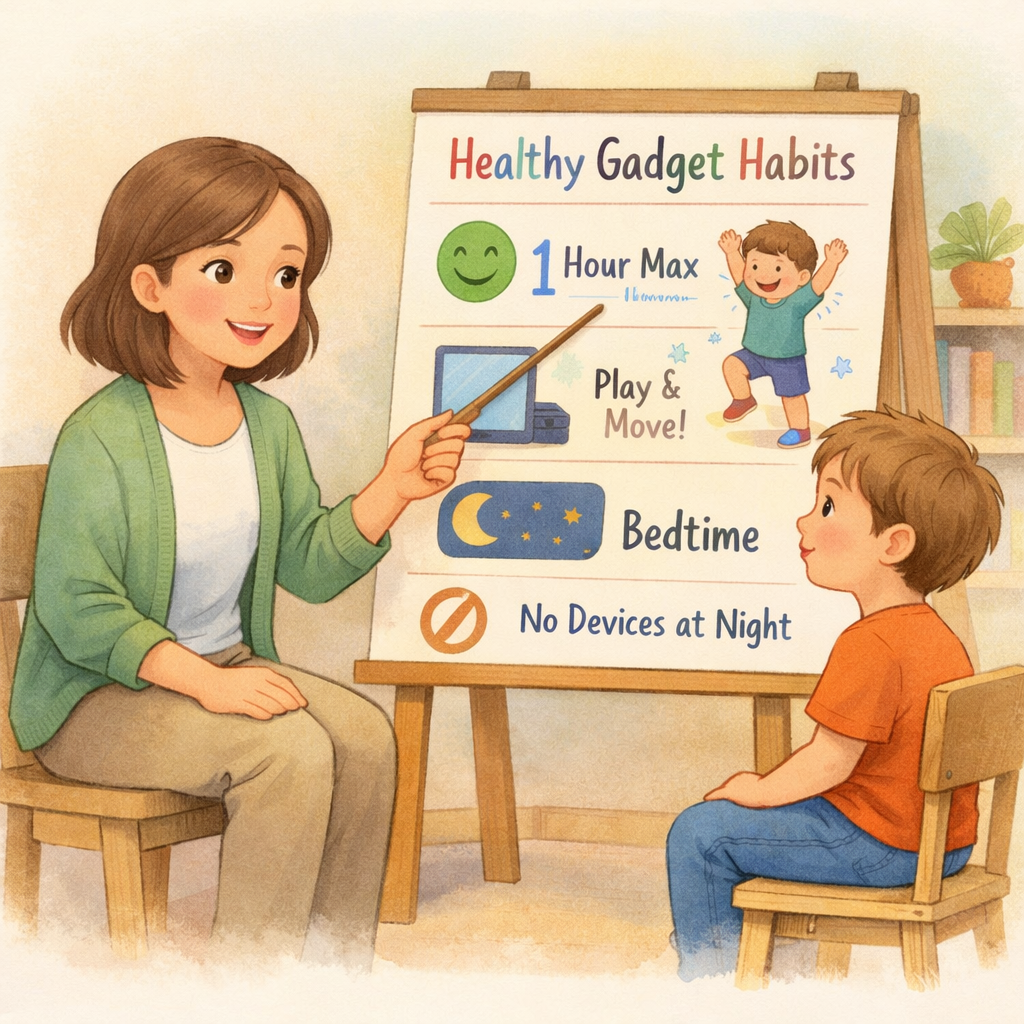
One of the most effective prevention strategies is setting clear and consistent boundaries around the use of digital devices. These rules help your child understand that screen time is a limited part of their day, not the main event. Start by creating a family media plan that outlines when, where, and for how long devices can be used.
It's important that these boundaries are reasonable and agreed upon as a family, especially with older children. This gives them a sense of ownership and makes them more likely to follow the rules. Be firm but fair in enforcing them. The main signs of device addiction often appear when boundaries are non-existent or inconsistent.
To get started, consider implementing a few basic rules. Clear boundaries are the foundation of healthy technology use.
- Establish "device-free" times, such as during meals and at least one hour before bedtime.
- Set daily screen time limits for non-school-related activities.
- Keep devices out of bedrooms to ensure better sleep and reduce temptation.
Encouraging Offline Activities and Hobbies
A key way to reduce device dependency is to make offline life more appealing. Help your child discover and nurture hobbies and interests that don't involve a screen. This not only fills their time but also helps them build skills, confidence, and a stronger sense of self outside of their online identity.
Encourage activities that promote social engagement, such as joining a sports team, a club, or a local youth group. Spending time with friends in person is crucial for developing social skills and improving mental health. Plan family outings and activities that are fun and screen-free, showing them that enjoyment doesn't have to come from a device.
Also, introduce them to relaxation techniques like reading, drawing, or spending time in nature. These activities can serve as healthy alternatives for managing stress and boredom, which are common triggers for excessive screen use. The more fulfilling their offline life is, the less they will feel the need to escape into a digital one.
When and How to Seek Professional Help
Sometimes, parental strategies aren't enough, and it's important to recognize when professional help is needed. If your child's device use is causing significant mental health issues, disrupting family life, or impacting their school performance, it may be time to consult a professional. This is a sign of strength, not failure.
Start by talking to your child's pediatrician or a school counselor. They can provide initial guidance and refer you to a mental health professional who specializes in behavioral addictions. There are many treatment options available, from individual therapy to family counseling and support groups, that can address the root causes of the addiction.
Knowing where to turn can feel overwhelming, but help is available. Here are a few places to start your search for professional help:
- Ask your primary care doctor for a referral to a child psychologist or therapist.
- Look for therapists who specialize in cognitive behavioral therapy (CBT) for addiction.
- Contact public health organizations for resources and information on local support groups.
Effective Ways to Reduce Device Addiction at Home
Reducing device addiction at home requires a practical and consistent approach. It's about changing the environment and daily routines to make healthy digital habits the easy choice. Simple adjustments to your family's daily life can make a huge difference without feeling like a punishment.
By involving all family members and creating new routines, you can collectively work towards a better balance. From creating screen-free zones to using positive reinforcement, these strategies can help your family break the cycle of compulsive device use and reconnect with each other.
Creating Device-Free Zones and Times
One of the simplest yet most powerful ways to curb excessive screen time is by designating certain areas and times of day as completely device-free. This physically separates your child from their device, breaking the cycle of constant access and temptation. It's a simple form of digital detox that can be integrated into your daily routine.
The dinner table is a great place to start. Making meals a device-free zone encourages conversation and connection. Bedrooms should also be off-limits to screens, especially at night. This promotes better sleep and teaches children that their bed is for rest, not for scrolling.
Consider creating a central charging station in a common area of the house where all family members leave their devices overnight. This prevents late-night use and ensures everyone gets a break. Establishing these boundaries helps improve digital well-being for the entire family and reinforces that technology has a specific place and time.
Involving the Whole Family in Digital Wellbeing
For changes to be effective and lasting, everyone in the family needs to be on board. When digital well-being is a shared goal, it prevents the child from feeling singled out and fosters a sense of teamwork. Start by having an open conversation with all family members about your collective online activity and its impact.
Create a family media plan together. Let your children, especially teens, have a say in setting the rules. This might include agreeing on daily screen time limits, scheduling weekly screen-free family activities, and committing to putting phones away during conversations. This collaborative approach helps build healthy routines and improve social skills within the family.
Remember to lead by example. Your own digital habits send a powerful message. If you want your kids to be more present, you need to be more present too. By making digital wellbeing a family value, you create a supportive environment where everyone is encouraged to build a healthier relationship with technology.
Positive Reinforcement and Reward Systems

Instead of focusing only on the negative consequences of too much screen time, use positive reinforcement to encourage healthy behaviors. A reward system can be a powerful tool for motivation, especially for younger children. This approach is often used in behavioral therapy and can be easily adapted for use at home.
Create a system where your child earns rewards for sticking to their screen time limits or for spending time on offline activities. The rewards don't have to be big or expensive. They could be extra playtime, a special outing with a parent, or choosing the family movie for the night. This shifts the focus from punishment to achievement.
The goal is to help your child find intrinsic motivation to balance their daily life. Over time, they will start to enjoy their offline activities and feel the benefits of being less connected to a screen. Positive reinforcement celebrates their progress and makes the journey to healthier habits a more enjoyable one.
Conclusion
In conclusion, understanding and addressing device addiction in children is crucial for their overall well-being. With the rise of technology, parents must recognize the signs of addiction and its potential impact on mental health and social development. By implementing effective strategies such as setting healthy boundaries, encouraging offline activities, and fostering open communication, parents can support their children in developing a balanced relationship with technology. Remember, promoting digital well-being is a journey that involves the entire family.
If you're looking for personalized guidance on this topic, don’t hesitate to reach out for a consultation or call daar at 02 9133 2500. Together, we can create a healthier digital environment for your children.
Frequently Asked Questions
What is the difference between healthy device use and addiction in children?
Healthy device use is balanced and doesn't interfere with a child's daily life, whereas device addiction involves compulsive behavior and a loss of control over screen time. Addiction negatively impacts school, relationships, and well-being, often because healthy boundaries have not been established or are consistently ignored.
Can behaviour therapy really help kids overcome screen addiction?
Yes, behavior therapy is highly effective for technology addiction. It teaches children practical skills to manage their screen time through techniques like cognitive restructuring and building new habits. With support from therapists and support groups, kids can develop a healthier relationship with technology.
How much daily screen time is considered safe for children in Australia?
Australian public health guidelines recommend no screen time for children under two. For kids aged 2-5, it's limited to one hour per day, and for ages 5-17, two hours of recreational screen time is the suggested safe limit to protect physical health and encourage balanced technology use.
.svg)




.svg)