
.png?width=48&height=48&name=Group%201%20(3).png)























3 December, 2025

Introduction
Have you ever wondered how science can help us understand and improve behaviour? Applied Behaviour Analysis (ABA) is a therapy that does just that. It applies principles of learning to real-world situations to foster meaningful behaviour change. While it has been used to help many different learners, it is widely recognized for its effectiveness in supporting individuals on the autism spectrum. This approach can be a powerful tool for improving mental health, developing skills, and enhancing overall quality of life.
Key Highlights
-
Applied Behaviour Analysis (ABA) is a therapy founded on the science of learning and behaviour.
-
The primary goal is to increase helpful behaviours and decrease those that hinder learning.
-
ABA therapy can help improve communication, focus, and social skills for individuals with autism spectrum disorder.
-
A certified behaviour analyst customizes each program to meet a person’s unique needs and goals.
-
Key ABA techniques include positive reinforcement to encourage desired behaviours.
-
ABA can be adapted for various settings, including home, school, and community environments.
Understanding Applied Behaviour Analysis (ABA Therapy)
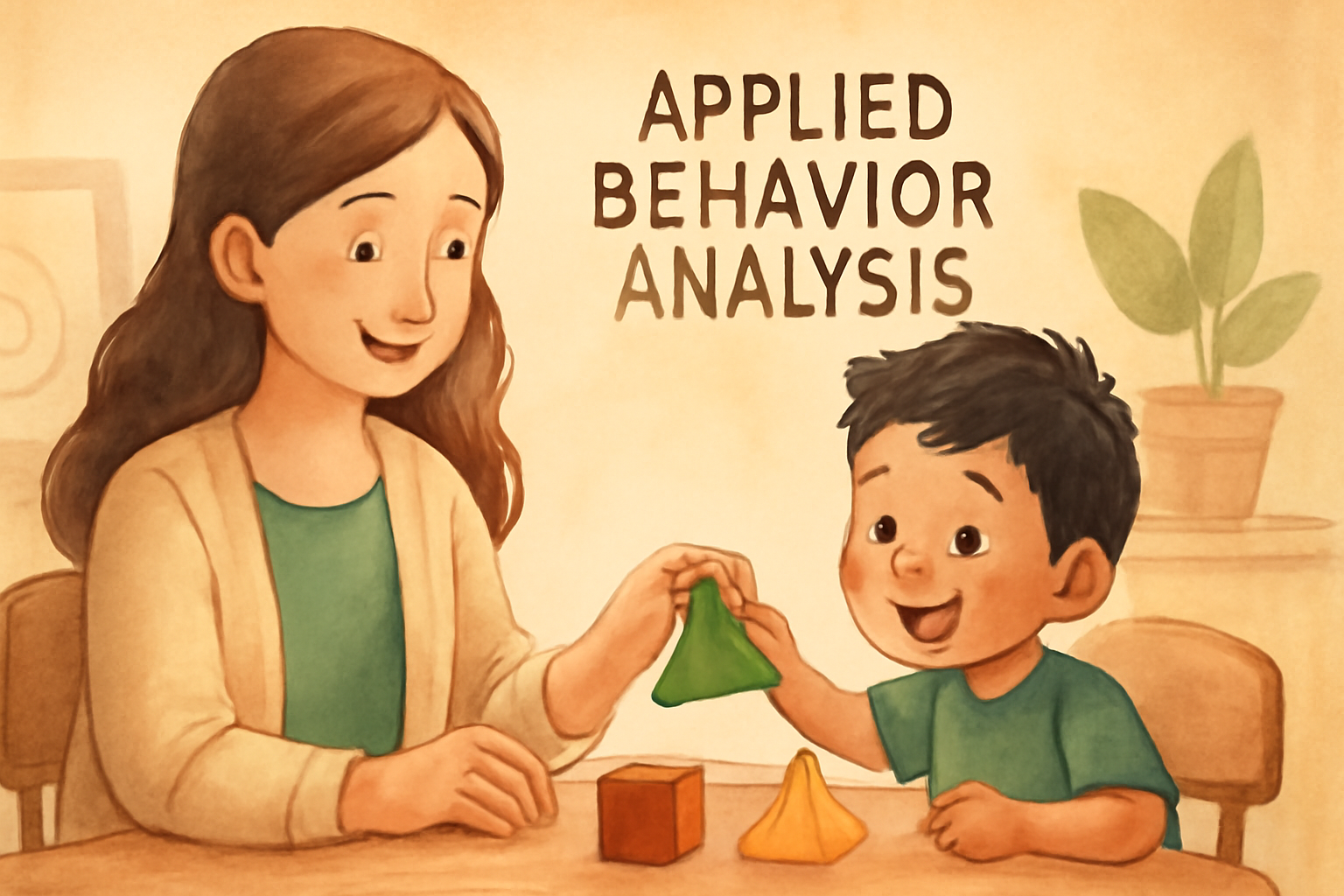
Applied Behaviour Analysis, often called ABA therapy, is a scientific approach to understanding behaviour. It focuses on how behaviour is affected by the environment and how learning takes place. The therapy has been studied for decades and used since the 1960s to help children with autism and related developmental disorders.
The core purpose of ABA is practical: to increase useful behaviours and decrease those that are harmful or interfere with learning. A qualified professional, certified by the Behaviour Analyst Certification Board, designs and oversees these programs to support mental health and skill development. We will explore what defines this therapy and how it is applied in practice.
Defining ABA Therapy and Its Core Components
Applied Behaviour Analysis encompasses techniques designed to enhance specific behaviours while reducing challenging ones. Core components include functional assessment to identify behaviour triggers and teach new skills through systematic interventions. Utilizing principles of behaviourism, ABA therapists target specific treatment goals tailored to individual needs, often applying strategies like Discrete Trial Training and Functional Communication Training. These methods help promote positive behaviour changes, especially in young autistic children, ultimately aimed at improving their quality of life through effective communication and social skills.
How ABA Therapy Works in Practice
ABA therapy is implemented through structured interventions aimed at modifying specific behaviours. Trained behaviour analysts assess each child's individual needs, establishing treatment goals tailored to their unique circumstances. Techniques such as Discrete Trial Training (DTT) and Functional Communication Training are employed to enhance communication skills and social interactions. Continuous monitoring of progress enables the adjustment of interventions based on the child's response, ensuring a dynamic approach that fosters skill acquisition in a variety of settings, from home to school.
Key Principles of ABA Therapy
The effectiveness of ABA therapy is rooted in its core principles, which are derived from the science of behaviour analysis. These principles help us understand why behaviours happen and how they can be changed. The fundamental idea is that behaviour is learned and can be influenced by what happens before and after it occurs.
By applying the principles of behaviourism, therapists can systematically teach new skills and reduce challenging behaviours. It's about creating a structured environment that supports learning and encourages positive behaviour change. The following sections will explain the science behind this change and the important role of positive reinforcement.
The Science Behind Behaviour Change
Understanding the mechanisms that drive behaviour change is essential in Applied Behaviour Analysis (ABA). This scientific approach is grounded in the principles of behaviourism, focusing on the relationship between environmental variables and specific behaviours. Utilizing methodologies such as early intensive behavioural intervention and functional communication training, trained behaviour analysts identify target behaviours to modify, ensuring that interventions align with individual needs.
By applying systematic techniques like discrete trial training, ABA practitioners can effectively teach new skills and promote positive behaviour. The continuous monitoring of progress enables behaviour technicians to adjust their strategies, thus enhancing skill acquisition in young autistic children and other individuals with developmental disorders. This data-driven model prioritizes effective interventions that lead to lasting change, improving the quality of life for clients in various community settings.
Positive Reinforcement and Its Role
Positive reinforcement is one of the most important and widely used strategies in ABA. The concept is simple: when a behaviour is followed by something rewarding, the person is more likely to repeat that behaviour in the future. This is a key driver of positive behaviour change.
First, a therapist identifies a goal, or one of the desired behaviours to work on. Each time the person successfully demonstrates that skill, they receive a reward. This reward is always something meaningful to the individual, whether it's praise, a favorite toy, or extra time with a fun activity.
This approach to behaviour modification focuses on encouragement and motivation. Over time, providing positive reinforcement for useful skills helps make them a natural part of a person's routine. It builds confidence and makes learning an enjoyable and rewarding experience.
Common Techniques Used in ABA Therapy
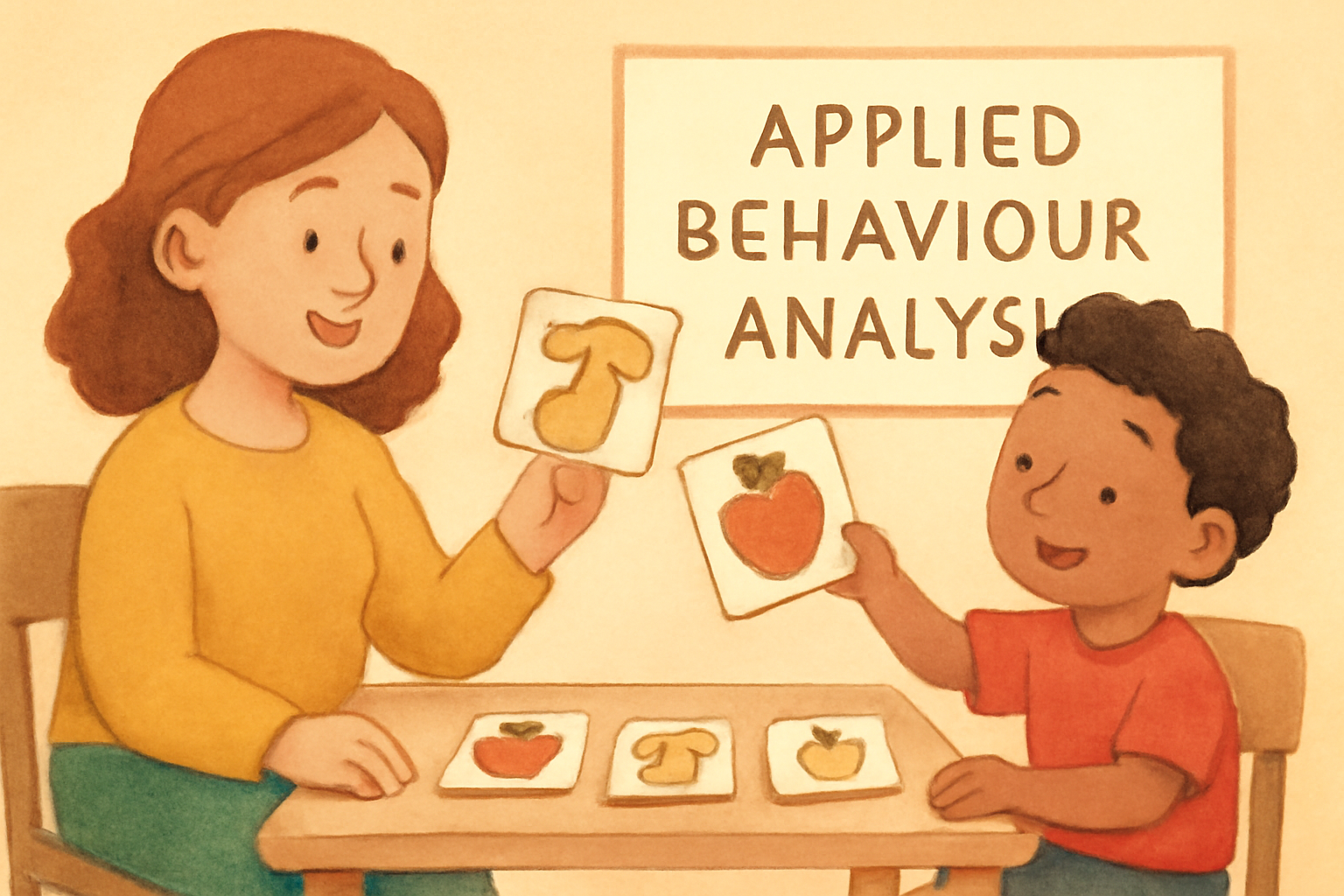
Applied Behaviour Analysis is not a single method but a collection of different techniques used for behaviour modification. A behaviour analyst will choose the most appropriate procedures based on an individual's specific needs. These techniques are designed to teach everything from communication skills to appropriate social interactions.
The goal is to break down complex skills into manageable steps, making them easier to learn. Some techniques are directed by the instructor, while others are led by the learner. Let's look at two common methods: Discrete Trial Training and Functional Behaviour Assessment.
Discrete Trial Training (DTT) Explained
Discrete Trial Training (DTT) is a highly structured teaching method used in Applied Behaviour Analysis (ABA) that focuses on breaking down skills into small, teachable components. Each "trial" typically comprises a clear instruction or prompt, a prompt for the desired behaviour, and a consequence that serves as reinforcement. This method allows for repeated practice, making it an effective intervention for children with developmental disabilities, including those on the autism spectrum.
The role of a trained behaviour analyst in DTT is crucial, as they design specific treatment goals based on individual needs. Through consistent practice and positive reinforcement, DTT promotes skill acquisition, enhancing communication skills, social interactions, and daily living skills. By applying the principles of behaviourism, DTT not only aims to modify challenging behaviours but also to foster new, desired behaviours in a controlled learning environment.
Functional Behaviour Assessment in ABA
A Functional Behaviour Assessment (FBA) is a process used to understand the purpose behind a person’s actions, especially problem behaviours. Instead of just looking at the behaviour itself, an FBA seeks to identify why the target behaviour is happening. This is done by analyzing the antecedents and consequences related to it.
Understanding the "function" of a behaviour is crucial for developing effective treatment goals. For example, is a child acting out to get attention, to escape a difficult task, or for another reason? Once the function is known, the therapist can teach a more appropriate replacement behaviour that serves the same purpose.
This A-B-C analysis helps guide the intervention. With continued practice, the individual can learn to replace inappropriate behaviours with ones that are more helpful.
|
Component |
Description |
Example |
|---|---|---|
|
Antecedent |
What occurs right before the behaviour. |
The teacher says, “Time to clean up.” |
|
Behaviour |
The person's response or lack of response. |
The student yells, “No!” |
|
Consequence |
What comes directly after the behaviour. |
The teacher says, “Okay, toys are all done.” |
Conclusion
In conclusion, Applied Behaviour Analysis (ABA) is a transformative approach that can significantly enhance the lives of individuals by understanding and modifying behaviour. By utilizing key principles such as positive reinforcement and various techniques like Discrete Trial Training, ABA therapy not only addresses specific behavioural challenges but also promotes overall skill development. Whether you're a parent seeking to support your child or a practitioner looking to expand your knowledge, embracing the core concepts of ABA can unlock potential and foster meaningful change.
If you're interested in learning more about how ABA can benefit you or your loved ones, feel free to reach out for a consultation or call daar at 02 9133 2500!
Frequently Asked Questions
Is ABA Therapy suitable for everyone?
ABA therapy is highly individualized, but it may not be a good fit for everyone. Its suitability depends on a person’s individual needs, goals, and preferences. A thorough assessment by a qualified professional can help determine if ABA is the right approach to address specific behaviours and teach desired behaviours effectively.
Where can parents find reliable resources on ABA Therapy?
For reliable resources on ABA therapy, a great starting point is the Behaviour Analyst Certification Board (BACB) website. You can also consult with pediatricians, search for local ABA services, and connect with autism advocacy groups. These sources can provide information on finding qualified providers and understanding services in community settings.
What are some common techniques used in Applied Behaviour Analysis?
Applied Behaviour Analysis uses various techniques for skill acquisition and behaviour modification. Some common methods include Discrete Trial Training (DTT), which breaks skills into small steps, and the use of positive reinforcement to encourage desired behaviours. Functional Behaviour Assessments are also used to understand and address challenging behaviours.
.svg)




.svg)