
.png?width=48&height=48&name=Group%201%20(3).png)























27 April, 2026

Understanding Behaviour Therapy for Autism in Children
Key Highlights
- Behaviour therapy is a key support for children on the autism spectrum, helping to improve daily life, communication, and social skills. Interventions like applied behaviour analysis (ABA) use positive reinforcement to encourage helpful behaviours and reduce challenging ones. If you are looking for qualified behaviour therapists for autism near you, consider searching local healthcare directories, autism support organizations, or contacting your pediatrician for recommendations; these resources can connect you with professionals trained in behaviour analysis who specialise in supporting children with autism spectrum disorders.
- Interventions like applied behaviour analysis (ABA) use positive reinforcement to encourage helpful behaviours and reduce challenging ones.
- Therapy plans are customised for each child, considering their unique needs, age, and symptoms of autism.
- Early intervention is crucial, as it helps children build core developmental and communication skills from a young age.
- Approaches like social skills training and play-based therapy help children become more independent and improve their emotional well-being.
- Parent involvement is essential for applying lessons from therapy to daily routines, maximising the effectiveness of the strategies.
Introduction
Navigating autism spectrum disorder can feel challenging, but behaviour therapy offers a path filled with hope and progress. For children with autism, this type of therapy provides the essential tools they need to build confidence, independence, and crucial communication skills. It’s an evidence-based approach focused on nurturing a child's potential. By understanding the principles behind behaviour therapy, you can see how it supports child development and improves mental health, empowering your child to engage with the world more confidently.
What is Behaviour Therapy for Autism in Children?
Behaviour therapy for children on the autism spectrum is a structured approach designed to understand and modify behaviour. It’s based on the science of learning and focuses on teaching new skills to help children navigate daily life more effectively. For a child with developmental disorders like autism, everyday tasks and social interactions can be difficult. This therapy aims to understand what drives a child's actions and then introduces new coping methods and communication skills.
The goal isn't just to reduce problematic behaviours; it's about fostering the unique strengths and potential within each child. This form of behavioural therapy uses evidence-based techniques to improve everything from social skills and emotional regulation to daily living activities. Breaking down complex tasks into smaller, manageable steps, it helps children with autism build the life skills they need to thrive.
How Behaviour Therapy Supports Development in Autistic Children
Through tailored interventions, behaviour therapy fosters essential social skills and communication abilities in autistic children. Techniques such as positive reinforcement and discrete trial training promote desired behaviours, making everyday interactions smoother and more enjoyable. As children practice new skills in various settings, they experience meaningful behaviour change, which enhances their quality of life. Furthermore, behaviour analysts work closely with families to ensure that therapy aligns with individual needs, ultimately supporting the child’s development and helping them thrive in daily routines.
Main Types of Behaviour Therapy Used in Autism
Children on the autism spectrum can benefit from several types of behaviour therapy, each tailored to their individual needs and strengths. The most common methods include Applied Behaviour Analysis (ABA) and play-based approaches. These therapies focus on shaping behaviours, enhancing communication, and building social skills.
While ABA is well-known for its structured approach to behaviour change, it helps children manage their thoughts and emotions. Social skills training and play therapy are also widely used, especially for younger children who need support in making friends and navigating social situations. Let's explore some of these key therapies more closely.
Applied Behaviour Analysis (ABA) and Its Role
Applied Behaviour Analysis (ABA) plays a crucial role in the support and development of autistic children. By utilising the principles of behaviour analysis, ABA helps to foster meaningful behaviour change, focusing on enhancing communication skills and social interactions. This therapy method emphasises positive reinforcement and structured techniques to address specific behaviours, making daily routines more manageable. With the guidance of board-certified behaviour analysts, children can build essential life skills tailored to their unique needs, ultimately improving their quality of life and overall development.
Social Skills Training and Play-Based Approaches
Alongside ABA, social skills training and play-based therapy are valuable tools for helping children on the autism spectrum. Social skills training is often conducted in small groups, where children learn fundamental skills for social interactions through direct instruction, observation, and practice.
Play-based therapy, such as Pivotal Response Treatment (PRT), uses a child's natural motivation to play to teach communication and social skills. This approach is particularly effective for younger children who learn best through hands-on activities. It helps improve joint attention and language in a fun, engaging way. Key features include:
- Direct teaching and practice of social skills like starting conversations.
- Play-based methods to enhance joint attention and language.
- A focus on relationship development to build strong bonds.
These therapies integrate learning into daily routines, making it easier for children to practice their new skills in real-world situations, from the playground to the classroom.
How Applied Behaviour Analysis (ABA) Works for Children with Autism
Applied behaviour analysis (ABA) is a structured approach that helps children with autism by focusing on reinforcing positive behaviours while addressing challenging ones. By breaking down skills into smaller, manageable steps, ABA therapists create tailored programs that suit each child’s unique needs. This type of therapy enhances social interactions, communication skills, and daily living skills, improving the overall quality of life. Family involvement is crucial, as it fosters consistency and encourages meaningful behaviour change in various settings throughout daily routines.
Techniques and Strategies Used in ABA Therapy
Various techniques and strategies play a vital role in ABA therapy, aiming for meaningful behaviour change in children on the autism spectrum. Positive reinforcement enhances the development of desired behaviours, while discrete trial training breaks skills into manageable steps, making learning more accessible. Naturalistic developmental behavioural interventions help children practice new skills in everyday situations. These approaches, guided by certified behaviour analysts, focus on individual needs, ensuring tailored support that fosters social skills, communication, and daily living abilities essential for improving overall quality of life.
Real-Life Examples of ABA in Action
Capturing the essence of applied behaviour analysis (ABA) can be seen in various real-world scenarios. For instance, a child learning to request help during a challenging task might start by using simple phrases and gradually progress to complete sentences, enhancing their communication skills. In another case, reinforcing positive social interactions, such as sharing toys with peers, encourages desirable behaviour and fosters meaningful friendships. These everyday applications not only support skill development but also significantly improve the overall quality of life for autistic children.
The Importance and Benefits of Early Behavioural Intervention
Early intervention is incredibly important for young children with autism. Starting behavioural therapy at a young age can significantly influence a child's development, helping them build foundational skills in communication, social interaction, and learning. The brain is more adaptable during early childhood, making it the ideal time to introduce supportive therapies.
Engaging in early behavioural support can lead to lasting positive changes, not just in behaviour but also in intellectual functioning and overall well-being. By addressing challenges early, we can help children reach their full potential. Let's look at when therapy can begin and the advantages it offers.
When Can Children Start Behaviour Therapy?
Children can begin behaviour therapy as soon as an autism diagnosis is made, even in early childhood. There is no specific age requirement, and the principle of "the earlier, the better" guides early intervention. Research shows that young children who receive intensive therapy often have better long-term outcomes.
The process starts with an assessment to understand the child's needs, strengths, and challenges. Based on this, a personalised plan is created. For very young children, therapy is often play-based and integrated into their daily activities to make learning natural and enjoyable.
The goal is to break down skills into small, manageable steps that a child can master. This builds a strong foundation for future learning and development. By starting early, you give your child the best opportunity to build essential skills and confidence from a young age.
Short-Term and Long-Term Advantages for Children and Families
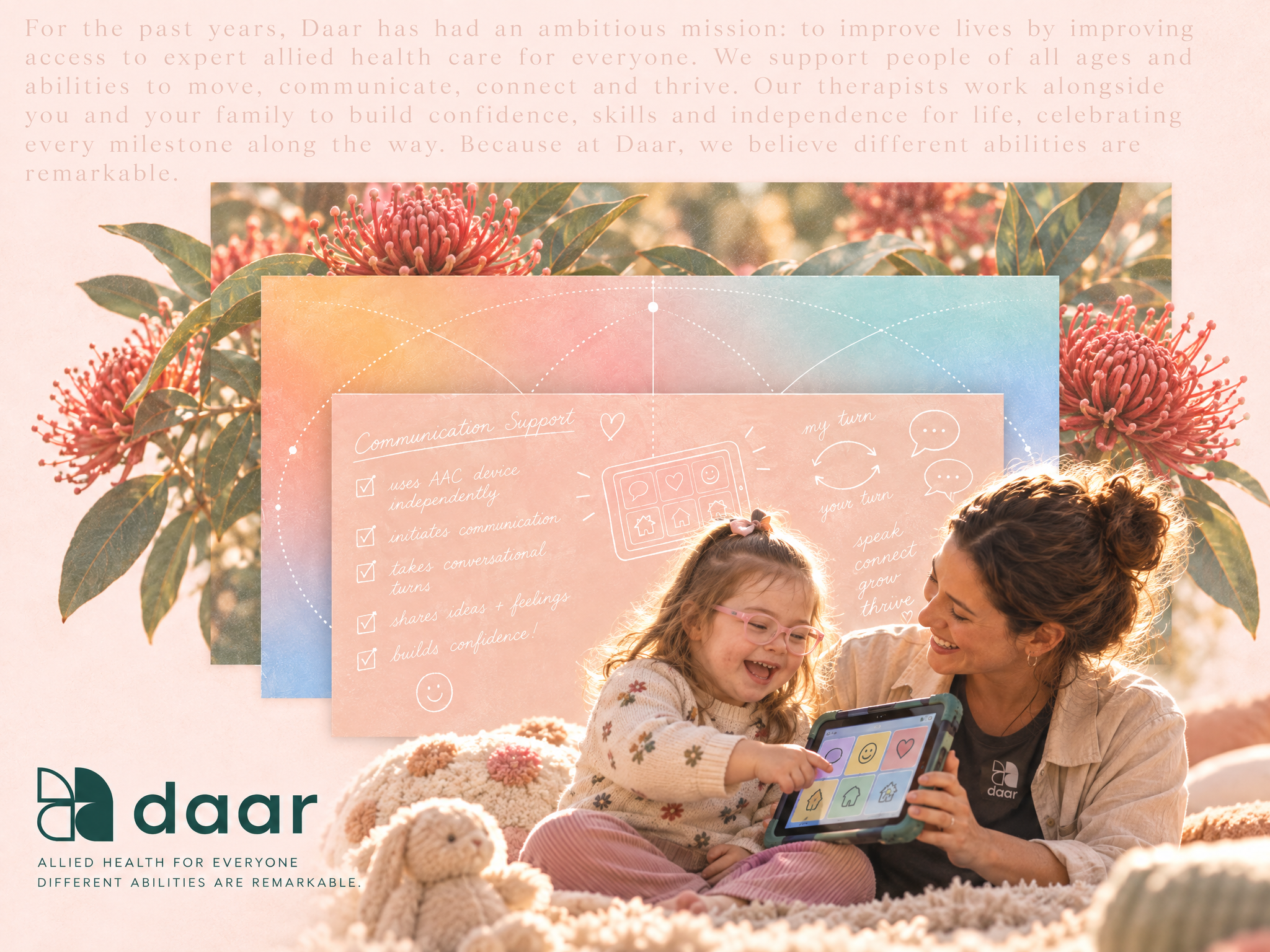
Early behavioural intervention brings a host of advantages, both immediate and in the long run. In the short term, families often see positive changes in their child’s ability to communicate their needs, reducing frustration and challenging behaviours. This can lead to a calmer and more predictable home environment.
Over time, these interventions contribute to a higher quality of life for the entire family. As children develop better daily living skills and academic skills, they become more independent and confident. Family members also receive training and support, empowering them to help their child thrive. Key long-term benefits include:
- Improved social functioning and ability to build relationships.
- Greater independence in self-care and daily tasks.
- Enhanced academic performance and learning abilities.
These advantages highlight how early and consistent therapy can create a positive ripple effect, benefiting not just the child but everyone who supports them.
Conclusion
In conclusion, understanding behaviour therapy for autism in children is crucial for fostering their development and well-being. With various approaches like Applied Behaviour Analysis (ABA) and social skills training, these therapies can make a significant difference in a child's life. Early intervention not only enhances the child's abilities but also provides long-term benefits for families. By prioritising these therapies, we can create a supportive environment that empowers autistic children to thrive.
If you're considering behaviour therapy for your child or looking for guidance, don't hesitate to reach out for a consultation or call daar at 02 9133 2500.
Frequently Asked Questions
Are there risks or challenges with behaviour therapy for autism?
While behavioural therapy is highly effective, challenges can arise. Progress may be slow, and managing challenging behaviours can be difficult. It's crucial that the therapy is tailored to the child’s unique needs and that therapists are qualified. Consistent monitoring of the child's progress helps ensure the approach remains beneficial.
How do psychologists and therapists support autistic children in Australia?
In Australia, psychologists and therapists provide support through NDIS-funded services. They design and oversee behavioural therapy programs, including ABA therapy services, for young children. These professionals work with families to create personalised plans that align with the child’s goals and support their development in various settings.
Can behaviour therapy be combined with other support options?
Yes, behaviour therapy is often most effective when combined with other supports like speech therapy, occupational therapy, and mental health counseling. A multidisciplinary approach ensures all of a child's needs are met. Each therapy session can be coordinated to work toward shared family goals, providing comprehensive support.
.svg)




.svg)