
.png?width=48&height=48&name=Group%201%20(3).png)























7 April, 2026

A Parent's Guide to Behaviour Therapy for ADHD
Key Highlights
- Behaviour therapy is a highly effective treatment that can improve your child's behaviour, self-control, and self-esteem.
- For young children, parent training in behaviour management is the recommended first step, often before medication is considered.
- Therapy sessions focus on teaching parents skills and strategies to help their child with ADHD succeed.
- Techniques like positive reinforcement are central to behaviour therapy, helping to encourage good behaviour and reduce ADHD symptoms.
- This approach equips you and your child with new skills for managing daily life at home, school, and in social situations.
Introduction
Navigating a diagnosis of attention deficit hyperactivity disorder (ADHD) can present unique challenges for your family, often impacting daily routines and interactions. Behavioural therapy, following a clinical practice guideline, stands out as a key part of the comprehensive treatment of ADHD. It offers structured, evidence-based methods to help manage symptoms. This approach not only helps your child develop new skills but also empowers you as a parent with effective strategies to create a supportive and positive home environment, fostering your child's well-being.
Parent Training in Behaviour Management
Parent training in behaviour management and training parents is a key tool for parents of children with ADHD. Experts recommend it as the first treatment for kids under 12 because it teaches you how to address problem behaviours directly.
These strategies let you have the biggest impact on your child’s behaviour. Training helps you build a structured, supportive home—essential for managing your child’s ADHD symptoms. It offers practical ways for your family to work together. Here’s how parent training works and why family support matters.
How Parent Training Works for Kids with ADHD
Parent training addresses the unique challenges of raising young children with ADHD. Since kids under six can't change their behaviour alone, this therapy empowers parents with practical skills.
A therapist teaches you to use positive reinforcement, structure, and consistent discipline. You'll learn effective ways to communicate with your child and manage ADHD symptoms by strengthening good behaviours and reducing unwanted ones.
Between sessions, you'll practice these strategies at home. This hands-on approach helps you apply new skills in real-life situations, creating lasting improvements in your child's behaviour and family life.
Practical Strategies for Families to Support Therapy
Family support is crucial for successful behaviour therapy, particularly in social settings. When everyone works together, your child benefits from a consistent environment that reinforces therapy lessons and helps build new skills.
To support your child's progress, make sure all family members understand the therapy goals and strategies. Celebrate positive behaviours and small achievements—consistency from caregivers is essential for lasting change.
Practical ways to help include:
- Establish a daily routine for waking up, homework, and bedtime.
- Use charts to track goals and reward positive behaviours with praise or incentives, and implement specific positive ways to respond to challenges.
- Keep your child organized with designated spots for schoolbags, clothes, and toys.
- Reduce distractions like TV or noise during homework.
Inside a Behaviour Therapy Session
Behaviour therapy is a treatment that helps reduce disruptive behaviours and improve self-regulation by teaching and strengthening positive behaviours, especially for children with childhood ADHD. For children with ADHD, this can make a significant difference in their ability to manage symptoms that affect their relationships and school performance.
During therapy sessions, the focus is on practical, hands-on behavioural interventions. A therapist works with you and your child to set clear goals and develop strategies to improve social interactions, daily functioning, and organisational skills. The following sections will give you a better idea of what to expect in these sessions and the common techniques used.
What to Expect in Typical Sessions
When starting behavioural therapy, you’ll typically attend eight or more sessions—either in a group with other parents or individually with your family. For young children, the main focus is parent training, since you’re best positioned to support your child in everyday situations.
Your therapist will meet with you and your whole family regularly to track progress, provide support, and adjust strategies as needed. You’ll receive clear guidance and activities to practice between sessions, which is essential for building new skills and reducing problem behaviours.
A typical session includes:
|
Session Component |
Description |
|---|---|
|
Review and Check-in |
Discuss progress and challenges since the last session. |
|
Skill Introduction |
Learn a new strategy or skill from the therapist. |
|
Practice and Role-play |
Practice the new skill with therapist feedback. |
|
Goal Setting |
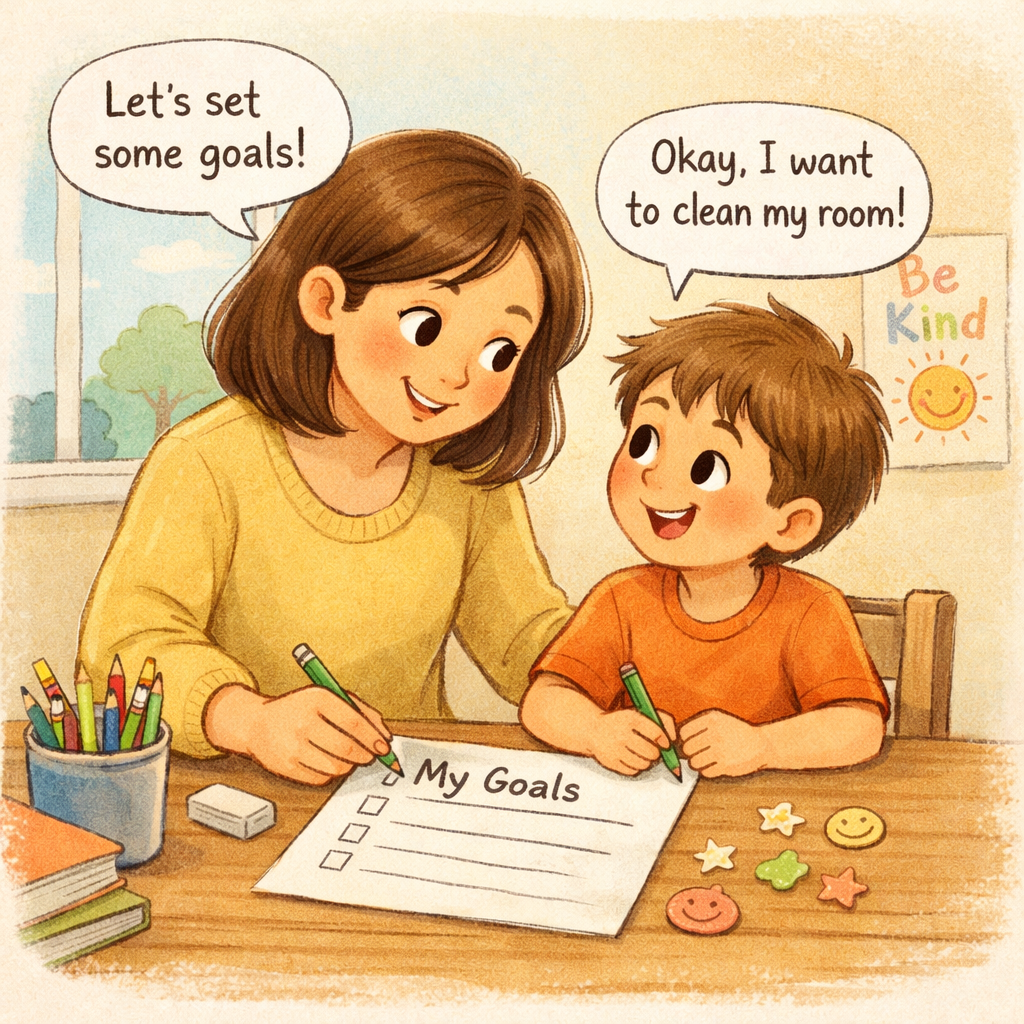
Set specific goals to work on before the next session. |
Common Techniques Used by Therapists for ADHD
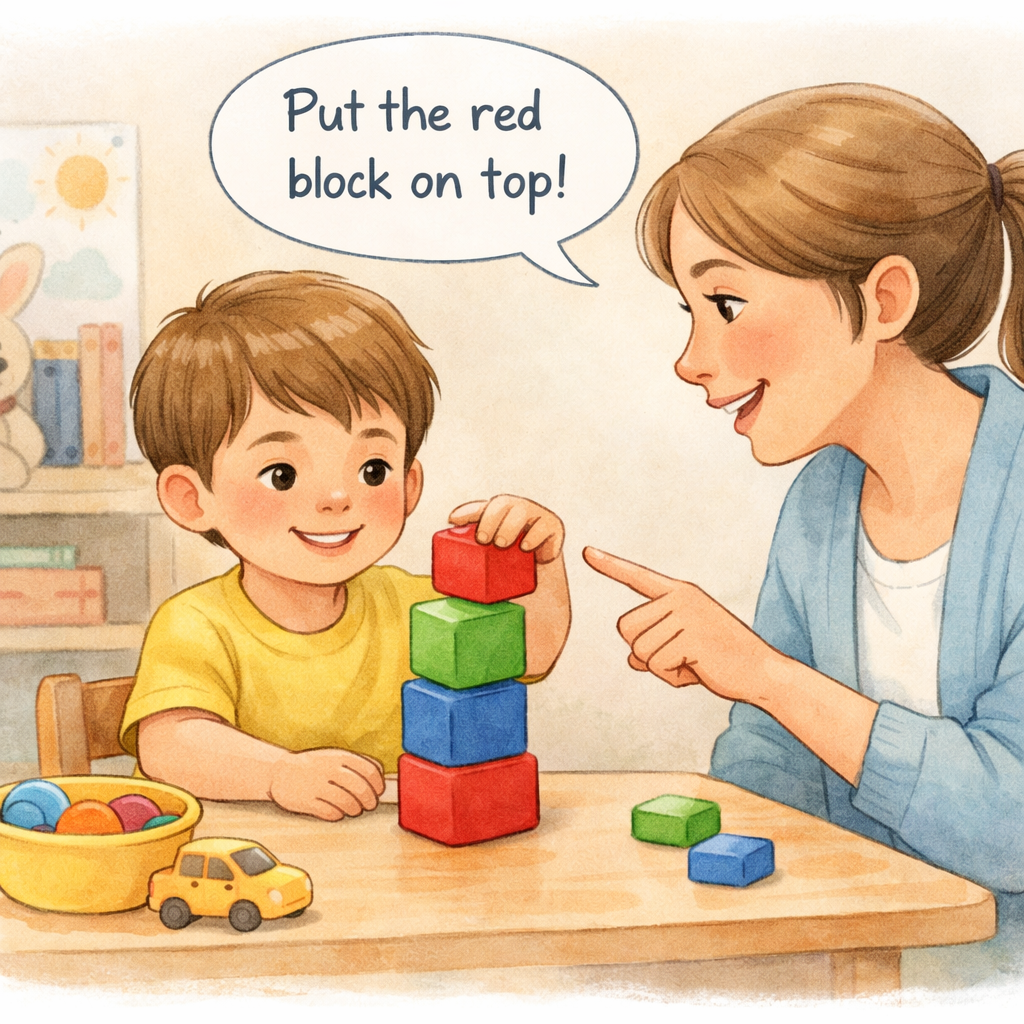
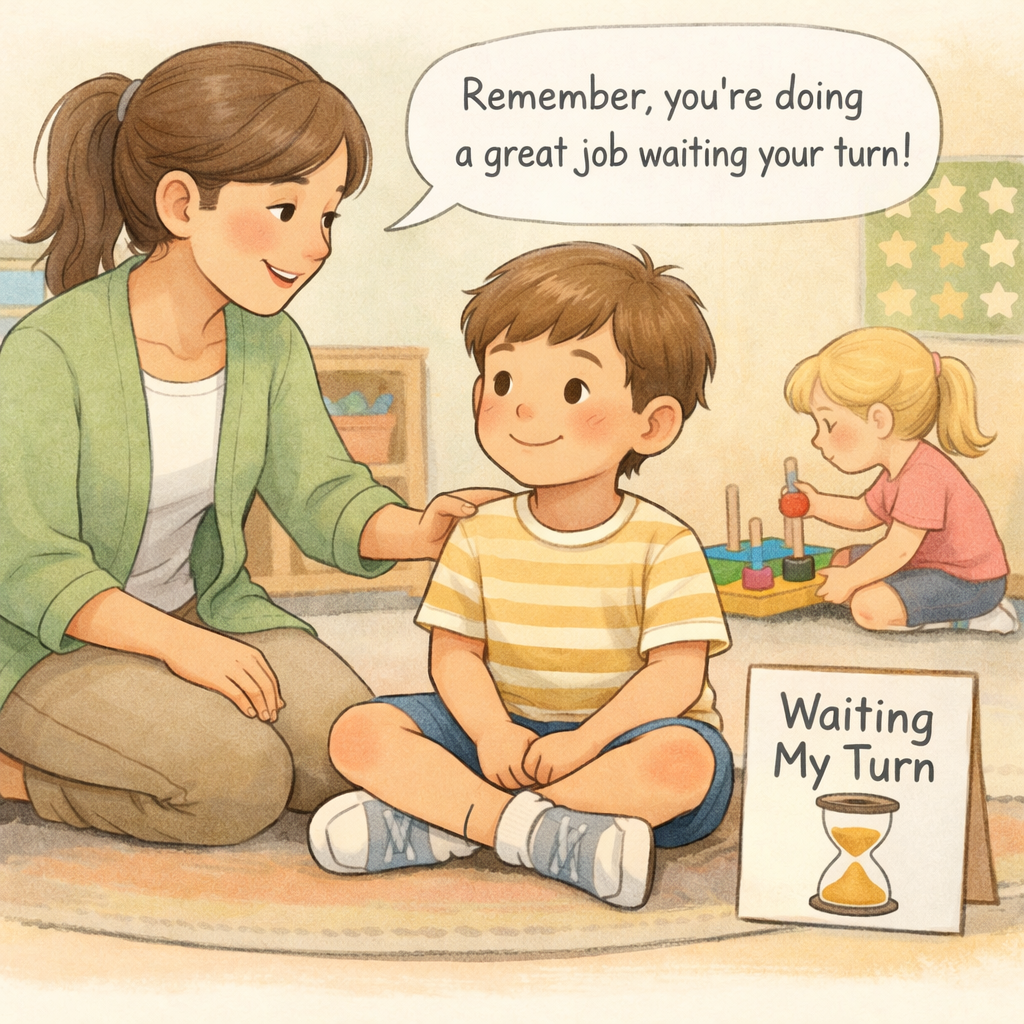
Various techniques are beneficial in addressing symptoms of ADHD through behavioural therapy, which also helps in reducing parental stress. Positive reinforcement is a fundamental approach, encouraging good behaviour by rewarding desirable actions. Additionally, play therapy allows young children to express themselves, making it easier to address underlying issues. Parent training is also vital, equipping family members with strategies to manage problem behaviours effectively. Therapists may implement cognitive behavioral therapy to help older children develop organizational skills and improve time management, leading to better daily functioning and enhanced social interactions.
Conclusion
In conclusion, behaviour therapy for ADHD can be life-changing for families. By learning key components like parent training and best practices, along with practical strategies, you can create a supportive environment that encourages positive changes. Therapy sessions use techniques tailored to your child’s needs, helping them manage challenges more effectively. Progress takes time and patience, but with commitment, you’ll see meaningful improvements.
If you’re ready to explore behaviour therapy for your family, schedule a consultation or call daar at 02 9133 2500 today—your journey to better mental health begins now.
Frequently Asked Questions
Is Behaviour Therapy Effective for Adults with ADHD?
Yes, behaviour therapy is an effective treatment option for adults with ADHD. It helps improve skills like time management and organization while addressing specific challenges adults face. Therapies such as cognitive behavioural therapy (CBT), can help manage ADHD symptoms, improve emotional regulation, and enhance overall quality of life by changing negative thought patterns.
Are There Risks or Side Effects Associated with Behaviour Therapy?
Unlike medication, behaviour therapy has no known side effects and is considered a very safe treatment. It requires time and effort from parents and children, which can be challenging for some families. The National Institute of Mental Health supports behaviour therapy as a key part of treatment, and your healthcare providers can guide you toward a combination of medication and behaviour therapy if necessary.
How Long Does It Take to See Results from Behaviour Therapy?
The time it takes to see results from behaviour therapy for children under 6 years of age varies for each child. Some families notice improvements in daily functioning and a reduction in ADHD symptoms within a few weeks of consistent practice. For others, it may take several months to see significant changes in areas like academic performance.
.svg)




.svg)