
.png?width=48&height=48&name=Group%201%20(3).png)























10 March, 2026

Unlocking Autism and Diet: Tips for Better Nutrition

Key Highlights
- Meeting the nutritional needs of individuals with autism can be challenging due to sensory issues and food selectivity.
- A balanced diet is crucial, but many face nutritional deficiencies in key vitamins and minerals.
- Certain dietary intervention strategies, like introducing new foods slowly, can help expand food choices.
- Some parents explore special diets, such as gluten-free or casein-free, to manage symptoms.
- Addressing gastrointestinal issues and promoting gut health may lead to positive behavioral changes.
- Creating structured and supportive mealtime routines is key to overcoming feeding challenges.
Introduction
Navigating the world of nutrition for a loved one with autism spectrum disorder (ASD) can feel overwhelming, but you're not alone. The connection between diet and well-being in autism spectrum disorder (ASD) is an area of growing interest. While there isn't a one-size-fits-all "autism diet," current research suggests that a personalized approach to nutrition, including adequate sources of dietary fiber, can make a significant difference. Focusing on a balanced and nutrient-rich diet can support overall health and may help individuals with autism spectrum disorder feel and function at their best.
Common Nutritional Challenges in Autism
Many children with autism and other developmental disorders experience common eating problems that stem from sensory issues and food aversions. This food selectivity often leads to a limited diet, increasing the risk of nutritional deficiencies. You might notice your child rejecting foods based on their texture, smell, or even brand, which can make mealtimes a struggle.
Furthermore, gastrointestinal issues like constipation or abdominal pain are frequently reported, which can further impact appetite and eating habits. Addressing these challenges requires a patient and structured approach, often involving gradual food introduction and creating a supportive eating environment. Below, we'll explore these issues in more detail.
Sensory Sensitivities and Food Aversions
Sensory sensitivity is common in autism and often causes food aversions. For some, the texture, smell, or appearance of foods can trigger sensory overload, making eating uncomfortable or distressing. This isn’t just “picky eating”; it’s a genuine response to how their brain processes food.
This sensitivity can lead to extreme selectivity, with children eating only a few preferred foods and rejecting entire groups like vegetables or proteins due to challenging textures or intense flavors. These choices may affect mood, concentration, and energy, which can create nutritional gaps that increase the risk of diet-related issues such as obesity and cardiovascular disease.
Recognizing that these aversions stem from sensory issues is crucial. Identifying problematic textures or tastes allows you to offer safe alternatives and gradually expand their diet in a non-threatening way.
Gastrointestinal Issues and Their Impact on Eating
Many children with autism experience frequent gastrointestinal issues, such as constipation, diarrhea, abdominal pain, and bloating, which can contribute to weight gain. These discomforts can reduce appetite and lead to food refusal.
Negative associations with eating may develop if a child feels unwell after meals, causing them to avoid food. Research suggests that gut bacteria imbalances may contribute to both digestive problems and behavioral symptoms like irritability and difficulty focusing.
Addressing digestive issues is essential for better nutrition. Simple interventions—like probiotics or digestive enzymes under medical supervision—can restore gut balance and improve eating habits.
Signs of Nutritional Deficiencies in Autism
A limited diet increases the risk of nutritional deficiencies in children, especially when entire food groups are avoided. Missing key vitamins and minerals can affect energy, immune function, and bone health—even if symptoms are subtle.
Watch for signs like constant tiredness, frequent illnesses, tooth decay, or poor growth. For example, iron deficiency may cause fatigue, while low vitamin D impacts bones and immunity.
Consult your pediatrician or a registered dietitian if your child shows:
- Ongoing low energy or tiredness
- Weight loss or poor growth
- Pica (eating non-food items)
Addressing Picky Eating Behaviors
Dealing with food selectivity in picky eaters can be one of the biggest mealtime challenges for parents. The key is to approach the introduction of a new food with patience and strategy, rather than pressure. Forcing a child to eat something new can increase anxiety and reinforce their refusal.
Instead, the goal is to make trying new foods a positive and low-stress experience. This involves creating supportive routines and using gentle techniques to encourage curiosity. Let's look at some practical strategies for introducing new foods and creating a mealtime environment that sets your child up for success.
Strategies for Introducing New Foods
Introducing a new food to a child with autism requires a slow and steady approach. A systematic review of feeding strategies often highlights the importance of repeated, low-pressure exposure. Don't be discouraged if a food is rejected the first, second, or even tenth time. Consistency is key to building familiarity.
One effective strategy is to serve a tiny portion of the new food alongside a favorite food. This makes the plate feel safe and less intimidating. The goal isn't for them to clean their plate, but simply to interact with the new item, perhaps by touching or smelling it first. Never use a favorite food as a reward, as this can frame the new food as a chore.
Here are a few more ideas to try:
- Offer choices: Let your child pick which new fruit or vegetable they’d like to try from a couple of options.
- Play with food: Get creative by making funny faces or shapes with food on the plate to make it more engaging.
- Get them involved: Ask your child to help you cook or prepare the meal.
Creating Supportive Mealtime Routines
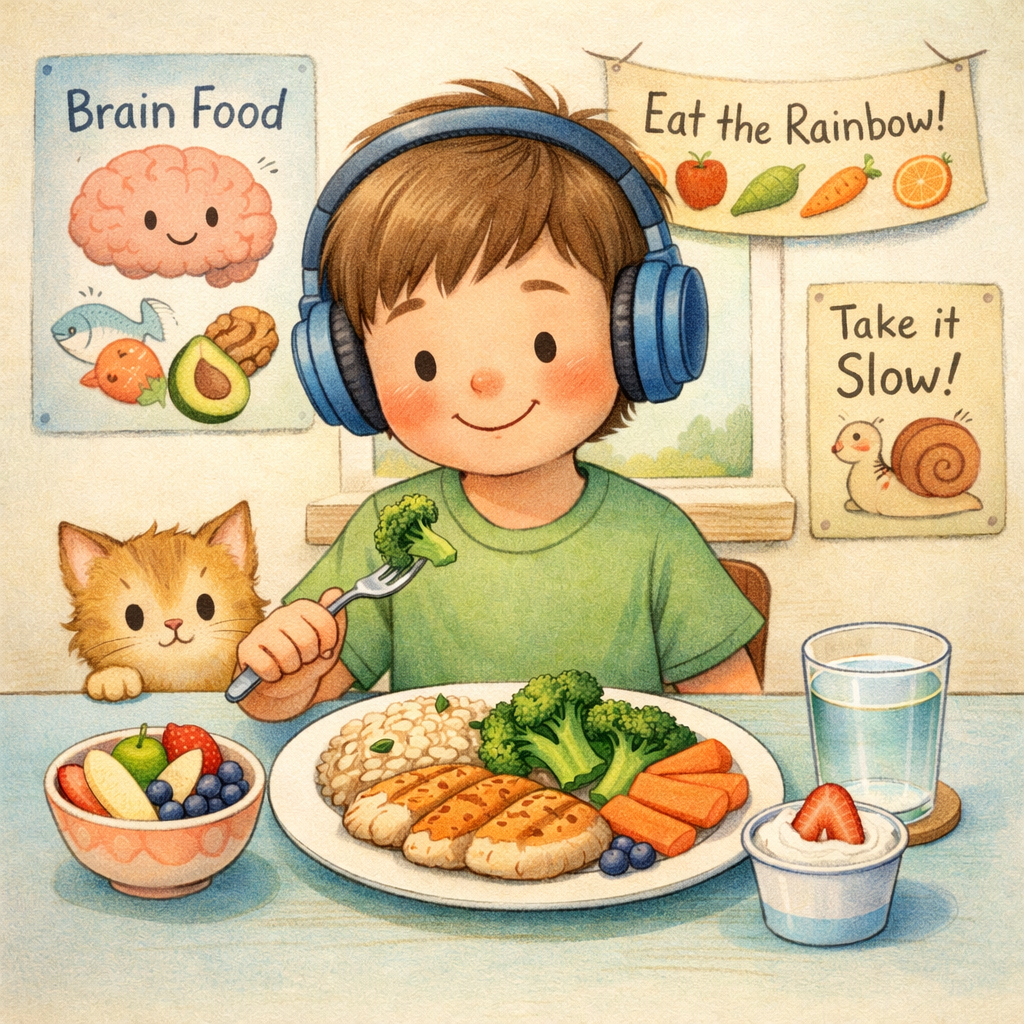
Predictability is a powerful tool for reducing mealtime challenges. Children with autism often thrive on routine, so having meals at the same time and place each day can create a sense of security and lower anxiety around eating. This structure helps them know what to expect.
Consider the environmental factors at play. A quiet, calm setting with minimal distractions can make a world of difference. Bright lights, loud noises, or a busy television can contribute to sensory overload and make it difficult for your child to focus on their meal. A peaceful environment promotes a more positive social interaction during family meals.
To build a supportive routine, you can:
- Eat together: Whenever possible, have family meals to model healthy eating behaviors.
- Set a time limit: Keep meals to a reasonable length (e.g., 20-30 minutes) to avoid power struggles.
- Maintain a positive tone: Keep conversation light and avoid pressuring your child to eat.
Essential Vitamins and Minerals in Autism Nutrition
Ensuring an adequate nutritional intake of essential vitamins and minerals is vital for every child, but it can be particularly important for those with autism who may have restrictive diets that lead to nutrient deficiencies. Key nutrients like vitamin D, B vitamins, and certain minerals play critical roles in brain function, mood regulation, and overall health.
While a food-first approach is always best, sometimes dietary supplements may be necessary to fill nutritional gaps. However, it’s crucial to consult with a healthcare professional before starting any supplement regimen. Let's explore some of the most important vitamins and minerals to focus on for children with autism.
Importance of Omega-3 and Omega-6 Fatty Acids
Omega-3 fatty acids are vital for brain function and development. Some research suggests that children with autism may use these fats faster, requiring a higher intake to maintain healthy levels.
Studies show omega-3 supplements can improve hyperactivity, concentration, mood, and social skills in children with autism. Omega-3s also support overall health and reduce future heart disease risk.
To boost omega-3 intake, add oily fish like salmon or sardines to your child’s diet. Plant-based sources include ground flaxseeds and chia seeds. Maintaining a balance between omega-3 and omega-6 is key to overall health.
Key Vitamins: B6, D, Folic Acid, and More
Several essential vitamins have been studied for their potential role in supporting individuals with autism, potentially leading to positive outcomes. Early research from pioneers like Dr. Bernard Rimland suggested that a combination of vitamin B6 and magnesium could lead to significant improvements in some children. Vitamin C is another powerhouse, known for its immune-supporting properties.
More recent research has focused on vitamin D, with some studies, as recorded in Google Scholar, finding that children with autism have lower levels of this "sunshine vitamin." Supplementation has been linked to improvements in symptoms like attention span and eye contact in some participants. Vitamin A is also crucial for vision, gut health, and brain cell development.
Here are some key vitamins and their food sources:
|
Vitamin |
Good Food Sources |
|---|---|
|
Vitamin B6 |
Dark leafy greens, chickpeas, salmon, turkey |
|
Vitamin C |
Peppers, citrus fruits, broccoli, cauliflower |
|
Vitamin A |
Leafy greens, tomatoes, cantaloupe, fish, eggs |
|
Vitamin D |
Oily fish (salmon, tuna), fortified milk, mushrooms |
Meeting Mineral Needs: Iron, Magnesium, and Zinc

In addition to vitamins, certain minerals are vital for health and well-being. Iron is essential for carrying oxygen in the blood, and a deficiency can lead to fatigue and poor concentration. Many children with autism are at risk for low iron, especially if they avoid red meat or iron-fortified foods.
Magnesium is another key mineral, involved in hundreds of bodily processes, including nerve function and muscle relaxation. It is often paired with vitamin B6 in studies related to autism. Food sources include leafy greens, nuts, seeds, and whole grains. Zinc is also important, as it plays a role in producing stomach acid needed for proper protein digestion.
Ensuring your child eats a variety of foods is the best way to meet these mineral needs. Dairy products, lean meats, beans, nuts, and leafy greens are all excellent sources of various minerals. If you're concerned about deficiencies, a blood test ordered by your doctor can provide clear answers.
Popular Dietary Interventions for Autism
Many parents are curious about special diets as a form of dietary intervention for autism. The most well-known are the gluten-free and casein-free (GFCF) diet, the ketogenic diet, and the specific carbohydrate diet (SCD). The idea behind these diets is that removing certain food components could improve autism symptoms.
While anecdotal reports from parents are often positive, the scientific evidence and literature reviews on these diets, including the results of a national survey, are mixed. It’s essential to approach any therapeutic diet with caution and under professional guidance to avoid nutritional risks. Let’s take a closer look at a few of these popular interventions.
Gluten-Free and Casein-Free Diets
The gluten-free, casein-free (GFCF) diet is a popular intervention for autism, eliminating gluten (found in wheat, barley, and rye) and casein (in dairy). The theory suggests some children with autism can't properly digest these proteins, producing peptides that may influence brain function and behavior.
Some parents report improvements in speech, behavior, and social skills after starting the GFCF diet. Research from Sunderland University found higher peptide levels in the urine of people with autism, supporting this idea.
However, scientific evidence is mixed. A Cochrane review found insufficient proof that the diet works for everyone. The GFCF diet can also cause fiber and calcium deficiencies, so it should be followed only under a doctor or dietitian’s guidance.
Ketogenic Diet and Its Potential Benefits
The ketogenic diet is a high-fat, low-carbohydrate diet originally used to treat epilepsy. It has recently gained interest for autism due to its effects on brain chemistry by shifting the body from using glucose to ketones for energy and reducing oxidative stress.
Preliminary studies in children with autism have shown some behavioral improvements, but more research is needed to confirm these findings and determine long-term safety.
The diet can cause side effects like constipation, kidney stones, and high cholesterol. Because it is restrictive and complex, it should only be followed under the supervision of a doctor and registered dietitian.
Specific Carbohydrate Diet (SCD) Overview
The Specific Carbohydrate Diet (SCD) is a restrictive diet aimed at improving gut health. It allows only certain easily digestible carbohydrates, excluding complex carbs, grains, sugar, and most dairy. The theory is that undigested carbs feed harmful gut bacteria, causing inflammation and digestive issues.
Originally developed for inflammatory bowel disease, some believe SCD may help autism by promoting gut health and reducing behavioral symptoms. Reported benefits include improved bowel movements and less abdominal discomfort.
However, evidence for SCD in autism is mostly anecdotal and limited to small studies. Because the diet is highly restrictive, it requires careful planning to avoid nutritional deficiencies. Anyone considering SCD should consult a healthcare professional.
The Role of Probiotics and Prebiotics
Emerging research continues to highlight the fascinating connection between gut health and overall well-being, particularly in individuals with autism. A healthy gut relies on a balanced gut microbiota, which includes healthy gut flora, and this is where probiotics and prebiotics come in. Probiotics are beneficial live bacteria, while prebiotics are the fibers that feed them.
Together, they help maintain a healthy gut environment, which can be especially important for children with autism who frequently experience digestive issues. A pilot study suggests that supporting the gut may play a role in managing not just digestive comfort but also behavior and mood. Let's explore how gut health is linked to autism nutrition and how to choose the right supplements.
How Gut Health Relates to Autism Nutrition
The link between gut health and autism is known as the "gut-brain axis," where gut conditions can influence brain function and behavior. Many children with autism experience gastrointestinal issues, often tied to imbalances in their gut bacteria.
These imbalances may lead to a "leaky gut," allowing toxins and undigested food into the bloodstream. This can trigger immune reactions, increase inflammation, and potentially affect neurological function, contributing to behavioral symptoms like irritability.
Improving gut health through a diet rich in fiber and fermented foods can support healthy gut bacteria, strengthen the immune system, and positively impact a child's behavior and overall well-being.
Choosing the Right Probiotic Supplements
If you're considering probiotics for your child's gut health, knowing what to look for is important. Probiotic supplements contain live bacteria that help restore digestive balance, but not all are the same—different strains offer different benefits.
Key strains include Lactobacillus acidophilus and Bifidobacterium, commonly found in yogurt, kefir, and quality supplements. Saccharomyces boulardii, a beneficial yeast, also supports gut immunity.
Choose supplements that list specific strains and guarantee live cultures through the expiration date. Start with a low dose to gauge tolerance. Always consult your doctor or a registered dietitian to ensure it's right for your child.
Managing Food Allergies and Sensitivities
Food allergies and sensitivities can play a significant role in the well-being of a child with autism by influencing immune responses. An allergy involves a direct immune system response, while a sensitivity may be more subtle, often related to digestive issues. Both can contribute to discomfort and behavioral changes.
Identifying and managing these reactions is a key part of creating a supportive nutritional plan. By removing trigger foods, you may be able to reduce inflammation and improve both physical comfort and behavior. Building an allergy-friendly meal plan is about carefully substituting foods to ensure a balanced diet is maintained.
Identifying Common Food Triggers
Pinpointing food sensitivities and triggers can be a process of careful observation. The most direct evidence for food-related issues in autism often points to wheat (gluten) and dairy products (casein). These proteins can be difficult to digest and may trigger adverse reactions in sensitive individuals, sometimes involving the immune system.
Keeping a detailed food and symptom diary is one of the most effective ways to identify potential triggers. By tracking what your child eats alongside their behavior, mood, and any physical symptoms, you may start to see patterns emerge. This process requires patience but can provide valuable insights.
Besides gluten and dairy, other common foods that may cause issues for some children include:
- Soy and corn
- Eggs and citrus fruits
- Tomatoes, red peppers, and avocados
- Artificial food colorings
Building an Allergy-Friendly Meal Plan
Creating an allergy-friendly meal plan is about more than just removing problematic foods; it's about replacing them with equally nutritious alternatives to maintain a balanced diet. If you remove dairy, for instance, you'll need to find other sources of calcium and vitamin D, such as fortified milk alternatives or leafy greens.
This is where working with a registered dietitian can be incredibly helpful. They can guide you through the process of elimination and reintroduction safely, ensuring your child doesn't miss out on key nutrients. They can also help you read food labels and find suitable substitutes for favorite foods.
Here are some tips for building your plan:
- Focus on whole foods: Build meals around naturally allergy-friendly foods like fruits, vegetables, and lean proteins.
- Explore alternatives: Try almond or oat milk instead of cow's milk, or use gluten-free grains like rice and quinoa.
- Plan ahead: Having safe snacks and meals ready can prevent stressful situations when hunger strikes.
Mealtime Success Strategies for Parents
Navigating mealtime challenges requires a toolkit of practical strategies. The cornerstones of success are consistency, patience, and a positive attitude. Meal planning can help reduce stress for both you and your child by providing structure and predictability around what and when you'll eat.
However, some feeding issues can be complex and may require professional support. Knowing when to seek help from a feeding therapist can make a significant difference in overcoming severe food selectivity or other developmental feeding issues. Let's look at how to establish routines and when to call in an expert.
Establishing Consistency and Predictability
For many young children, especially those on the autism spectrum, predictability is comforting. Establishing consistent mealtime routines helps create a sense of safety and reduces the anxiety that can surround eating. This means having meals and snacks at roughly the same times each day and in the same location.
A systematic review of feeding interventions often emphasizes the importance of structure in the United States. When a child knows what to expect, they are more likely to be calm and receptive at the dinner table. This routine goes beyond just timing; it includes the entire ritual around the meal, from washing hands to sitting down together.
To enhance predictability, you can try these strategies:
- Create a visual schedule: Use pictures to show your child the steps of the mealtime routine.
- Serve at least one "safe" food: Always include a food you know your child likes with every meal.
- Announce meals in advance: Give your child a 5- or 10-minute warning before it's time to eat.
When to Seek Support from a Feeding Therapist
Most mealtime challenges can be managed at home, but some require professional help. If your child's eating habits cause significant stress, impact health, or limit social activities, consider consulting a feeding therapist. These specialists address severe feeding issues, from extreme food selectivity to difficulties with chewing or swallowing. They often work as part of a team that considers all aspects of a child’s development, including mental health and sensory needs.
Seek support if your child eats fewer than 20 foods, is losing weight or not growing well, frequently chokes or gags during meals, or if family mealtimes are extremely stressful. A feeding therapist can provide structured, evidence-based strategies to safely expand your child’s diet.
Tips for Building a Balanced Diet for Autism
Building a balanced diet is essential for proper nutrition and healthy growth, especially with dietary restrictions. Aim to include a variety of whole foods from all major groups: fruits, vegetables, grains, proteins, and dairy or alternatives. This ensures your child gets the necessary vitamins and minerals. For autism, focus on nutrient-dense foods to maximize nutritional value.
If creating this balance is challenging, a registered dietitian can help develop a personalized plan tailored to your child’s needs and preferences. Here are some simple meal planning ideas to get you started.
Simple Meal Planning Ideas That Work for Families

Simple meal planning reduces mealtime stress and ensures your child gets the nutrients needed for healthy growth. Start by listing your child’s favorite foods and build on them—if they like chicken nuggets, try a healthier baked version at home.
Focus on adding nutrient-dense foods. Blend spinach into smoothies, mix chopped veggies into pasta sauce, or serve fruit with every meal. Small, manageable changes are more sustainable than a total diet overhaul.
Here are a few simple meal ideas:
- Breakfast: Oatmeal with ground flaxseed and berries, or scrambled eggs with melon.
- Lunch: Whole-wheat tortilla with turkey, plus carrot sticks and hummus, or a fortified soup.
- Dinner: Baked salmon with sweet potato wedges and steamed broccoli, or pasta with meat and vegetable sauce.
Conclusion
In conclusion, meeting the nutritional needs of individuals with autism requires patience, understanding, and flexibility. By addressing common challenges like sensory sensitivities and gastrointestinal issues, parents can encourage healthier eating habits. Focusing on essential nutrients, dietary changes, and managing allergies are key to a balanced diet. Every child is unique, so creating a supportive mealtime environment is crucial.
For personalized nutrition strategies, consider a consultation or call daar at 02 9133 2500 with our experts.
Frequently Asked Questions (FAQ)
Navigating the connection between nutrition and autism can raise many questions. Parents often wonder about the role of dietary interventions, such as the ketogenic diet or specific nutrient intake, including vitamin D and omega-3 fatty acids. Common concerns include food selectivity, sensory sensitivity, and managing mealtime challenges. Additionally, questions about food allergies and their impact on gastrointestinal health frequently arise, particularly in relation to mitochondrial dysfunction. Research, including clinical trials and systematic reviews, continues to explore how these dietary adjustments can positively influence autism symptoms, leading to significant improvements in overall well-being and social communication.
What foods should I prioritize for my autistic child’s nutrition?
Focus on creating a balanced diet with nutrient-dense food choices, including amino acids from lean proteins. Prioritize whole foods like fruits, vegetables, and lean proteins. Foods rich in multiple nutrients, such as leafy greens, dairy products (or fortified alternatives), and fish high in omega-3 fatty acids, are excellent for filling potential nutritional gaps in your child's diet.
Are there proven dietary changes that help with autism symptoms?
While some parents report significant improvements with dietary interventions like the gluten-free, casein-free diet, scientific evidence is still mixed. There is no single diet proven to help all individuals with autism symptoms. Any major dietary change should be discussed with a doctor to ensure it is done safely.
How can parents encourage better nutrition in very picky eaters?
For very picky eaters, start by introducing a new food slowly and without pressure. Meal planning that includes a "safe" food can reduce anxiety. If food aversions are severe, working with a registered dietitian or a feeding therapist can provide professional strategies tailored to your child's specific needs and challenges.
.svg)




.svg)