
.png?width=48&height=48&name=Group%201%20(3).png)
























7 April, 2026

Understanding Behaviour Therapy for ADHD: A Complete Guide
Key Highlights
- Behaviour therapy is a key treatment of ADHD, helping to manage symptoms and improve a child's self-control.
- Behavioural therapy focuses on reinforcing positive actions and reducing problem behaviours through structured strategies.
- For children over six, a combination of behaviour therapy and medication is often the most effective approach for managing ADHD symptoms.
- Close collaboration between parents, teachers, and healthcare providers is essential for a successful treatment plan.
Introduction
Attention deficit hyperactivity disorder (ADHD) can present unique challenges for families, affecting daily routines and relationships. If your child has been diagnosed with ADHD, you might be exploring different treatment options to address your child’s ADHD symptoms. Behavioural interventions serve as a foundational treatment, offering structured methods to manage the symptoms of ADHD. This guide will walk you through what behaviour therapy involves, how it helps manage a child's behaviour, and why it is a recommended approach for creating a supportive and positive environment for your child to thrive.
What Is Behaviour Therapy for ADHD?
Behaviour therapy is an effective treatment of ADHD that focuses on improving a child’s behaviour, self-esteem, and self-control. The primary goals are to strengthen positive behaviours and reduce or eliminate unwanted ones. Instead of just addressing the internal symptoms of the hyperactivity disorder, this important part of treatment provides practical skills and strategies.
This form of behavioural therapy helps children and older children manage their ADHD symptoms by learning new ways to act and react. It's not just for the child; it often involves parent training, giving you the tools to support your child effectively at home, school, and in social situations.
How Behaviour Therapy Supports Children’s Development
Behaviour therapy offers a structured framework to support a child's development, especially when parents are actively involved. Parent training programs teach strategies for encouraging positive behaviour and managing challenges, including using reinforcement, addressing negative behaviour, establishing routines, and improving communication.
By learning behaviour management techniques for childhood ADHD, you gain skills to help your child thrive across different areas of life. These strategies create a predictable and supportive home environment, which is crucial for young children who need consistent guidance.
Ultimately, this training helps you become your child's coach. Applying these techniques proactively can reduce family stress and strengthen the parent-child relationship, with lasting benefits for your child’s growth.
Behaviour Therapy Versus Medication for ADHD
When treating ADHD, parents often consider behaviour therapy versus medication. For children six and older, a combination of medication treatment and behavioural therapy is usually recommended. Medication helps manage symptoms neurologically, while behaviour therapy teaches skills for organization, social interactions, and self-control. Together, they offer comprehensive support for your child.
Here’s a quick comparison:
|
Feature |
Behaviour Therapy |
Medication |
|---|---|---|
|
Approach |
Teaches strategies to modify behaviour |
Regulates brain function |
|
Focus |
Targets specific behaviours; builds positive habits |
Manages core ADHD symptoms |
|
Side Effects |
None, but requires time and effort |
Possible side effects like appetite loss or sleep issues |
|
Long-Term |
Builds lifelong skills |
Effects last only while medication is active |
What Happens in a Typical Behaviour Therapy Session?
In a typical behavioural therapy program for the treatment of ADHD, the focus is often on training parents. You would likely attend eight or more therapy sessions, either in a group with other parents or individually with a therapist. Some therapists may incorporate play therapy during these meetings, as the therapist teaches you skills and strategies to help manage your child’s behaviour.
These behavioural interventions are practical and hands-on for everyday situations. You’ll be assigned activities to practice with your child between sessions. The therapist will meet with you regularly to review progress, offer coaching and support, and adjust strategies as needed to ensure your child is making improvements.
Strategies Used in Behaviour Therapy for ADHD
Therapists use proven behaviour therapy strategies to manage ADHD, focusing on behaviour management—setting clear expectations and using consistent consequences for both positive and negative actions. Positive attention and reinforcement when your child meets goals are key.
Breaking tasks into smaller steps and using visual aids like checklists can keep your child organized and focused, making it more rewarding to follow instructions.
Common strategies include:
- Creating routines: Establishing consistent schedules for daily tasks like waking up, homework, and bedtime.
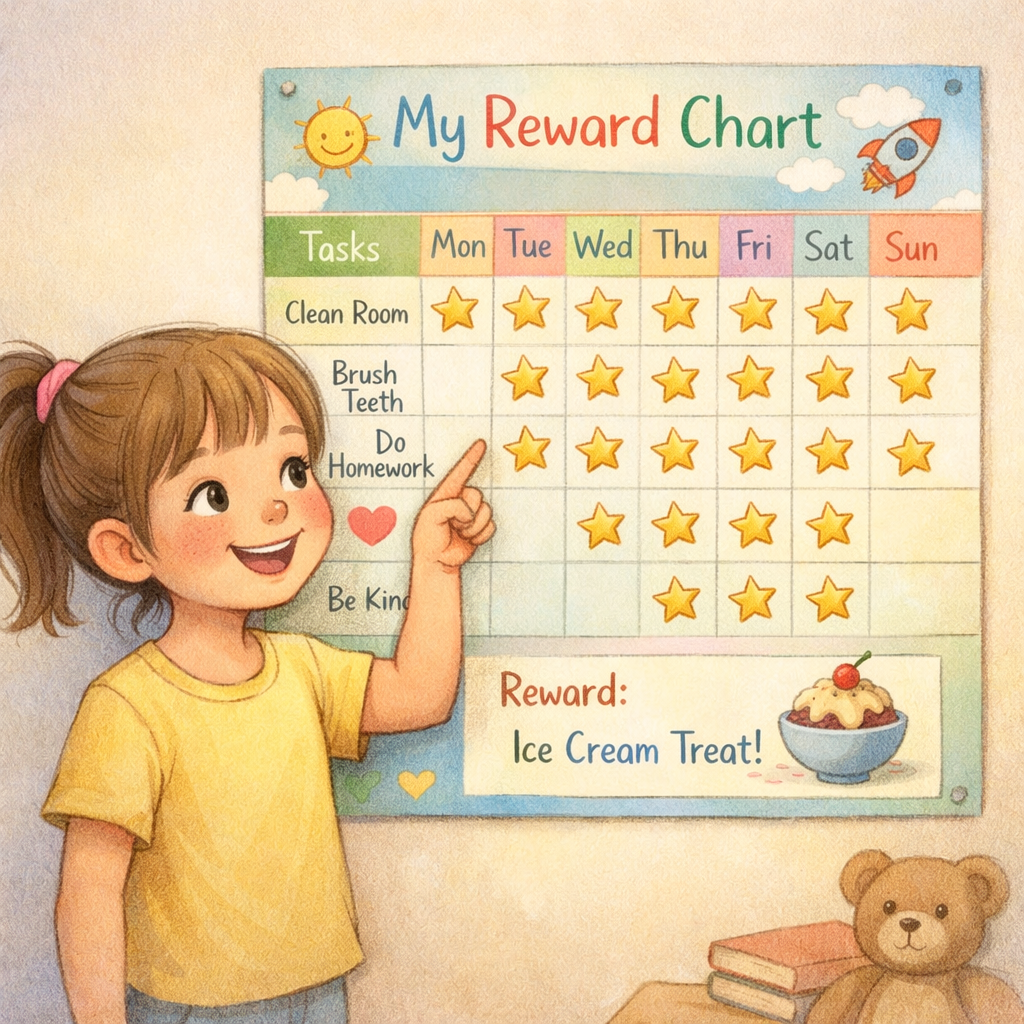
- Using praise and rewards: Reinforcing good behaviour with positive feedback or small rewards.
- Effective discipline: Using time-outs or removing privileges instead of scolding.
- Limiting choices: Offering a few options to prevent overwhelm.
Role of Family and School Support During Therapy
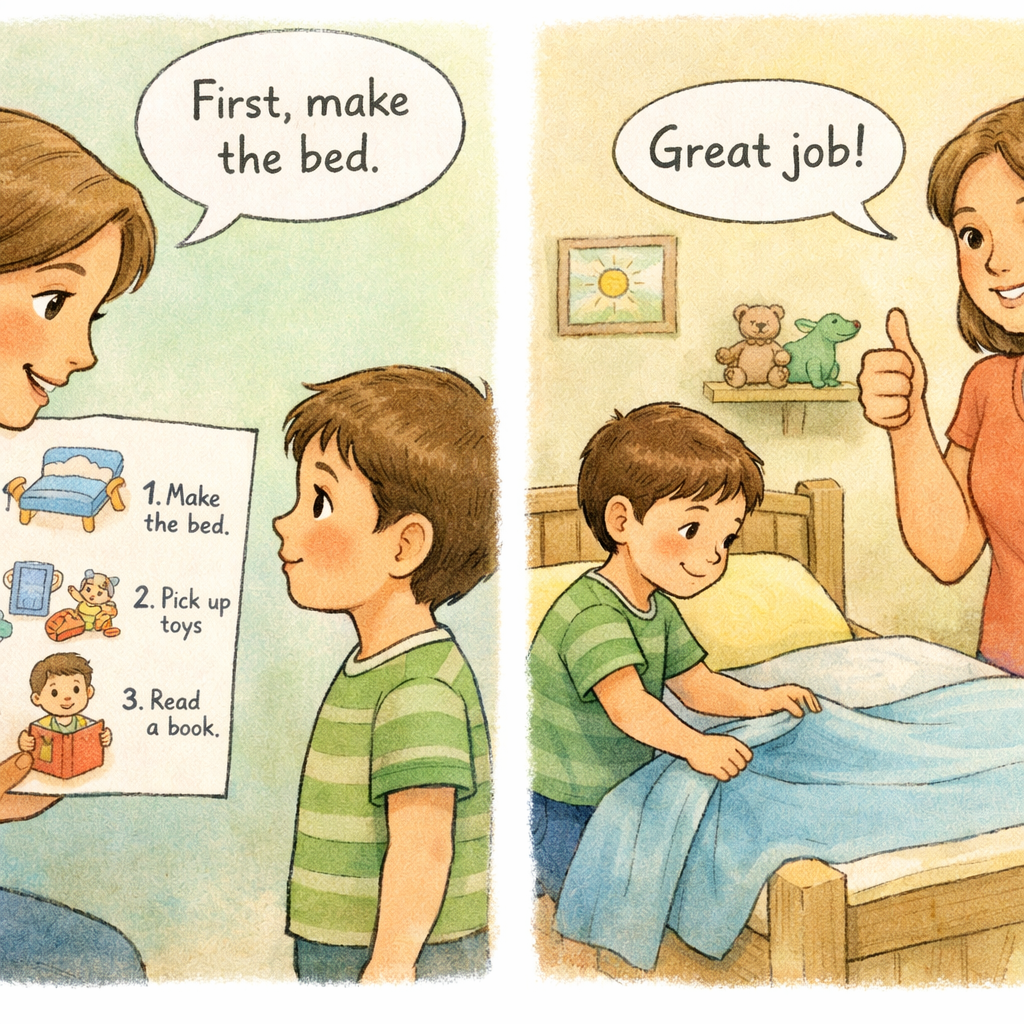
Family support is vital when starting behaviour therapy, especially for parents of children with ADHD. When everyone at home follows the same strategies during homework time, positive behaviours are reinforced, and confusion is reduced.
School support is equally important. Collaborating with teachers ensures that strategies used at home are reinforced at school, such as tracking behaviour with a daily report card.
Together, family and school create a unified support system. Consistent communication between parents, teachers, and therapists helps your child apply new skills in different settings and leads to lasting results.
Conclusion
In summary, cognitive behavioural therapy for ADHD offers a structured and effective approach to managing symptoms and improving daily functioning. By focusing on positive behaviours and developing coping strategies, children and adults alike can experience meaningful changes in their lives. The collaborative effort between therapists, families, and schools is essential to support this journey.
If you are seeking to understand how cognitive behavioural therapy can benefit you or your child, we encourage you to reach out for a consultation or call daar at 02 9133 2500
Frequently Asked Questions
Can Behaviour Therapy Be Effective for Adults with ADHD?
Yes, Behaviour therapy is an effective treatment option for adult ADHD. It helps adults address unique challenges by teaching new skills in areas like time management, organisational skills, organization, and emotional regulation. This therapy can improve coping strategies and enhance overall quality of life by providing practical tools to manage symptoms.
Are There Any Risks or Side Effects of Behaviour Therapy?
Behavioural therapy is a safe treatment for ADHD with no known side effects. However, an inconsistent or poorly implemented plan could potentially lead to frustration in various social settings. It's important to work with qualified healthcare providers to ensure the strategies are tailored appropriately and to address any concerns that arise during treatment.
How Long Does It Take to See Results with Behaviour Therapy?
The time it takes to see results from behaviour therapy varies. Some families and family members notice improvements after a few therapy sessions, while for others it may take several weeks of consistent effort. Progress depends on the child, the consistency of the strategies in daily life, and the specific ADHD symptoms being addressed.
.svg)




.svg)