
.png?width=48&height=48&name=Group%201%20(3).png)























7 April, 2026

Applied Behavior Analysis (ABA): Your Essential Guide

Key Highlights
- Applied Behavior Analysis (ABA) is a type of behavior therapy that uses the science of learning to improve helpful behaviors. This approach is widely used to support individuals on the autism spectrum, helping to enhance communication and social skills. While ABA is highly regarded for its effectiveness, there are also criticisms and controversies surrounding its use. Some concerns include the intensity of some treatment programs, debates about the focus on modifying behavior rather than understanding underlying needs, and reports from some individuals who felt the therapy was overly rigid or stressful. As a result, it is important for families and professionals to carefully consider the methods and goals of any behavior analysis program.
- This approach is widely used to support individuals on the autism spectrum, helping to enhance communication and social skills.
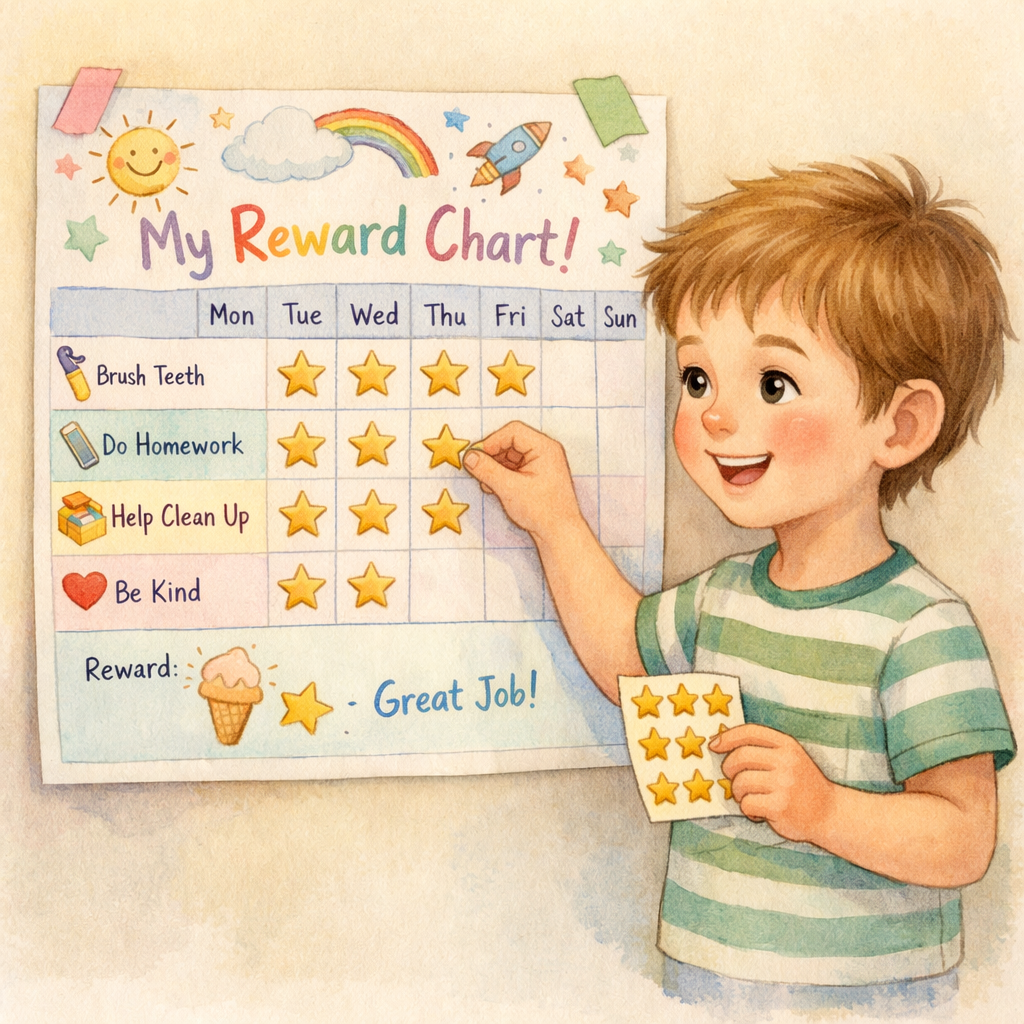
- A core principle of ABA is positive reinforcement, which rewards desired behaviors to encourage their repetition.
- ABA principles are applied through an individualized treatment plan tailored to each person's unique needs and goals.
- Therapy is flexible and can be provided in various settings, including at home, school, and in the community.
- The goal is to teach useful skills and decrease behaviors that interfere with learning or daily life.
Introduction
Applied Behavior Analysis (ABA) is an effective treatment approach widely used for children with autism spectrum disorder. By focusing on specific behaviors, this evidence-based methodology employs a variety of techniques, such as positive reinforcement and discrete trial training, to encourage ABA therapy work in skill acquisition and positive behavior changes. Certified behavior analysts develop tailored treatment plans that address individual needs, promoting communication skills and social interactions. With a foundation in developmental psychology, ABA not only aims for improvement in targeted skills but also enhances the overall quality of life for autistic children.
First Steps ABA Therapy: Getting Started in Australia
Starting your journey with ABA therapy in Australia after an autism diagnosis begins with a few key steps. The initial move is often a conversation with your pediatrician or another medical provider. They can help determine if this type of therapy is the right choice for your child and provide the necessary prescriptions or referrals.
Once you have professional guidance, the next phase involves finding a qualified behavior analyst experienced in pivotal response treatment. This specialist will design an individualized treatment plan focused on your child's specific needs, making early intervention as effective as possible. The following sections will explore how this plan is developed.
Initial Assessments and Goal Setting for Children
The first step in an effective ABA program is a thorough initial assessment by a qualified behavior analyst. This evaluation identifies your child’s current ability level, skills, needs, interests, and preferences, forming the basis for a customized treatment plan. It also pinpoints specific skills to develop and target behaviors to address.
Next, treatment goals are set based on your child’s age and abilities. These goals cover areas like communication, including picture exchange communication, social skills, self-care (such as showering or toileting), and academics. Family input is included to ensure the program reflects your priorities.
Each skill is then broken into small, manageable steps. The therapist teaches each step sequentially, moving from simple to more complex tasks, similar to how a picture exchange communication system works. This structured method helps your child build skills gradually and successfully.
Developing Individualized Treatment Plans
Individualized treatment plans are central to ABA therapy, which utilizes techniques like positive and negative reinforcement. Each plan is tailored by a behavior analyst to meet the learner’s unique needs—never a “one size fits all” approach. The main goal is to build skills that promote greater independence and long-term success.
Plans outline target behaviors and skills, such as communication, play, and motor abilities. Larger goals are broken into small, manageable steps—like starting with single sounds before having a conversation.
Progress is tracked through data collected in each session. Behavior analysts use this data to adjust teaching strategies as needed. Regular meetings with families and staff keep everyone informed and ensure the plan evolves as the child grows.
Benefits and Applications of ABA Therapy
The benefits of ABA therapy are significant, particularly for individuals with autism spectrum disorder, as it is a vital autism treatment. This approach focuses on behavior modification to achieve positive outcomes in crucial areas. It can lead to notable improvements in language, communication, attention, memory, and academics, helping individuals thrive.
By concentrating on skill acquisition in various skill areas, ABA helps learners become more independent and successful in their daily lives. The therapy promotes better social interactions and an improved quality of life. The following sections will provide more detail on how ABA supports children with autism and its applications beyond this condition.
Supporting Children with Autism Spectrum Disorder
An ABA program for children with autism is supportive and highly personalized. A qualified behavior analyst creates a tailored plan focused on building skills for independence, mitigating negative behaviors, and success, laying the groundwork for lifelong learning and positive social engagement.
Therapy targets key areas such as language, communication, attention, academic performance, social skills, including making eye contact, and daily living abilities. Through structured and natural learning opportunities, children practice new skills in sessions and real-life situations.
Positive reinforcement encourages helpful behaviors, ensuring each child feels supported and motivated.
ABA Beyond Autism: Other Uses and Settings
While ABA is strongly linked to autism, its different forms of ABA therapy principles have much broader use. For decades, these methods have helped diverse learners build skills—from adopting healthier habits to learning new languages—across all ages.
ABA’s flexibility allows it to address various challenges in many community settings. It can improve mental health, boost academic performance, and teach daily living skills for greater independence. Its core techniques—understanding behavior and using reinforcement—adapt to many situations.
ABA’s principles are used for:
- Developmental disorders beyond autism
- Behavioral issues in schools
- Building new skills for adults
This adaptability makes ABA a valuable tool for promoting positive change across many needs and populations.
Accessing and Funding ABA Therapy in Australia
Once you decide to pursue ABA services, the next step is learning how to access and pay for them. In Australia, therapy is provided by certified behavior analysts qualified through organizations like the Behavior Analyst Certification Board. Be sure to choose a provider who can tailor a treatment plan to your child’s needs.
Paying for therapy can feel overwhelming, but several funding options are available. Government programs and private insurance can help cover costs and make early childhood therapy more accessible. The following sections will explain your funding options and how to find a qualified provider.
NDIS, Private Health, and Other Funding Options
In Australia, families can access several funding options for ABA services developed by Ole Ivar Lovaas. The National Disability Insurance Scheme (NDIS) is the main source of support. If your child has an NDIS plan, you may use it to pay for behavior therapy if it's considered "reasonable and necessary" for your child's goals.
Some private health insurance plans also cover applied behaviour analysis (ABA) therapy, but coverage varies by policy. Check with your insurer to see what's included, as some plans cover part of the costs for allied health professionals such as behavior analysts.
Review all available options to secure therapy access for young children. Each funding source has its own requirements and process. Here’s a quick overview:
|
Funding Source |
Description |
|---|---|
|
NDIS |
Government funding for people with significant disabilities; ABA may be covered in your child’s plan. |
|
Private Health Insurance |
Some policies cover part of the cost for allied health services, including behavior therapy. |
|
Self-Funding |
Families can pay directly; providers will offer a clear fee schedule. |
Steps to Finding Qualified ABA Providers

Choosing the right professional in North Carolina is essential for a successful ABA program. ABA therapy is supervised by Board Certified Behavior Analysts (BCBAs), who hold advanced degrees and national certification. BCBAs design and oversee your child's program.
Direct therapy is provided by ABA therapists or Registered Behavior Technicians (RBTs), trained and supervised by the BCBA. They work with your child using effective teaching methods to practice skills and achieve treatment goals. Building trust between your child and therapist is important.
When selecting a provider:
- Get recommendations from your pediatrician or school.
- Check the credentials of behavior analysts.
- Ask about technician training and supervision.
Trust your instincts and choose a provider who fits your family’s needs.
Conclusion
In conclusion, Applied Behavior Analysis (ABA) is a proven therapy that can greatly improve the lives of individuals with behavioral challenges, including enhancing expressive language skills. With tailored treatment plans and evidence-based methods, ABA benefits those with Autism Spectrum Disorder and others in various settings. When seeking ABA therapy in Australia, be sure to explore funding options and qualified providers for the best support.
For personalized help, consider scheduling a consultation or call daar at 02 9133 2500. Taking the first step toward ABA can lead to positive outcomes.
Frequently Asked Questions
Is ABA therapy only for autism or other conditions as well?
While Applied Behavior Analysis is most known for supporting individuals with autism spectrum disorder, its use, including early intensive behavioral intervention, is not exclusive to this condition. The principles of this behavior therapy are also effective for other developmental disabilities, mental health challenges, and for teaching new skills to a wide range of learners.
How long does ABA therapy usually last and how is progress measured?
The duration of an ABA program varies based on the individual's treatment plan and goals, which may include improved communication and language skills. Some intensive programs last 1-3 years. Progress is measured continuously by collecting data on skill acquisition and target behavior. This data helps the team monitor for positive outcomes and adjust the plan as needed.
What are the first steps parents should take to begin ABA therapy?
To begin, speak with your pediatrician to see if ABA techniques are right for your child. The next step is to find a qualified behavior analyst who can conduct an initial assessment focused on improving motor skills. This assessment will be used to develop a personalized treatment plan that outlines goals and strategies for your child.
What are your thoughts on Applied Behavior Analysis?
Applied Behavior Analysis (ABA) is an evidence-based approach that focuses on improving specific behaviors through systematic interventions. It’s widely used in treating individuals with autism and other developmental disorders, promoting positive behavior changes while reducing harmful actions. Overall, ABA offers effective strategies for enhancing learning and social skills.
.svg)




.svg)