
.png?width=48&height=48&name=Group%201%20(3).png)























15 April, 2026

What is Cortisol for Kids? The Stress Hormone Explained
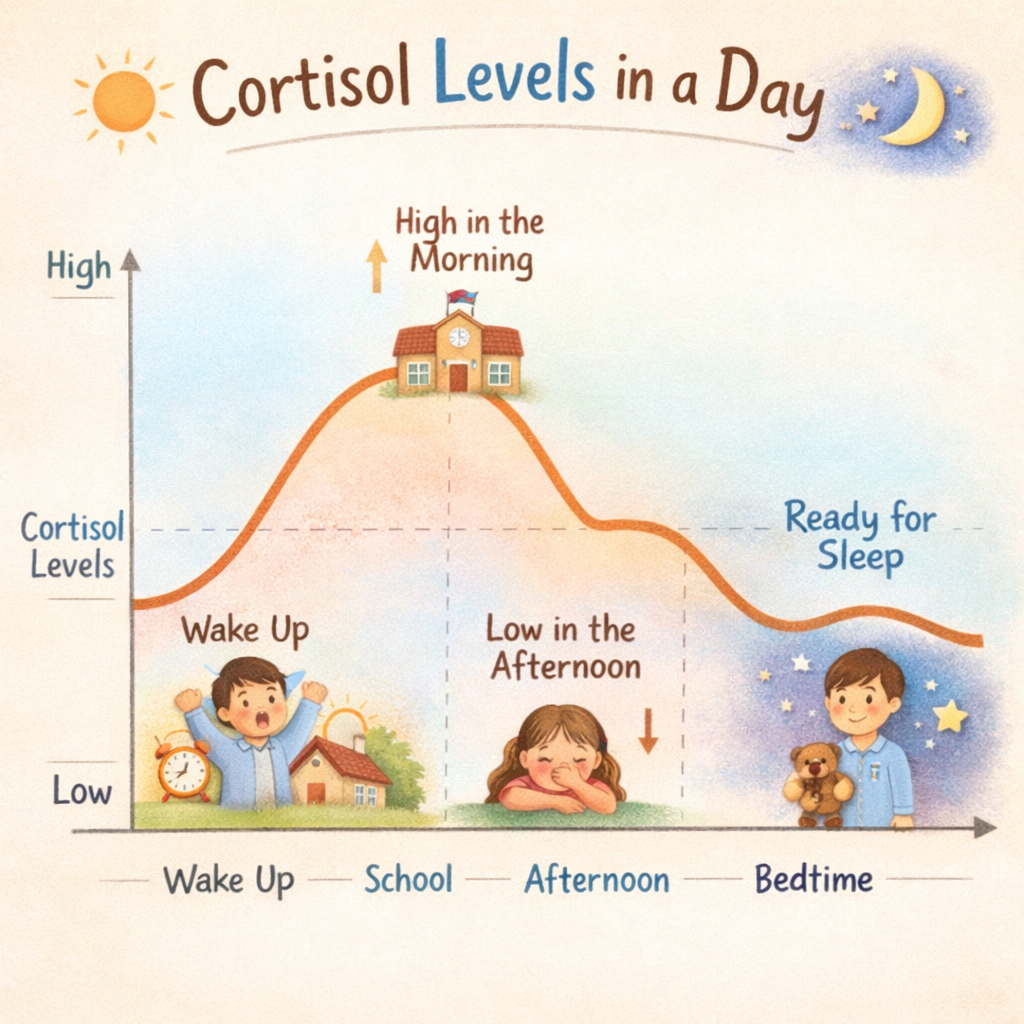
Have you ever wondered what happens inside your child's body when they get super excited, a little bit scared, or wake up full of energy in the morning? It all comes down to a special chemical messenger called cortisol! The anterior pituitary plays a crucial role in cortisol production. If you want to test for cortisol levels and blood sugar levels along with cortisol production in your body, doctors can measure it using a blood, saliva, or urine test. These tests help show how much cortisol your body is making at different times of the day.
As parents, we often hear about cortisol as the "stress hormone," which can sound a little scary. But cortisol is actually a totally normal and incredibly helpful part of human biology, contributing to our overall health, except in cases involving conditions like a pituitary tumor affecting cortisol levels or when there is too much cortisol present.
In this guide, we are looking at what cortisol is for kids. We will break down exactly how cortisol works in the body using simple, fun examples so both you and your child can understand it together! It’s also important to know that abnormal cortisol levels, particularly high cortisol, can be linked to several health problems like Cushing syndrome and primary adrenal insufficiency. These may include issues such as trouble sleeping, feeling tired, problems with growth, getting sick more often, and changes in mood, like feeling sad or worried.
What is Cortisol? (A Simple Definition for Kids)
Imagine your body has a built-in alarm system and a team of superhero messengers. Cortisol is one of the most important messengers on that team!
Made by two tiny factories sitting right on top of your kidneys (called the adrenal glands), cortisol travels through your blood to deliver important messages to your brain and muscles. Its main job is to tell your body how much energy it needs to handle whatever is happening right now. Because it is often released when we feel nervous or excited, it is known as the stress hormone in kids and adults.
Getting cortisol explained for children is as simple as this: Cortisol is the body's natural energy booster and safety alarm.
Why Cortisol is Important for the Body
Cortisol, a steroid hormone produced by the zona fasciculata of the adrenal cortex, does a lot more than just handle stress. It actually increases glomerular filtration rate and is a VIP (Very Important Part) of everyday life! Here is what this helpful hormone does every single day:
- Giving You Energy: It helps turn the food you eat into energy your muscles, adipose tissue, and brain can use.
- Giving You Energy: It helps turn the food you eat into energy your muscles, adipose tissue, and brain can use.
- Helping You Focus: A little bit of cortisol helps your brain stay sharp so you can learn a new math problem or focus on a puzzle.
- Fighting Off Bug Bites: It helps control inflammation, keeping you healthy when you get a scrape or catch a cold.
How Cortisol Helps in Stressful Situations
So, how does this superhero messenger act when things get stressful?
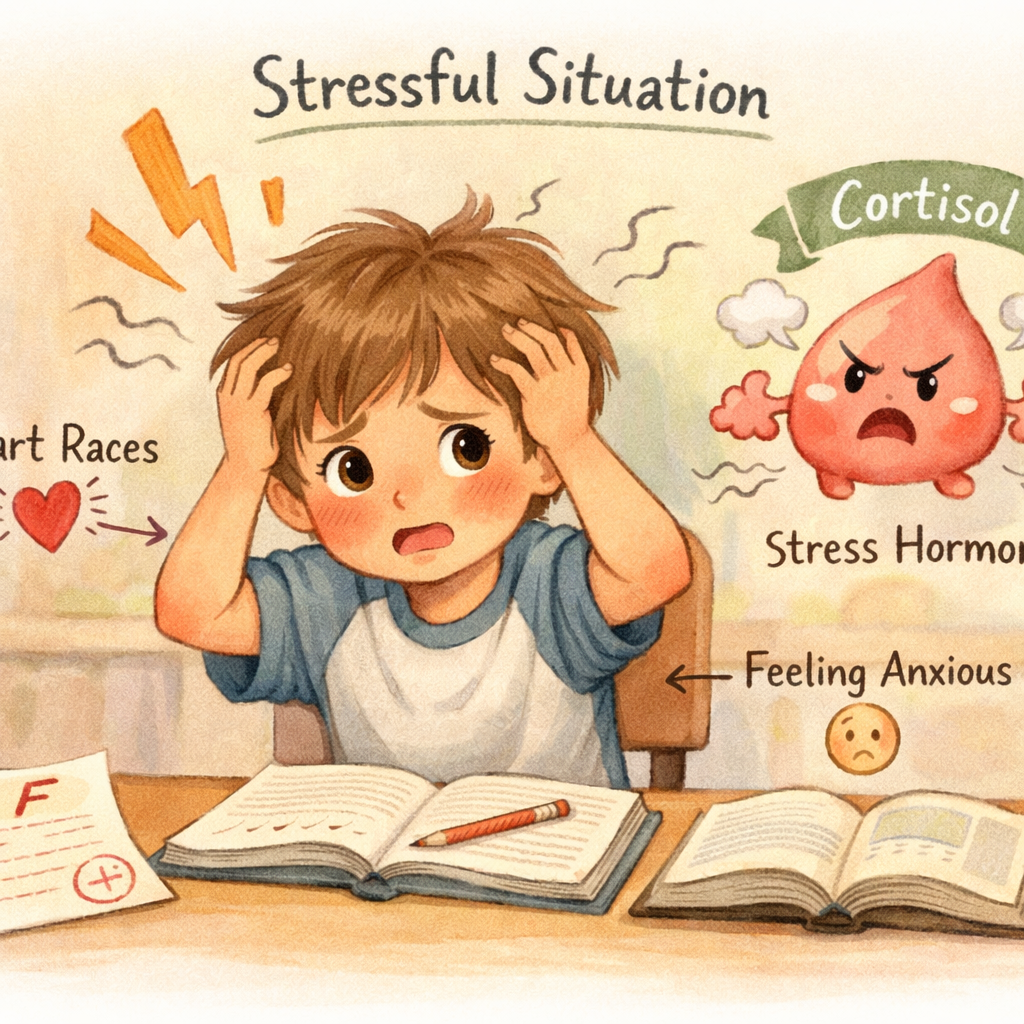
Imagine you are playing a game of dodgeball. Suddenly, you see a ball flying right toward you! In a split second, your brain hits the "alarm button." Your body releases a big splash of cortisol and adrenaline.
This gives you a sudden burst of super-speed to dodge the ball! Your heart beats faster, your breathing gets quicker, and your muscles get ready to move. This is called the "Fight or Flight" response. Once you successfully dodge the ball and the game is over, your brain turns off the alarm, and your cortisol levels go back down to normal. This quick response shows perfectly how cortisol and child development work together to keep kids safe.
What Happens When Cortisol is Too High or Too Low?
Cortisol is basically the "Goldilocks" hormone. It needs to be just right.
When the Alarm Gets Stuck (Too High)
Sometimes, kids feel stressed out for a long time—like worrying about a big test for a whole week, not getting enough sleep, or dealing with a super busy schedule. When this happens, the cortisol alarm gets stuck ON due to the chronic stress response known as the flight response. If cortisol stays too high for too long, a child might feel:
- Worried, cranky, or extra angry.
- "Tired but wired" (meaning they are exhausted but can't fall asleep).
- Like they have an upset tummy or a headache.
When the Alarm is Too Quiet (Too Low)
Very rarely, a child's body might not make enough cortisol. When the body's energy messenger is on strike, a child might feel:
- Incredibly sleepy and weak, no matter how much they rest.
- Dizzy when they stand up quickly.
- Craving sugary or salty snacks all the time.
Simple Ways Kids Can Keep Cortisol Balanced
The good news is that keeping the body's alarm system happy and healthy is easy! Here are fun, simple ways kids can balance the release of cortisol:
- Awesome Sleep: Going to bed at the same time every night helps tell the body when to lower cortisol so you can rest.
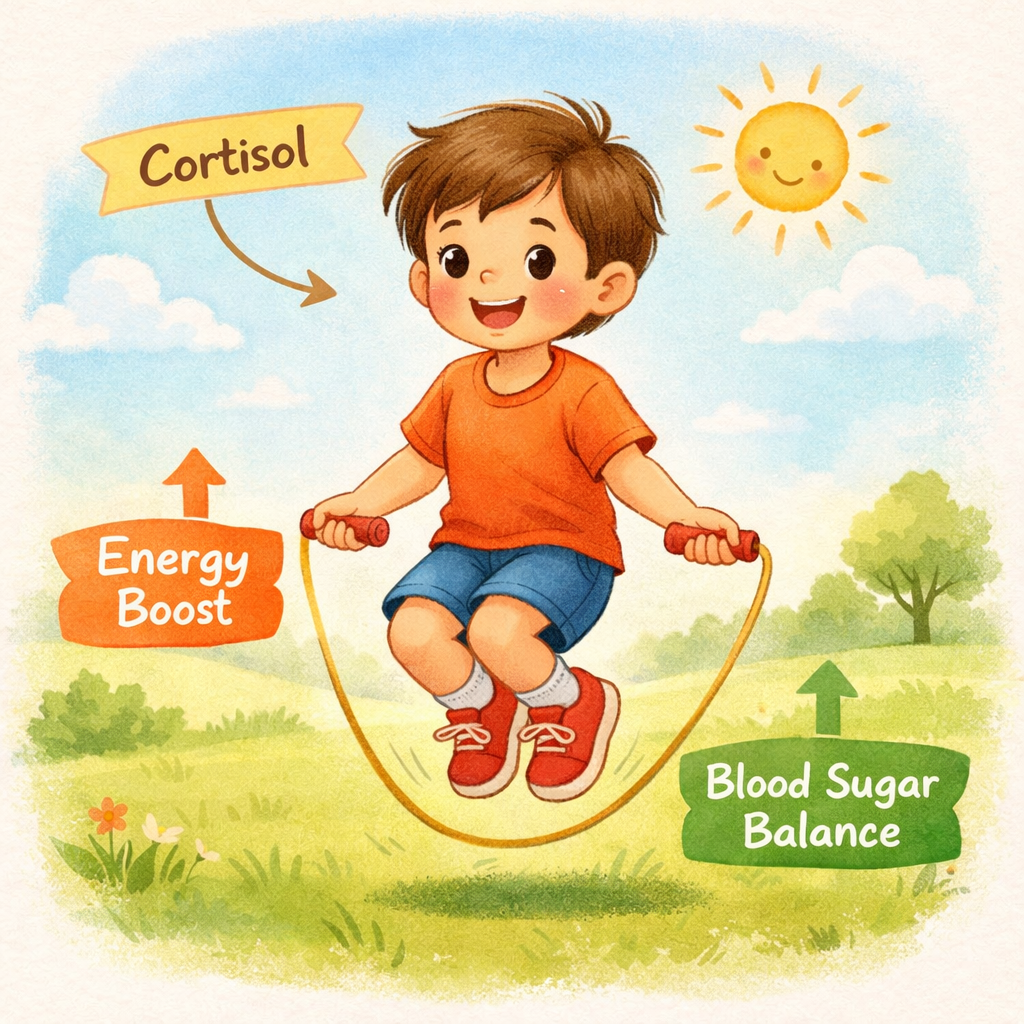
- Active Play: Running, jumping, and playing outside is the best way to burn off extra "stress energy."
- Healthy Food: Eating a rainbow of fruits, veggies, and proteins gives the body the steady fuel it needs instead of high-sugar energy crashes.
- Relaxation Station: Doing quiet activities like reading, coloring, or taking big "balloon breaths" (breathing in deeply to expand your tummy like a balloon, then slowly letting the air out) helps turn the cortisol alarm off.
Practical Tips for Parents to Support Healthy Cortisol Levels
Parents, you are your child's biggest co-regulator! Here is how you can support their developing nervous systems:
- Model Calmness: Kids mirror our energy. When you respond to their big emotions with a calm voice, it naturally lowers their cortisol levels, which, if high, can lead to weight gain, negatively affect immune function, and even exacerbate conditions like rheumatoid arthritis.
- Limit Evening Screens: The blue light from tablets and TVs tricks the brain into staying awake, keeping evening cortisol high. Turn off screens an hour before bed.
- Keep Predictable Routines: Kids feel safest when they know what to expect next. Simple daily routines keep their stress levels low.
Help Your Child Thrive Today!
Ready to help your child's superhero messengers stay perfectly balanced? Start by building healthy routines today! Focus on protecting their sleep with a calm, screen-free bedtime habit and plenty of outdoor play to support their immune response. If you notice any symptoms of imbalance, such as changes in levels of cortisol, consider consulting with a doctor who may recommend a blood test. A well-rested, relaxed child is a happy, growing child!
Reach out for a consultation or call daar at 02 9133 2500 for expert guidance tailored to your child’s needs.
Frequently Asked Questions (FAQs)
What does cortisol do in kids?
In kids, cortisol manages the body's energy and plays an important role in regulating it by the pituitary gland. It helps them wake up in the morning, turns their food into fuel, supports glucose uptake, keeps their immune system largely balanced, and gives them the quick burst of energy and focus they need to respond to scary, exciting, or stressful situations safely.
Is cortisol bad for children?
Not at all! It is a common myth that all cortisol is bad. Cortisol is an essential, healthy hormone that keeps children alive, focused, and energized while also helping to regulate blood glucose levels. Secondary adrenal insufficiency only becomes a problem if a child faces chronic, ongoing stress that keeps the amount of cortisol levels too high for too long without a chance to relax and recover.
How can I reduce my child’s stress levels?
You can lower your child's stress levels by ensuring they get plenty of uninterrupted sleep, offering them lots of unstructured free playtime outside, reducing their screen time (especially before bed), and teaching them simple relaxation techniques like deep belly breathing or listening to calming music, which can help prevent issues like high blood pressure and manage negative feedback, as noted in studies published in J Clin Endocrinol Metab.

.svg)




.svg)