
.png?width=48&height=48&name=Group%201%20(3).png)























5 March, 2026

Navigating Family Dynamics with Neurodiverse Children
Key Highlights
- Understanding family dynamics is key to supporting neurodivergent children and promoting a healthy family unit.
- Embracing your child's unique needs helps create a positive home environment.
- Open communication and emotional support are vital for every family member's mental health.
- Building a neurodiversity-affirming home involves acceptance, inclusion, and practical adjustments.
- Siblings of neurodivergent children also require specific support to strengthen their bonds.
- Navigating challenges with empathy and informed strategies strengthens the entire family.
Introduction
Welcoming neurodiverse children into a family brings a unique set of joys and challenges that can reshape family dynamics. Understanding how these interactions, roles, and relationships evolve is the first step toward creating a supportive and loving home. Providing consistent emotional support for every member of the family is crucial. This journey is about learning to adapt, communicate, and grow together, ensuring that your child’s unique way of experiencing the world is celebrated and nurtured within the family unit.
Understanding Family Dynamics with Neurodiverse Children
Family dynamics refers to the patterns of interaction between each family member, their roles, and their relationships. When raising neurodivergent children, these dynamics are influenced by their unique needs. Supporting healthy family dynamics means recognizing that these interactions shape everyone's well-being and mental health.
Building strong family relationships involves adapting to these new patterns with patience and understanding. By focusing on creating a supportive environment, you can navigate the journey with greater confidence. Let's explore what family dynamics mean in this context and the importance of recognizing the diversity within neurodiversity itself.
Defining Family Dynamics in the Context of Neurodiversity
Family dynamics are the interactions and relationships within a family. With neurodivergent children, these dynamics shift as their unique needs and perspectives influence everyone. This can bring both strength and stress, affecting daily life and overall well-being.
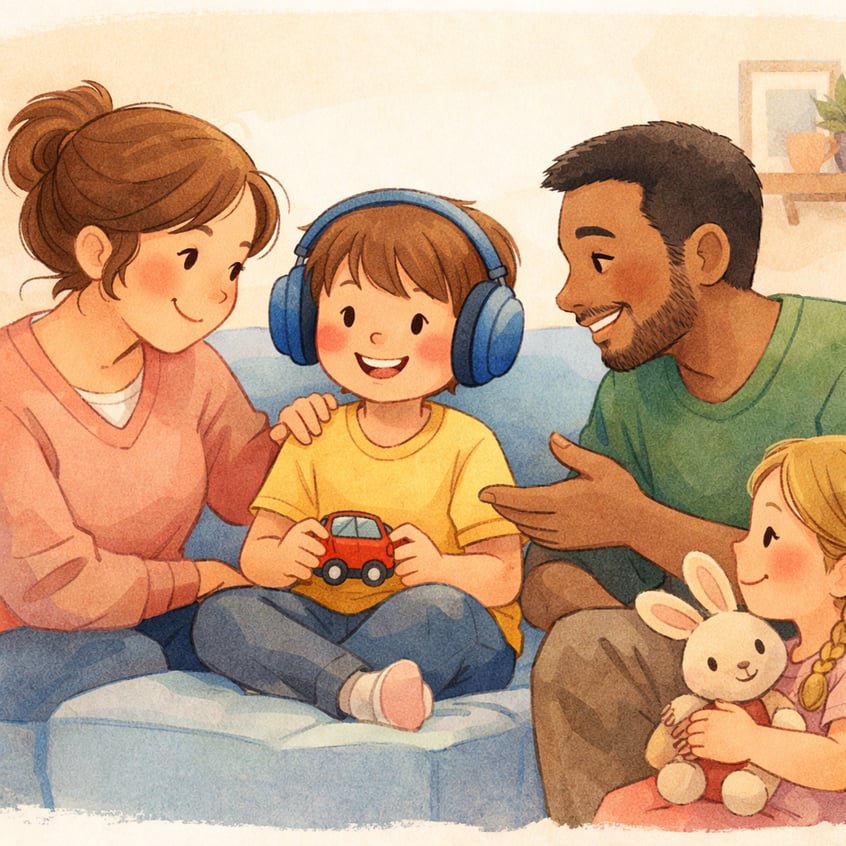
A neurodiversity-affirming family recognizes and embraces these differences as natural, not deficits. Instead of just accommodating, the family shifts its perspective, encourages open communication, and builds mutual respect.
In such an environment, every member feels seen, heard, and valued. A child’s differences are celebrated, creating a secure and loving foundation for the whole family.
Recognizing Diversity Within Neurodiverse Diagnoses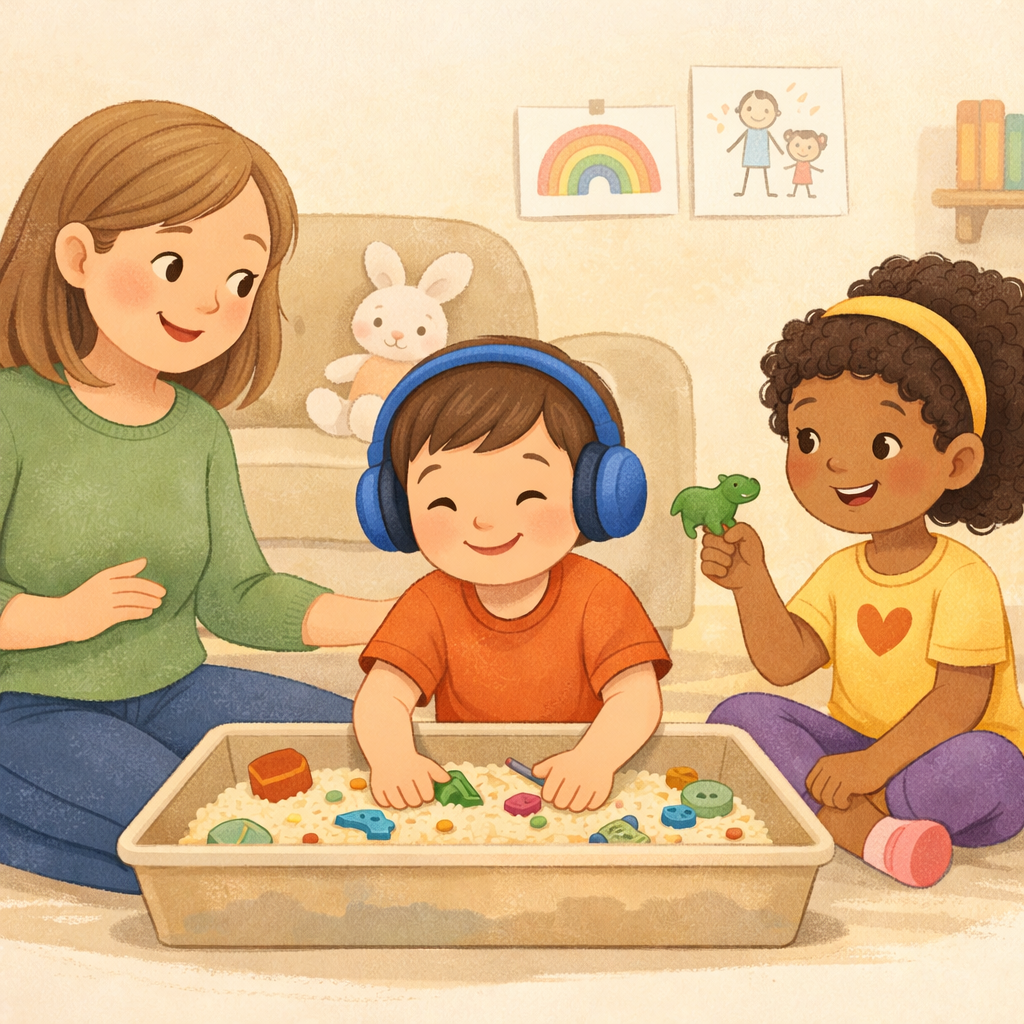
Neurodiversity is an umbrella term for natural brain differences, including Autism Spectrum Disorder (ASD), ADHD, dyslexia, and Tourette's Syndrome. Each condition affects individuals uniquely, so no two neurodivergent children are the same.
Family dynamics depend on each child’s diagnosis and needs. For example, a child with ADHD may need more structure for focus and impulse control, while a child with ASD might require help with sensory sensitivities or communication.
Recognizing these differences allows families to provide tailored support, creating a more harmonious home.
Challenges Faced by Families Raising Neurodiverse Children
Raising neurodivergent children can introduce unique challenges and stressors for every family member. These hurdles can affect mental health and shift traditional family roles in unexpected ways. Families may find themselves navigating new emotional landscapes and adjusting their expectations for daily life.
These challenges often stem from navigating emotional responses and managing common stressors that arise. Understanding these difficulties is the first step toward building resilience and finding effective strategies to support the entire family unit. Let’s look closer at these emotional adjustments and changes in family roles.
Navigating Emotional Responses and Adjustments
Raising a neurodivergent child brings a range of emotions for the whole family, including love, pride, worry, and sometimes guilt. It’s important to acknowledge these feelings without judgment and offer mutual support to maintain mental well-being.
Emotional regulation becomes crucial for everyone. To manage stress, families should develop coping strategies, such as creating routines, setting up a quiet space, and practicing mindfulness together.
Open discussions about feelings help strengthen family bonds and build resilience. When everyone feels safe to share, it fosters understanding and helps the family face challenges together.
Common Stressors and Changes in Family Roles
Families raising a neurodivergent child often face unexpected changes and increased stress. Daily routines become more complex, and parents may need to devote extra time and energy, leading to shifts in family roles. One parent might take on more caregiving, impacting their career or personal time. Siblings may feel overlooked or take on helper roles, while parents can struggle to find time for themselves.
Recognizing these common stressors helps families address them proactively.
|
Common Stressor |
Change in Family Roles |
|---|---|
|
Increased Care Needs |
One parent becomes primary caregiver, affecting work-life balance. |
|
Financial Strain |
Family reallocates finances for therapies and support. |
|
Managing Appointments |
One parent coordinates care as "case manager." |
|
Sibling Needs |
Neurotypical siblings help more or feel less attention. |
Building a Neurodiversity-Affirming Family Environment
Creating a neurodiversity-affirming home means building a supportive environment where your child’s unique needs are not just met, but celebrated. It's about shifting from a mindset of "fixing" differences to one of embracing them as a natural part of who your child is. This approach fosters a sense of belonging and safety for everyone.
A supportive home environment is built on principles of acceptance and inclusion. It involves practical steps that you can take to make your home a place where your neurodivergent child can truly thrive. Let's explore these principles and practical strategies.
Principles of Affirmation and Acceptance
A neurodiversity-affirming home is built on affirmation and acceptance. Affirmation means actively validating your child's experiences and identity, showing them that their way of thinking is valued. This can be as simple as acknowledging their interests or efforts.
Acceptance means letting go of neurotypical expectations and embracing your child as they are. It’s about understanding that certain behaviors reflect their neurotype, not defiance, and focusing on support rather than change.
Celebrating strengths and progress with positive reinforcement reinforces these principles. When neurodivergent children feel accepted, their confidence grows, strengthening family connections.
Practical Steps to Foster Inclusion at Home
Fostering inclusion at home means making practical changes to support your child’s well-being. Simple adjustments, like adapting the environment to your child rather than expecting them to adapt, can make a big difference.
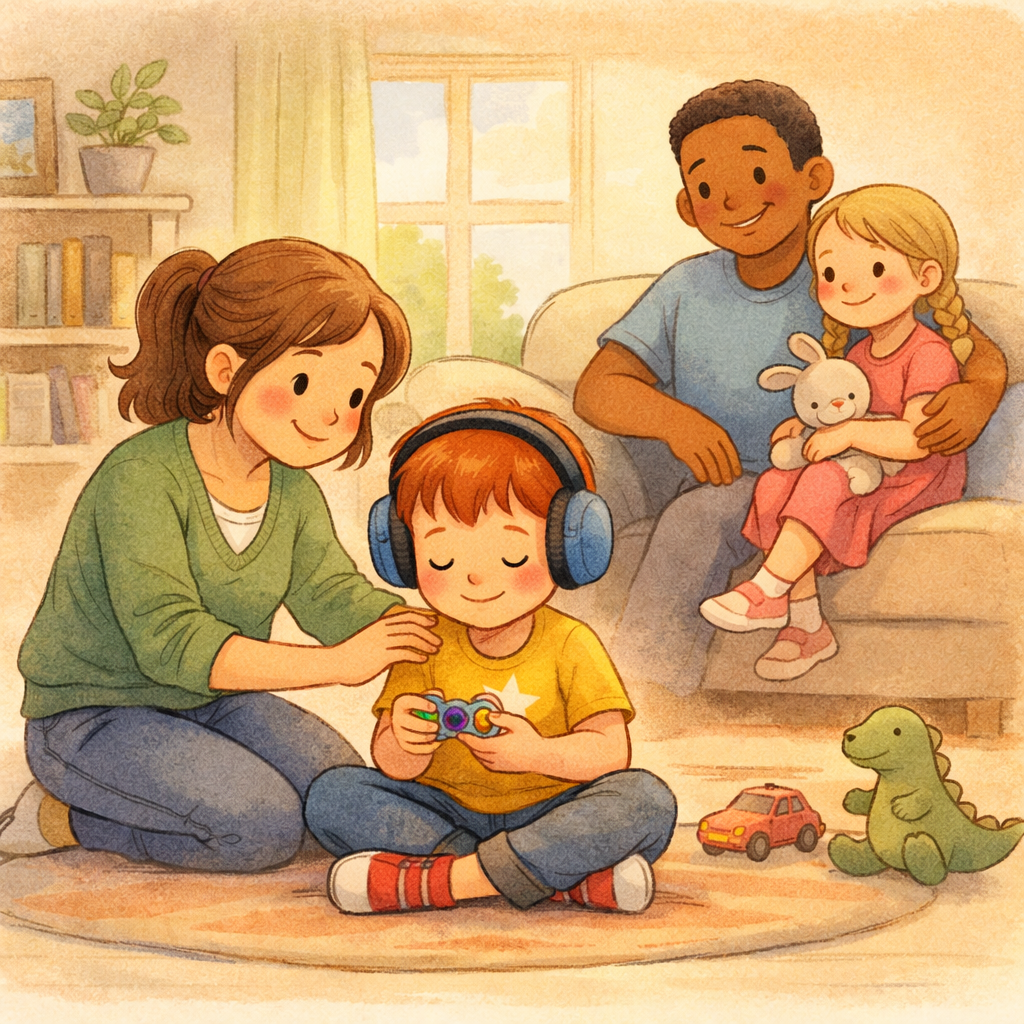
Addressing sensory needs is key: dim lights, use noise-canceling headphones, or provide sensory tools like weighted blankets. Set up a quiet space for breaks when your child feels overwhelmed. Visual schedules can also help by making routines clear and predictable.
To create an inclusive home:
- Establish routines: Use visual schedules for daily activities.
- Create sensory-friendly spaces: Reduce loud noises and bright lights.
- Offer choices: Let your child have input on activities and tasks.
- Use clear language: Avoid sarcasm or confusing idioms.
Supporting Parent-Child Relationships
The relationship between parents and their neurodivergent children is unique and can be incredibly rewarding, but it often requires a different approach to communication and connection. Neurodiversity can affect parent-child relationships by introducing new ways of expressing love, showing understanding, and building trust.
Strengthening this bond is about learning your child's language, both verbal and nonverbal. By focusing on effective communication strategies and fostering mutual understanding, you can build a deep and lasting connection. Let's look at how to communicate effectively and build a foundation of trust.
Effective Communication Strategies for Neurodiverse Children
Effective communication with neurodiverse children requires adapting your approach. Many process information differently, so use clear, direct language and avoid vague expressions or sarcasm. Be specific and straightforward.
Visual aids like pictures, charts, or written instructions can reinforce your message and clarify expectations. Pay attention to nonverbal cues—body language and facial expressions often communicate more than words. Allow extra time for them to process information and respond without pressure.
Key strategies:
- Use direct language: Be specific and literal.
- Incorporate visual aids: Support words with images or lists.
- Practice active listening: Notice all forms of communication and validate their feelings.
- Allow processing time: Be patient and let them respond at their own pace.
Encouraging Mutual Understanding and Trust
Building mutual understanding and trust is essential for strong family relationships. For neurodiverse children, trust develops when their needs are consistently understood and respected. Parents can foster this by making a genuine effort to see the world through their child’s eyes. When children feel understood, they feel safe and valued.
Open communication is crucial. Create a judgment-free environment where your child can express themselves. Validate their feelings, even if you don’t fully understand them. Acknowledge their struggles and celebrate their successes so your child sees you as an ally.
Consistency builds trust. Respond to your child’s needs with empathy and support to strengthen your bond. This foundation not only deepens your relationship but also empowers your child to face the world confidently, knowing they have a safe base at home.
Empowering Siblings in Neurodiverse Families
In a neurodiverse family, sibling relationships play a crucial role in the family unit. Supporting the siblings of a neurodivergent child is just as important as supporting the child themselves. Neurotypical siblings often have their own unique experiences, emotions, and questions that need to be addressed to foster a sense of inclusion and understanding.
Empowering siblings involves helping them understand neurodiversity and find ways to strengthen their bond with their neurodivergent sibling. This support helps create a more balanced and harmonious family environment for everyone.
Helping Siblings Understand Neurodiversity
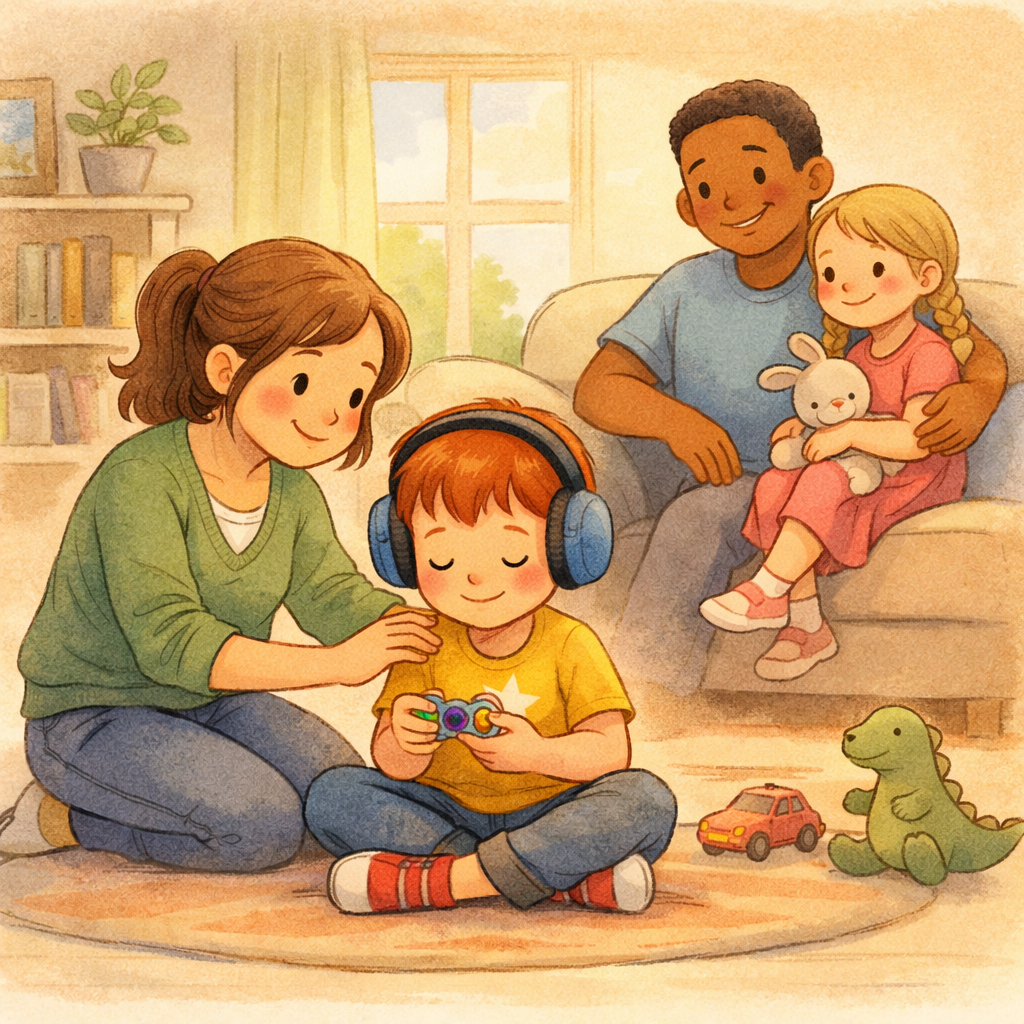
For neurotypical siblings, understanding their neurodivergent brother or sister is key to building strong bonds. Explain neurodiversity in age-appropriate terms, emphasizing it as a different way of thinking—not something "wrong." Help them see their sibling’s behaviors aren’t meant to annoy or upset them.
Acknowledge the feelings of neurotypical siblings. They may feel frustrated, jealous of the attention their sibling gets, or embarrassed at times. Create a safe space for them to express these emotions without guilt. Reassure them that these feelings are normal and that you support them, too.
To help siblings understand neurodiversity:
- Use simple language: Explain what neurodiversity means in easy-to-understand terms.
- Share resources: Read books or watch videos about conditions like autism or ADHD together.
- Highlight strengths: Focus on the unique talents and positives of their neurodivergent sibling.
- Spend individual time: Make sure each child feels special and valued.
Strengthening Sibling Bonds Through Shared Experiences
Strengthening sibling bonds comes from positive, shared experiences. Choose activities both siblings enjoy and respect their preferences. Avoid forcing interactions; instead, find common interests like playing video games, building with LEGOs, or enjoying quiet time together.
Integrate these shared moments into daily routines—such as working on a puzzle or watching a favorite movie together. Consistent, small interactions build lasting connections that help siblings weather tough times.
A supportive family environment fosters these bonds naturally. Celebrate teamwork and kindness between siblings. When they feel like part of a team, their relationship grows stronger, laying the foundation for lifelong friendship and support.
Conclusion
Navigating family dynamics with neurodiverse children brings unique challenges and rewards. Understanding neurodiversity helps families create an accepting, supportive environment. Effective communication, nurturing sibling relationships, and practical strategies foster harmony and strengthen bonds. Every step toward inclusion benefits the whole family.
For personalized guidance, reach out for a consultation or call daar at 02 9133 2500 —your journey to deeper connection and understanding begins here.
Frequently Asked Questions
How can families best strengthen bonds with neurodiverse children?
To strengthen family relationships with neurodivergent children, focus on creating a supportive environment built on trust. Use positive reinforcement to celebrate their strengths, engage in shared activities they enjoy, and adapt social interactions to their comfort level. Prioritizing open communication and mutual understanding is key.
What are practical ways to support siblings of neurodiverse children?
Support neurotypical siblings by providing them with emotional support and one-on-one attention. Educate them about their neurodivergent sibling's condition in an age-appropriate way. Encourage shared activities that both can enjoy to help strengthen sibling bonds and foster a sense of teamwork within the family unit.
What resources are available for understanding family dynamics and neurodiverse needs?
Families can find help through support groups, parent coaching, and online communities where they can connect with others. Seeking professional guidance from therapists and specialists is also beneficial. Schools can provide resources through an Individualized Education Program (IEP), offering tailored support for your child's needs.
.svg)




.svg)