
.png?width=48&height=48&name=Group%201%20(3).png)























2 January, 2026

Behaviour Therapy: A Key Component of NDIS Support

Introduction
Welcome to our guide on behaviour therapy, a vital component of mental health support available through the NDIS. This therapeutic approach focuses on understanding and changing behaviours to improve your overall well-being. Unlike therapies that explore the past, behaviour therapy is action-oriented and centered on current problems. We'll explore what it is, who it helps, and how it works, covering related approaches like cognitive behavioural therapy to give you a complete picture of this effective support option.
Key Highlights
-
Behaviour therapy is a practical approach focused on changing harmful behaviours and reinforcing positive ones to improve mental health.
-
The NDIS supports behaviour therapy to help participants develop adaptive skills and improve their quality of life.
-
Key behavioural therapy techniques include Applied Behaviour Analysis (ABA) and Positive Behaviour Support (PBS).
-
Telehealth offers a flexible way for NDIS participants to access behaviour therapy sessions from home.
-
This therapy is effective for various conditions, including social behaviour disorders, anxiety, and autism.
Understanding Behaviour Therapy in the Context of NDIS
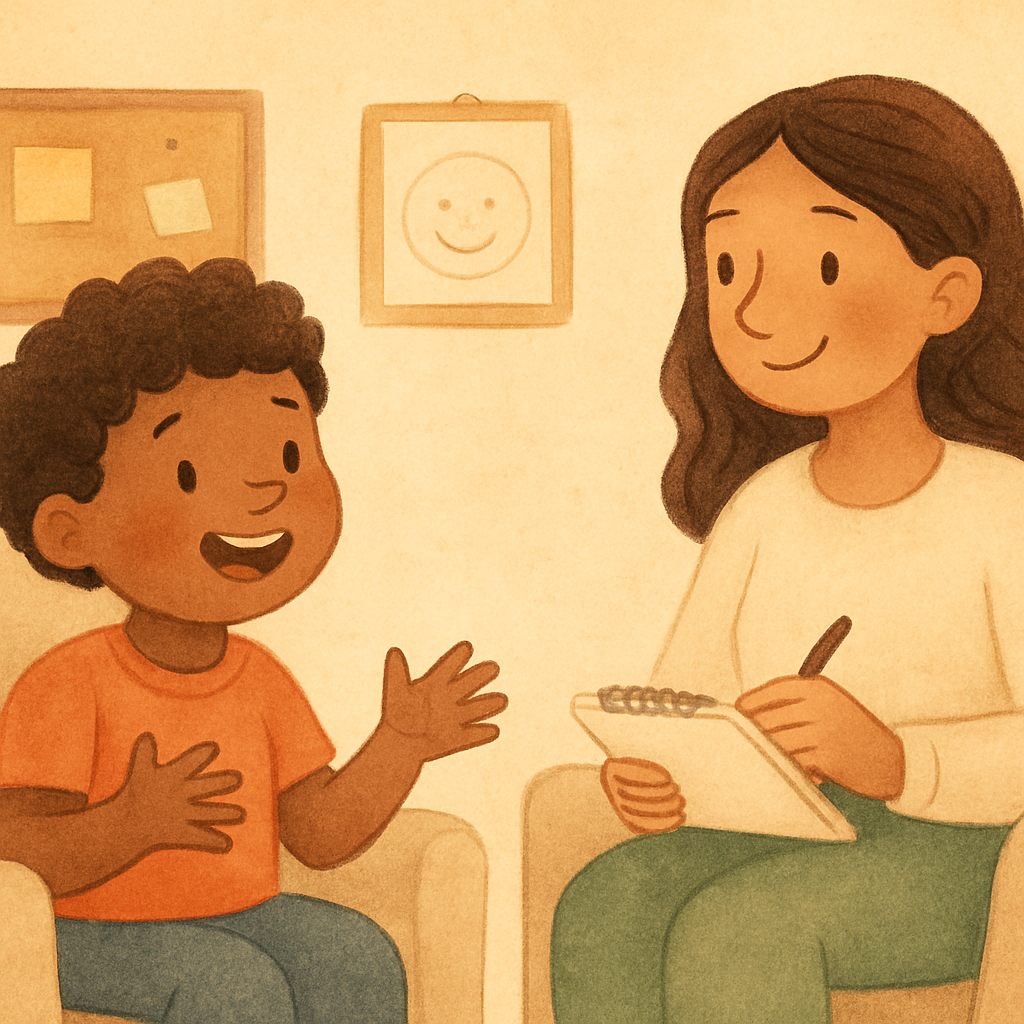
Behaviour therapy is a psychological treatment designed to modify maladaptive behaviours and encourage healthier ones. Within the NDIS framework, it serves as a powerful tool to help participants manage various mental health conditions and achieve their personal goals. The focus is on practical, structured interventions that produce tangible results.
Your therapist will create tailored treatment plans using specific behavioural therapy techniques to address your unique challenges. The goal is to replace unhelpful behaviours with adaptive ones, empowering you to lead a more fulfilling life. This approach is problem-focused, action-oriented, and highly effective for many individuals.
Definition and Principles of Behaviour Therapy
At its core, behaviour therapy is a collection of techniques based on the principles of behaviourism, which holds that all behaviours are learned. This approach doesn't concentrate on your past but instead focuses on how environmental factors shape your current actions. By understanding this relationship, you can learn to modify your behaviours for better emotional and social functioning.
A central idea is that behaviours are influenced by their consequences. This is where classical conditioning and operant conditioning come into play. Classical conditioning involves forming associations between stimuli, while operant conditioning uses reinforcement and punishment to shape behaviour. For example, rewarding a positive action makes it more likely to be repeated.
The ultimate objective of this therapy is to help you recognize and change undesirable behaviours. Through structured interventions and behaviour modification strategies, you can learn new, healthier ways of acting and responding. This systematic approach helps address a wide range of mental health conditions by teaching you that positive change is achievable.
How Behaviour Therapy Supports NDIS Participants
For NDIS participants, behaviour therapy offers a structured path toward greater independence and an improved quality of life. The therapy focuses on teaching practical skills and building adaptive behaviours that help you navigate daily challenges more effectively. A therapist works with you to identify specific goals and create a plan to achieve them.
Using techniques grounded in behaviour analysis, the therapy aims to replace harmful behaviours with constructive ones. This is often achieved through strategies like positive reinforcement, where desirable actions are rewarded to encourage their repetition. The focus is always on promoting skills that enhance your ability to participate in the community and enjoy life.
Some keyways it provides support include:
-
Developing new, healthier behaviours through structured learning.
-
Eliminating maladaptive behaviours that create obstacles in daily life.
-
Modifying your environment to better support positive actions.
The Role of Telehealth in Behaviour Therapy for NDIS
Telehealth has transformed how NDIS participants can access essential health services, including behaviour therapy. It allows you to connect with a qualified therapist for a therapy session from the comfort of your own home, removing barriers like travel and scheduling conflicts. This increased accessibility ensures that more people can receive consistent mental health treatment.
Are you wondering how a virtual therapy session works? It functions much like an in-person appointment, using secure video conferencing to facilitate communication. Your therapist can still effectively guide you through exercises, discuss your progress, and provide the support you need to work on your behavioural goals.
This modern approach to delivering health services makes it easier than ever to find a qualified professional, even if they aren't in your immediate area. By embracing telehealth, the NDIS helps ensure that you can get the right support at the right time, making behaviour therapy a more convenient and flexible option for improving your well-being.
Core Techniques Used in Behaviour Therapy
Behaviour therapy utilizes a toolbox of proven methods to help you change unhelpful behaviours. These behavioural therapy techniques are practical and goal-oriented, focusing on providing you with skills to manage challenges effectively. During a therapy session, your therapist might use strategies based on classical or operant conditioning.
Common techniques include systematic desensitization to gradually reduce fear, positive reinforcement to encourage good habits, and cognitive restructuring to challenge negative thought patterns. Each method is chosen to fit your specific needs and goals. In the following sections, we will explore some of these key techniques in more detail.
Applied Behaviour Analysis (ABA) in NDIS
Applied Behaviour Analysis, often called ABA, is a highly structured form of therapy rooted in behaviour analysis. It is particularly effective for individuals with autism and focuses on improving specific behaviours like social skills, communication, and learning. The core principle of ABA is to understand how behaviours are learned and how they are affected by the environment.
The approach works by breaking down complex tasks into small, manageable steps. Positive reinforcement is a key component; when desirable behaviours are demonstrated, they are rewarded, which increases the likelihood that they will be repeated. This systematic process helps reinforce new skills and reduce maladaptive behaviours that may be causing difficulties.
ABA therapy is flexible and tailored to each individual's needs. A therapist analyzes the function of a particular behaviour to create targeted interventions. By focusing on the antecedents (what happens before a behaviour) and consequences (what happens after), ABA provides a clear framework for encouraging positive change and developing essential life skills.
Positive Behaviour Support (PBS) Strategies
Positive Behaviour Support (PBS) is a person-centered approach that aims to understand the reasons behind challenging behaviours and improve a person's quality of life. Unlike some traditional behaviour modification methods, PBS is not about punishment. Instead, it focuses on creating supportive environments and teaching new skills to help individuals meet their needs in more effective ways.
The process begins with an assessment to determine why a behaviour is occurring. From there, a comprehensive treatment plan is developed in collaboration with the individual, their family, and their support network. This plan includes proactive strategies to prevent challenging behaviours and teaches adaptive behaviours to replace them.
Key PBS strategies often include:
-
Modifying the environment to reduce triggers for challenging behaviour.
-
Teaching new communication skills or coping mechanisms.
-
Reinforcing positive actions to encourage their use over time.
Social Skills Training and Its Importance

Social skills training is a key part of behaviour therapy, teaching individuals how to interact more effectively. Strong social skills are vital for building relationships, succeeding at school or work, and feeling connected to others. This training offers a structured way to learn and practice these important abilities.
Based on social learning principles, therapists' model appropriate behaviours and provide safe opportunities to practice, often using role-playing to prepare for real-life situations and boost confidence.
Developing these skills improves communication, cooperation, and understanding of social cues. For many NDIS participants, social skills training supports greater independence and a fuller social life by reducing isolation and enhancing well-being.
Exposure-Based Techniques and Gradual Learning
Exposure-based techniques are a powerful behaviour therapy for confronting fears. If you struggle with anxiety or phobias, avoiding situations can reinforce your fear. Exposure therapy breaks this cycle by providing a safe space to face what scares you.
A common approach is systematic desensitization, where you learn relaxation techniques and gradually face your fears, starting with the least frightening. Over time, this reduces anxiety by showing that the feared outcome doesn’t occur.
This process helps desensitize you to distressing triggers. Whether for phobias, social anxiety, or PTSD, exposure therapy is an effective way to reduce fear’s impact on daily life.
Who Benefits Most from Behaviour Therapy Under NDIS?
Behaviour therapy under the NDIS can be life-changing for a wide range of individuals. It is particularly beneficial for those looking to address specific mental health disorders and develop practical skills to manage their symptoms. By focusing on building adaptive behaviours, the therapy empowers people to overcome challenges and improve their overall quality of life.
Anyone who wants to change unhelpful behaviours and learn new coping strategies can benefit. This includes children, adults, and even families who need support. The following sections will provide more insight into how different groups can make the most of this therapeutic approach.
Children and Young Adults with Disability
For children and young adults with disabilities, behaviour therapy can be incredibly effective in fostering positive development. Therapists often use engaging techniques like play therapy to make learning new skills fun and accessible. The focus is on reinforcing positive actions and teaching adaptive behaviours that will help them succeed at home, in school, and in social settings.
This type of therapy is tailored to the unique needs of each young person. For example, a child may work on improving their social skills to make friends, while a young adult might focus on developing strategies for managing emotions or daily routines. The goal is always to equip them with the tools they need for greater independence.
Behaviour therapy for young people can help with:
-
Developing communication and social skills.
-
Managing challenging behaviours in a constructive way.
-
Building coping strategies for stress and anxiety.
Adults Accessing Behaviour Support via NDIS
Adults can benefit significantly from behaviour therapy through the NDIS, especially when managing mental health challenges or making major life changes. Therapy offers a structured, supportive environment to address issues like anxiety, depression, and substance use, with each session focused on clear, practical goals.
Therapists and clients work collaboratively to identify problematic behaviours and develop strategies for change. This may include learning new coping skills, improving communication, or finding healthier ways to manage stress—all aimed at building lasting positive habits.
Whether seeking to break harmful patterns, improve relationships, or enhance well-being, behaviour therapy gives adults a clear path forward. It empowers them to take control and build a more fulfilling life.
Families and Carers in the NDIS Environment

Behaviour therapy benefits not only NDIS participants but also their families and carers. Supporting a loved one with a disability can be challenging; this therapy equips carers with practical skills to create a more supportive home environment.
Families learn strategies to manage harmful behaviours and encourage positive ones, reducing stress for everyone and improving daily life. Carers gain insight into why certain behaviours occur and how to respond constructively.
Involving the whole family ensures that new skills are consistently reinforced at home. This collaborative approach improves communication, strengthens relationships, and creates a nurturing space where the NDIS participant can thrive.
Behaviour Therapy for Social Behaviour Disorders
Social behaviour disorders, such as social anxiety, can make everyday interactions feel overwhelming. Behaviour therapy offers effective strategies to manage these challenges by focusing on changing the maladaptive behaviours and thought patterns that fuel them. The goal is to build confidence and improve your social skills.
This therapy helps you understand the triggers for your anxiety and teaches you practical techniques to cope with them. By addressing these issues head-on, you can improve your mental health and feel more comfortable in social situations. The following sections will detail how this is achieved for various conditions.
Managing Autism Spectrum Disorder with Behaviour Therapy
Behaviour therapy is a key support for individuals with autism spectrum disorder (ASD). Applied Behaviour Analysis (ABA) is one of the most researched and effective methods, using a structured approach to teach new skills and reduce challenging behaviours.
Therapy targets communication, social skills, and daily living abilities. Techniques like positive reinforcement motivate learning and encourage appropriate behaviours—such as rewarding eye contact or turn-taking in conversations.
By breaking skills into manageable steps, behaviour therapy makes learning more accessible and less overwhelming. This helps individuals with ASD build confidence and become more independent.
|
Technique |
How It Helps with ASD |
|---|---|
|
Applied Behaviour Analysis |
Builds social, communication, and learning skills through structured methods |
|
Positive Reinforcement |
Encourages positive behaviours with rewards |
|
Social Skills Training |
Teaches social interaction, understanding cues, and building relationships |
Addressing Attention and Social Skills Challenges
Many people struggle with attention and social skills, affecting daily life. Cognitive behavioural therapy (CBT) is effective for these challenges. It helps you identify and change negative thought patterns that impact focus and social interactions.
CBT teaches strategies like breaking tasks into smaller steps and using organizational tools to improve attention. For social skills, you practice reading cues, starting conversations, and managing anxiety through role-play and real-life exercises.
CBT also provides stress management techniques, helping you regulate emotions and handle difficult situations calmly. This leads to better focus, stronger relationships, and a greater sense of control.
Outcomes for Emotional and Social Development
Behaviour therapy promotes emotional and social growth by replacing harmful actions with positive ones, improving mental health and well-being. It equips you to manage emotions, reducing distress and anxiety.
Socially, these skills foster healthier relationships through better communication and understanding, increasing your sense of belonging and reducing isolation.
Ultimately, behaviour therapy builds confidence and resilience, providing practical skills that lead to lasting personal growth beyond therapy sessions.
Delivering Behaviour Therapy with Telehealth NDIS Services
In today's digital world, accessing health services has never been more convenient, thanks to telehealth. The NDIS has embraced this technology, making it possible to receive high-quality behaviour therapy from the comfort of your home. A telehealth therapy session connects you with a professional via video call, offering flexibility and removing many traditional barriers to care.
This modern approach ensures that geographical location is no longer an obstacle to finding the right support. It allows for consistent and timely access to behaviour therapy, helping you stay on track with your goals. The following sections will explore the options, benefits, and steps to access these services.
Overview of Telehealth Options for NDIS Participants
NDIS participants can access behaviour therapy through several telehealth options. The most common is live video conferencing, which offers real-time, face-to-face sessions with a therapist, psychologist, or social worker—closely replicating in-person appointments.
Some services also offer phone therapy for those with limited internet or who prefer not to use video. Additionally, secure messaging platforms let you connect with your therapist between sessions for ongoing support and quick questions.
These flexible options allow you to choose what works best for your needs and technology access. NDIS supports these telehealth formats to ensure all participants have equal access to essential health services.
Advantages and Limitations of Telehealth in Behaviour Therapy
Telehealth makes mental health treatment more accessible by eliminating travel, saving time and money, and benefiting those with mobility issues. This convenience can improve attendance and treatment outcomes.
However, telehealth has limitations. It requires a stable internet connection and private space, which may be challenging for some. Building a strong therapist-client relationship can also be harder online.
Key points:
-
Advantages: Greater accessibility, convenience, and flexible scheduling.
-
Limitations: Needs reliable technology; not ideal for everyone or complex cases.
-
Suitability: Depends on your comfort with technology and the therapy type.
How to Access Telehealth NDIS Behaviour Therapy
Accessing telehealth for NDIS behaviour therapy is a straightforward process. The first step is to ensure that your NDIS plan includes funding for therapeutic supports. Once confirmed, you can start looking for providers who offer telehealth health services. Many therapists and clinics now list telehealth as a primary service option on their websites.
When you find a potential provider, you can schedule an initial consultation to discuss your needs and see if they are a good fit. This is a great opportunity to ask about their experience with telehealth and the specific platforms they use for sessions, whether it's for behaviour therapy or cognitive behavioural therapy.
To get started, you can:
-
Talk to your NDIS support coordinator for a list of recommended providers.
-
Use online directories to search for therapists who specialize in your area of need and offer telehealth.
-
Contact providers directly to inquire about their telehealth options and availability.
Conclusion
In conclusion, behaviour therapy is a vital aspect of support for NDIS participants, offering tailored strategies that address various needs. By utilizing techniques such as Applied Behaviour Analysis (ABA) and Positive Behaviour Support (PBS), individuals can experience improved social skills and emotional development. The integration of telehealth has made access to these services more convenient, ensuring that participants can receive the support they need from the comfort of their homes. As we continue to understand the benefits of behaviour therapy within the NDIS framework, it becomes clear that this approach not only aids in personal development but also fosters stronger connections within families and communities.
If you're interested in exploring these options further, don’t hesitate to reach out for a consultation or call daar at 02 9133 2500.
Frequently Asked Questions
Is behaviour therapy effective for both children and adults on the NDIS?
Yes, behaviour therapy is highly effective for both children and adults. For NDIS participants of all ages, it offers tailored strategies to replace challenging actions with positive behaviours. The techniques are adapted to suit different developmental stages, ensuring that everyone can work toward their personal goals and improve their well-being.
Are there any risks or side effects to behaviour therapy?
While behaviour therapy is generally safe, some people may experience temporary discomfort or emotional distress during a therapy session, especially with exposure techniques. There are minimal risks or side effects, and a qualified therapist will ensure the mental health treatment progresses at a pace that feels safe and manageable for you.
How do I find a qualified behaviour therapist with NDIS and telehealth options?
To find a qualified behaviour therapist, start by asking your NDIS coordinator for recommendations or searching the NDIS Provider Finder tool. You can also use online directories for mental health services, filtering for professionals who offer telehealth. Always check their credentials and ensure they have experience with NDIS participants.
.svg)




.svg)