
.png?width=48&height=48&name=Group%201%20(3).png)























3 February, 2026

Understanding Behavioral Therapy for ADHD in Children
Introduction
If your child has attention deficit hyperactivity disorder (ADHD), you know the challenges it can present in daily life. While there are many ways to approach treatment, behavioral therapy offers a powerful, skills-based path forward. This form of therapy provides young children with practical strategies for behavior management. It helps them gain control over their actions and sets them up for success at home, at school, and in their friendships.
Key Highlights
- Behavioral therapy helps children manage ADHD symptoms by teaching them new skills.
- This approach focuses on behavior modification through strategies like positive reinforcement.
- Parent training is a critical component, empowering you to support your child effectively.
- Therapy can improve organization, impulse control, and emotional regulation.
- Social skills training helps children build better relationships with their peers.
- Combining behavioral therapy with other treatments can enhance your child's mental health and overall quality of life.
Overview of Behavioral Therapy for ADHD in Children
Behavioral therapy is an effective treatment for ADHD that focuses on teaching children skills to control their symptoms of hyperactivity, impulsiveness, and inattention. These behavioral interventions equip your child with tools they can use throughout their lives to manage their support needs.
Unlike medication, which stops working once its discontinued, behavioral therapy provides lasting benefits. It teaches children skills that will continue to help them as they grow, making it a valuable part of any ADHD treatment plan, either on its own or alongside other therapies.
What Is Behavioral Therapy and How Does It Work?
Behavioral therapy is a treatment focused on reducing problematic behaviors by teaching that these behaviors can be learned and changed. It helps children adopt better ways of acting through consistent strategies and environmental changes.
Parents are trained to use praise and positive reinforcement to encourage good behavior, while setting clear consequences for problem behaviors. This structure clarifies expectations and motivates positive change.
Cognitive-Behavioral Therapy (CBT), a related approach, teaches individuals to identify and challenge negative thoughts. By reshaping these patterns, CBT helps manage emotions, improve communication, and reduce troublesome behaviors often linked with ADHD.
Main Types of Behavioral Therapies Used for ADHD
Two main kinds of behavior therapy can help children with ADHD. The first type focuses on helping kids control impulsive behavior and often involves parent training. The second type concentrates on building a set of skills known as "executive functions," which include organization and time management.
Here are the main types of behavioral therapies used:
|
Therapy Type |
Primary Focus |
|---|---|
|
Parent Training |
Teaches parents skills to manage their child's behavior using positive reinforcement and consistent consequences. |
|
Executive Function Training |
Helps children develop skills for organization, planning, and time management using tools like checklists and planners. |
|
Social Skills Training |
Improves a child's ability to interact with peers by teaching appropriate social behaviors and communication skills. |
These approaches, which can include talk therapy and positive behaviour support strategies, provide a well-rounded plan. Parent training programs like Parent-Child Interaction Therapy (PCIT) and the Positive Parenting Program (Triple P) give you direct tools to use at home. Meanwhile, learning specialists can work with your child on skills-based interventions to help them succeed in school.
Role of Behavioral Therapy in Treating Childhood ADHD
Behavioral therapy is an important part of treating childhood ADHD. While it may not remove core symptoms, it teaches children key skills to manage hyperactivity, impulsivity, and inattention.
Therapy helps children regulate emotions and develop positive behaviors, improving their relationships with family and friends. This leads to fewer conflicts, less stress, and a more peaceful home.
In school, behavioral therapy provides structure. Tools like the "Daily Report Card" let teachers and parents set clear goals for the child. Rewarding progress encourages good behavior and supports academic success.
Understanding ADHD in Children
Attention-Deficit/Hyperactivity Disorder is a neurodevelopmental condition that affects many children. Its primary symptoms of adhd include inattention, impulsivity, and hyperactivity, which can make it difficult for a child to concentrate on tasks, follow instructions, and control their actions.
These symptoms often lead to emotional challenges and disruptive behaviors. This can impact a child's ability to succeed in school, make friends, and navigate daily life, affecting their overall wellbeing. Understanding these signs is the first step toward finding the right support.
Recognizing Symptoms and Challenges
Recognizing the signs of ADHD is key to getting your child the help they need. The condition presents a range of challenging behaviours that go beyond typical childhood energy. These often stem from difficulties with executive functioning, which includes skills like planning, organizing, and managing emotions.
Common ADHD symptoms you might notice include:
- Difficulty staying focused on tasks or play activities
- Frequent impulsiveness, such as interrupting others or acting without thinking
- Constant hyperactivity, like fidgeting or being unable to stay seated
- Trouble with organization and time management
These symptoms can create significant hurdles in a child's life. At home, you might see struggles with daily routines, while at school, they may have trouble following classroom rules or completing assignments. Effective strategies like using checklists and creating structured routines can help manage these challenges.
Differences Between Childhood and Adolescent ADHD
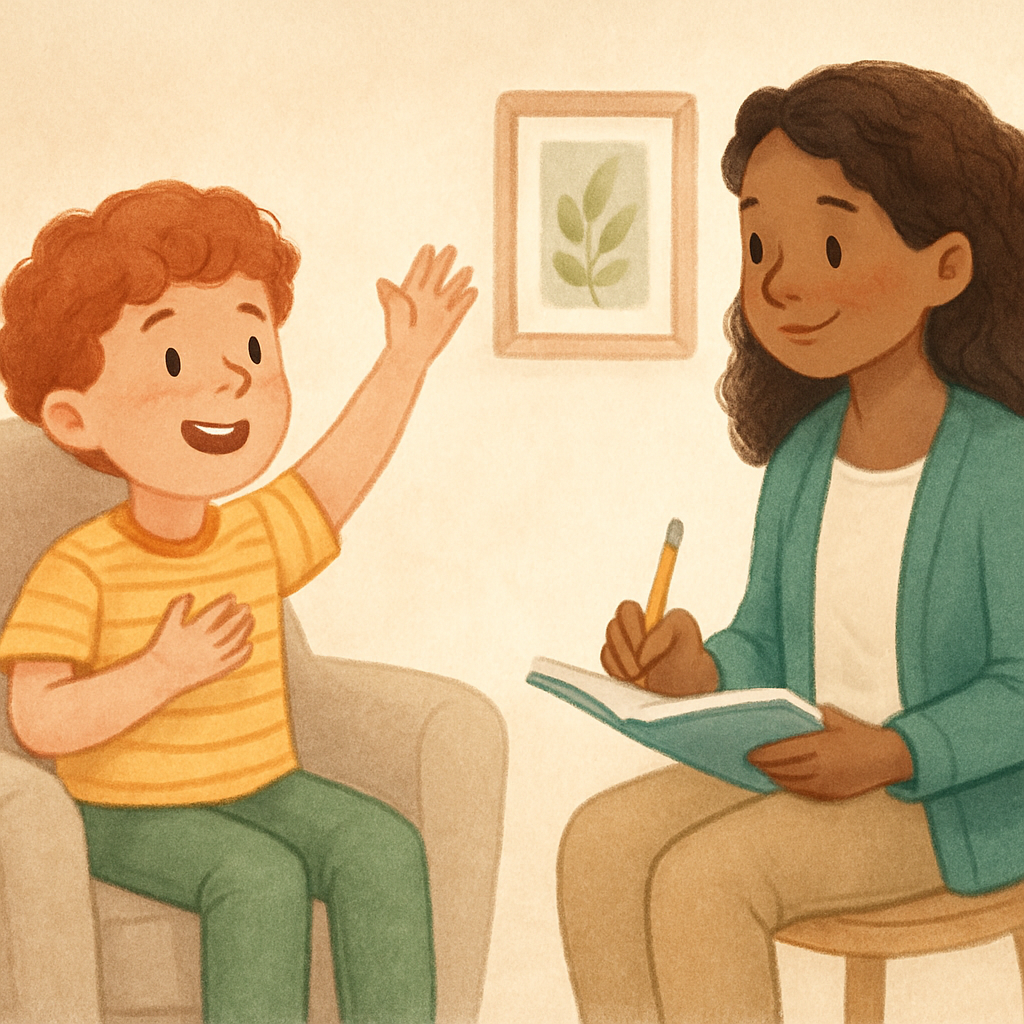
ADHD symptoms change as children grow, though attention deficits persist. Recognizing these shifts helps you support your child at each stage.
In young children, hyperactivity and impulsivity are most apparent—tantrums, defiance, and ignoring instructions are common. Therapy often focuses on parent training to manage these behaviors.
For teens, behavioral training is less proven but can help with related issues like oppositional or conduct disorders. Clinical psychologists may suggest cognitive-behavioral therapy for teens who develop anxiety or mood problems, tailored to their specific needs.
Psychological and Social Impacts
ADHD affects more than focus and energy—it can deeply impact a child’s psychological well-being and social life. Children with ADHD often struggle to form friendships due to impulsive behavior and communication difficulties, sometimes leading to isolation.
Frequent correction or criticism can lower self-esteem and hinder emotion regulation, making children feel constantly in trouble.
Together, these challenges reduce quality of life. Social skills training is essential; it helps children communicate better, build healthier relationships, and feel more confident and connected.
Parent Training and Involvement in Behavior Management
Your involvement as a parent is one of the most powerful tools in managing your child's ADHD. Parent training in behavior management is a cornerstone of effective treatment, as it equips you with the skills and strategies needed to create a supportive home environment.
This training can transform family life by reducing conflict and stress. When you learn how to respond to challenging behaviors in a constructive way, you can foster more positive interactions and provide the consistent behaviour support your child needs to thrive.
How Parent Training Supports Children with ADHD
Parent training is highly recommended for young children with ADHD, as they need direct help to change behavior. You have the most influence on your child, and this training empowers you to use it positively.
Led by a clinical psychologist, these programs teach practical skills like positive reinforcement, structure, consistent discipline, and effective communication. Regular meetings track progress and provide coaching.
Parent training can transform family life—improving your child’s behavior, reducing tantrums and arguments, lowering stress, and boosting your confidence while building a strong support network.
Practical Techniques for Parents at Home
You can implement many effective behavioral strategies at home to help manage your child’s ADHD symptoms. These practical techniques focus on creating structure and providing clear expectations, which helps children with weak executive functioning skills stay on track.
Here are some helpful tools for behavior management and time management:
- Checklists: Use these for daily routines like getting ready for school, doing homework, or preparing for bed. Breaking tasks into clear steps makes them less overwhelming.
- Planners: A planner is essential for keeping track of homework assignments and deadlines, which can be difficult for children with poor working memory.
- Reward Charts: These can help motivate children who are easily distracted. Earning rewards for positive behavior provides a tangible goal to work toward.
- Time Limits: Assigning a time limit for each step of a task helps children who struggle to estimate how long things will take.
These strategies provide the organization and predictability that many children with ADHD need to succeed. By using positive reinforcement and consistent routines, you can help your child build confidence and develop better habits.
NDIS and Resources for Parent Education in Australia
Australian families have access to valuable resources for learning and applying behavioral therapy. The National Disability Insurance Scheme (NDIS) can fund supports like parent training and Positive Behaviour Support, making professional help more accessible.
You can connect with organizations that employ qualified Behaviour Support Practitioners. These experts work with you to develop tailored support plans, identify triggers for challenging behaviors, and suggest changes at home or school for a more supportive environment.
To start, contact the NDIS or reach out to registered providers. These support networks equip you with the tools and guidance needed for parent training, helping you foster your child's independence and wellbeing.
Conclusion
Understanding behavioral therapy for ADHD gives parents and caregivers vital tools to support their child’s development. Recognizing symptoms and using effective management techniques can foster a nurturing environment and encourage positive behaviors. Parental involvement is key to successful therapy, helping children with ADHD thrive.
For personalized guidance, reach out for a consultation or call daar at 02 9133 2500—your journey to better mental health begins today!
Frequently Asked Questions
How long does it take to see results from behavioral therapy for ADHD?
The timeline for seeing results from behavioral therapy varies for each child. While the treatment of adhd requires time and effort from both you and your child, some families see dramatic improvements in behavior relatively quickly. The consistent practice of new skills promotes better mental health and overall wellbeing.
Can behavioral therapy be combined with medication for ADHD treatment?
Yes, behavioral therapy and medication can be a very effective combination for treating ADHD symptoms. Some children with more severe symptoms benefit from both, while others may only need therapy. Your healthcare provider can help you decide on the best approach based on your child's specific support needs.
Are there different behavioral interventions recommended for teenagers with ADHD?
Yes, behavioral interventions for teenagers with ADHD may differ from those for younger children. While some traditional training is less proven for this age group, adhd therapy like CBT can be effective for managing secondary issues like anxiety or conduct problems, focusing on emotion regulation and social skills training.
.svg)




.svg)