
.png?width=48&height=48&name=Group%201%20(3).png)
























29 June, 2026

Behaviour Therapy Explained: Key Approaches & Benefits
Key Highlights
- Behaviour therapy is a practical approach that helps change learned patterns affecting mental health.
- Different types of behavioural therapy support anxiety, depression, fears, and other mental health disorders.
- Acceptance and commitment therapy and dialectical behaviour therapy offer useful skills for coping and emotional balance.
- ABA therapy is one type of therapy often used to build communication and social skills.
- NDIS support may help some people access behaviour therapy and related health services.
- Small, practical ways used in therapy can improve daily routines and quality of life.
Introduction
Behaviour therapy is a practical way to address mental health issues by helping you change learned patterns that no longer serve you. Instead of staying focused on the past, this form of support looks at what is happening now and what can improve in daily life. Among the many types of therapy, it stands out for its clear structure and action-based style. If you are dealing with stress, fears, or other mental health issues, understanding this approach can help.
What is Behaviour Therapy?
Behaviour therapy is a form of psychotherapy that helps you identify learned patterns linked to psychological problems. The main idea is simple: if behaviours are learned, they can also be changed through new learning and repeated practice.
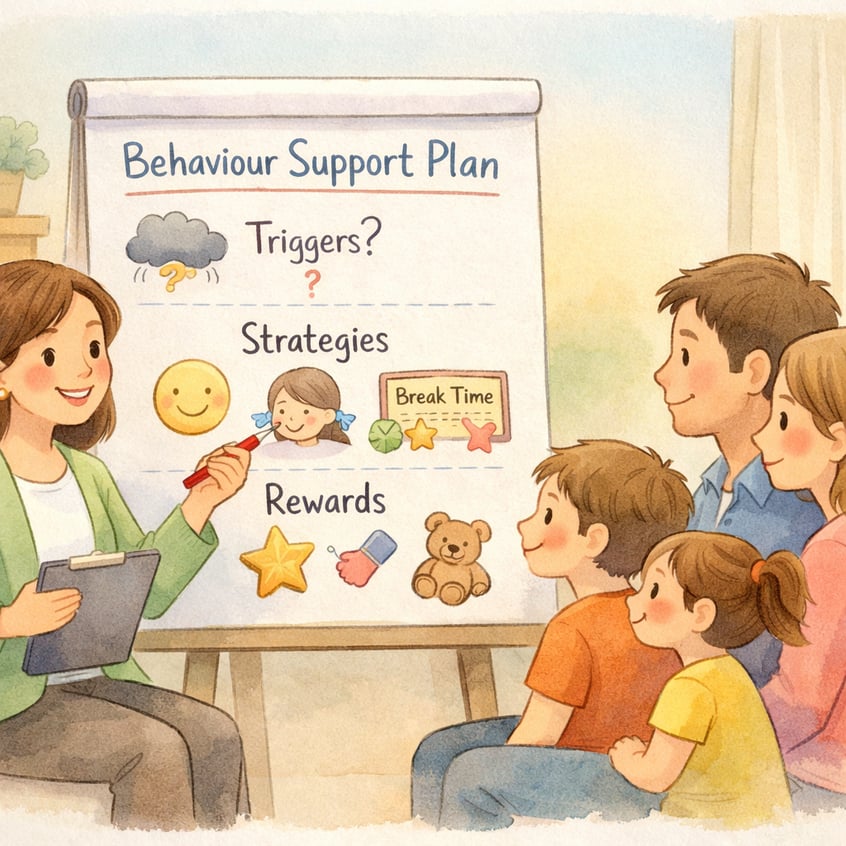
In real life, this means working on current problems, noticing triggers, and replacing unhelpful thoughts or actions with healthier responses. Several types of behavioural therapy use this same foundation, while each offers a different method for building better habits.
Defining Behavioural Therapy and Its Principles
Behaviour therapy is a broad term for several methods that aim to change unhealthy behaviours. It is a type of therapy built on the idea that people learn behaviour from their environment, routines, and responses to rewards or stress. Because of that, new learning can support better choices.
One important principle is its focus on current problems. Rather than spending most of the time unpacking the past, behaviour therapy looks at what is happening now, what is maintaining the issue, and what can be changed practically. That makes it useful for everyday challenges.
Another core idea is that progress often comes through repetition, structure, and clear goals. A therapist helps you notice patterns, reduce harmful responses, and strengthen helpful ones. This makes behaviour therapy a direct and usable type of therapy for many people.
Key Goals of Behavioural Therapy
The main purpose of behaviour therapy is to help you replace negative behaviours with positive behaviours that support your well-being. It is not just about stopping a problem. It is also about building skills that make daily life easier, steadier, and more manageable over time.
A big part of this work is goal setting. You and your therapist usually agree on clear targets so progress can be tracked in a realistic way. Goals often focus on actions you can practice, repeat, and adjust.
- Reduce patterns that increase distress or keep problems going.
- Build positive behaviours through practice and positive reinforcement.
- Improve coping skills, routines, and responses to triggers.
These goals give therapy direction. They also help you see small wins, which can keep motivation strong while change is taking shape.
How Behavioural Therapy Works in Practice
In practice, behaviour therapy is structured and active. During a therapy session, your therapist asks questions, helps identify patterns, and works with you on a treatment plan. Sessions may include skill-building, tracking behaviours, or practicing a response you can use outside the room.
Change usually happens through small steps. You might learn relaxation techniques, keep notes on triggers, or practice responding differently in stressful situations. These practical ways help turn therapy into something you can apply in daily life rather than something that stays theoretical.
This approach is commonly used for anxiety disorders, depression, phobias, PTSD, substance use, eating disorders, compulsive disorder patterns, and some personality disorders. It can also support children and adults dealing with attention deficit hyperactivity disorder, emotional difficulties, or social challenges.
Major Types of Behavioural Therapy
There are several types of behavioural therapy, and each one uses a slightly different method to support change. A behaviour therapist may choose an approach based on your goals, symptoms, age, and the mental health disorders being treated.
Some methods focus on learned associations, while others use rewards, modeling, or direct skill practice. Exposure therapy, for example, is often used for fears and anxiety. Understanding these core approaches makes it easier to see how treatment is matched to individual needs.
Classical Conditioning-Based Approaches
Classical conditioning approaches are based on the idea that people can learn new responses to situations or triggers. In therapy, this means changing an old emotional reaction by pairing the trigger with a different experience. It is often used when fear, discomfort, or craving has become strongly linked to something specific.
A common example is systematic desensitization. You first learn relaxation techniques, then gradually face the feared trigger step by step. Over time, the fear response can weaken as calm becomes more familiar.
- Systematic desensitization is often used for phobias and anxiety disorders.
- Aversion therapy aims to connect a harmful behaviour with an unpleasant response.
Aversion therapy has been used in areas such as substance use and alcohol misuse. These methods are structured and targeted to reduce automatic reactions that no longer help you.
Operant Conditioning and Reinforcement Methods
Operant conditioning focuses on what happens after a behaviour. If a reward follows an action, it is more likely to happen again. If reinforcement is removed, the behaviour may decrease. This principle is widely used in behaviour therapy because it gives people clear feedback.
In treatment, positive reinforcement is used to strengthen helpful actions. A therapist may encourage progress through praise, rewards, or systems that mark achievements. This can be useful when building routines, improving cooperation, or increasing healthy habits one step at a time.
These methods can also reduce negative behaviours by changing what maintains them. In some settings, they are used for substance use, disruptive behaviour, or habit change. The goal is not punishment for its own sake. The goal is to make better choices easier to repeat.
Social Learning and Modeling in Therapy
Social learning methods are based on observation. People often learn by watching others, copying actions, and noticing which behaviours get helpful results. In therapy, this can be used to teach skills that are hard to learn from explanation alone.
Modeling is especially helpful when building social skills. A therapist, parent, or peer demonstrates a behaviour, and the person practices it with support. This can help young people who need clearer examples of communication, cooperation, or emotional responses.
- Modeling can teach conversation, turn-taking, and problem-solving.
- Social learning can support a child or teen with a mental health condition.
Because it is concrete and visible, this approach can feel easier to understand. It works well when someone benefits from seeing a skill in action before trying it in real situations.
Exploring Applied Behaviour Analysis (ABA) Therapy

Applied behaviour analysis, or ABA therapy, is a type of therapy that uses behavioural principles to teach skills and reduce behaviours that interfere with learning or daily routines. It is structured, goal-focused, and often based on repeated practice and reinforcement.
A behaviour therapist using applied behaviour analysis observes patterns, identifies triggers, and tracks progress over time. This approach is often discussed in relation to autism support, communication, and everyday independence, which the next sections explain more clearly.
What is ABA Therapy and How is it Used?
ABA (Applied Behaviour Analysis) therapy focuses on improving specific behaviours through techniques like reinforcement. It is used primarily for individuals with autism, aiming to enhance communication, social skills, and daily living abilities while reducing challenging behaviours through structured interventions and data-driven strategies.
ABA for Autistic Children in Australia
In Australia, ABA therapy is often used as part of broader support for autistic children. The aim is not only to reduce difficult patterns but also to build useful skills that help at home, in school, and in community settings. Support is usually tailored to the child’s needs.
For many families, the biggest focus is on communication, daily routines, and social skills. A therapist may work on things like following instructions, joining play, asking for help, or managing transitions. These areas can improve participation and reduce frustration.
When goals are realistic and consistent, ABA therapy may support positive behaviour and greater independence. That can lead to better family routines and an improved quality of life. Progress is usually gradual, but small changes can make everyday life much easier.
Measuring Progress in ABA Therapy
Progress in ABA therapy is usually measured through ongoing data collection. Instead of guessing, the therapist records what happens in each therapy session, how often a behaviour appears, and whether a new skill is improving. This keeps support clear and focused.
Goal setting plays a big role here. Targets are often specific and easy to observe, such as asking for help, completing a routine, or reducing a repeated behaviour. These practical ways help families and therapists see what is changing over time.
|
Area tracked |
What may be recorded |
|---|---|
|
Communication |
Number of requests, words used, or responses to prompts |
|
Daily routines |
Steps completed in dressing, toileting, or mealtime tasks |
|
Behaviour change |
Frequency, triggers, and length of challenging behaviours |
|
Social development |
Turn-taking, eye contact, and shared play attempts |
This kind of review helps the therapist adjust support when needed and celebrate real progress.
Accessing Behavioural Therapy in Australia
If you want behaviour therapy in Australia, there are several ways to get started. Many people begin by speaking with a GP, pediatrician, or other provider who can point them toward local health services and the right kind of support.
You can also search professional directories or service providers directly to find a behaviour therapist. Depending on your needs, age, and eligibility, funding options such as NDIS support may also help with access. The next sections break down these choices.
Finding Qualified Behavioural Therapy Providers
Finding the right behaviour therapist starts with checking qualifications, experience, and the kind of support you need. Since behaviour therapy is a type of psychotherapy with several approaches, it helps to ask whether the provider works with your concerns, age group, or goals.
A good first step is to ask your GP, pediatrician, or another trusted clinician. They may know local health services and can suggest whom to contact. Professional directories can also help you compare providers before booking a therapy session.
- Ask what approaches they use, such as DBT, ACT, or ABA.
- Check whether they work with children, adults, or specific conditions.
- Find out how progress is reviewed and how often sessions are offered.
These questions can help you choose a provider who fits your situation and communication style.
NDIS Support for Behavioural Therapy Services
Yes, some people may be able to use NDIS support to access behavioural services, depending on their eligibility and plan. This can be helpful when therapy is linked to disability-related needs, skill building, functional goals, or support in daily living.
The exact funding available can differ, so it is important to check your plan details and talk with your provider. Some services describe their programs as NDIS-aligned and offer supports related to behaviour therapy, autism services, early intervention, and daily skill development.
NDIS support is not the only pathway, but it can make a big difference for families managing mental health issues, developmental needs, or other ongoing challenges. If you are unsure, ask a provider how a type of therapy may fit within approved supports for mental health disorders or related needs.
Options for Online and Face-to-Face Therapy

Behaviour therapy can be delivered in different formats. For some people, a face-to-face therapy session feels easier because the therapist can observe behaviour closely and respond in the moment. Others prefer online therapy because it offers convenience and flexible scheduling.
Online therapy can work well when the focus is talk-based, such as ACT, or some DBT skills. Face-to-face therapy may be more useful when modeling, child observation, or direct practice is needed. Young people and families may benefit from either format depending on goals.
- Online therapy can suit busy schedules and improve access.
- Face-to-face therapy can support hands-on teaching and observation.
The best option depends on what you need, how you learn, and which practical ways make regular attendance more realistic.
Conclusion
In conclusion, behaviour therapy offers a range of approaches tailored to meet individual needs, from classical conditioning to acceptance and commitment therapy. Understanding the principles behind these techniques allows you to harness their power for positive change in your life. Whether you're dealing with anxiety, depression, or complex needs, there is a suitable form of behavioural therapy that can guide you toward better mental health. With the right support and resources available in Australia, such as NDIS-funded services and online options, taking the first step has never been easier.
If you're ready to explore how behaviour therapy can benefit you, don't hesitate to reach out for a consultation or call daar at 02 9133 2500 and get started on your journey to well-being.
Frequently Asked Questions
What can I expect in my first behavioural therapy session?
Your first therapy session usually focuses on understanding your concerns, goals, and daily life patterns. The therapist may ask questions about your mental health condition, triggers, and routines. In behaviour therapy, this first step helps shape a treatment plan and gives you a clearer path to mental health support.
Is behaviour therapy effective for anxiety and depression?
Yes, behaviour therapy is widely used for anxiety disorders and depression. Approaches such as behavioural activation and skills that improve distress tolerance can help you manage symptoms, change patterns, and build healthier responses. For many people, it is an effective part of mental health treatment.
How do I choose the right behavioural therapy for my needs?
Choose a type of therapy based on your goals, symptoms, and the mental health disorders involved. Ask a provider what they recommend and why. A first therapy session can help clarify fit. The right behaviour therapy should feel practical, targeted, and supportive of your quality of life.
.svg)




.svg)