
.png?width=48&height=48&name=Group%201%20(3).png)























19 May, 2026

Unlocking the Mystery: What Exactly Does a Behaviour Support Practitioner Do?
Navigating the disability and community services sector introduces us to many highly specialised and impactful professionals. Among the most vital of these roles is the Behaviour Support Practitioner. But what exactly do they do, how do they fit into the National Disability Insurance Scheme (NDIS), and how does one become qualified through institutions like Monash University?
Here’s a deep dive into the world of positive behaviour support (PBS) and the practitioners who champion it.
The Core Definition: Insights from BSP Australia
According to Behaviour Support Practitioners Australia (BSPA), a Behaviour Support Practitioner is an expert who assesses the varying influences on a person’s behaviour. Their overarching goal is twofold:
- Increase the individual's quality of life.
- Reduce challenging or unsafe behaviours.
Practitioners do not come from a single background. The field is wonderfully diverse, with practitioners often having foundational training as Allied Health Professionals, Developmental Educators, Behaviour Analysts, Psychologists, or Social Workers.
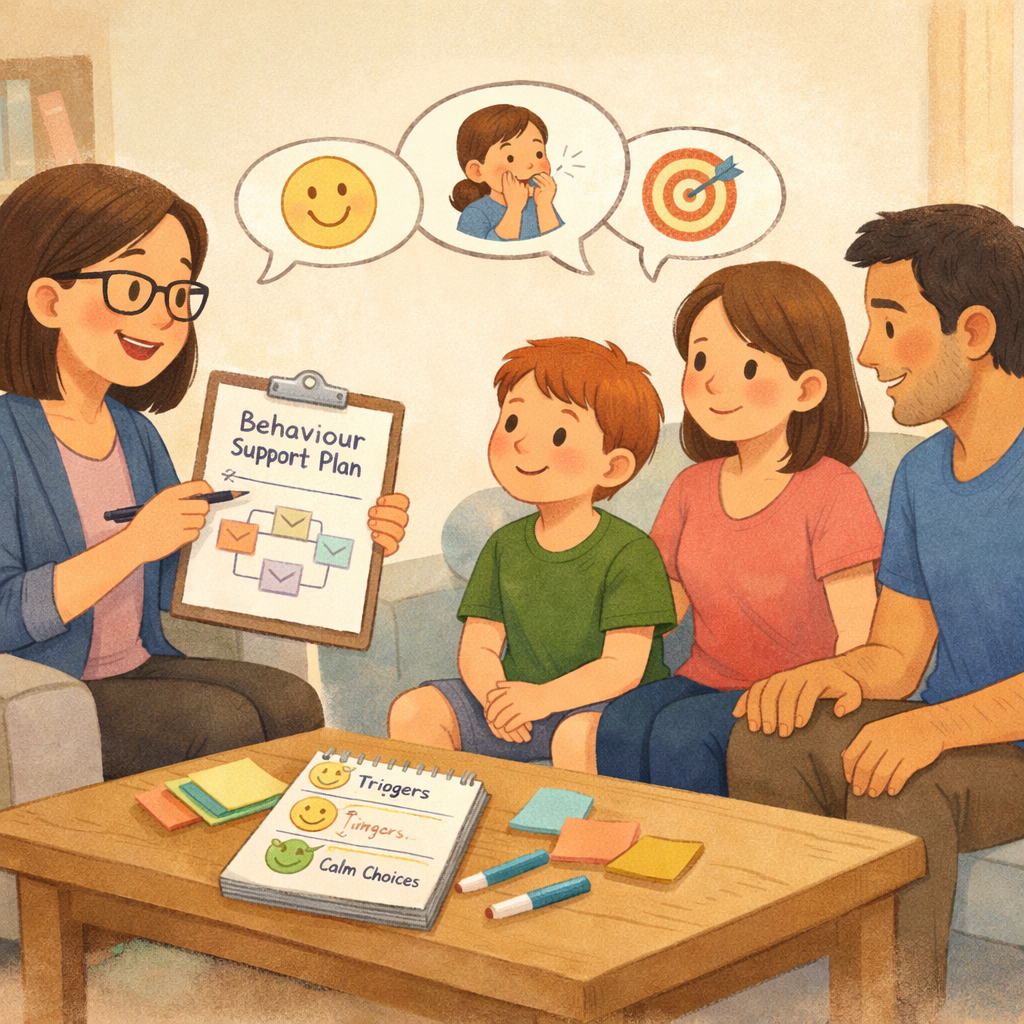
Through collaborative, person-centred frameworks and behavioural science, practitioners develop a Behaviour Support Plan (BSP). This plan might include improvements to the individual's physical environment, introducing new communication approaches, managing stimulus, and teaching alternate, socially acceptable skills. Most importantly, practitioners carry the profound responsibility of protecting a person's human rights—particularly by actively working to reduce and eliminate restrictive practices.
The Role within the NDIS Framework
For a Behaviour Support Practitioner to legally and effectively operate in Australia, they must be deemed suitable by the NDIS Quality and Safeguards Commission.
Within the NDIS framework, practitioners provide targeted interventions for participants who exhibit behaviours of concern. They are the only professionals authorised to comprehensively assess these behaviours, author Behaviour Support Plans, and oversee the complex area of restrictive practices.
To achieve "suitability" status under the NDIS, practitioners must either navigate a self-assessment pathway (backed by a portfolio of evidence and supervisor endorsement) or enter as a "new entry-level" practitioner working under the close supervision of an experienced, proficient-level colleague. They ensure that their practice is continuously aligned with the strict standards set by the NDIS Positive Behaviour Support Capability Framework.
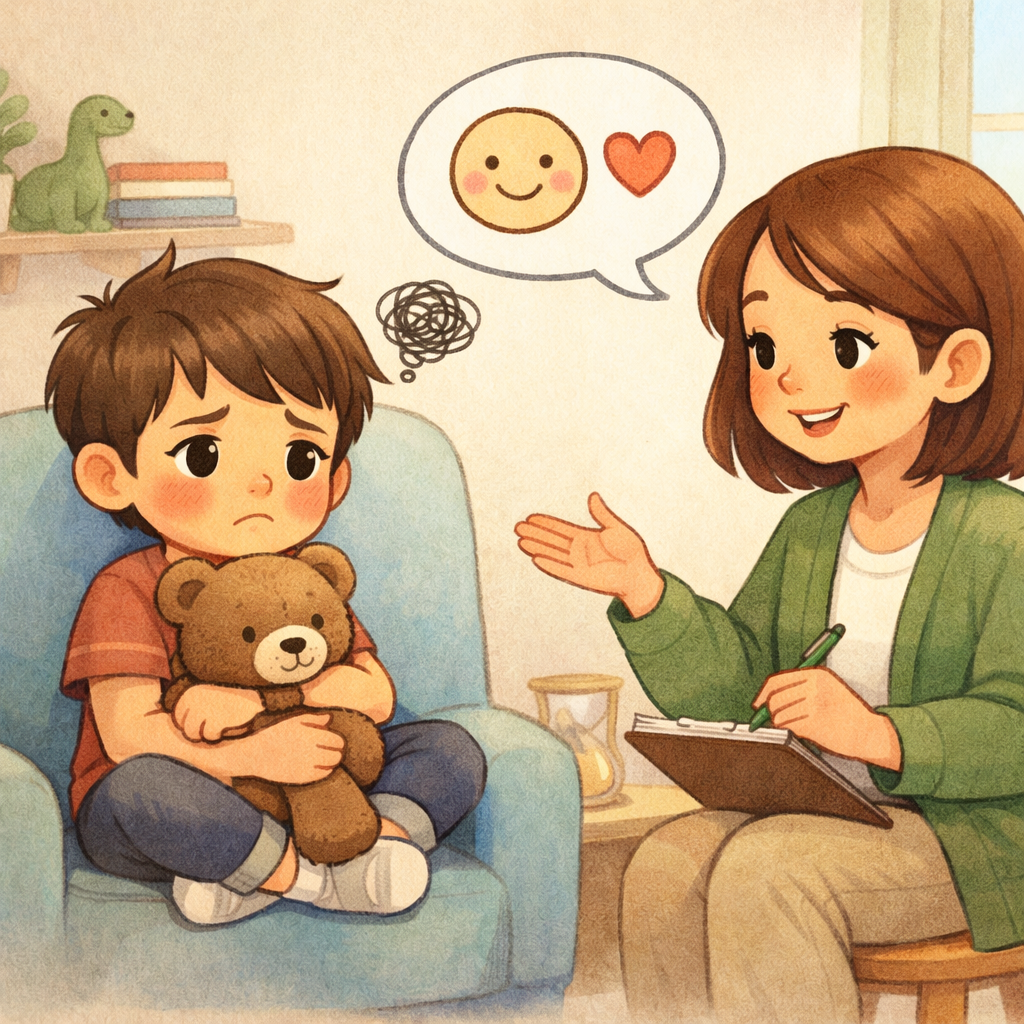
By working closely with participants, families, support workers, and NDIS support coordinators, speech pathologists, along with practitioners, help create an environment where the NDIS participant is empowered to achieve their personal goals while navigating life more safely and harmoniously.
Getting Qualified: The Monash University Pathway
Developing the nuanced skills required to write effective functional behaviour assessments and support plans requires rigorous education. Monash University is one of the leading institutions preparing the next generation of practitioners.
Monash University offers a specialised professional development program titled Engaging in Positive Behaviour Support Practices. This online course is tailored for educators, disability support workers, and allied health professionals who want to transition into or better understand behaviour support.
Key highlights of the Monash program include:
- Functional Assessment Training: The comprehensive modules provide essential knowledge relating to the tiers of support offered through NDIS funding and PBS, functional behaviour assessments, and individualised behaviour support planning.
- Core Registration Prep: Successful completion of the program equips participants with the crucial skills needed to implement PBS strategies with confidence. Consequently, it helps candidates meet partial requirements for registration as a Core Behaviour Support Practitioner under the NDIS Commission.
- Wider Application: Beyond specialised disability services, it also benefits mainstream school networks by teaching educators about school-wide support and advanced tier behavioural management.
Conclusion
A Behaviour Support Practitioner is far more than a clinician; they are a vital advocate for the rights, dignity, and quality of life of individuals with developmental disabilities. By blending the profound human rights objectives mapped out by BSPA, operating within the highly regulated and protective boundaries of the NDIS, and receiving top-tier academic grounding from institutions like Monash University, these professionals enact real, positive change every single day. There are various types of behaviour support practitioners, including psychologists, social workers, special educators, occupational therapists, and other allied health professionals who work on enhancing social skills. Each brings unique skills and perspectives to supporting individuals with developmental disabilities and implementing effective strategies tailored to individual needs.
Whether you are a family member looking for support under the NDIS, an allied health worker looking to upskill, or simply someone interested in the sector, understanding the work of a Behaviour Support Practitioner highlights the very best of capacity-building in modern disability care. Skills important for a behaviour support practitioner include strong communication skills, empathy, critical thinking, collaboration, problem-solving, and a solid understanding of positive behaviour support strategies. These abilities ensure practitioners can effectively support individuals, develop tailored plans, and work within multidisciplinary teams.
Empower Yourself and Others with Positive Behaviour Support
Looking for Support? Every individual deserves a life free from restrictive practices. Discover how a tailored Behaviour Support Plan can help by finding a registered professional through.
Book a consultation or call daar at 02 9133 2500 for expert guidance tailored to your child’s needs.
Frequently Asked Questions (FAQ)
What is a Behaviour Support Plan (BSP)?
A BSP is a comprehensive, individualised document created by a practitioner. It outlines the participant's specific needs, identifies challenging behaviours, and lists strategies (like modifying the environment or teaching new skills) to improve the person's quality of life and decrease reliance on restrictive practices in community settings. The planning process involves collaboratively developing these strategies to ensure their effectiveness.
Can anyone become an NDIS Behaviour Support Practitioner?
No. To become an NDIS Behaviour Support Practitioner, you must hold appropriate professional qualifications (often in allied health, psychology, social work, or education), complete specific training (such as the courses offered by Monash University), and be formally assessed through an assessment process as "suitable" by the NDIS Quality and Safeguards Commission against their Capability Framework.
What is Positive Behaviour Support (PBS)?
Positive Behaviour Support is an evidence-based, person-centred framework that emphasises access to behaviour support services and continuous improvement. Instead of punishing 'bad' behaviour, PBS focuses on understanding why a behaviour occurs and altering the environment or teaching alternative skills to help the individual communicate their needs safely.
Do Behaviour Support Practitioners only work with the NDIS?
While they play a massive role in the NDIS, behaviour support practitioners also apply their expertise in mainstream school settings, justice settings, mental health facilities, community service organisations, and early intervention programs.
.svg)




.svg)