
.png?width=48&height=48&name=Group%201%20(3).png)























20 August, 2026

Behaviour Management Consultation: Insights for Parents
Key Highlights
- Behaviour management consultation helps families understand challenging behaviours and respond with clear, practical strategies.
- It uses positive behaviour support to find triggers, teach new skills, and build safer daily routines.
- A behaviour consultant completes a careful assessment before creating a customized plan for your child.
- Support can improve mental health, family confidence, and your child’s overall quality of life.
- Schools and caregivers can also learn consistent tools that support positive changes across settings.
- The process focuses on lasting progress, not quick fixes.
Introduction
When your child’s behaviour feels hard to manage, it can affect the whole family. Behaviour management gives you a structured way to understand challenging behaviours instead of only reacting to them in the moment. The focus is on learning why a behaviour happens, what your child may be trying to communicate, and how to implement effective strategies to encourage positive behaviour through supportive steps. With the right guidance, you can build better routines, reduce stress, and support your child’s overall wellbeing at home and at school.
Who Can Benefit from Behaviour Management Consultation?
Behaviour management consultations can help many people, especially children and teens whose emotional skills and behaviour affect learning, relationships, or daily life. If you are seeing behaviours of concern such as frequent tantrums, aggression, refusal, or trouble with transitions, this kind of support may help. It can also support mental health by reducing stress and improving communication.
In educational settings, students, families, teachers, and school teams can all benefit from effective behavioural interventions. Schools often seek support when student behaviour disrupts the classroom or affects learning. The goal is to improve quality of life by creating consistent, practical ways to respond across home and school.
Children, Adolescents, and Students with Challenging Behaviours
Behaviour management consultation helps address challenging behaviours in children by identifying underlying causes instead of labeling behaviour as “bad.” It plays a crucial role in supporting young children, adolescents, and students who struggle with routines, transitions, instructions, or social interactions.
This approach benefits both neurodivergent children—such as those with Autism, ADHD, or developmental disabilities—and children without a diagnosis who need help with cooperation, communication, or emotional regulation. It also protects mental and psychological health while reducing family stress.
Consultation teaches safer, more effective ways to communicate and cope with issues like tantrums, rigidity, or refusal, improving behaviour at home and school.
How Families and Schools Gain from Consultation Services
Families often come to consultation feeling stuck. With positive behaviour support, they gain practical strategies to upskill caregivers and use during mealtimes, transitions, play, and other daily routines. This creates more consistency at home and helps family members feel more confident in how they respond.
Schools also benefit when school staff receive clear guidance. A consultant can help teachers and other staff members support student behaviour in ways that are calm, consistent, and easier to maintain. That often leads to better classroom management, fewer disruptions, and improved overall wellbeing for students and adults, ultimately improving student behaviour.
Schools may expect outcomes such as:
- clearer responses to behaviours across classrooms
- stronger teamwork between families and school staff
- better support for learning, mental health, and social participation
The Behaviour Management Consultation Process
A behaviour management consultation usually follows a structured consultation process so you know what to expect. Your first consultation is the first step in this process and often begins with an inquiry, followed by a discussion about your concerns, goals, and your child’s needs. From there, the provider may decide whether the service is the right fit for your family.
Next comes a comprehensive assessment and behaviour analysis. After gathering information, the consultant prepares a detailed proposal and outlines the support plan based on your child’s unique needs. This step-by-step approach keeps the process clear, collaborative, and focused on meaningful change. The next sections explain how assessment and planning work in practice.
Initial Assessment and Goal Setting
The process begins with an initial conversation about your child's behaviour at home or school, discussing patterns, problem areas, and desired changes to create a more positive home environment. This helps the consultant establish a starting point for behaviour management.
Next is a comprehensive assessment, which may involve interviews, direct observation, and evaluation in relevant settings to identify triggers, routines, and skill gaps.
Then, specific goals are set based on your child's individual needs—such as following instructions, handling transitions, improving communication, or building independence. Clear goals help track progress and tailor support effectively.
Developing and Implementing Individualized Support Plans
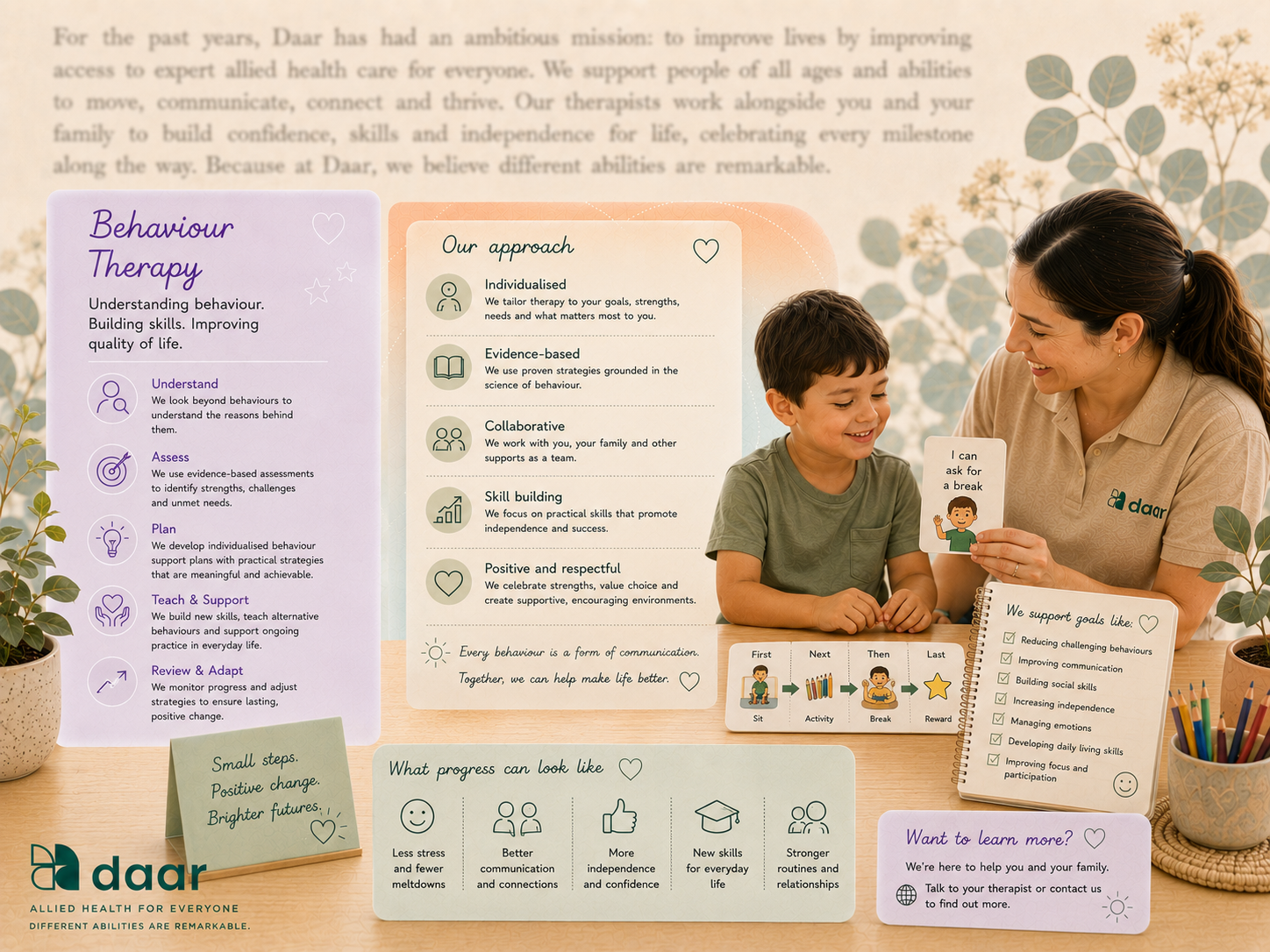
Once the assessment is complete, the behaviour consultant develops a customized plan based on your child’s strengths, triggers, and individual needs. This is where positive behaviour support becomes central to modern behaviour management. The plan does not just react to problems. It teaches new skills and sets up the environment to make success more likely.
You can expect practical strategies that are realistic for daily life, particularly in relation to child development. The plan may show what happens before a behaviour, what the child is trying to achieve, and what replacement skill should be taught instead. It also helps caregivers, teachers, and other adults stay consistent.
|
Trigger |
Behaviour of Concern |
Likely Reason |
New Skill to Teach |
|---|---|---|---|
|
Asked to stop iPad use for dinner |
Crying and refusing |
Wants to keep playing |
Ask for one more minute |
|
Difficult transition |
Tantrum or protest |
Avoiding change |
Use a visual schedule |
|
Hard task demand |
Refusal or upset |
Task feels too difficult |
Ask for help or a break |
Positive Behaviour Support Strategies in Practice
Positive behaviour support is the practical side of behaviour management. It focuses on prevention, teaching, and encouragement through physical activity rather than punishment. The idea is simple: if you understand why a behaviour happens, you can respond in ways that reduce stress and build better habits over time.
In practice, consultants, including speech therapists, often recommend practical strategies such as adjusting routines, teaching communication, and using positive reinforcement for desired actions. These methods help children learn what to do instead of only hearing what not to do. The next sections look at common tools and how this approach differs from older methods.
Examples of Evidence-Based Techniques for Home and Classroom
At home and in school, consultants often use simple supports that fit into everyday routines. These strategies are based on clear teaching, consistency, and positive reinforcement. The aim is to build positive behaviour while reducing stress for the child and the adults around them.
Many behavioural interventions focus on helping children communicate needs, manage change, and succeed with daily living tasks. These practical tools are chosen after assessment, so they match the child’s skills and the situations that trigger difficulty. Small changes can make a big difference when used consistently.
Common examples include:
- praising a child right away for waiting, sharing, or following directions
- using visual schedules to support transitions and daily routines
- teaching a child to ask for help, a break, or more time
- adjusting tasks so practical skills feel manageable and less frustrating
How Positive Behaviour Support Differs from Traditional Approaches
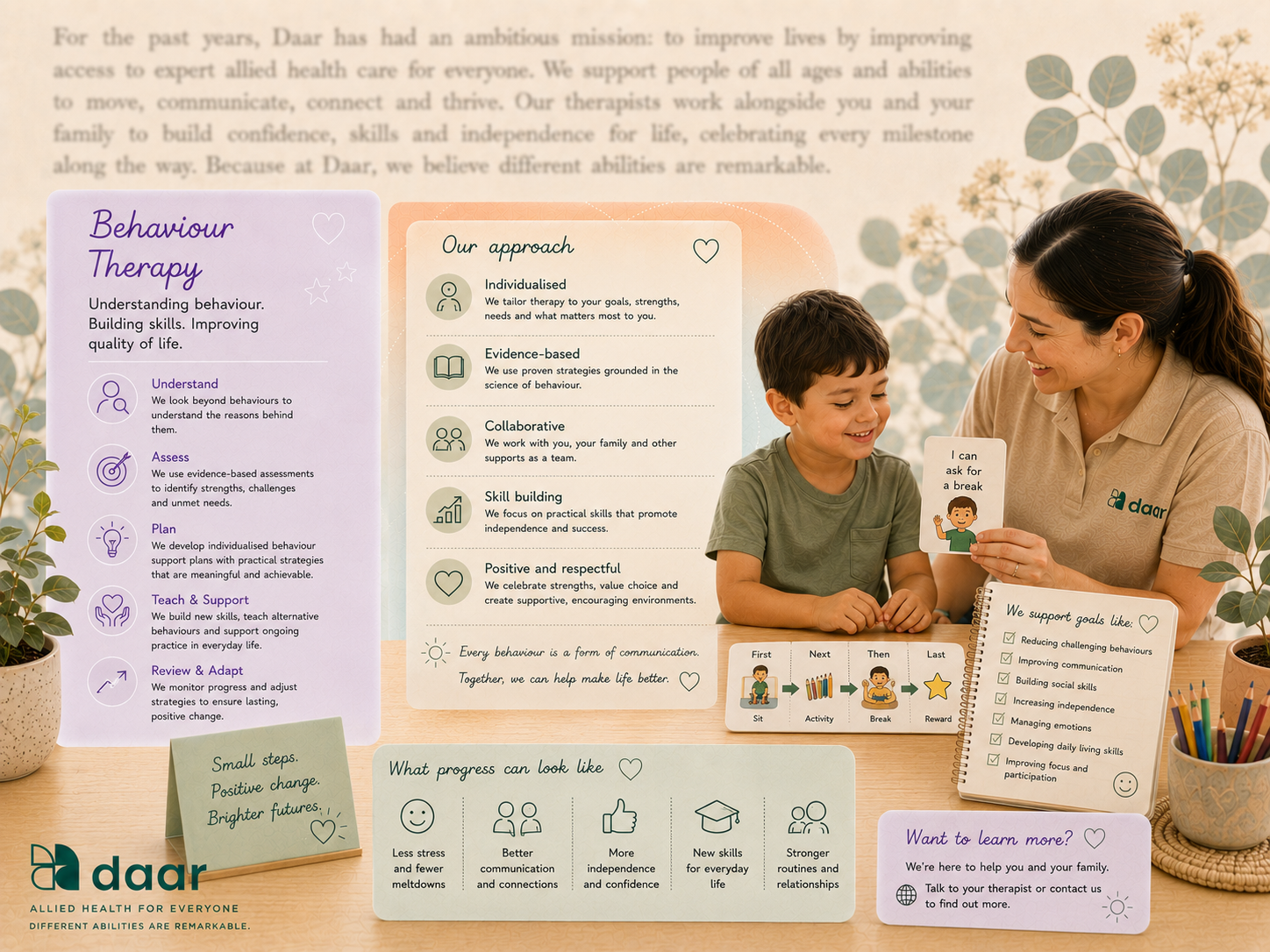
Positive behaviour support, including early intervention support, differs from traditional approaches by first asking why a behaviour occurs before deciding how to respond. While older models focus on quickly stopping behaviours, this approach seeks to understand the underlying need and teach better replacement skills.
This makes behaviour management more respectful and effective long-term. Instead of relying on punishment or control, consultants use strategies like environmental changes, communication training, and reinforcement to make challenging behaviour less necessary for the child while also enhancing their social skills.
Ongoing behaviour management support provides regular help in daily settings, while consultation involves structured assessment, planning, and guidance. Together, they create lasting change at home and school.
Conclusion
In summary, behaviour management consultation and behaviour support services are valuable resources for parents and educators navigating challenging behaviours in children and adolescents. By understanding the consultation process and the positive behaviour support strategies involved, families can create a nurturing environment that fosters growth and development. With tailored support plans and evidence-based techniques, parents can expect meaningful improvements in their child's behaviour both at home and in the classroom.
If you're ready to take the next step in supporting your child, consider reaching out for a consultation or call daar at 02 9133 2500. Support is available, and you don’t have to navigate this journey alone.
Frequently Asked Questions
How does a behaviour management consultant work with students and teachers?
A behaviour management consultant works with students and teachers by observing behaviour, identifying triggers, and recommending practical strategies for classroom management to create sustainable change. They guide school staff in using positive behaviour support, improving consistency, and creating routines that help students participate, learn, and respond more successfully in class.
What outcomes can parents expect from behaviour management consultation?
With behaviour management consultation, parents can expect clearer routines, more positive behaviour, and better understanding of what drives difficult moments for people of all ages. Family members also gain practical tools they can use consistently. Over time, this can lead to positive changes in communication, cooperation, and daily life at home.
How do I access behaviour management consultation services in Australia?
You can access behaviour management consultation services in Australia by contacting providers directly, asking about early intervention and therapy services designed for children from a young age, or exploring NDIS funding pathways. NDIS participants can often use relevant plan funding, while school leaders and teachers may contact providers to discuss classroom consultation and support options.
.svg)




.svg)