
.png?width=48&height=48&name=Group%201%20(3).png)























4 March, 2026

Overcoming Devices Addiction: Tips for Parents and Kids

Key Highlights
Here is a quick look at what we'll cover in this guide:
- Device addiction is a growing concern that can lead to negative consequences for mental health and daily life.
- Excessive screen time, driven by social media and video games, can affect the brain's reward system.
- Recognizing the signs, such as neglecting responsibilities and social withdrawal, is the first step toward change.
- Setting clear boundaries and encouraging offline activities are effective strategies to manage technology use.
- A family media plan helps create a balanced approach to screen time for everyone.
- Professional support can help address the root causes of device addiction and foster healthier habits.
Introduction
In today's world, it's hard to imagine life without smartphones, tablets, and computers. While technology offers many benefits, there is a growing concern about device addiction, especially among children and teens. When screen time starts to interfere with school, family life, and mental health, it becomes a problem. This guide will explore why device addiction happens, its impact on development, and practical tips for parents and kids to manage technology use in a healthier way. Let's find a better balance together.
Why Device Addiction Happens
Have you ever wondered why it's so hard for your child to put down their device? Device addiction happens when technology use becomes compulsive and hard to control. The constant notifications, exciting video games, and endless social media feeds are designed to keep us engaged for a large amount of time.
This constant stimulation can hijack the brain's reward system, making real-life activities seem less interesting. Understanding the psychological, social, and environmental factors behind this behavior is crucial for addressing the issue. Let's explore what contributes to excessive internet use and device dependency.
Psychological and Social Factors
Psychological factors play a significant role in the development of compulsive behaviors related to technology. Devices often trigger the brain’s reward system by releasing dopamine, a chemical associated with pleasure. This creates a cycle where your child seeks more screen time to get the same feeling, similar to other addictions. Teens might use their devices to escape from stress, anxiety, or other psychological problems.
Socially, the fear of missing out (FOMO) is a powerful driver. Young people feel pressure to stay connected and up-to-date on social media. This can lead to them spending too much time online, sometimes at the expense of face-to-face interactions. Over time, this can contribute to social isolation, as online relationships replace real-world connections.
This reliance on screens for social validation and emotional regulation can hinder the development of healthy coping mechanisms. When a device becomes the primary tool for managing feelings, it can be challenging for a child to learn how to navigate their emotions without it.
The Role of Gaming, Social Media, and Internet
Video games, social media platforms, and the internet itself are designed to be highly engaging. Online games often have reward systems, levels, and social components that encourage continuous play. These features can make it difficult for young people to stop, contributing to excessive screen time.
Social media provides instant gratification through likes, comments, and shares. This constant feedback loop can be very appealing, making users return to the apps repeatedly. The endless scrolling feature on many platforms also makes it easy to lose track of time. The combination of these elements can turn regular internet use into a compulsive habit.
Here are some common signs that might indicate a problem:
- Spending an excessive amount of time on screens, neglecting other activities.
- Becoming irritable or anxious when unable to use devices.
- Lying about the amount of time spent online.
- A noticeable decline in school performance or social engagement.
Environmental Triggers in Australia
The environment your child is in can also trigger excessive technology use. In many Australian families, devices are a normal part of daily life. If parents are constantly on their phones, children are more likely to model that behavior. Easy access to devices at home, school, and in social situations creates more opportunities for overuse.
Busy schedules and the convenience of using screens as a "digital babysitter" can also contribute. When parents are occupied, it can be easy to let a child spend too much time on a tablet or phone. This pattern, if repeated, can establish an unhealthy reliance on technology for entertainment and comfort.
Social norms among peers also play a part. If all of a child's friends are gaming online or communicating through social media, they may feel pressured to do the same to fit in. These environmental triggers can make it challenging for families to set and maintain healthy boundaries around screen time.
Impact of Device Addiction on Child Development
Device addiction can have a significant and often negative impact on child development. When a child spends too much time on screens, it can affect their academic performance, social skills, and overall well-being. The time spent online often comes at the expense of important activities like homework, physical activity, and face-to-face interactions.
This overuse can lead to mental health issues, such as anxiety and depression, and interfere with healthy sleep patterns. Understanding these effects is the first step for parents to recognize the problem and take action. Let's look closer at how excessive screen time impacts learning, mental health, and family dynamics.
Effects on Learning and School Performance
Excessive screen time can negatively impact academic performance. When children spend hours on devices, they have less time and energy for homework, studying, and reading, which can lower grades and reduce interest in learning.
Screens also provide constant stimulation, making it harder for kids to concentrate in class. Their brains get used to fast-paced content, so traditional learning feels slow and boring. This affects their ability to focus—an essential skill for success in school.
To address this, cognitive restructuring can help. Encourage your child to challenge thoughts like "I can't do my homework without watching a video." Replacing these with positive beliefs fosters better study habits and improves academic performance.
Mental Health Concerns Linked to Device Overuse
Excessive screen time is linked to mental health issues. Young people who spend hours on social media may develop anxiety and low self-esteem from comparing themselves to unrealistic images, leading to negative body image and feelings of inadequacy.
Device overuse also contributes to depression by reducing real-world interaction and causing social isolation. Instead of relying on screens for comfort, healthier coping strategies should be encouraged.
Blue light from devices disrupts sleep, which is crucial for mental health. Poor sleep can worsen mood swings and emotional regulation. Understanding these risks helps parents support their children's well-being.
Changes in Family Relationships
Device addiction can strain family relationships. Children may choose devices over interacting with family, leading to less communication and a sense of disconnect.
Face-to-face interactions are crucial for building social skills and strong family bonds. Constant screen use, like phones at the dinner table, disrupts conversations and shared experiences that strengthen ties—turning connection time into silent scrolling.
Device use can negatively impact family life by:
- Spending less time together in shared activities
- Causing more arguments over screen time limits
- Reducing the ability to read non-verbal cues and practice empathy
Risks Associated with Different Types of Devices
Not all screen time is the same, and different devices carry unique risks. While phone addiction is a common concern due to its portability, other devices like tablets, laptops, and smart TVs also contribute to excessive screen time. The constant access to social media, games, and streaming services on these devices can lead to different patterns of overuse.
Understanding the specific challenges associated with each type of device can help you create more effective strategies to manage your child's technology use. Let's explore the unique risks of phone addiction and how other common devices play a role in screen dependency.
Phone Addiction: Unique Challenges

Phone addiction, or problematic smartphone usage, presents a unique set of challenges. Unlike other devices, a cell phone is almost always with us, providing constant access to social networking, games, and the internet. This portability makes it harder to create boundaries and easier for compulsive checking behaviors to develop.
The design of smartphones and their apps, with features like notifications and endless scrolling, is intended to capture and hold our attention. This can make smartphone addiction particularly difficult to overcome, as the device itself is designed to be engaging. The instant gratification from likes and messages reinforces the need to stay connected at all times.
The constant connectivity of a cell phone creates unique risks compared to other devices.
|
Feature |
Phone Addiction Challenge |
|---|---|
|
Portability |
Constant access makes it difficult to disengage, even in bed or at the dinner table. |
|
Notifications |
Frequent alerts create a sense of urgency and a compulsion to check the device. |
|
Social Networking |
The pressure to be always available on social media can lead to anxiety and FOMO. |
Tablets, Laptops, and Smart TVs
Phones aren’t the only source of screen addiction—tablets, laptops, and smart TVs also play a role. Tablets often encourage passive activities like streaming or gaming, leading to prolonged use, especially among young children who may develop “iPad addiction.”
Laptops are necessary for school and work but offer similar distractions as other devices. The boundary between productive and recreational use is easily blurred; kids can switch from homework to online videos without much effort.
Smart TVs make binge-watching effortless with endless streaming options, promoting sedentary habits and excessive screen time for the whole family. It’s important to monitor how each device affects your family’s routines.
Guidelines for Healthy Screen Time
So, how much screen time is too much? While there's no magic number, organizations like the American Academy of Pediatrics offer guidelines to help families establish healthy habits. The focus is on ensuring that the amount of screen time doesn't interfere with sleep, physical health, and other essential activities.
Creating a balance is key. It's not about eliminating screens entirely but about using them mindfully. By setting clear boundaries and making technology use a conscious choice, you can help your child develop a healthier relationship with their devices. Let's look at some recommendations and strategies to manage screen time effectively.
Recommendations for Children by Age Group
The American Academy of Pediatrics (AAP) offers age-based screen time guidelines to help parents manage their children's device use:
- For children under 18 months: Avoid screen media except for video chatting.
- Ages 18–24 months: Choose high-quality programming and watch together.
- Ages 2–5 years: Limit screen use to one hour per day of high-quality content.
- Ages 6 and older: Set consistent limits on both the amount and type of media.
The AAP emphasizes interactive experiences for young children and encourages balancing screen time with physical activity, hands-on learning, and social interaction. Quality and context matter as much as the quantity of screen time.
Setting Boundaries at Home
Setting clear, consistent boundaries is key to managing technology use at home. Family rules help children understand screen time expectations and promote a balanced lifestyle. When everyone follows the same guidelines, it reinforces their importance.
Start by creating a family media plan that outlines when, where, and how long devices can be used. For example, set tech-free zones like bedrooms and the dinner table to encourage better sleep and more family interaction.
Tips for setting boundaries:
- Set daily limits on non-school screen time.
- Require homework and chores before screen use.
- Establish a digital curfew an hour before bedtime.
- Spend family time together without devices.
Proven Strategies to Reduce Device Addiction
If you're concerned about your child's device addiction, there are proven strategies you can use to help them reduce the amount of time they spend on screens. It's not just about setting limits; it's about helping your child build healthy habits and find fulfilling alternatives to technology use.
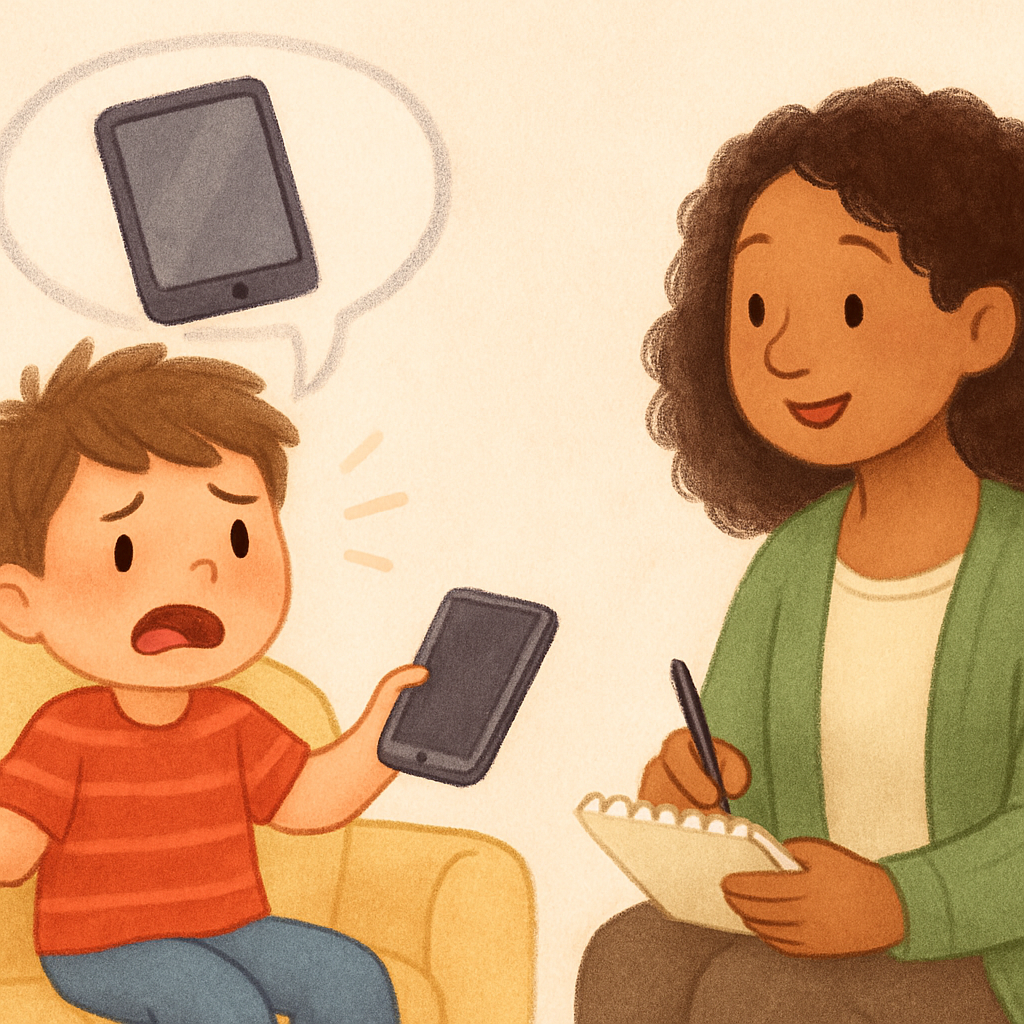
From encouraging offline activities to seeking professional support like cognitive behavioral therapy, you have many options. By taking a proactive and supportive approach, you can guide your child toward a healthier relationship with technology. Let's explore some effective strategies you can implement.
Encouraging Offline Activities and Social Interaction
One effective way to reduce screen time is by replacing it with engaging offline activities. When children participate in hobbies, sports, or social events, they are less likely to use devices out of boredom. Physical activity also boosts both physical and mental health.
Help your child explore new interests that don’t involve screens, such as learning an instrument, painting, cooking, or joining a sports team. These activities build confidence and offer a sense of accomplishment outside the digital world.
Ideas to encourage offline time:
- Plan regular family outings like hiking or park visits.
- Encourage your child to join clubs or teams.
- Schedule playdates for face-to-face interaction.
- Volunteer together to strengthen community connections.
Creating a Family Media Plan
A family media plan helps manage technology use by setting clear, written expectations for screen time. This reduces conflicts and supports healthier family relationships. Creating the plan together also encourages open communication.
When making your plan, consider your family's values and priorities. Aim to prevent screen time from interfering with sleep, schoolwork, physical activity, and family time. Be specific with your rules and ensure everyone understands them.
Sample family media plan:
|
Category |
Guideline |
|---|---|
|
Time Limits |
Max 2 hours of recreational screen time on school days |
|
Tech-Free Zones |
No devices in bedrooms or at the dinner table |
|
Content |
Only age-appropriate apps, games, and websites |
|
Digital Curfew |
Devices off 1 hour before bedtime |
Involving Kids in Setting Realistic Screen Time Limits

Involving kids in setting screen time limits helps them understand and follow the rules. This approach encourages responsibility and turns conflict into collaboration.
Talk openly about why limits matter, including how too much screen time can affect health, schoolwork, and relationships. Ask for their input on fair limits for social media and games.
Ways to involve your kids:
- Have them track their screen time for a week.
- Let them help create the family media plan and choose consequences for breaking rules.
- Discuss how to balance online and offline activities.
Conclusion
In conclusion, overcoming device addiction requires a collaborative effort between parents and children. By understanding the psychological and social factors contributing to this addiction, families can set realistic boundaries and encourage healthier habits. Implementing guidelines for screen time and promoting offline activities not only enhances child development but also strengthens family relationships. Remember, it's about finding balance and fostering an environment where technology is used mindfully. If you’re ready to take the first steps towards a healthier screen time routine for your family, consider seeking professional guidance or support. Your family's well-being is worth it!
Reach out for a consultation or call daar at 02 9133 2500 for expert guidance tailored to your child’s needs.
Frequently Asked Questions
Can device addiction be treated successfully in children?
Yes, device addiction can be treated successfully. A systematic review of studies shows that approaches like cognitive behavioral therapy, family therapy, and joining support groups are effective. The key is to address the underlying reasons for the overuse and build healthier coping skills with professional guidance.
What are the first steps for families who need help?
The first step for families is to acknowledge the problem and open up communication. Schedule a family meeting to discuss concerns about technology use. If self-guided changes aren't working, seeking expert guidance from a therapist or counselor specializing in mental health and addiction can provide structured support.
Does reducing screen time improve behavior and mood?
Yes, reducing screen time often leads to improvements in behavior and mood. Less screen time is linked to better sleep, reduced mood swings, and fewer depressive symptoms. By replacing screen time with physical activity and social interaction, you can positively impact your child's overall mental health and well-being.
.svg)




.svg)