
.png?width=48&height=48&name=Group%201%20(3).png)
























8 April, 2026

Understanding Early Intervention Behaviour Therapy for Kids

Key Highlights
- Early intervention behaviour therapy is a specialized support for young children with developmental delays or behavioural challenges.
- This therapy uses evidence-based strategies to build crucial skills like communication and social interaction.
- It is particularly effective for children with autism spectrum disorder, helping them develop new skills.
- The primary goal is to improve daily living skills and reduce behaviours that hinder learning and well-being.
- Starting therapy early capitalizes on a critical period of brain development for better long-term outcomes.
- It empowers families by giving them tools to support their child's growth at home.
Introduction
As a parent, watching your young child grow is a journey of wonder. However, sometimes you might have questions about your child’s development. If you've noticed delays or challenges, you may have heard about early intervention behaviour therapy. This specialized support is designed for young children, typically from birth to age six, during the most crucial years of life. It uses evidence-based strategies during early childhood to teach new skills and reduce behaviours that get in the way of learning. Delivered by a team of dedicated professionals, this therapy helps your child build a strong foundation for a happy, healthy life.
Types of Early Intervention Behaviour Therapy Approaches
Early intervention behaviour therapy isn't a single method but an umbrella term for several effective approaches. Many programs are rooted in Applied Behaviour Analysis (ABA therapy), a science that focuses on understanding behaviour and teaching beneficial skills. This approach is highly individualized to meet your child's specific needs.
Other therapies like speech therapy and occupational therapy are often integrated into a comprehensive plan. Speech pathologists can help with communication, while occupational therapists assist with self-care skills and daily routines. This collaborative approach ensures all aspects of your child’s development are supported. Let's look closer at the specific methods used and how this therapy stands out.
Evidence-Based Methods Used by Specialists
Early intervention specialists, including certified behaviour analysts, use proven techniques to help your child thrive. These engaging methods leverage early childhood brain development, with positive reinforcement as a cornerstone—rewarding desired behaviours to motivate learning.
The focus is on teaching practical skills for daily life. Instead of just addressing tantrums, therapists teach children to communicate their needs effectively. Common approaches include: Play-based learning for natural social and communication skill development. In addition, there are government programs and funding available to support early intervention behaviour therapy. Families may be eligible for assistance through programs such as Early Intervention Services, Medicaid, or state-specific funding that help cover the cost of evidence-based therapy methods used by specialists.
- Play-based learning for natural social and communication skill development.
- The Early Start Denver Model (ESDM), which combines ABA principles with play.
- Functional Communication Training (FCT) to replace challenging behaviours with words, signs, or pictures.
These strategies fall under applied behaviour analysis, aiming to build essential skills and reduce behaviours that hinder learning and social interaction.
|
Technique |
Description |
|---|---|
|
Natural Environment Teaching (NET) |
Teaching skills in real-life settings like home or the park. |
|
Functional Communication Training (FCT) |
Helping children communicate needs to reduce frustration. |
|
Positive Reinforcement |
Rewarding positive behaviours to increase their frequency. |
Distinguishing Early Intervention from Other Child Therapies
Unlike therapies that target specific skills, early childhood intervention takes a holistic, preventative approach. It addresses multiple developmental areas based on the child’s age and needs, focusing on building foundational skills rather than just fixing problems.
Key distinctions are: Age-Focus: Targets children from birth to six, when the brain is most adaptable. Comprehensive Goals: Integrates positive behaviour support across all developmental areas. Family-Centered: Emphasizes parent training and involvement. When choosing the right early intervention behaviour therapy provider for your child, look for professionals who prioritize family-centered care, offer robust parent training programs, and have experience working with young children. Additionally, ensure the provider’s methods focus on positive behaviour support across developmental areas and encourage active family participation.
- Age-Focus: Targets children from birth to six, when the brain is most adaptable.
- Comprehensive Goals: Integrates positive behaviour support across all developmental areas.
- Family-Centered: Emphasizes parent training and involvement.
Early intervention teams collaborate to create unified plans, ensuring consistent strategies across environments and therapies for your child's overall growth and well-being.
Benefits of Starting Behaviour Therapy Early
Starting therapy as soon as a concern arises is one of the most powerful decisions you can make for your child’s future. The first few years of age are a critical window of opportunity for brain development. During this time, the brain is incredibly plastic, meaning it can form new connections rapidly. Early intervention capitalizes on this period to help build strong pathways for learning and positive behaviour.
By providing early support, you can address challenges before they become more ingrained, making it easier for your child to catch up to their peers. This proactive approach supports your child's growth and can significantly improve their long-term outcomes. The positive effects are not just for the child but for the entire family, creating a more supportive and understanding home environment. You will see how these benefits manifest in both the short and long term.
Positive Outcomes for Children and Families
Early intervention offers benefits beyond managing challenging behaviours. It helps children develop communication, reducing frustration and tantrums, and improves daily living skills like dressing, eating, and playing independently. Most importantly, it fosters social skills, enabling children to build meaningful relationships.
These gains improve family quality of life. As children grow more confident and independent, their need for support often decreases. Key outcomes include:
- Improved School Readiness: Children gain foundational social skills for classroom success.
- Stronger Family Bonds: Parent training provides effective strategies for more positive interactions.
- Greater Independence: Children master essential self-care and daily living skills.
Ultimately, early intervention equips children to engage more fully with the world, creating a more rewarding life for the whole family.
Long-Term Impacts on Learning and Social Skills
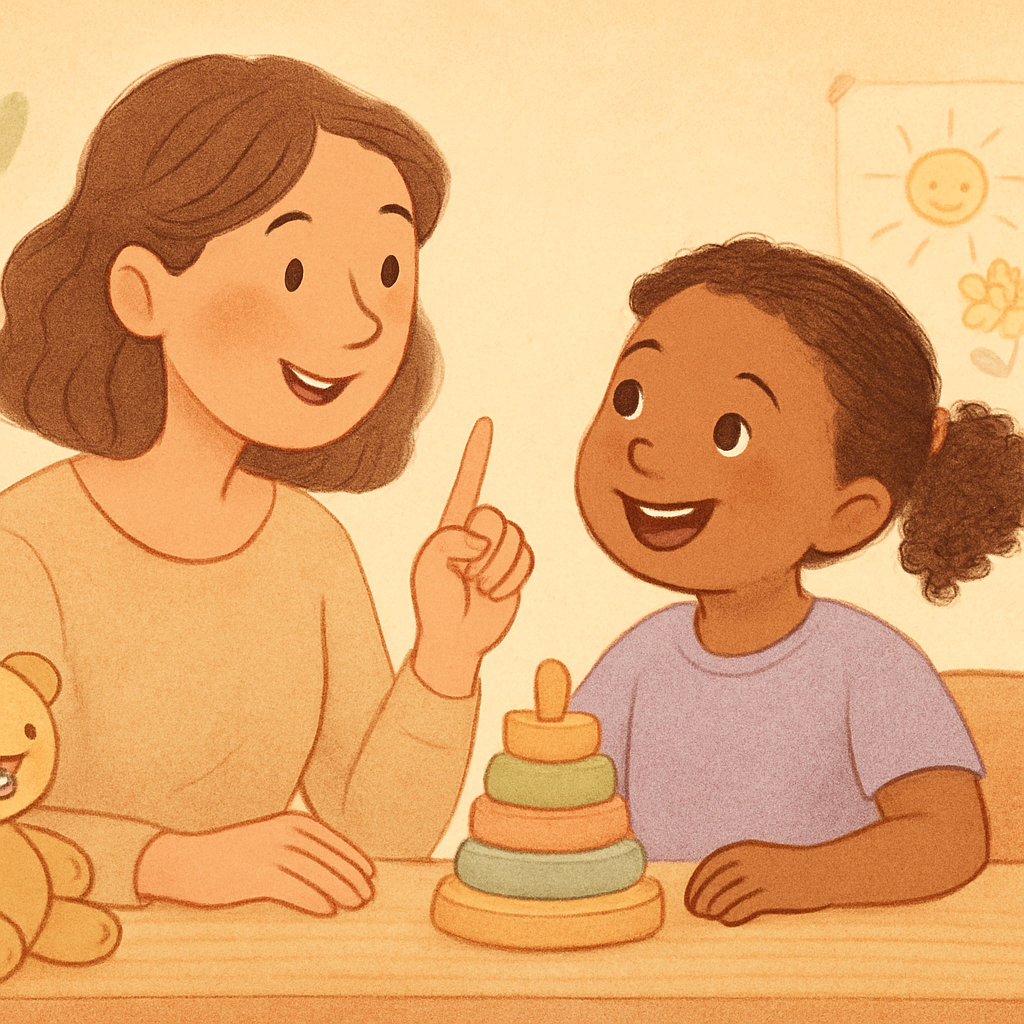
Early intervention behaviour therapy lays the foundation for lifelong success. By strengthening social skills early, children are better prepared for academic and social challenges. Strategies from behaviour analysis become part of daily routines, boosting confidence and resilience.
Early support leads to improved language, problem-solving, and emotional regulation. Children build on their strengths and develop coping skills. If your child struggles with communication, misses milestones, or has frequent, intense meltdowns, an assessment may be helpful. Long-term benefits include:
- Better Academic Performance: Stronger social skills support learning.
- Stronger Social Connections: Improved ability to form friendships.
- Greater Independence: Early skills promote independent living in adulthood.
Addressing challenges early gives your child the best chance for a happy, independent life.
Conclusion
In conclusion, understanding early intervention behaviour therapy is vital for helping children reach their full potential. With various evidence-based approaches and the numerous benefits it offers, starting therapy at an early age can lead to significant positive outcomes not only for children but also for their families. By addressing behavioural challenges early on, we pave the way for improved learning, social skills, and overall well-being. If you’re considering this path for your child, don’t hesitate to reach out for support. Remember, seeking help is a sign of strength, and early intervention can make a world of difference.
Reach out for a consultation or call daar at 02 9133 2500 for expert guidance tailored to your child’s needs.
Frequently Asked Questions
Can early intervention behaviour therapy help my child with autism?
Yes, absolutely. Comprehensive early intervention programs are highly effective for children with autism spectrum disorder. This support, started in early childhood, is evidence-based and focuses on building communication and social skills, which are crucial for forming meaningful relationships and navigating daily life.
How do I know if my child needs early intervention behaviour therapy?
If you notice your child has a developmental delay, struggles significantly with daily activities, or shows persistent behavioural challenges that affect their growth, it’s a good idea to seek an assessment. Behaviour support services can help if your child’s support needs seem greater than those of their peers.
What should parents expect during a therapy session?
Therapy sessions are typically play-based and tailored to your child’s needs. A behaviour analyst will work on goals from the treatment plans, such as communication or daily living skills. Parent training is a key component, so expect to be actively involved in learning strategies to support your child at home.
.svg)




.svg)