
.png?width=48&height=48&name=Group%201%20(3).png)























15 September, 2026

Telehealth Speech Therapy Canterbury for Kids and Adults
Key Highlights
- Telehealth services make speech pathology easier to access across Canterbury and nearby remote areas.
- Kids and adults can build communication skills through secure online therapy sessions at home.
- Families save travel time and fit support around school, work, and other daily routines.
- Online care supports language development, social communication, and early intervention goals.
- A speech pathologist can guide parents and caregivers as part of a collaborative approach.
- Telehealth helps maintain steady support whena clinic visits are harder to attend.
Introduction
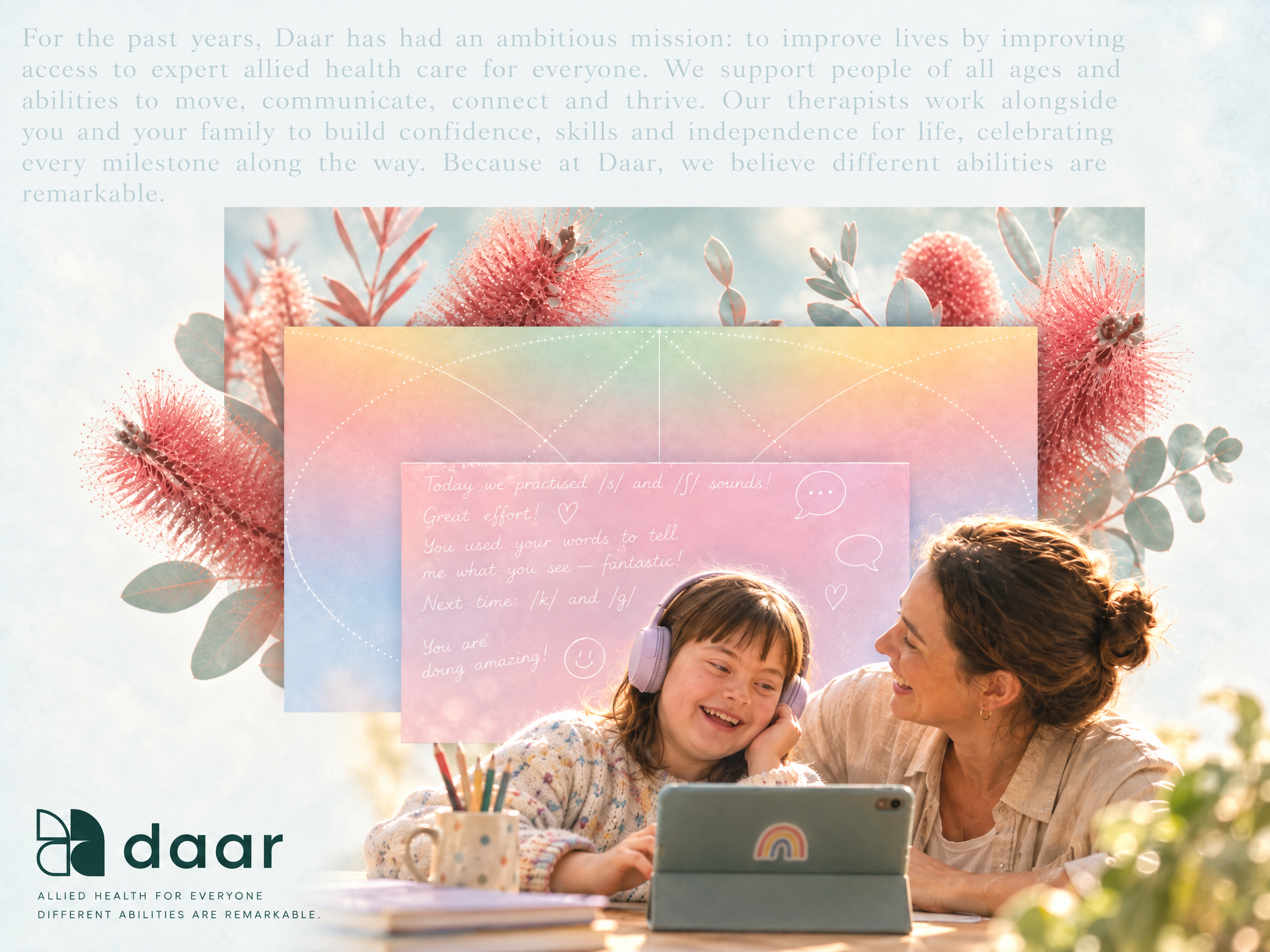
Telehealth speech therapy gives Canterbury families and adults a practical way to access expert support without leaving home. Through secure video-based telehealth services, a qualified clinician can assess needs, guide activities, and adjust speech therapy services to match daily life. For children, sessions often include parent involvement, play-based tasks, and simple strategies that support communication skills at home, school, or childcare centres. This flexible format helps people stay connected to care while making therapy feel more manageable and consistent.
Benefits of Telehealth Speech Therapy for Kids and Adults
Telehealth services remove common barriers that can delay support. If you live in Canterbury, nearby suburbs, or regional New South Wales, remote speech therapy can bring speech pathology services directly to you. That means less time commuting and easier access to help for communication difficulties.
It also supports steady progress for both children and adults. Consistent therapy can improve language development, social communication, and everyday participation, which can lift confidence and quality of life. The next sections look at access and flexibility in more detail.
Accessibility and Convenience for Canterbury Residents
For many Canterbury residents, the biggest advantage is simple access. Telehealth sessions let you meet with speech therapists from the comfort of home, which can be especially helpful for children who do better in familiar surroundings and for adults who want a less stressful setup.
You also avoid long drives, parking issues, and waiting room time. This matters for families in remote areas, across regional New South Wales, or in busy suburbs where travel time can quickly build up.
To get started, you usually need:
- A secure device such as a laptop, tablet, or phone
- A stable internet connection for smooth telehealth sessions
- A quiet space with good lighting
- Basic support from a parent, caregiver, or adult client when needed
Improved Flexibility for Families and Working Adults
Life in Canterbury can get busy quickly, with school drop-offs, work, and appointments vying for your time. Telehealth makes therapy easier to fit into hectic schedules by eliminating travel and clinic visits.
This flexibility helps children stay on track and gives adults a practical way to receive care. It also supports those with mobility challenges or who find travel exhausting. Instead of missing sessions, you can build new skills in a more convenient setting.
Online care also protects continuity. If routines change or someone can’t attend in person, therapy can often continue with fewer disruptions and clearer progress toward goals.
Who Can Benefit from Telehealth Speech Therapy?
Telehealth can support children, teens, and adults who need help with speech, language, or social communication. It is useful for people working on clear communication goals, from early intervention for young children to support for older clients who need practical language therapy in daily life.
In Canterbury, providers offering speech pathology with telehealth include teams that already deliver online services across the region and wider New South Wales. A collaborative approach with families, carers, teachers, and support teams helps make online care more effective. Next, it helps to look at the concerns commonly treated online.
Common Speech and Language Concerns Treated Online
Online therapy delivery can address many of the same areas supported in clinic visits. Speech therapists can work on speech clarity, fluency, expressive language, receptive language, and social communication through structured activities and coaching that fit the home setting.
This makes telehealth a practical option for children and adults with different communication needs. It can also support those with language disorders or specific language impairment when goals are clearly planned and reviewed over time.
Common concerns treated online include:
- Speech sound disorders and pronunciation difficulties
- Stuttering and fluency concerns
- Receptive language and understanding spoken information
- Expressive language, social communication, and interaction skills
Because sessions happen in a familiar environment, many families find it easier to carry strategies into everyday routines.
Suitability for Children, Teens, and Adults in Canterbury
Telehealth is not only for one age group. It can be shaped around a child’s unique needs, whether the focus is early language growth, school participation, or social communication. For many families, child’s therapy online feels more natural because it happens in the spaces where the child already learns and plays.
It can also suit teens who need support with fluency, language skills, or social interaction. Young people often respond well to screen-based sessions when goals are clear and activities stay practical and engaging.
Adults in Canterbury may benefit too, especially if travel is difficult or schedules are tight. Online support can be useful for communication goals linked to everyday life, and it may also help people in settings such as aged care facilities where regular clinic attendance is less convenient.
Comparing Telehealth and In-Person Speech Therapy
Telehealth and face sessions both aim to improve communication through structured, evidence-based speech pathology. The main difference is therapy delivery. One happens online through secure video, while the other takes place in a clinic, home, school, or another in-person setting.
The best option depends on your therapy goals, schedule, and support needs. Many experienced speech pathologists offer both models. For some families, online care works well on its own. For others, a mix of telehealth and clinic support is the better fit. That comparison becomes clearer when looking at outcomes and transitions.
Effectiveness and Research Evidence
Current research evidence in the compiled information shows that telehealth sessions can be as effective as face-to-face care for many speech and language goals. Families and clinicians have reported strong satisfaction, good engagement, and comparable progress when online therapy is planned well and matched to the client’s needs.
This matters because quality care is not only about location. It is also about skilled support, clear goals, and continuity of care. In Canterbury, online care can also sit alongside broader services, including NDIS support and functional capacity assessments through a registered provider.
|
Area |
Telehealth sessions |
|---|---|
|
Access |
Easier for families in Canterbury, regional NSW, and remote areas |
|
Convenience |
Reduces travel time and supports home-based participation |
|
Outcomes |
Research evidence in the source material shows comparable progress in many cases |
|
Ongoing support |
Helps maintain continuity of care when attendance is harder in person |
Making the Transition Between Online and Clinic Appointments
Yes, many clients can move between formats when needs change. A speech pathologist may recommend telehealth for some therapy sessions and clinic appointments for others, depending on goals, age, attention, and the kind of support needed at that stage.
This can be especially useful during school changes, family schedule shifts, or times when travel becomes harder. It helps keep progress moving without starting over. For families already working with a registered provider, switching formats may feel straightforward because the same team can often continue the plan.
A collaborative approach makes the transition smoother. When parents, carers, teachers, and clinicians share feedback, therapy stays focused and practical. The result is a service model that adapts to real life while still supporting clear communication outcomes.
Conclusion
In conclusion, telehealth speech therapy offers an effective and convenient solution for both children and adults in Canterbury. By enhancing accessibility, flexibility, and comfort, it removes many barriers associated with traditional in-person sessions. Whether you're dealing with common speech and language concerns or seeking ongoing support, telehealth can adapt to your needs while maintaining a high standard of care. Embracing these modern therapy options not only empowers individuals to thrive in their communication skills but also promotes overall well-being.
If you're ready to explore how telehealth speech therapy can benefit you or your loved ones, don’t hesitate to reach out for a consultation or call daar at 02 9133 2500!
Frequently Asked Questions (FAQ)
What is telehealth speech therapy? It involves remote therapy sessions conducted by certified practicing speech pathologists, allowing individuals to address communication difficulties from the comfort of their own home. Who can benefit from these services? Both children and adults experiencing language development issues, social communication challenges, or specific language impairments gain valuable skills through telehealth services. Questions about insurance coverage, session frequency, or setting communication goals can also be discussed with your speech therapist to ensure a tailored approach that fits your unique needs.
Are telehealth speech therapy services as effective as face-to-face sessions?
Yes, telehealth sessions can provide quality care that is comparable to face-to-face support for many clients. In speech pathology, results depend on clear goals, good planning, and regular attendance. Online care also helps continuity of care, which supports steady growth in communication skills over time.
Can I switch between in-person and telehealth speech therapy in Canterbury?
Yes, many people can move between clinic appointments and remote speech therapy when needed. This flexibility helps speech therapy services stay aligned with your therapy goals, schedule, and comfort level. A blended model can also support quality care when family routines, school demands, or transport needs change.
How do costs of telehealth speech therapy compare to traditional services?
Telehealth services may help lower indirect costs because you save travel time and attend from the comfort of your own home. The compiled information highlights convenience rather than a separate online fee structure. Coverage for speech pathology services can vary, so it is worth checking private health insurance or funding details directly.
.svg)




.svg)