
.png?width=48&height=48&name=Group%201%20(3).png)























18 August, 2026

Managing Behaviours of Concern with NDIS Support: A Guide
Key Highlights
- Behaviours of concern are often a form of communication linked to unmet needs, stress, pain, or sensory overload.
- Behaviour support works best when it looks at triggers, routines, and environmental factors, not just the behaviour itself.
- Positive behaviour support focuses on prevention, skill building, and safer responses in everyday life.
- A behaviour support plan gives your support team practical strategies to respond consistently.
- Specialist behaviour support may be needed when risks are higher or needs are more complex.
- With the right support, many people experience positive outcomes over time.
Introduction
Behaviours of concern can affect safety, participation, and everyday routines, but they do not define you. Under the NDIS, behaviour support looks beyond the action itself to understand what may be driving it, such as communication difficulties, emotional distress, or changes in the environment. That is why a good behaviour support plan focuses on understanding, prevention, and practical help. When support is person-centered and consistent, it can improve confidence, wellbeing, and daily life.
The Impact of Behaviours of Concern on Daily Life
Behaviours of concern can make daily life harder at home, in the community, and during everyday activities. They may affect safety, relationships, routines, and your ability to take part in things that matter to you. In many cases, they are linked to unmet needs, communication difficulties, sensory overload, or sudden change.
At the same time, these experiences can affect mental health and overall quality of life. When the reasons behind behaviour are not understood, distress can grow. Looking at the full picture helps build better support and more stable daily routines.
Effects on Individuals and Families
Under the NDIS, a behaviour of concern is any action that risks harm, lowers quality of life, or makes daily participation harder. This includes physical or verbal aggression, self-injury, property damage, unsafe repetitive actions, or withdrawing from activities.
These behaviours can cause emotional distress, disrupt routines, and limit community involvement for the individual. Misunderstood behaviours may further reduce quality of life and confidence.
Families are also affected—they may worry about safety, face uncertainty, or feel isolated. Strong support networks help everyone respond more calmly and consistently.
Challenges Faced by Support Networks
Support networks are often responsible for managing a broad spectrum of challenging behaviours, such as physical aggression, verbal outbursts, self-harm, property destruction, repetitive risky actions, and intense distress triggered by specific environments; these circumstances can shift rapidly, causing uncertainty among support teams regarding the most appropriate response in a given moment.
Identifying behavioural patterns can also be difficult for support workers and family members without explicit guidance, as factors like communication challenges, sensory sensitivities, pain, shifts in routine, and various environmental conditions all play a role in influencing behaviour; if triggers are overlooked, support tends to become reactive rather than proactive.
This highlights the crucial role of behaviour support—it enables support networks to comprehend the situation before, during, and after an incident; a unified strategy allows the entire team to deliver more consistent and effective support both at home and in community environments.
The Importance of Early Intervention
Early intervention can significantly improve support. Instead of waiting for concerning behaviours to escalate, the NDIS recommends taking action at the first signs. This helps your team address unmet needs and prevent distress from increasing.
A support coordinator or provider can connect you with suitable services and tailor a support plan to your needs. Effective early help often includes:
- identifying triggers and patterns
- building communication or coping skills
- establishing predictable routines
Starting support early leads to better outcomes, such as increased participation, confidence, and fewer daily barriers. It also simplifies choosing the right NDIS supports for continued progress.
NDIS Supports for Managing Behaviours of Concern
NDIS support for behaviours of concern is built around understanding the reason behind the behaviour and improving daily life over time. This can include assessments, behaviour support services, practical strategies, and ongoing guidance from trained professionals who work with you and your wider support team.
In many cases, NDIS behaviour support includes a behaviour support plan that outlines what works best across different settings. When services are matched to your needs, they help reduce triggers, strengthen routines, and support safer, more consistent responses. Here is how access and roles usually work.
Accessing NDIS Behaviour Support Services
If behaviour support is considered reasonable and necessary, funding may be included in your NDIS plan. This can cover assessments, specialist support, behaviour support services, and plan development. If you are not sure what is in your funding, a support coordinator can help you review the plan and connect with suitable providers.
Access usually begins when behaviours of concern are affecting safety, wellbeing, or participation in everyday life. From there, your support networks, providers, and practitioners can work together to decide what kind of help is needed.
|
Step |
What it involves |
|---|---|
|
Review your NDIS plan |
Check whether behaviour support or related funding is included |
|
Speak with a support coordinator |
Get help understanding available supports and provider options |
|
Connect with providers |
Arrange ndis behaviour support or specialist behaviour support if needed |
|
Involve support networks |
Share information from family, carers, and support workers |
|
Start assessment and planning |
Use gathered information to guide the next stage of support |
Role of Support Workers and Allied Health Professionals
Support workers play a key role in daily support, often spotting early signs of stress or changes in mood and behaviour. Their observations help create effective support and consistent routines.
Behaviour support practitioners lead assessment and planning by getting to know you, understanding your goals, talking with family or carers, observing routines, and identifying factors that affect behaviours. This process leads to practical strategies for everyday life.
Allied health and other professionals may get involved when communication, sensory needs, pain, or emotional wellbeing are relevant. When support workers, practitioners, and clinicians share information effectively, behaviour support plans are better coordinated and more useful.
Specialist Behaviour Support and Complex Needs
Certain circumstances require more than typical everyday support; when behaviours of concern significantly impact safety, wellbeing, or participation, specialist behaviour support should be considered, particularly in cases involving complex needs, repeated incidents, or increased risks.
A registered practitioner carries out a behaviour support assessment to determine what causes the behaviour, which may involve exploring communication challenges, sensory overload, health issues, changes in routine, and emotional distress; the goal is not just to eliminate the behaviour, but to thoroughly understand it.
Following this, positive behaviour support is implemented to foster safer and more constructive options, such as skill building, adjustments to the environment, and guidance for everyone involved; specialist expertise ensures that support remains person-centered, practical, and focused on sustainable improvement, especially for individuals with complex needs.
Positive Behaviour Support Strategies with NDIS
Positive behaviour support is the approach recommended by the NDIS for managing behaviours of concern. It focuses on why a behaviour happens, what triggers it, and what changes can improve daily life. This makes support more respectful, more practical, and more effective over time.
A strong behaviour support plan uses proactive strategies rather than relying on crisis responses alone. Behaviour support practitioners work with you, your family, and your team to build supports that reduce distress, teach useful skills, and create more stable routines. The key elements below explain how this works.
Core Elements of Positive Behaviour Support
Understanding is central to a positive behaviour support plan. Practitioners use functional behaviour assessments to examine what happens before, during, and after a behaviour, helping identify triggers, unmet needs, and stressors.
The aim isn’t just to reduce incidents—it’s to improve quality of life, foster independence, and encourage meaningful participation. Effective support plans are personalised around your strengths, preferences, and routines.
Common NDIS-aligned strategies include:
- Reducing triggers through environmental changes
- Teaching communication, coping, and regulation skills
- Using consistent responses at home and in the community
Consistent use of these supports builds a strong foundation for positive change and ensures everyone knows what to do and why it matters.
Evidence-Based Approaches for Positive Change
An evidence-based approach to behaviour support means decisions are guided by assessment, observation, and real patterns in everyday life. This helps avoid guesswork. Instead of reacting only when things go wrong, the team can use practical strategies that match the person’s actual needs.
One major benefit of a positive plan is positive change that lasts longer. As triggers are reduced and new skills are built, people often experience better participation, more confidence, and improved overall quality of life. Families and support workers also gain clearer direction, which makes support more consistent.
This behaviour support framework also aims to reduce and, where possible, eliminate regulated restrictive practices. Restrictive responses are not the goal. They are treated as a last resort, with the focus staying on safer alternatives, prevention, and support that respects the person’s human rights.
Building Skills and Encouraging Independence
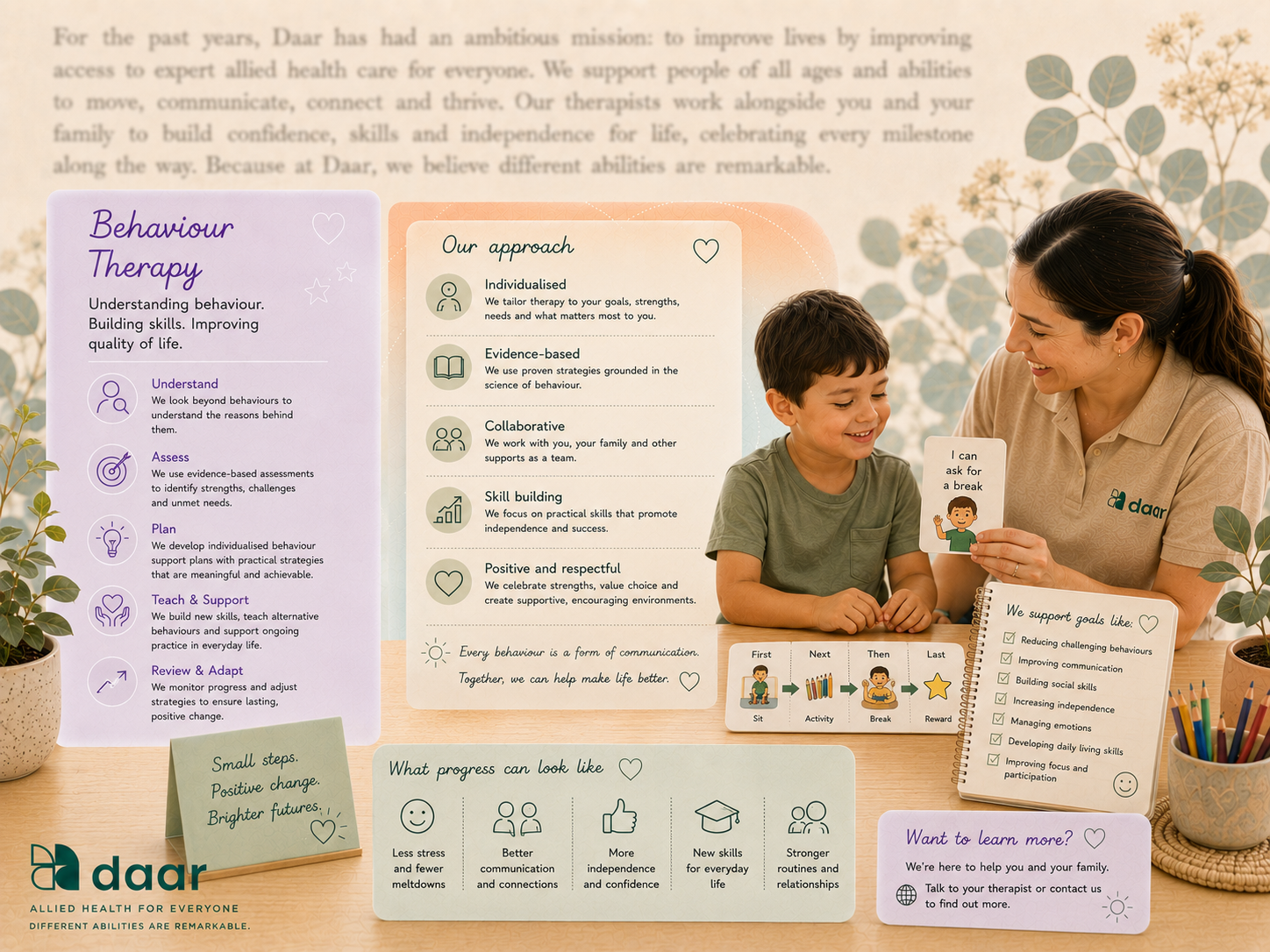
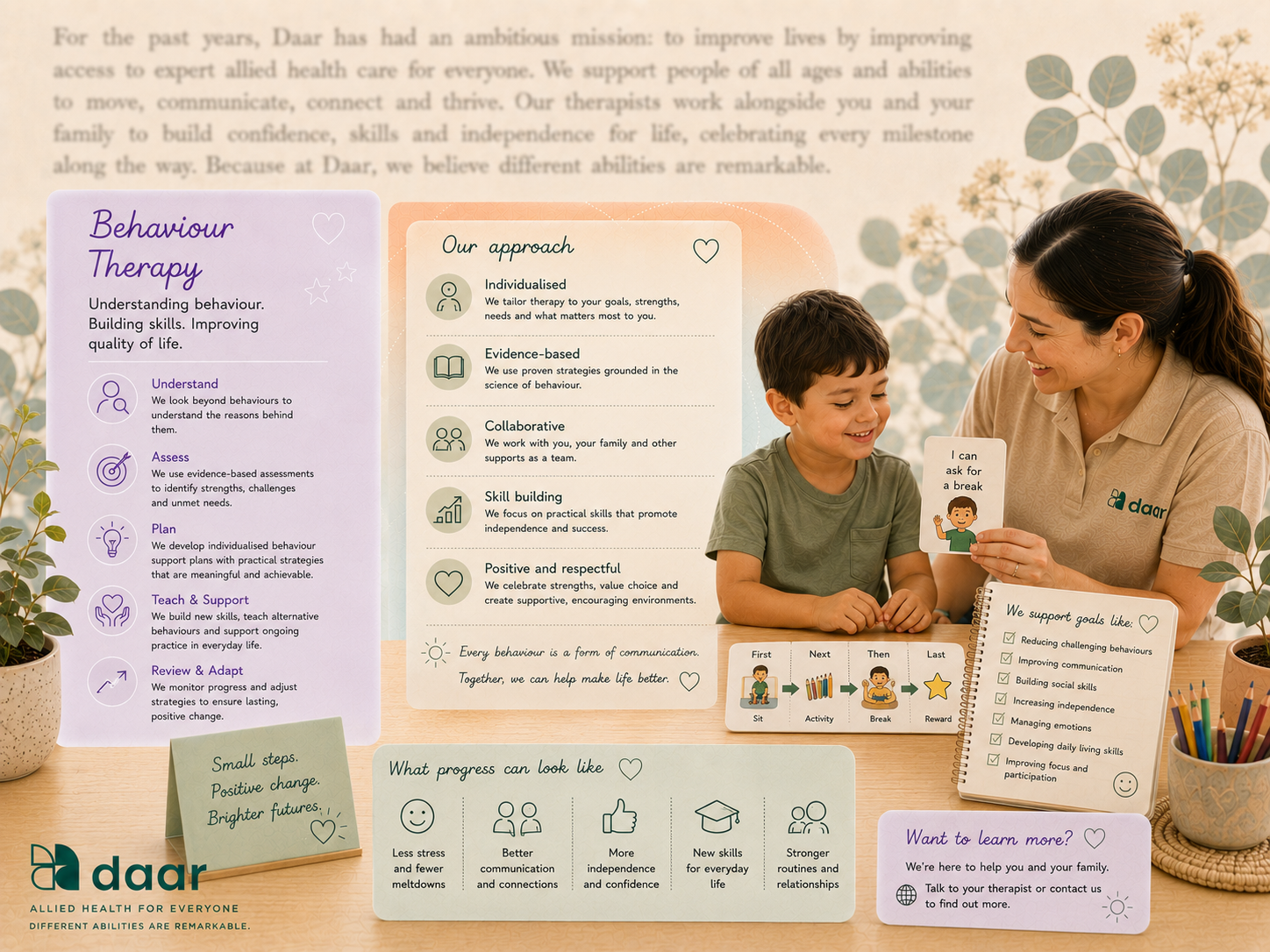
Behaviours of concern often improve with the right support. Effective strategies do more than manage challenging moments—they help build skills that make daily life safer and less stressful.
A personalised plan may target communication, emotional regulation, coping skills, and participation in daily activities. As confidence increases, greater independence becomes possible. Simple changes like clearer routines or better preparation for outings can have a big impact.
These supports also promote safer community access. For example, if loud noises or crowds are triggers, the team might schedule quieter visits, provide headphones, use visual schedules, or plan regular breaks. Over time, these steps can reduce distress and support steady progress.
Conclusion
In conclusion, managing behaviours of concern is crucial not only for the individuals affected but also for their families and support networks. With early intervention and access to NDIS support services, positive change is not just possible; it’s achievable. By implementing evidence-based strategies and focusing on building skills, you can encourage independence and enhance quality of life. Remember, every step taken towards understanding and addressing these behaviours contributes to a supportive environment where everyone can thrive.
If you're ready to explore how NDIS support can make a difference in your life or the life of a loved one, don't hesitate to reach out for a consultation or call daar at 02 9133 2500 today.
Frequently Asked Questions
How do I apply for NDIS behaviour support for challenging behaviours?
Start by checking whether ndis behaviour support is included in your NDIS plan. A support coordinator can help you understand your funding, connect with behaviour support services, and involve your support team. If approved, a practitioner can assess your needs and begin a behaviour support plan.
What are restrictive practices and when can they be used?
Restrictive practices are actions that limit freedom of movement to prevent harm, such as restraint or seclusion. Regulated restrictive practices can only be used as a last resort, within an authorised plan developed by qualified behaviour support practitioners, and under oversight from the NDIS Commission and Safeguards Commission.
Can behaviours of concern be reduced or improved over time with the right support?
Yes. With positive behaviour support and the right support, many people see behaviours of concern reduce over time. When triggers are understood, new skills are taught, and responses stay consistent, positive outcomes become more likely. That long term progress can improve confidence, participation, and daily wellbeing.
.svg)




.svg)