
.png?width=48&height=48&name=Group%201%20(3).png)























31 August, 2026

Why Choose Telehealth Behaviour Support for Your Needs?
Key Highlights
- Telehealth behaviour support brings positive behaviour support into your home through secure video conferencing.
- It helps you access therapy services without long travel, clinic waitlists, or added disruption.
- Flexible scheduling makes it easier for busy families to keep appointments and stay consistent.
- Your practitioner builds a support plan around your goals, routines, and home environment.
- Telehealth sessions support coaching, observation, and practical strategies in real time.
- This model can improve continuity, comfort, and access across metropolitan, rural, and remote areas.
Introduction
Telehealth behaviour support is positive behaviour support delivered remotely through simple online tools, usually video calls, phone, or a mix of both. It works by connecting you with a qualified practitioner who can observe daily routines, guide your support team, and help shape a behaviour support plan in your natural environment. For many families, this approach feels more practical and less stressful. It can also support mental health, skill building, and better teamwork across home, school, and other care settings.
Top Reasons to Choose Telehealth Behaviour Support for Your Needs
Many families choose telehealth services because they make behaviour support services easier to access and easier to continue. You can receive therapy services at home, avoid travel, and involve the people who matter most in day-to-day support.
Just as important, telehealth positive behaviour support fits real life. It helps strengthen support networks, keeps sessions consistent, and allows practitioners to coach families in the settings where challenges actually happen. The reasons below show why this model works so well for many people.
1. Access Leading Behavioural Experts from Anywhere in Australia
Location should not decide the quality of care you receive. With online behaviour support, you can connect with a behaviour support practitioner from home instead of waiting for a local opening. This matters for families in cities, regional communities, and remote areas where specialist access may be limited.
For many people using the National Disability Insurance Scheme, telehealth creates faster and more equal access. It removes the need to depend on distance, local clinic capacity, or long travel just to begin services.
- Families in remote areas can still receive the same style of support with a stable internet connection.
- Practitioners can guide parents, carers, and schools without needing to be physically present.
- Online behaviour support helps reduce gaps in care across Australia.
2. Flexible Scheduling to Suit Busy Lives
Life gets busy fast. School runs, work, appointments, and home demands can make in-person visits hard to manage. Telehealth sessions offer flexible scheduling, which helps busy families fit support services into the day with less pressure.
In many cases, the setup is simple. You usually need a device with a camera and microphone, a private space, and a stable connection for video conferencing. If video is not practical, some support can also happen by phone or a mix of formats.
- Flexible scheduling can reduce missed appointments and help maintain routine.
- Telehealth sessions can continue during school breaks, illness, or travel.
- Video conferencing removes commute time and makes support services easier to access.
3. Personalised, Evidence-Based Positive Behaviour Support
Positive behaviour support delivered through telehealth still follows the same core clinical process. The practitioner works to understand why behaviors happen, what triggers them, and what changes can help. This approach is evidence-based and focused on safety, communication, and quality of life.
From there, the practitioner uses interviews, observation, and behaviour analysis to build a practical behaviour support plan. The goal is not punishment or forced compliance. It is to reduce stress, teach safer communication skills, and support emotional regulation in everyday settings.
Telehealth can also support methods informed by applied behavior analysis when they are used in a strengths-based, family-centered way. Because support happens in the home, strategies are often easier to apply during daily routines, making positive behaviour support more relevant and sustainable.
4. Ideal for People with Disabilities and NDIS Participants
Telehealth can be especially helpful for people with disabilities who need support in familiar spaces. It reduces the travel demand, allows natural observation at home, and makes it easier to include family, carers, and other disability services in the process. For many participants, that means support feels more comfortable from the start.
If you use NDIS behaviour support, telehealth can also help your funding go further by removing practitioner travel fees. Your support coordinator can help make sure services match your support plan and remain aligned with your goals under the National Disability Insurance Scheme.
|
Area |
How telehealth helps |
|---|---|
|
Access |
Connects participants with practitioners across different locations |
|
Coordination |
Makes it easier for a support coordinator and carers to join sessions |
|
Budget use |
Reduces travel-related costs within disability services |
|
Planning |
Supports review and updates of each support plan in real-life settings |
5. Reduced Travel Stress and Costs
Travel can turn a short appointment into a full-day task. For families juggling school, work, and care needs, long drives and waiting rooms can add pressure before support even begins. Telehealth cuts travel time and creates clear stress reduction for many households.
This can be even more valuable in remote areas, where appointments may involve major distances. Reduced costs also matter. Without travel charges, more of your budget can go toward actual therapy services and plan development.
- Less travel time means less disruption to school, work, and daily routines.
- Reduced costs can help stretch available funding further.
- Families may still face challenges like patchy internet or limited privacy, so planning ahead helps.
6. Seamless Collaboration with Families, Carers, and Support Teams
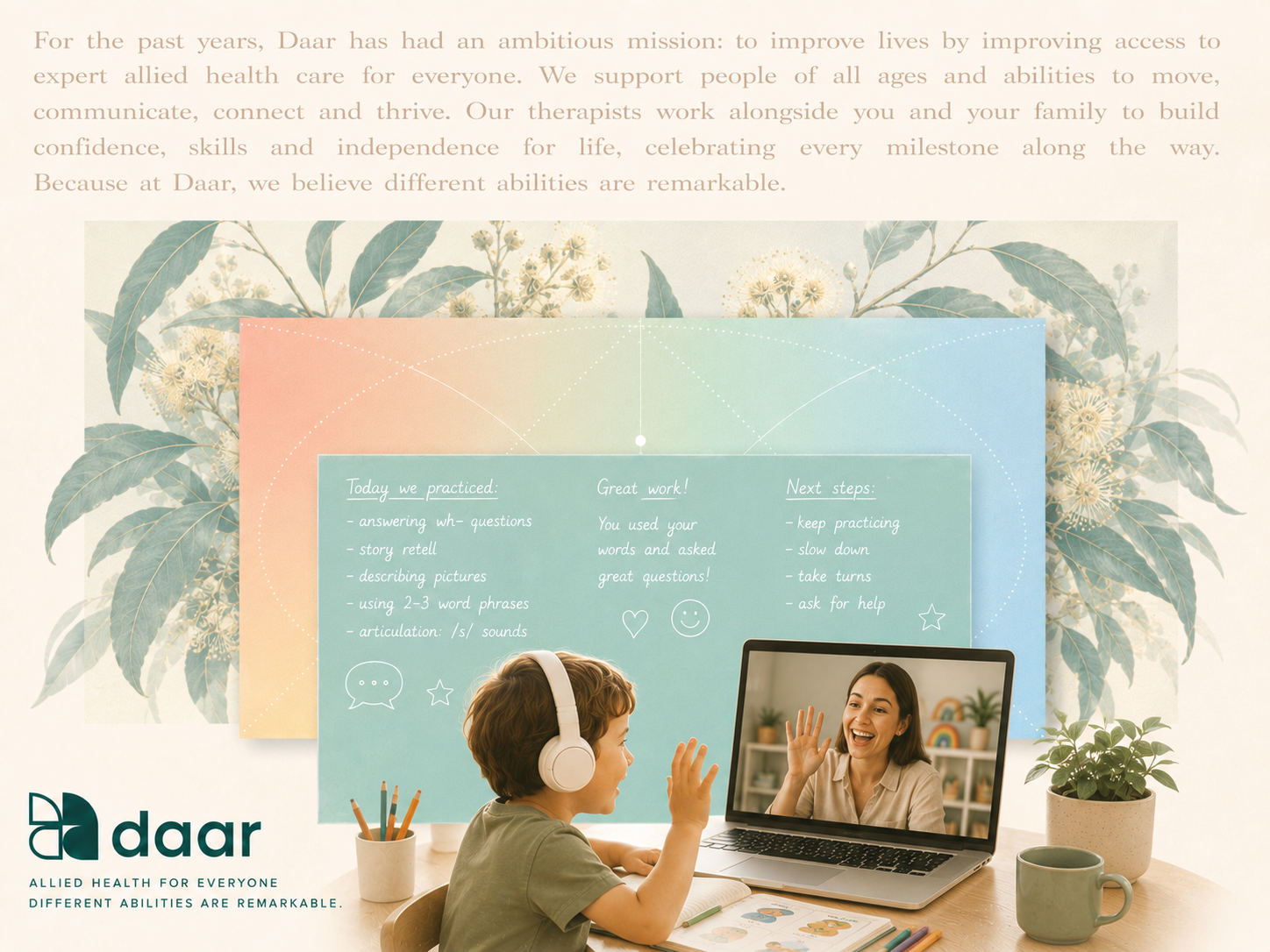
Good outcomes rarely come from one person working alone. Telehealth makes a collaborative approach easier by bringing support workers, parents, teachers, and other key people into the same conversation. That shared understanding can improve how strategies are used across settings.
A strong provider should have qualified practitioners, a clear positive behaviour framework, and experience working with families and disability support systems. It also helps when they can coach a family member in real time and work closely with the wider support team.
When behaviour support services are coordinated well, everyone knows the plan, the language, and the next steps. That consistency matters. It helps turn advice into action and makes support feel connected rather than fragmented.
Conclusion
In conclusion, telehealth behaviour support is revolutionizing the way individuals access vital services. With the ability to connect with leading behavioural experts from anywhere in Australia, flexible scheduling, and personalized support, it's a modern solution designed to fit your lifestyle. Whether you're navigating challenges related to disabilities or simply looking for effective behavioural strategies, telehealth offers a convenient and stress-free option. Embrace the opportunity to enhance your well-being and improve your quality of life from the comfort of your home.
If you're ready to make a positive change, don’t hesitate to reach out for a consultation or call daar at 02 9133 2500 and explore how telehealth behaviour support can work for you!
Frequently Asked Questions
Is telehealth behaviour support as effective as in-person therapy?
Yes, for many people it can be. Positive behaviour support delivered through telehealth services often works well because behaviour support services happen in the home, where strategies are easier to practice. In some cases, this makes therapy services feel more natural than in-person therapy.
Can I use telehealth behaviour support if I live in a rural or remote area?
Yes. Telehealth is designed to improve access in remote areas and regional locations. If you have a stable internet connection, this telehealth model can provide remote support, practitioner coaching, and review of your behaviour support plan without the need for long-distance travel.
Is telehealth behaviour support covered by the NDIS or Medicare?
Telehealth behaviour support may be funded through an NDIS plan when behaviour support services are included, using support under the National Disability Insurance Scheme. The compiled information does not confirm Medicare coverage, so it is best to check available funding options with your provider, plan manager, or support coordinator.
.svg)




.svg)