
.png?width=48&height=48&name=Group%201%20(3).png)























17 August, 2026

NDIS Telehealth for Kids: Explore Virtual Care Benefits

Key Highlights
- NDIS telehealth services give your child access to therapy at home through simple video or phone-based support.
- Many families use telehealth sessions for speech therapy, occupational therapy, psychology, and behavior-based care.
- Virtual care can reduce travel time, lower stress, and make therapy goals easier to keep on track.
- Children often respond well when therapy happens in familiar spaces like home, school, or kindergarten.
- Parents can join sessions, support practice, and help therapists tailor care to daily routines.
Introduction
NDIS telehealth services make therapy services easier to access when in-person visits are hard to manage. Through virtual therapy, your child can connect with qualified professionals by video call or phone from home, school, or another familiar setting. That means less time spent traveling and more flexibility for your family. If you want support that fits around daily life while still focusing on your child’s progress, telehealth can be a practical option worth exploring.
Understanding NDIS Telehealth for Kids in Australia
NDIS telehealth gives families a convenient way to access health services without attending every appointment in person. Under the National Disability Insurance Scheme, children can use phone or video appointments when the support matches their child’s needs and NDIS plan.
In Australia, available options commonly include speech, occupational, psychology, physiotherapy, and behavior-based support. This flexible model helps families continue care more easily, especially when travel, distance, or busy routines make face-to-face visits harder. The next sections explain how this support works.
What Is NDIS Telehealth and How Does It Support Children?
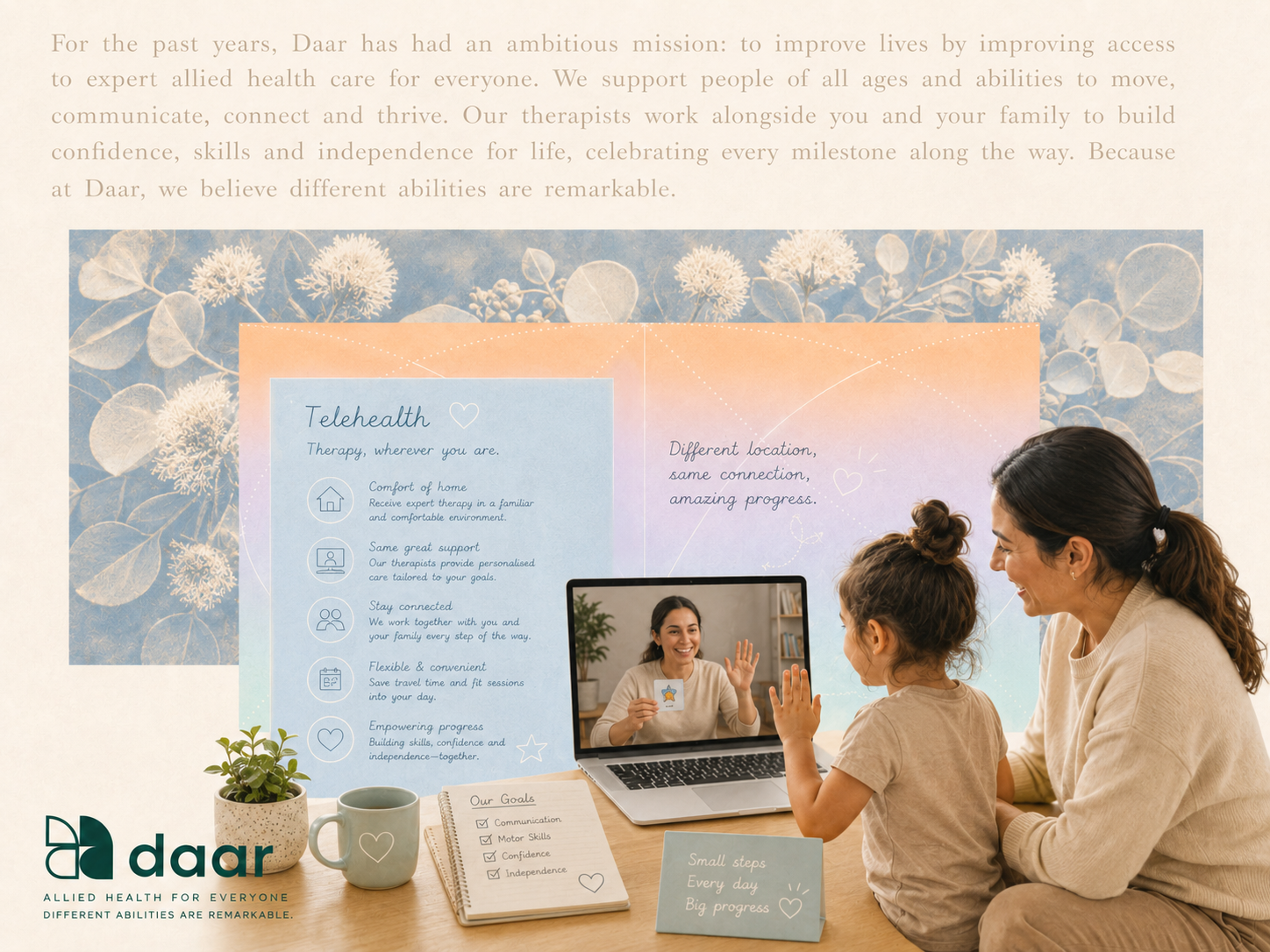
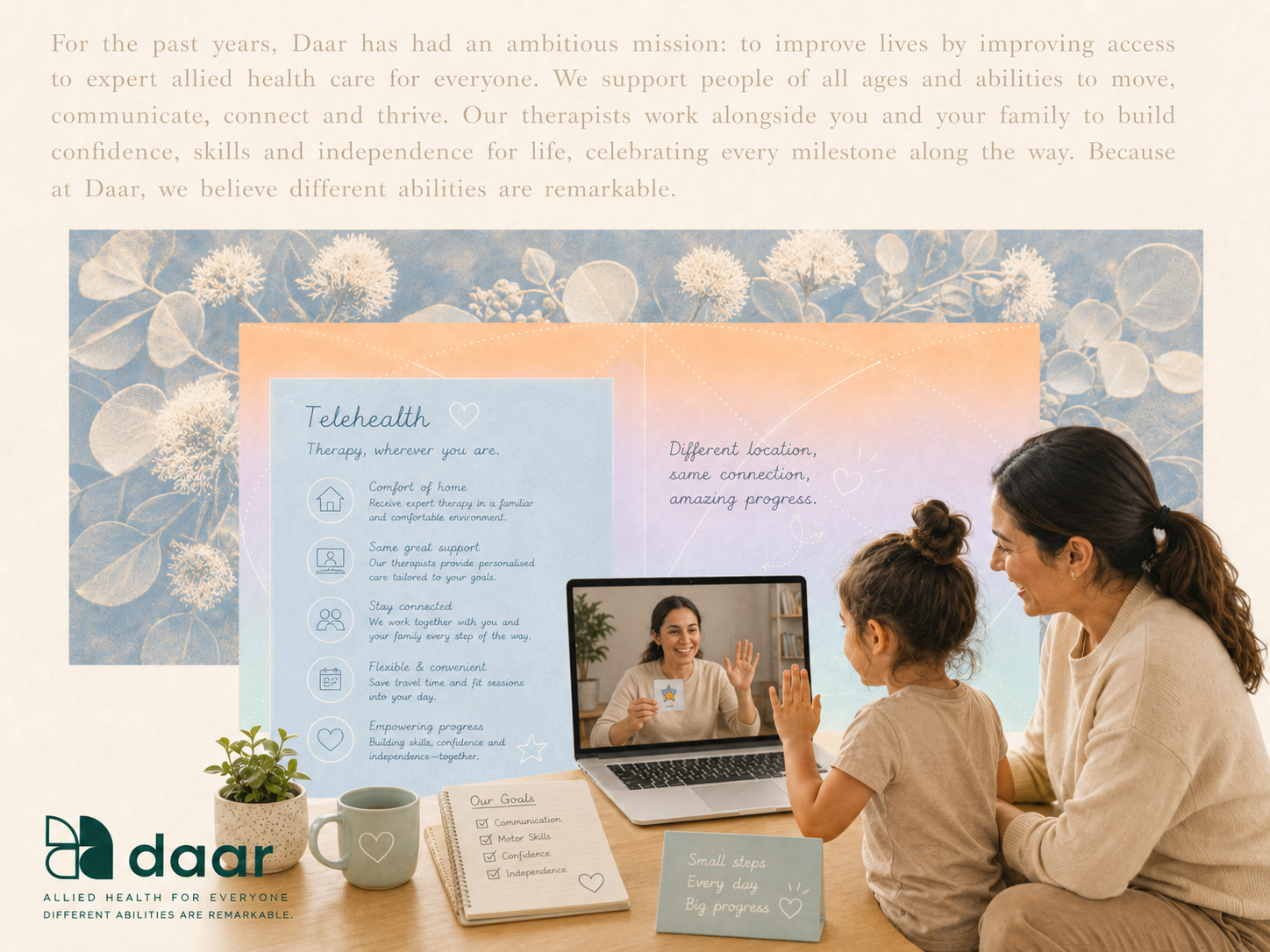
Telehealth lets your child receive therapy through video or phone calls instead of clinic visits. You can use any device with internet access in a quiet space, giving families more flexibility.
Virtual care makes sessions easier to attend, reduces travel stress, saves time, and allows therapy in a comfortable setting. This is especially helpful for early intervention and ongoing therapy.
Telehealth can be tailored to your child's needs. Parents or family members can join sessions, help with activities, and apply strategies at home to support progress between appointments.
Overview of Virtual Care Options Available for Kids through the NDIS
Families can access several forms of virtual care through the NDIS when the support fits the child’s goals and plan. Most services are delivered through video conferencing, though some providers may also offer phone-based contact. This gives you a flexible choice when getting to a clinic is difficult.
Common options include speech therapy, occupational therapy, physiotherapy, psychology, and behavior support. Health professionals guide each therapy session live, observe how your child responds, and adjust service delivery to suit age, attention, and home routines.
|
Virtual care option |
How it helps kids |
|---|---|
|
Speech therapy |
Builds communication skills and language skills through guided online activities |
|
Occupational therapy |
Supports daily living, routines, and practical home-based tasks |
|
Physiotherapy |
Guides movement practice and home exercise program activities |
|
Psychology |
Supports mental health, coping skills, and emotional regulation |
|
Behavior support |
Helps families use positive behaviour support strategies at home |
Common Types of Therapy Delivered via NDIS Telehealth
Telehealth therapy can cover several therapy services for children when they align with NDIS funding and therapy goals. Common supports include speech, occupational, physiotherapy, psychology, and behavior-based care. This range gives NDIS participants more ways to keep support consistent.
Some children use online sessions only, while others combine virtual and in-person care. The best fit depends on your child’s goals, attention, and home setup. The sections below look more closely at the most common therapies families access through telehealth.
Speech Therapy for Children in a Virtual Setting
Speech therapy is a popular online service for children under the NDIS. In these sessions, your child meets a therapist by video or phone to work on communication, speaking, listening, and language skills. This format is straightforward and often less stressful than visiting a clinic.
Sessions typically involve games, visuals, screen sharing, and familiar items from home. Parents may help with the camera, keep their child focused, or provide a favorite toy to make activities more engaging and personalized.
For many families, online speech therapy offers practical, regular support. It suits both young children and older kids when therapists tailor activities and clearly guide parents through each session.
Occupational and Physiotherapy Sessions Online
Occupational therapy via telehealth naturally fits into children’s daily environments—where they live, play, and learn. Therapists observe routines in real time and suggest practical changes to support independence and smoother transitions.
Since sessions occur at home, advice can be applied immediately. Therapists may guide activities related to play, dressing, seating, fine motor skills, or sensory support. If movement goals are involved, physiotherapy can also be delivered online through customized home exercise programs.
This approach lets families practice new skills using familiar household items. Instead of only working in a clinic, children build progress within their routines, making strategies easier to reinforce between appointments.
Behavioural Support and Mental Health Services through Telehealth
Telehealth therapy can support children's behavior through the NDIS when aligned with their plan and goals. Services like behavior support, psychology, and other mental health therapies are delivered live online by qualified professionals.
Sessions may identify triggers, build routines, and teach strategies for emotional regulation. Positive behavior support often includes coaching parents and caregivers to respond confidently during challenging situations at home, school, or in the community.
Telehealth is especially useful for families because therapists observe children in their natural environment. This home-based perspective enables better planning, clearer advice, and practical steps that fit daily life—rather than relying solely on clinic observations.
How to Get Started with NDIS Telehealth Services
Getting started usually begins with checking your child’s NDIS plan and confirming that the therapy support you want is funded. Then you can choose an NDIS provider that offers telehealth and ask how each telehealth appointment is delivered.
Before the first therapy session, make sure you have a stable internet connection, a suitable device, and a calm space to join from. It also helps to ask whether a caregiver should stay nearby. The next two sections cover the steps and eligibility in more detail.
Steps to Accessing NDIS-Funded Telehealth for Your Child
Accessing telehealth services for your child is usually straightforward when the support matches funded goals. Start by reviewing your child’s plan, then speak with an NDIS provider that offers online care. Many providers support both new and existing families, and some can help explain the application process in plain language.
A few simple steps can help you move forward:
- Review your child’s NDIS funding and therapy goals.
- Choose an NDIS provider that delivers telehealth services.
- Ask what device, platform, and setup are needed.
- Book therapy sessions at times that suit your routine.
- Prepare any toys, reports, or materials before the first visit.
Once that is arranged, your provider will usually send a link or joining details for the appointment. From there, sessions can begin at home, with guidance from the therapist and support from you if needed.
Eligibility Criteria and Application Process for Families
Eligibility for telehealth isn’t based on age alone. Children of various ages can use telehealth if it fits their funded NDIS plan and individual needs. The main consideration is whether the service aligns with the child’s goals and support requirements.
Providers assess each child’s unique situation before recommending online sessions. Some children do well with video, while others may need shorter visits, extra caregiver support, or a mix of virtual and in-person care. A good provider will discuss these options with you before starting therapy.
For families seeking early intervention, telehealth offers a convenient way to ensure regular sessions. The process usually involves confirming your plan, choosing a provider, and deciding how sessions will best support your child at home.
Conclusion
In conclusion, NDIS Telehealth for kids opens up a world of possibilities for families seeking accessible and effective care. With its variety of virtual therapy options—including speech, occupational, and behavioral support—children can receive the assistance they need right from home. This innovative approach not only simplifies access but also provides a more comfortable environment for young patients. As you explore these beneficial services, remember that taking the first step toward utilizing NDIS Telehealth can significantly impact your child's well-being.
If you're ready to discover how telehealth can enhance your child's health journey, don’t hesitate to reach out for a consultation or call daar at 02 9133 2500 for more information!
Frequently Asked Questions
Is Telehealth as Effective as In-Person Therapy for Kids with NDIS?
Telehealth therapy can be very effective when it suits your child’s needs and the type of support being delivered. Many therapy services work well through online therapy, especially when parents are involved and routines can be practiced at home. The goal is still the same: quality care that supports steady progress.
Can All Children with Disabilities Use NDIS Telehealth Services?
Not always. NDIS telehealth services can work for many NDIS participants, but suitability depends on your child’s needs, funded supports in the NDIS plan, and how well sessions can be adapted. Children with specific needs may use online care successfully, though some may do better with a mix of formats.
What Should Parents Know About Privacy and Safety in Telehealth Sessions?
Parents should ask how telehealth sessions are protected, whether the platform used for video conferencing is secure, and if sessions are recorded or saved. For privacy and safety, it helps to join from a quiet room in your home environment where your child can speak and participate without distractions.
.svg)




.svg)