
.png?width=48&height=48&name=Group%201%20(3).png)























16 February, 2026

Telehealth Behavioural Therapy: Empowering Families with ADHD & Autism at Home
For parents of neurodivergent children, the logistics of therapy can sometimes feel like a second job. Between the school run, managing meltdowns, and navigating the sensory overload of a busy waiting room, getting your child to an appointment can be a battle before the session even begins.
But what if the support could come to you?
Telehealth behavioural therapy has revolutionized the way families access care. It is no longer just a "backup plan" for when you can't make it to the clinic; for many children with ADHD and Autism, it is actually the preferred method of support.
By bringing the therapist into your living room via a screen, you can tackle challenges in the environment where they actually happen—at home.
In this guide, we will explore how telehealth behavioural therapy works, specifically for behavioural therapy adhd and behavioural therapy autism, and how you can utilize your behavioural therapy ndis funding to access this flexible, effective support.
What is Telehealth Behavioural Therapy?
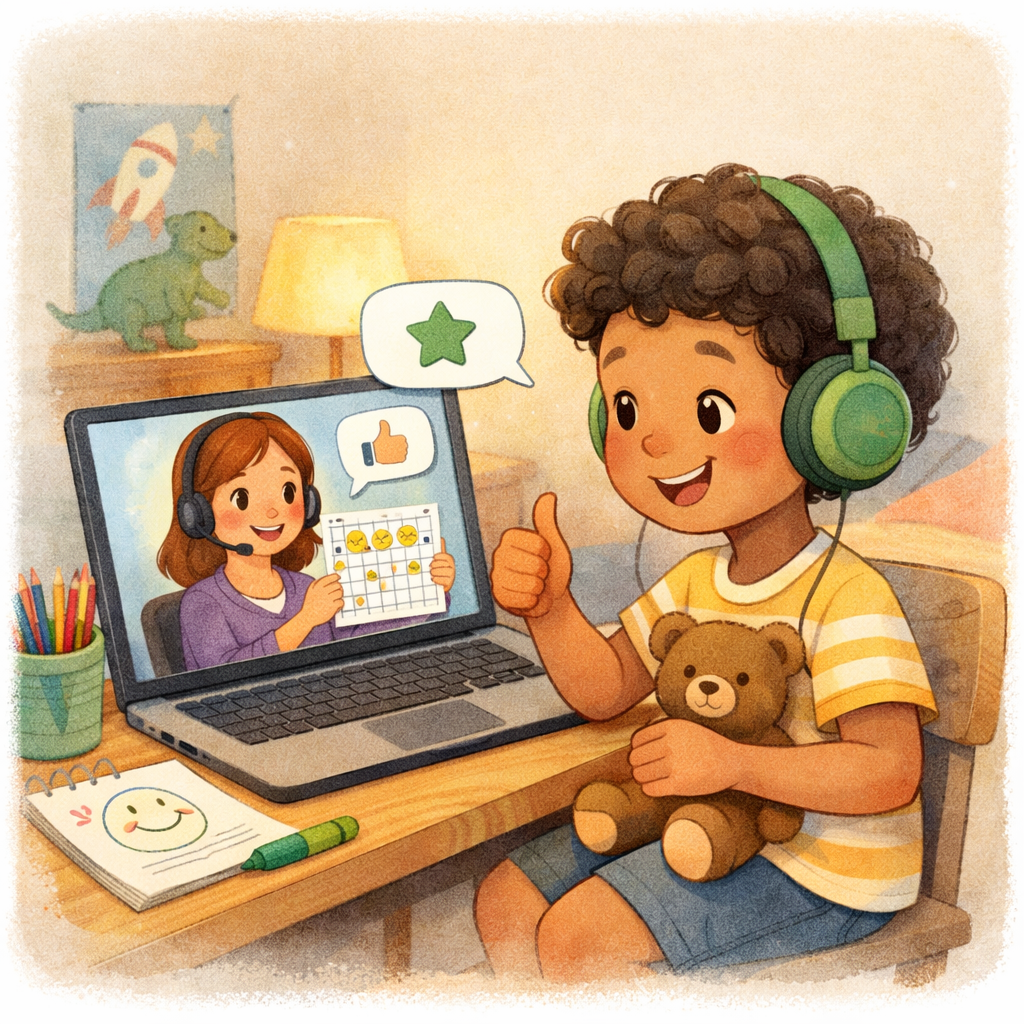
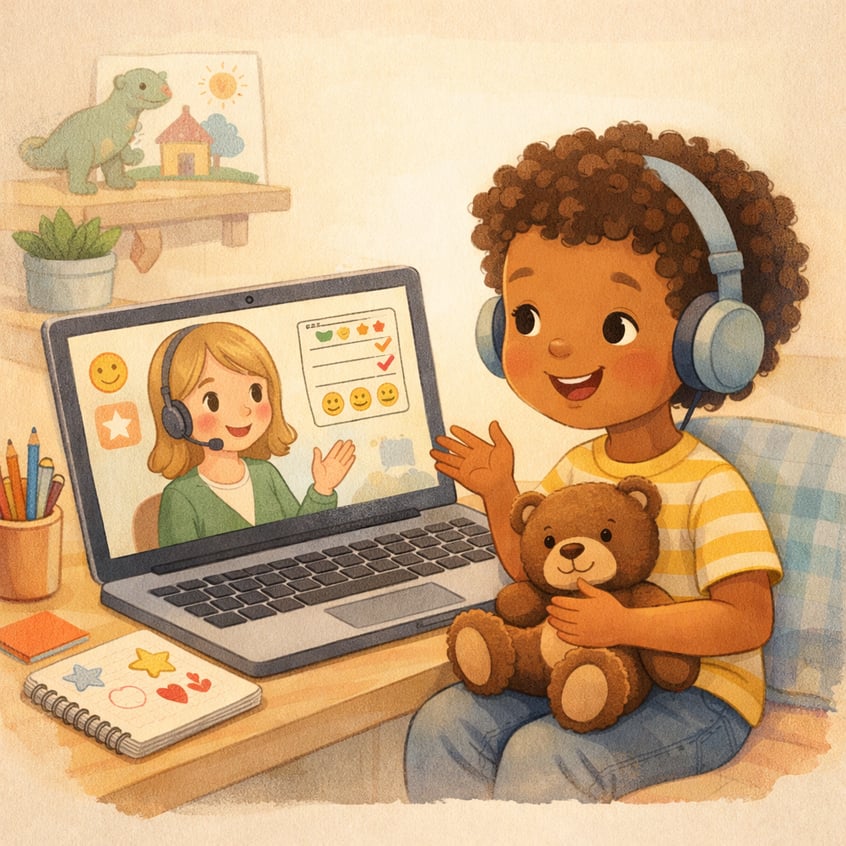
Telehealth behavioural therapy is the delivery of therapy services using video conferencing tools like Zoom or Microsoft Teams. It connects you and your child directly with a qualified practitioner—such as a Psychologist, Occupational Therapist, or Behaviour Support Practitioner.
It is not just "chatting on a screen." It is a structured, clinical intervention designed to:
- Observe the child in their natural environment.
- Coach parents on real-time strategies.
- Engage the child through interactive digital tools and games.
For children who find new environments stressful, telehealth removes the anxiety of the clinic, allowing their true personality—and their true challenges—to shine through.
Behavioural Therapy for ADHD: Focus and Routine
Children with Attention Deficit Hyperactivity Disorder (ADHD) often struggle with executive function. This includes planning, organizing, remembering instructions, and controlling impulses.
In a clinic room, which is often tidy and free of distractions, a child with ADHD might perform perfectly. But at home, where the TV is on, the dog is barking, and the toys are out, it’s a different story.
This is where behavioural therapy adhd via telehealth shines.
How It Works Online
- Real-World Organization: The therapist can ask the child to show them their desk or their bedroom. Together, they can organize the space to reduce distractions, creating a "homework station" that actually works.
- Routine Building: The therapist can help create visual schedules and stick them up on the fridge during the session, ensuring they are placed where the child will actually see them.
- Gamified Learning: Children with ADHD often respond well to technology. Telehealth therapists use interactive apps and screen-sharing games to teach impulse control and turn-taking in a way that feels like play, not work.
Behavioural Therapy for Autism: Social Skills and Regulation
For children on the Autism Spectrum, the sensory demands of travelling to a clinic—bright lights, traffic noise, unfamiliar smells—can lead to dysregulation before the session even starts.
Behavioural therapy autism delivered via telehealth allows the child to engage from their "safe space."
The Comfort of Home
When a child feels safe, they are ready to learn. Telehealth allows us to work on:
- Emotional Regulation: We can help the child identify their "zones of regulation" (e.g., Blue for sad, Red for angry) and practice using their own calm-down corner or sensory toys in their bedroom.
- Social Skills: Using video modeling and role-playing on screen, we can practice conversation skills, reading facial expressions, and understanding social cues without the pressure of physical proximity.
- Parent Coaching: For non-verbal children or those with high support needs, the session often focuses on coaching the parent. The therapist watches you play with your child and guides you on how to encourage communication and manage challenging behaviours.
Navigating NDIS Funding for Telehealth
One of the most common questions we hear is: "Does the NDIS cover online therapy?"
The answer is a resounding yes.
Behavioural therapy ndis funding is fully applicable to telehealth services. In fact, the NDIS encourages it as a way to ensure continuity of care and access to specialists who might not be in your local area.
How to Use Your Funding
Telehealth is typically funded under the Capacity Building budget, specifically:
- Improved Daily Living (CB Daily Activity): This covers assessment, therapy sessions, and parent training.
- Improved Relationships (CB Relationships): This covers specialised behaviour support for complex or risky behaviours.
You are charged the same rate for a telehealth session as a face-to-face session, but you save money (and budget) on provider travel costs. This means your funding can stretch further, allowing for more therapy hours.
Why Parents Are Choosing Telehealth
Beyond the clinical benefits, telehealth behavioural therapy offers practical advantages for busy families:
- Consistency: Illness, car trouble, or bad weather don't have to mean a missed session.
- Access to Experts: You aren't limited to the therapists within a 20-minute drive. You can access the best specialist for your child's specific needs, even if they live in a different city.
- Generalization: Skills learned in the clinic often stay in the clinic. Skills learned in the living room stay in the living room. Telehealth helps children apply what they learn to their real, everyday lives.
Conclusion
In a world that is increasingly digital, healthcare is evolving to meet families where they are. Telehealth behavioural therapy offers a unique opportunity to bring expert support into the heart of your home.
Whether you are navigating the challenges of behavioural therapy adhd, seeking support for behavioural therapy autism, or simply trying to make the most of your behavioural therapy ndis plan, online therapy offers a flexible, effective solution.
It empowers you to be the expert in your child's life, giving you the tools to manage the chaos and celebrate the wins, right there in your own living room.
Don't let distance or a busy schedule stand in the way of your child’s progress. Our experienced team offers comprehensive telehealth behavioural therapy services tailored to your family’s needs.
Contact us today to book your online consultation or call daar at 02 9133 2500 and start your journey to a calmer, happier home.
FAQ: Common Questions for Parents
Is telehealth effective for high-energy kids?
Yes! A good therapist won't expect a child to sit still for an hour. Sessions often involve movement breaks, scavenger hunts ("Go find something red!"), and active games. If the child needs a break, the therapist can switch to parent coaching for the remainder of the session.
Do I need special equipment?
No. All you need is a device with a camera and microphone (laptop, tablet, or even a smartphone) and a stable internet connection. A laptop or tablet is preferred so the child can see the screen clearly.
Can we switch between online and in-person?
Many providers offer a hybrid model. You might do the initial assessment face-to-face to build rapport and, and then switch to telehealth behavioural therapy for weekly sessions to save time.
.svg)




.svg)