
.png?width=48&height=48&name=Group%201%20(3).png)























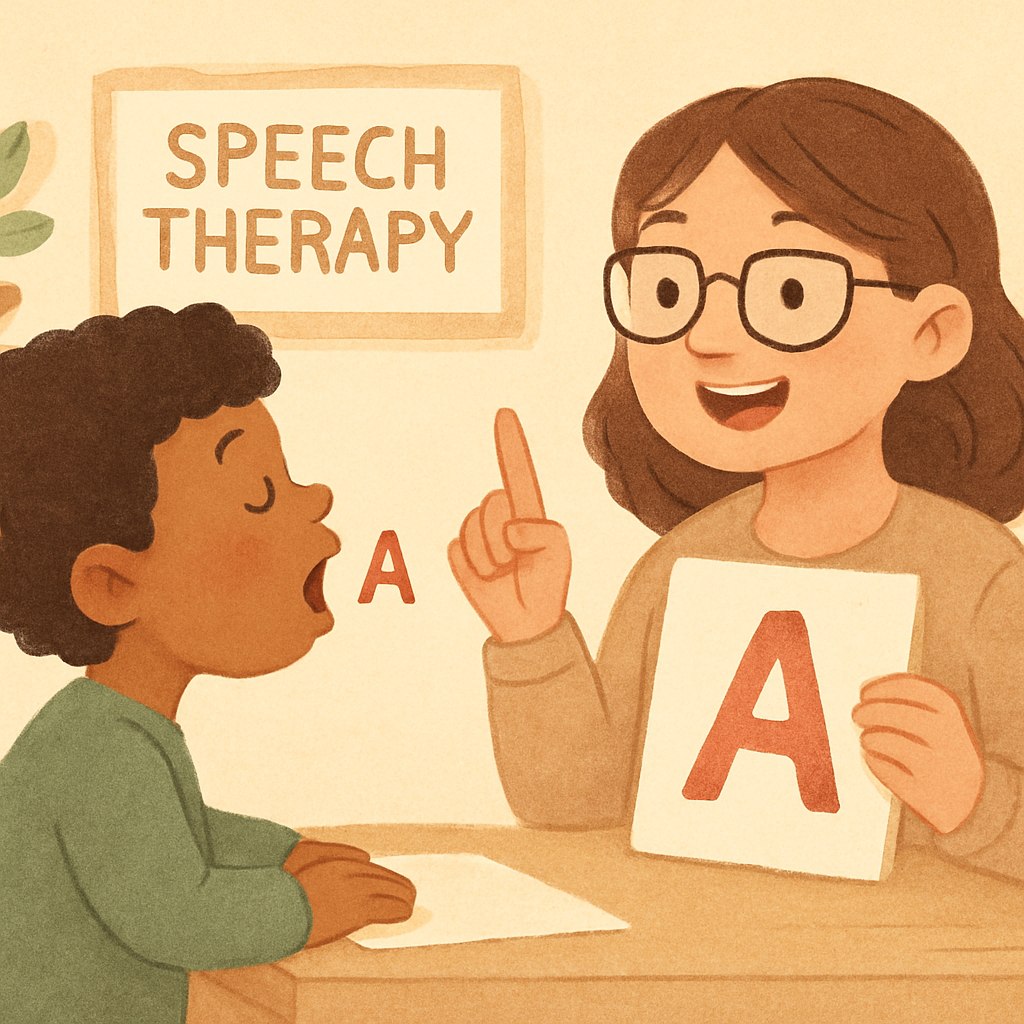
13 February, 2026

Unlocking Communication: A Holistic Approach to Speech Delay Intervention
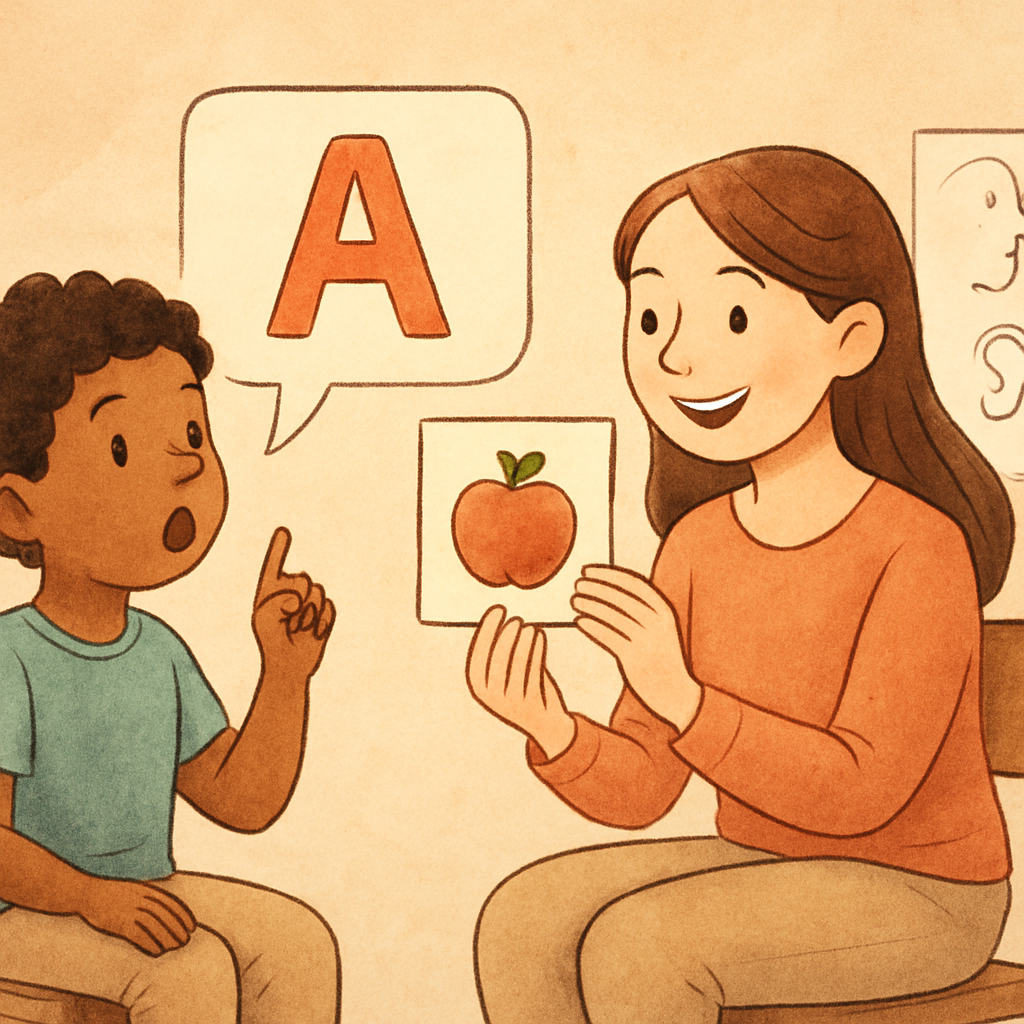
For parents, waiting for those first words is a time of anticipation. But when the milestones come and go with silence, or when a toddler’s frustration boils over because they cannot express their needs, that anticipation can turn to worry.
Speech delays are among the most common developmental delays in childhood. While the immediate instinct is to focus solely on the mouth and the words, effective speech delay intervention often requires looking at the whole child.
Communication is not just about articulation; it is about motivation, attention, and social interaction. This is why a growing number of experts advocate for a multidisciplinary approach. By combining the expertise of Speech Therapy with the strategies of Behaviour Therapy, we can create a powerful framework that not only teaches a child how to speak but also why to speak.
In this guide, we will explore how these two therapies work hand-in-hand to bridge the gap between silence and connection, helping your child find their voice.
Understanding Speech Delay
A speech delay refers to a child’s language development following the typical sequence but at a slower rate. It can manifest as:
- Expressive Delay: Difficulty saying words or putting sentences together.
- Receptive Delay: Difficulty understanding what is said to them.
- Social/Pragmatic Delay: Difficulty using language for social interaction.
When a child cannot communicate, the result is often behavioural. Tantrums, hitting, or withdrawal are frequently just symptoms of a child saying, "I have a need, and I don't know how to tell you." This is where the intersection of speech and behaviour becomes critical.
The Role of Speech Therapy
Speech Therapy is the cornerstone of intervention. A Speech-Language Pathologist (SLP) focuses on the mechanics and cognitive aspects of language.
Building the Foundation
Before a child can speak, they need pre-linguistic skills. Speech Therapy targets:
- Joint Attention: Sharing focus on an object with another person.
- Imitation: Copying sounds, gestures, and facial expressions.
- Turn-Taking: The back-and-forth rhythm of conversation.
Targeted Techniques
SLPs use a variety of play-based techniques to encourage language:
- Modeling: Repeating words clearly and slowly (e.g., "Ball. Blue ball.").
- Expansion: Adding to what the child says (Child: "Car." Therapist: "Yes, fast car!").
- Oral Motor Exercises: Strengthening the muscles of the mouth if physical weakness is an issue.
The Role of Behaviour Therapy
While Speech Therapy teaches the skill, Behaviour Therapy (often rooted in Applied Behaviour Analysis or ABA) teaches the motivation and function.
Many children with speech delays, particularly those with Autism or sensory processing issues, may not feel the natural social drive to communicate. Behaviour Therapy breaks down communication into functional steps and reinforces attempts.
Functional Communication Training (FCT)
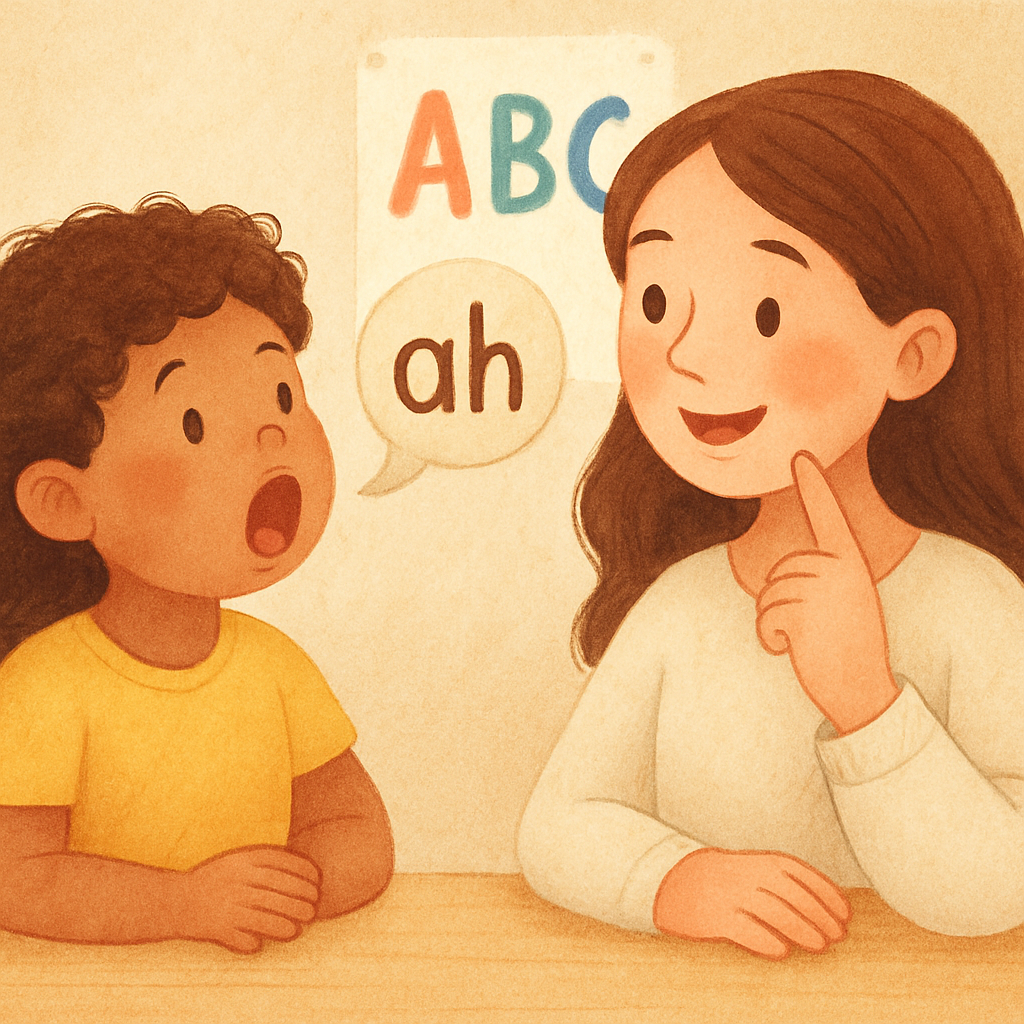
This is a major component of speech delay intervention. FCT identifies why a child is acting out (e.g., screaming to get a cookie) and teaches a replacement behaviour (e.g., handing over a picture of a cookie or making a "C" sound).
- The Result: The child learns that communication is more effective and efficient than a tantrum.
Reinforcement and Motivation
Behaviour Therapy excels at finding what motivates a child.
- Scenario: A child wants a toy car.
- The Approach: The therapist holds the car and waits for an attempt at communication (eye contact, a gesture, or a sound). When the child makes that attempt, they are immediately rewarded with the car. This "contingency" teaches the child that their voice has power.
Why the Combination Works Best
When Speech Therapy and Behaviour Therapy are integrated, the results can be transformative.
1. Consistent Strategies
If the Speech Therapist is teaching the sign for "more," and the Behaviour Therapist reinforces that sign during snack time, play time, and transitions, the child learns much faster. Consistency across environments is key to speech delay intervention.
2. Reducing Frustration
Behaviour therapists are experts in analyzing the "antecedents" (triggers) of behaviour. By identifying that a child’s meltdown is caused by an inability to request a break, they can work with the SLP to teach the specific word or sign for "break," solving the behavioural issue through communication.
3. Generalization
Children often learn a word in the therapy room but fail to use it at home. Behavioural strategies focus heavily on "generalization"—ensuring the child uses their new words in the park, the kitchen, and the classroom.
Alternative Communication Methods (AAC)
Sometimes, speech needs a bridge. Both therapies support the use of Augmentative and Alternative Communication (AAC). This might include:
- PECS (Picture Exchange Communication System): Trading a picture for an item.
- Sign Language: Using simple gestures.
- Speech Generating Devices: Tablets that speak for the child.
Parents often worry that AAC will stop a child from talking. Research shows the opposite: AAC reduces pressure and frustration, often increasing verbal speech production over time.
Conclusion
Hearing your child’s voice—whether it’s a spoken word, a sign, or a selection on an iPad—is a moment of pure magic. But getting there requires patience, expertise, and a plan.
By embracing a comprehensive speech delay intervention plan that utilizes the strengths of both Speech Therapy and Behaviour Therapy, you are giving your child the best possible chance to connect with the world around them. You are turning frustration into function and silence into self-expression.
If you are concerned about your child’s communication development, don't wait. Our multidisciplinary team specializes in combining Speech Therapy and Behaviour Therapy to create personalized intervention plans.
Contact us today to schedule a consultation or call daar at 02 9133 2500 for an assessment and start your journey toward connection.
FAQ: Common Questions About Intervention
1. When should I seek help for a speech delay?
Trust your gut. If your child isn't babbling by 12 months, has no single words by 16 months, or isn't putting two words together by 24 months, seek an assessment. Early speech delay intervention takes advantage of the brain's neuroplasticity.
2. Will behaviour therapy change my child’s personality?
No. Behaviour Therapy is about giving your child tools to navigate the world, not changing who they are. It focuses on reducing unsafe or limiting behaviours and increasing functional skills like communication and play.
3. Can I do these therapies at home?
Absolutely. Parent involvement is crucial. Your therapists should provide you with strategies to use during bath time, meal time, and play time. You are the most important person on your child's team.
4. Is speech delay a sign of Autism?
Not always. While speech delay is a common characteristic of Autism, it can also be caused by hearing loss, oral-motor problems, or simply be a "late bloomer" phase. A comprehensive evaluation can determine the root cause.
5. How long does intervention take?
There is no set timeline. Some children catch up quickly with a few months of Speech Therapy, while others with more complex needs may require ongoing support for several years. Progress is a marathon, not a sprint.
.svg)




.svg)