
.png?width=48&height=48&name=Group%201%20(3).png)























16 September, 2026

Rethinking Screen Time and Child Behaviour: Key Insights
Key Highlights
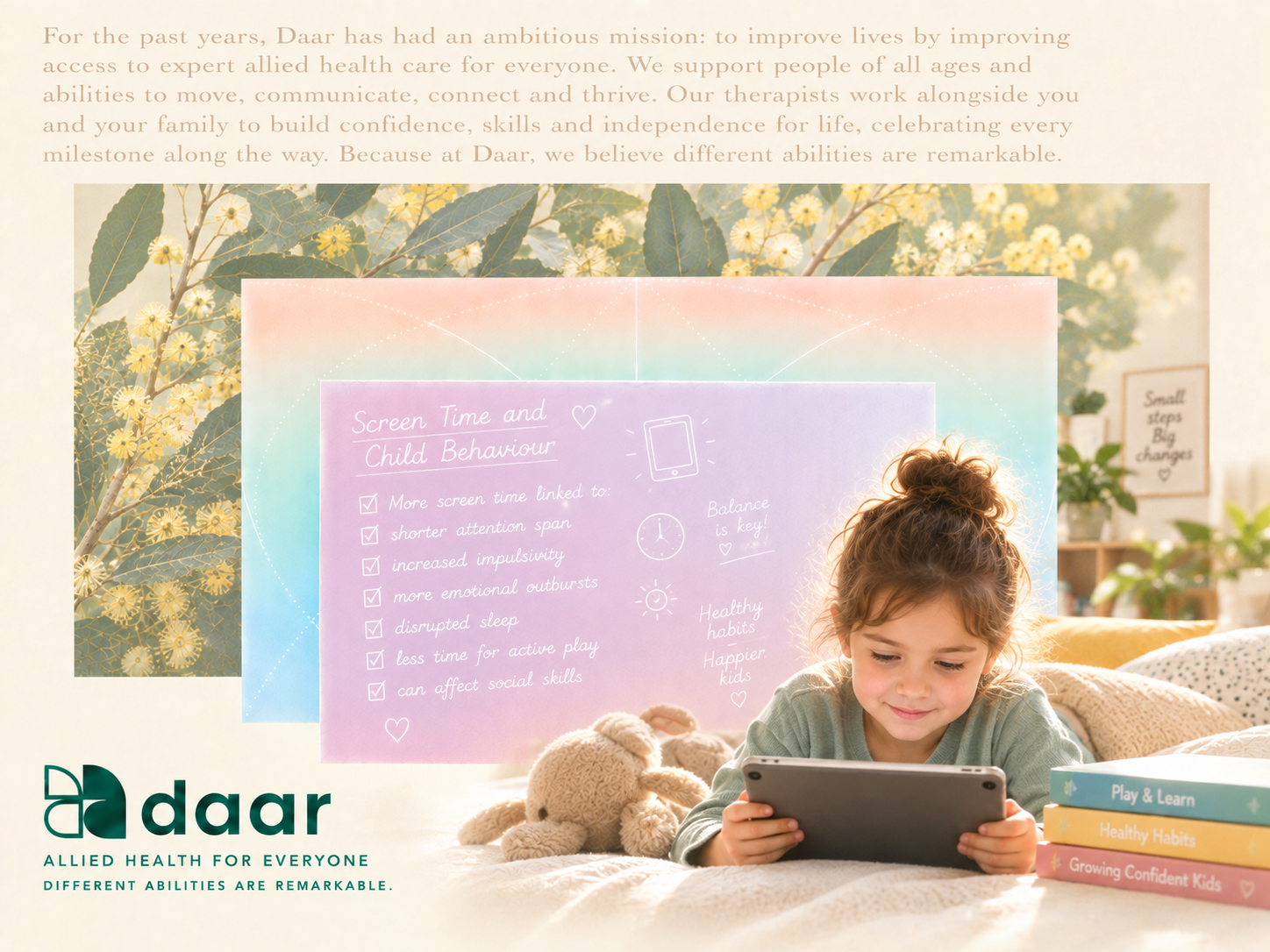
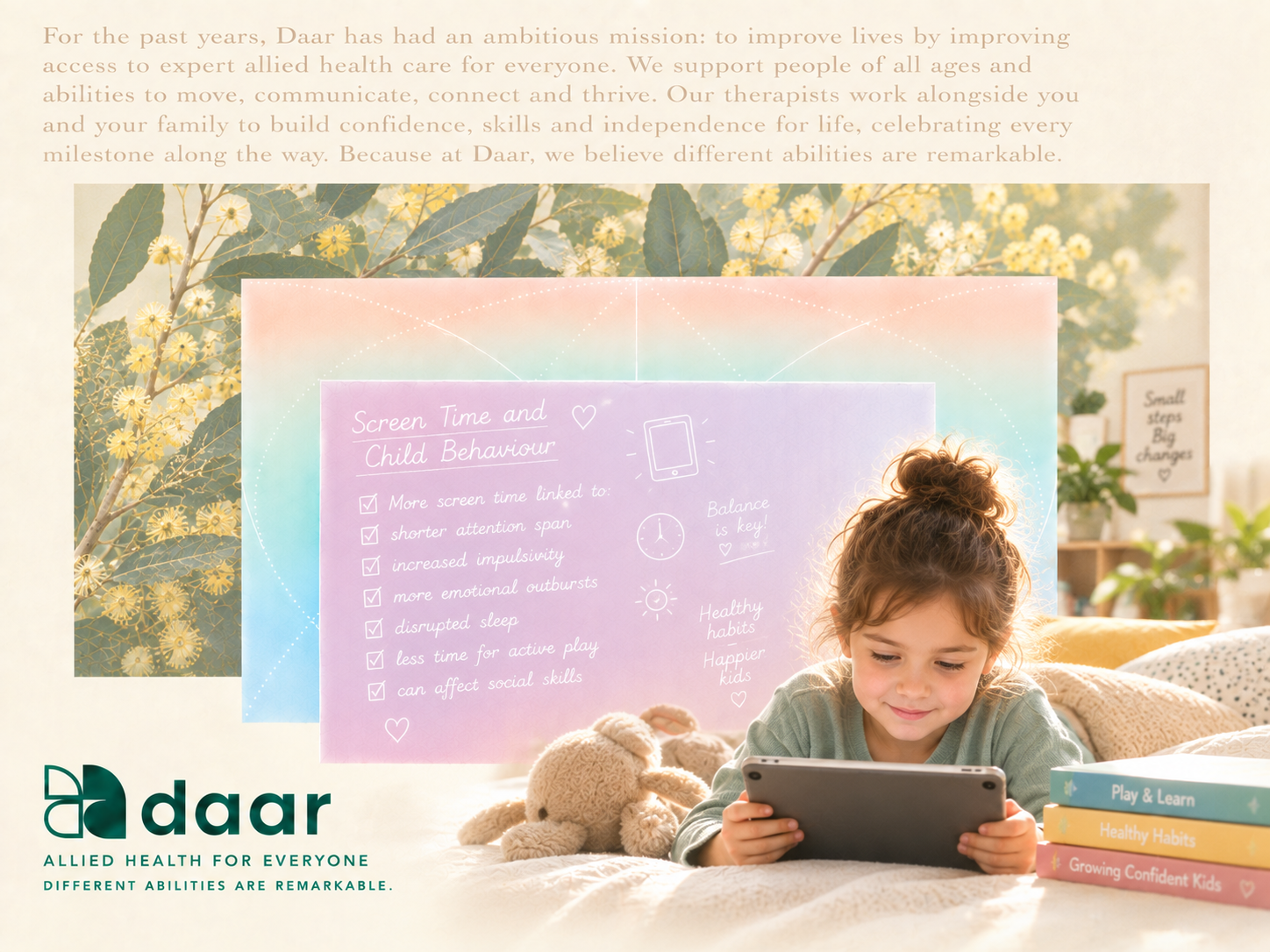
- When looking at screen time and child behaviour, the quality of the digital content (active engagement vs. passive scrolling) on digital devices matters just as much as the minutes spent on the device. To determine if your child is spending too much time on screens, watch for signs like irritability when asked to stop, withdrawal from offline activities, difficulty sleeping, or noticeable changes in mood and concentration. Regular check-ins and monitoring both the quantity and quality of screen time on digital devices can help you spot if adjustments are needed.
- The traditional question of "how much screen time should kids have?" is shifting; experts now look at a young child's overall "digital diet" and whether screens are displacing sleep, physical activity, or social connection. While all screens can impact children, current research suggests there may be differences in how TV, tablets, and smartphones affect kids. For instance, TV is often more passive and less interactive, while tablets and smartphones encourage more engagement but can also lead to greater distraction and interfere with sleep routines due to their portability and personal use.
- For neurodivergent children, screens often act as a critical sensory regulation tool, making sudden healthy screen time limits for kids feel intensely dysregulating. The "Join Them" transition technique is a highly effective way to break a child's tech-hyperfocus without triggering an immediate, explosive meltdown. Parents can use practical checklists to guide healthy digital technology use in children, such as tracking daily screen time, setting clear limits, monitoring content types, scheduling regular device-free periods, ensuring adequate physical activity, and encouraging a balance between online and offline interactions. These checklists can help support consistent routines and reinforce positive, healthy screen time habits.
- The "Join Them" transition technique is a highly effective way to break a child's tech-hyperfocus without triggering an immediate, explosive meltdown.
- daar’s telehealth clinicians help Australian families create realistic, low-conflict media plans that fit their unique household dynamics, directly from the comfort of home.
Introduction
In almost every Australian household, the most common battleground is the tablet out of the charger. Parents are constantly bombarded with conflicting advice: tech is ruining attention spans, tech is the future of learning, lock the devices away, or embrace them fully. The resulting parental guilt about managing their child’s screen time is exhausting. If you're seeking free resources to help manage your child's screen time, online platforms such as the Australian Government’s eSafety website, Raising Children Network, and Common Sense Media offer practical tips, downloadable guides, and tools at no cost.
If you are experiencing massive meltdowns every time the Wi-Fi turns off, you are not alone. Technology is a powerful tool, but it profoundly impacts developing nervous systems and child development. At daar, our allied health professionals take a realistic, neuro-affirming approach to digital habits. Let’s move beyond arbitrary countdown clocks, explore the nuance of screen time and child behaviour, and discover practical ways to set limits without declaring daily war.
Quality Over Quantity: The Content Matters
When evaluating screen time and child behaviour, we have to stop treating all screens as equal. There is a vast neurological difference between a child spending an hour building a complex architectural city in Minecraft (active engagement) and a child spending an hour staring at auto-playing, rapid-fire YouTube "shorts" (passive consumption), which can expose them to violent content.
Passive consumption places the brain in a zombie-like state. It requires zero problem-solving but delivers a continuous drip of cheap dopamine. When that drip is turned off, the resulting irritability is intense. Conversely, active screen use—like coding games, FaceTime with grandparents, or reading interactive digital books—stimulates cognitive growth. Shifting your child’s media diet away from passive scrolling and toward active creation is one of the fastest ways to improve post-screen behaviour, emphasising the amount of time spent in each activity.
Re-evaluating: How Much Screen Time Should Kids Have?
So, taking this into account, how much screen time and media use should kids have? While Australian national guidelines (which recommend zero recreational screens before age two, and 1-2 hours for older children) are a helpful baseline, strict minute-counting often causes more stress than it cures.
Instead, our clinicians encourage families to look at the child's "digital diet." Ask yourself: Is my child getting enough sleep? Are they eating well? Are they engaging in physical movement daily? Are they connecting with family? If the answer is yes, and they happen to play an extra hour of a video game on a rainy Sunday, the exact limit matters less. If screens are displacing these essential activities, that is the true indicator that boundaries need adjusting, as excessive screen time can lead to behavioural problems.
Smarter Transitions: Enforcing Screen Time Limits for Kids
For kids—especially those with Autism or ADHD—screens induce a state of "hyperfocus," which can negatively impact children's language skills. Ripping an iPad out of the hands of a hyperfocused child is like abruptly waking someone from a deep sleep; their nervous system will naturally react with a "fight or flight" response.
To enforce screen time limits for kids successfully across different age groups, you need to soften the landing. Enter the "Join Them" method. Five minutes before screen time is over, sit down next to your child. Enter their world. Ask them about the game they are playing or the video they are watching. "Wow, how did you build that house?" By engaging with them, you gently pull their brain out of the digital hyperfocus and back into the physical room, anchoring them to a safe interpersonal connection. Once they are verbally responding to you, the transition to turning the device off becomes significantly less jarring.
How daar’s Virtual Clinic Can Support Your Family
Managing digital boundaries is deeply personal, and a strategy that works for a neurotypical teenager might completely fail for an autistic seven-year-old. Generic advice rarely cuts it.
Through our secure telehealth platform, daar’s psychologists and behaviour support practitioners can help you map out a custom media plan. Because we consult with you while you are in your own home, we can collaboratively examine your physical environment—identifying where devices are charged and when they are used—and empower you with live, tailored coaching to make tech transitions peaceful.
Conclusion
Technology is not the enemy. It is a permanent fixture in our children's lives, including those of younger children, and learning how to navigate it safely is a vital modern life skill. By focusing on connection, high-quality content, and gentle transitions, you can reclaim harmony in your home.
You don't have to navigate the digital tug-of-war in isolation in front of a screen. If you need actionable, evidence-based support, our nationwide network of Australian professionals is here for you.
Reach out to explore a virtual consultation or call daar directly at 02 9133 2500 to find your perfect match today.
Frequently Asked Questions
Can higher screen time cause ADHD?
No. ADHD is a complex neurodevelopmental condition linked to genetics and brain structure, not environmental factors like tablet use. However, excessive passive screen time can exacerbate existing symptoms of ADHD—such as inattention and emotional dysregulation—by rapidly depleting the brain's dopamine reserves.
How do we handle screen time limits for kids who sneak devices at night?
Nighttime device usage is a significant disruptor of sleep, which directly cascades into terrible daytime behaviour. The most effective strategy is a physical boundary: establishing a central charging station in the kitchen or living room where all household devices (including parents' phones) must 'sleep' overnight, promoting healthy screen habits. Additionally, utilising router-level parental controls to pause the Wi-Fi at a specific hour removes the need for parents to physically argue over the device.
Can telehealth occupational therapists help my child find alternative activities to screens?
Absolutely. Many children default to screens simply because they struggle to independently initiate other physical play activities. Our online occupational therapists and behaviour specialists can work with your family to identify your child's sensory preferences and help you build highly engaging, accessible "tech-free" activity stations around the home to naturally divert their interest.
.svg)




.svg)