
.png?width=48&height=48&name=Group%201%20(3).png)























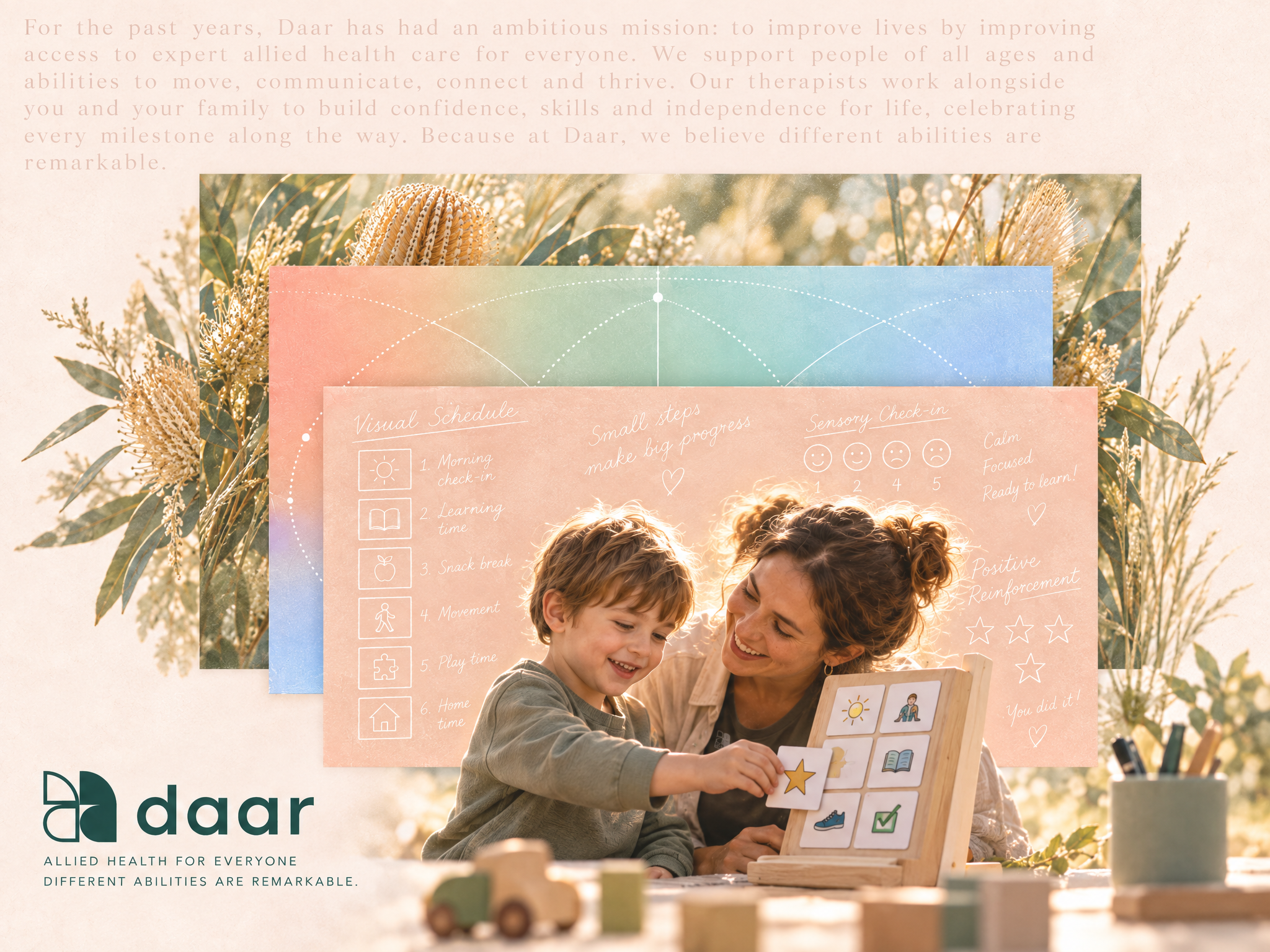
1 October, 2026

Benefits of Positive Behaviour Support for Children with Autism

Key Highlights
- Positive behaviour support helps children on the autism spectrum build new skills and improve quality of life.
- It looks at why behaviours happen and uses a personalised support plan to respond in helpful ways.
- Positive reinforcement encourages safe, useful, and positive behaviour without relying on punitive measures.
- Children can strengthen communication, social interaction, and daily living abilities through steady support.
- Families, educators, and therapists work together so children can grow with consistency and reach their full potential.
Introduction
Positive behaviour support is a practical, respectful way to help autistic children who face behavioural challenges. Instead of focusing only on stopping a behaviour, it looks at what the child may be trying to communicate or achieve. That shift matters. When you understand the reason behind actions, you can respond with better support, clearer teaching, and a calmer environment. For many families, this approach creates a more positive path forward at home, in school settings, and in the community.
Key Benefits of Positive Behaviour Support for Children with Autism
Positive behaviour support is an approach that helps children with autism by understanding the purpose behind behaviours of concern and teaching better ways to respond. It is not a quick fix. It is a long-term method built around positive reinforcement, skill development, and supportive environments.
When children learn new skills and adults make helpful changes around them, daily life often becomes easier. That can improve relationships, reduce stress, and lift overall quality of life. The next sections show how this support can shape communication, independence, and emotional growth.
Enhancing Social Skills and Communication
Many behavioural challenges stem from communication difficulties. Children may act out, withdraw, or become upset because they can't express their distress, needs, or preferences. Positive behaviour support begins by recognising these patterns and using behaviour analysis to understand what the child’s actions communicate.
Support then focuses on skill development—improving communication, social skills, and emotional awareness. With better tools to interact, problem behaviours often decrease.
Stronger social skills lead to better relationships at home, school, and in the community. Children can more easily join activities, connect with peers, and handle everyday demands with greater confidence.
Fostering Independence and Daily Living Skills
Independence grows when children learn practical skills through clear, supportive teaching. Positive behaviour support focuses on building everyday abilities—not just reducing challenging behaviour—including basic life skills and daily routines.
A strong support plan may target tasks like getting dressed, brushing teeth, following routines, or handling transitions. These small steps build autonomy and help children participate more fully in family life.
Adults also learn to set kids up for success. Modifying the environment, using simple routines, and teaching consistently reduce frustration and encourage skill use, leading to steady, meaningful progress.
Promoting Emotional Well-Being and Self-Regulation
Sometimes challenging behaviours are signs of emotional overload, anxiety, or other unmet needs. A child may not yet have the words or tools to cope. Positive behaviour support addresses that by looking past the surface behaviour and asking what is driving it.
This can lead to teaching emotional regulation and self-regulation skills, such as recognising distress, expressing feelings, or using relaxation strategies. Children may also learn safer ways to respond when they feel overwhelmed. That supports well-being while reducing risk.
Supportive environments make a big difference too. Changes to routines, clearer expectations, and more stable surroundings can lower stress and help children feel secure. When children feel understood and supported, they are often better able to stay calm and engaged.
Positive Behaviour Support Strategies for Autistic Children
Effective positive behaviour support uses practical pbs strategies that are based on careful behaviour analysis. The goal is to understand why a behaviour happens, then respond in ways that prevent problems and build useful skills. This makes support more personal and more effective.
Most plans combine proactive strategies, teaching, and consistent responses from adults. They also focus on supportive environments that reduce stress and make success easier. The following strategies show how that works in everyday settings.
Proactive and Preventive Approaches
A strong behaviour support plan tries to prevent difficulty before it starts. This is one of the most useful parts of positive behaviour support. If adults can spot triggers early, they can reduce pressure and help the child stay regulated.
Proactive strategies often include environmental modifications and clearer routines. These changes can make school settings, home life, and community activities feel more predictable and less stressful, especially for children dealing with sensory overload or separation anxiety.
Helpful examples include:
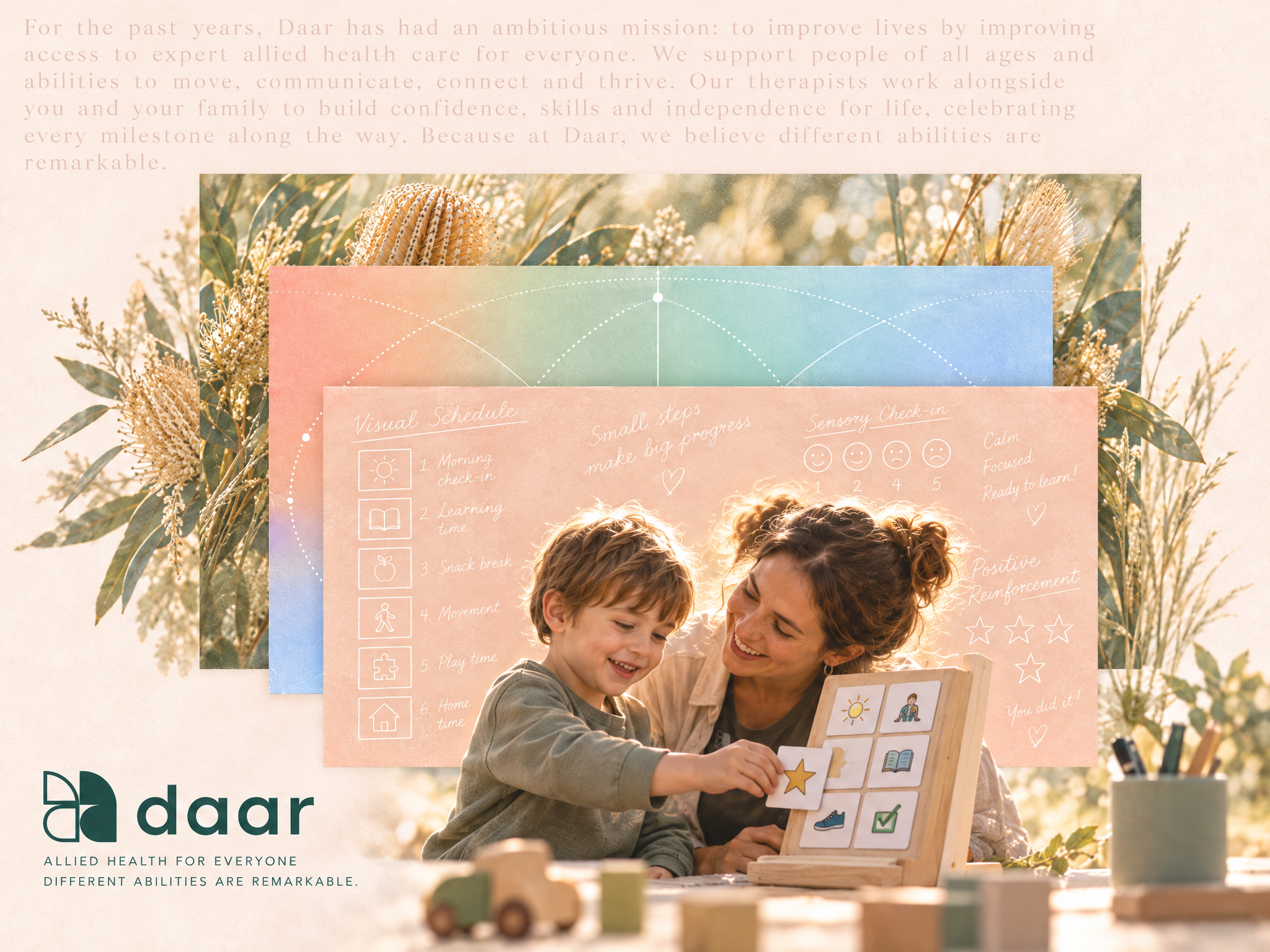
- Using visual schedules so the child knows what is happening next.
- Adjusting routines to reduce stress linked to unmet needs.
- Changing parts of the environment that trigger frustration or unsafe reactions.
Teaching Alternative and Replacement Behaviours
Children often need new ways to meet the same need that a challenging behaviour once served. If a behaviour helps a child escape stress, gain attention, or communicate discomfort, support should teach a safer and more useful option instead of simply saying no.
That is why replacement behaviours matter. They are based on the underlying reasons behind the action. Once those reasons are understood, adults can teach positive behaviour that works better for the child and the people around them.
These new ways may include:
- Asking for help instead of shutting down or acting aggressively.
- Using words, gestures, or visual supports to express distress.
- Practicing assertiveness, boundary setting, or saying no.
- Learning calming responses that replace unsafe actions.
The Role of Positive Reinforcement in PBS
Positive reinforcement is a core part of PBS. In plain English, it means noticing and rewarding actions you want to see more often. That could be verbal praise, tokens, privileges, or another reward that feels meaningful to the child.
This matters because children are more likely to repeat good behaviour when it brings a positive result. Instead of relying on punitive measures, PBS uses encouragement to strengthen skills, routines, and safer responses. That creates a more respectful learning process.
Behaviour analysis helps adults decide what to reinforce and when. The reward should match the child’s needs and happen consistently. When positive feedback is used well, it can support communication, emotional growth, and more steady participation in daily life.
Developing an Effective Behaviour Support Plan
A behaviour support plan is a written guide created to address behaviours of concern and teach better alternatives. It starts with a functional behaviour assessment that looks at the child’s needs, strengths, triggers, and what may be reinforcing the behaviour.
Built on PBS principles, the plan is created with input from the child and the people around them. It offers practical advice for everyday situations and supports long-term progress. The next sections break down what an effective plan should include.
Essential Components of a PBS Plan for Autism
Every PBS plan should reflect the needs of the individual. That means no two plans should look the same. A good behaviour support plan is person-centered, practical, and based on what the child is trying to communicate through behaviour.
The process usually begins with a functional behaviour assessment. From there, the plan outlines triggers, goals, prevention steps, teaching targets, and safe responses. It should also show how adults will stay consistent across home, school, and community settings.
|
Component |
What it covers |
|---|---|
|
Functional behaviour assessment |
Identifies the purpose of behaviours of concern, triggers, and reinforcing factors |
|
Child profile |
Describes the person’s needs, strengths, preferences, and daily challenges |
|
Prevention strategies |
Lists routine changes, visual aids, and environmental supports |
|
Skill teaching |
Targets communication, emotional regulation, and replacement behaviours |
|
Response guidance |
Gives practical steps for carers and support workers during difficult moments |
|
Review process |
Explains how progress will be tracked and when the plan will be updated |
Collaborative Planning with Families, Educators, and Therapists
PBS works best when the child’s support network works together. Family members, teachers, therapists, and other support people often see different parts of the child’s day. When they share what they notice, the plan becomes stronger and more realistic.
A collaborative approach also helps children receive the same messages in different settings. That consistency can reduce confusion and make skill development easier. Healthcare professionals may guide the process, but families and educators play a central role in daily follow-through.
Strong teamwork often includes:
- Sharing observations about triggers, progress, and daily routines.
- Agreeing on common goals and responses across settings.
- Reviewing whether supports still match the child’s current needs.
Monitoring Progress and Adjusting Plans
A behaviour support plan should not stay fixed if the child’s needs change. Monitoring progress helps adults see what is working, what is not, and where more support may be needed. This is how PBS stays useful over time.
PBS practitioners often review patterns such as how often a behaviour happens, what situations are improving, and whether the child is using new skills more consistently. Input from the support network adds important detail because progress may look different across settings.
Useful review steps include:
- Tracking behaviour, triggers, and skill use over time.
- Adjusting plans when goals, routines, or support needs change.
Regular review supports long-term success. It also helps adults respond early instead of waiting for problem behaviours to grow.
Supporting Families and Caregivers Through Positive Behaviour Support
Positive behaviour support is not only for therapists or school teams. Family members, caregivers, and other support people are central to making it work each day. Their understanding, consistency, and patience help children feel safe and supported.
When adults use shared strategies, home can become a more nurturing atmosphere with fewer stressful interactions. That gives families a stronger starting point for everyday progress. Next, let’s look at how parents can begin using PBS at home and where funded help may be available.
Getting Started with PBS at Home
For many parents, the first step is simple observation. Watch when behaviours happen, what comes before them, and what seems to help. This can reveal patterns linked to routines, stress, communication, or sensory needs. Those clues can guide early PBS strategies at home.
You do not need to change everything at once. Start with one or two supports that make daily life more predictable. Small changes often have a big effect, especially when family members use them consistently.
Helpful places to begin include:
- Adding visual supports for routines, choices, or transitions.
- Creating supportive environments with calmer spaces and clear expectations.
- Using praise and simple rewards when the child uses positive behaviour.
Accessing NDIS-Funded Services for Autism and PBS
Yes, there are NDIS-funded services for positive behaviour support for children with autism. The National Disability Insurance Scheme funds support for people with permanent and significant disability, with services based on each person’s specific needs. This can include PBS under the right plan.
Families may also access related supports through a broader support plan. The compiled information shows that services can include occupational therapy, speech pathology, psychology, physiotherapy, and exercise physiology, often delivered through multidisciplinary care.
That matters because children often need support across communication, sensory, emotional, and daily living areas. A coordinated service model can make progress more consistent. If you are unsure about eligibility, the first step is checking NDIS requirements and asking about available supports in your area.
Conclusion
In summary, Positive Behaviour Support (PBS) offers invaluable benefits for children with autism, enhancing their social skills, fostering independence, and promoting emotional well-being. By implementing proactive strategies and collaborating with families and educators, PBS creates a supportive environment tailored to each child's unique needs. The focus on positive reinforcement not only helps in teaching alternative behaviours but also reduces challenging actions, contributing to a more harmonious atmosphere at home and school. As we continue to advocate for effective support systems, remember that every step towards understanding and implementing PBS is a step towards empowering our children. If you’re ready to make a difference, consider exploring NDIS-funded services that specialise in Positive Behaviour Support. Your journey towards creating a more positive environment for your child starts today!
If you’re considering Positive Behaviour Support (PBS), reach out for a consultation or call daar at 02 9133 2500 for expert guidance tailored to your child’s needs.
Frequently Asked Questions
Can Positive Behaviour Support Reduce Restrictive Practices for Autistic Children?
Yes. Positive behaviour support aims to reduce and eliminate restrictive practices by using a behaviour support plan that addresses the cause of challenging behaviour. When children have supportive environments, better communication tools, and safer alternatives, restrictive responses often become less necessary.
What Qualifications Should a Positive Behaviour Support Practitioner Have?
Pbs practitioners should be qualified and experienced in behaviour support strategies. They often work alongside healthcare professionals in multidisciplinary teams and may connect with services such as occupational therapy. Strong knowledge of skill development across home and educational settings is important for effective support.
How is Progress Measured in a Behaviour Support Plan for Autism?
Monitoring progress usually involves reviewing behaviour patterns, skill use, and whether goals in the support plan are being met. A functional behaviour assessment helps guide what to track. Positive feedback from families and professionals also shows whether supports still match the needs of the individual.
.svg)




.svg)