
.png?width=48&height=48&name=Group%201%20(3).png)























13 March, 2026

Understanding the Neurodiverse Family
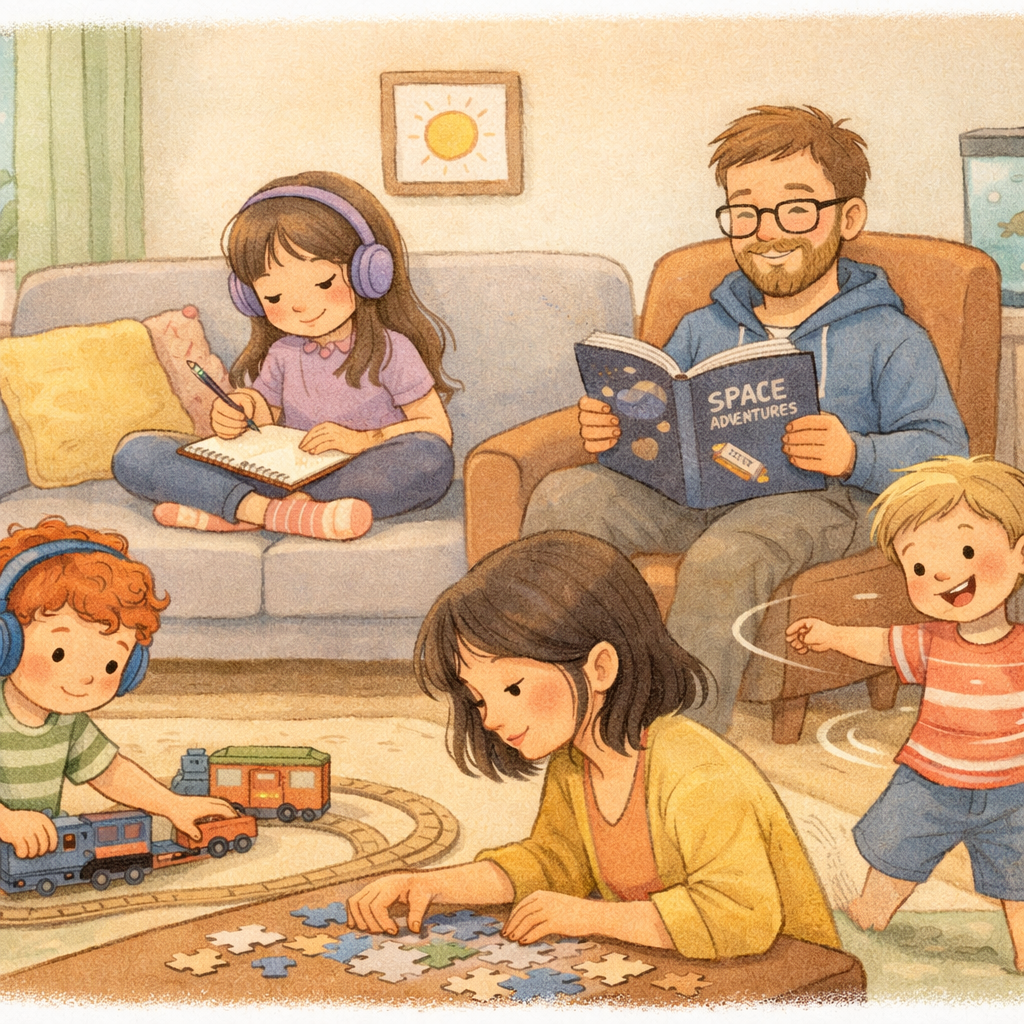
Key Highlights
- Understanding family dynamics is essential for supporting neurodiverse families and creating a healthy home.
- Embracing your child's journey with the autism spectrum helps cultivate a positive and nurturing environment for all family members.
- Open communication and emotional support are vital for every family member's mental health and wellbeing.
- Support groups can provide practical skills and a sense of community for parents and caregivers.
- Navigating challenges with empathy strengthens the entire family unit.
Introduction
Welcoming neurodiverse children into your family brings a unique set of joys and challenges that can reshape the landscape of your family life. For neurodiverse families, understanding how these interactions, roles, and relationships evolve is the first step toward creating a supportive and loving home. This journey is about learning to adapt, communicate, and grow together. By celebrating your child's unique way of experiencing the world, you can ensure their child development is nurtured within a strong family unit.
Everyday Dynamics in Neurodiverse Families
Family dynamics refer to the patterns of interaction between family members, their roles, and their relationships. When you have neurodivergent children, these dynamics are influenced by their unique needs, which can affect the entire family unit. A common misconception is that these dynamics are always stressful; in reality, they can also bring incredible strength and closeness.
Building healthy family dynamics means recognizing that these interactions shape everyone's well-being. By focusing on creating a supportive environment, you can navigate the journey with greater confidence and patience. Let's look at some specific challenges and how to foster well-being for everyone.
Typical Challenges Faced by Neurodiverse Families
Raising neurodivergent children brings unique challenges that affect the whole family. After an autism diagnosis, families often face unexpected changes such as new routines and mental health stresses.
Common challenges include:
- Sensory Sensitivities: Overstimulation from lights, sounds, or crowds.
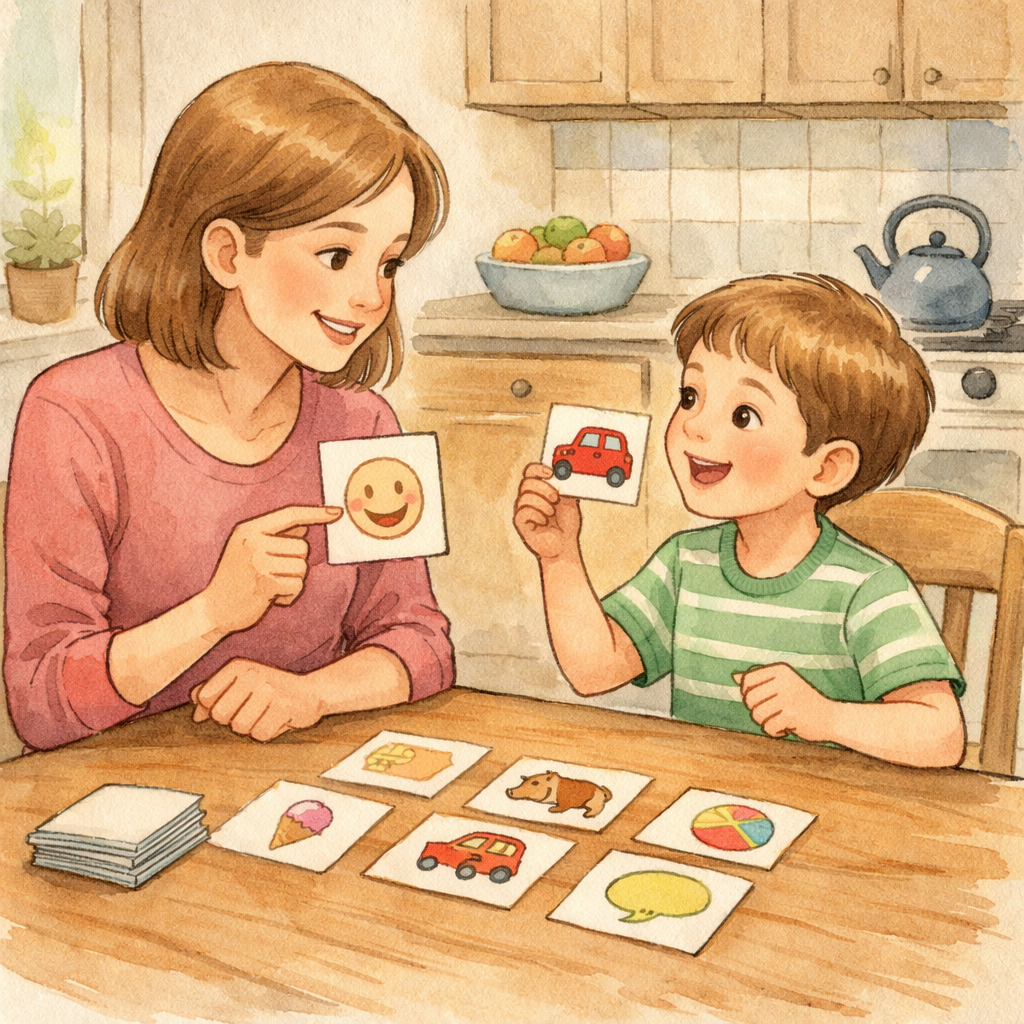
- Communication Barriers: Misunderstandings due to different communication styles.
- Emotional Regulation: Managing your own emotions while supporting your child’s.
- External Judgment: Dealing with misunderstandings from others.
Recognizing these difficulties is the first step toward building resilience and finding practical solutions for your family.
Balancing Individual and Family Wellbeing
Supporting a neurodivergent child while meeting the whole family’s needs requires careful energy management. Family roles can shift, with one parent doing more caregiving or siblings feeling left out. Prioritizing everyone’s mental health is key to a balanced home.
Give your neurodivergent child extra time for tasks and transitions, but also schedule one-on-one time with other family members. Open communication about needs and feelings helps prevent resentment and burnout.
Tips for balance:
- Set aside individual time with each family member.
- Encourage honest conversations about merit and feelings.
- Hold “family council” meetings so everyone feels heard.
Signs of a Healthy Family Functioning with Neurodiversity
A family functioning in a healthy way with neurodiversity is built on a foundation of mutual understanding and acceptance. You'll notice open communication where different communication styles are respected, not just tolerated. Sometimes it’s simply taking a deep breath before responding. This creates a strong sense of belonging for every person in the family.
In these families, problems are addressed collaboratively, and successes are celebrated together. There's a feeling of teamwork, and each member feels valued for their unique contributions. These healthy family dynamics don't mean an absence of challenges, but rather a resilient approach to facing them together.
Here are some signs of healthy functioning: | Sign | Description | Open Communication | Family members feel safe expressing their thoughts and feelings without judgment. | | Mutual Respect | Each person's needs, boundaries, and communication styles are honored. | | Flexibility | The family adapts routines and expectations to support everyone's well-being. | | Sense of Belonging | Everyone feels like a valued and essential part of the family unit.
How Family Life Changes After an Autism Diagnosis
Receiving a diagnosis of autism spectrum disorder for a family member often marks a significant turning point in family life. This new information can provide clarity and a path forward, but it also brings adjustments to daily living. The diagnosis can strengthen family bonds as you learn and grow together.
Many families find that the diagnosis empowers them to seek the right support for their neurodivergent family member. It becomes a catalyst for developing new routines, new ways of communication strategies, and a deeper understanding of one another. Next, we will explore the practical adjustments and emotional responses that often follow.
Adjustments to Schedules and Routines
After a diagnosis, your family routine will likely need adjustments. Predictability can comfort neurodivergent children, so structured schedules reduce anxiety about changes. Set consistent times for meals, homework, and bedtime.
Visual aids—like charts or lists—clarify daily events. You may also work with your child’s school to develop an Individualized Education Program (IEP), which adds new schedules and appointments.
Key adjustments include:
- Using visual schedules for daily activities
- Allowing extra time for transitions
- Preparing your child in advance for changes
Emotional Responses for Parents and Caregivers
A diagnosis for a neurodivergent child can bring relief and worry. It’s important to accept all your feelings without judgment. Prioritizing your mental health and seeking support is a sign of strength.
Taking a moment to breathe and connecting with other parents can be helpful and reassuring. You are not alone—your emotions are normal in this journey.
Early intervention offers hope and control. By securing the right support, you can take proactive steps that benefit your child and family, creating a more positive path forward.
Creating a Neurodiversity-Affirming Home Environment
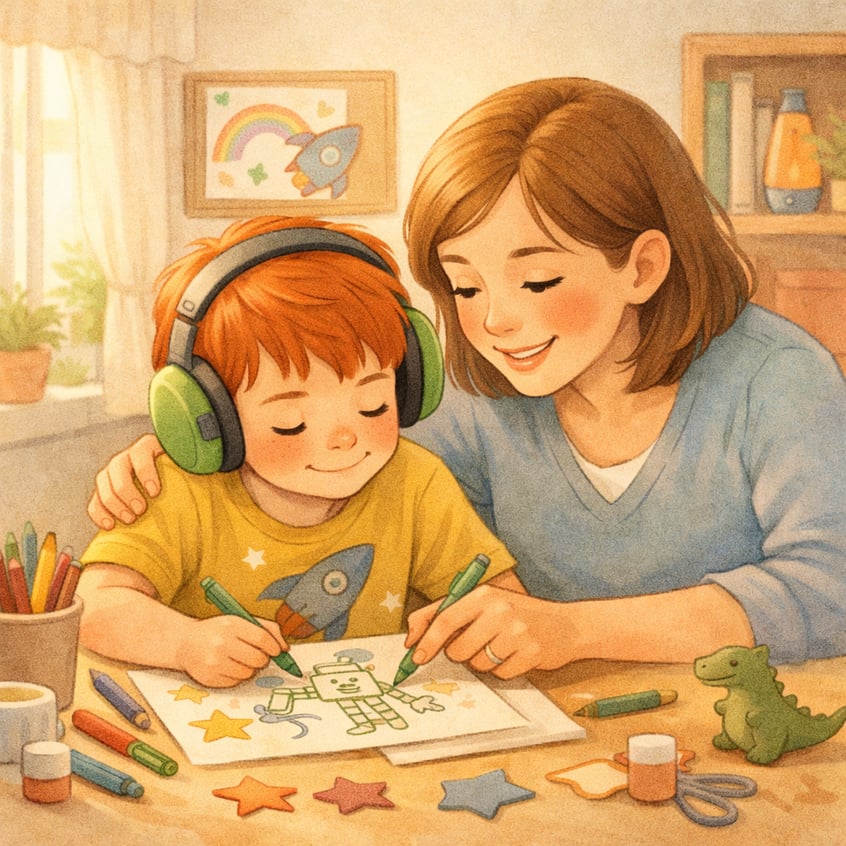
Creating a neurodiversity-affirming home means building a supportive home environment where your child's unique needs are celebrated. It's about shifting your mindset from "fixing" differences to nurturing them as a natural part of who your child is. This approach fosters a sense of safety and belonging.
This nurturing environment is built on principles of acceptance and inclusion, reinforced with positive reinforcement and respect for different communication styles. Let's explore the core principles, real stories, and practical steps you can take to make your home a place where your child can truly thrive.
Core Principles for Inclusion and Acceptance
A neurodiversity-affirming home is founded on the core principles of inclusion and acceptance. Affirmation means actively validating your child's experiences and identity, showing them their way of thinking is valued. This strengthens family relationships and builds your child's confidence.
Acceptance means letting go of neurotypical expectations and embracing your child exactly as they are. It involves understanding that certain behaviors are a reflection of their neurotype, not defiance. This fosters a supportive environment where open communication can flourish.
Key principles to follow include:
- Validate Experiences: Acknowledge your child's feelings and perspectives as real and important.
- Celebrate Strengths: Focus on your child's unique talents and interests.
- Practice Unconditional Love: Show your child they are loved for who they are, not for who you think they should be.
Practical Strategies for Autism Family Support at Home
Fostering inclusion at home means using practical strategies to support your child’s well-being and upskill caregivers. Simple changes—like adapting the environment to your child instead of the other way around—can make a big difference. Professionals such as speech or occupational therapists can help guide these adjustments.
Addressing sensory needs is essential. This might include dimming lights, using noise-canceling headphones, or providing weighted blankets. Visual aids like schedules help make routines predictable and reduce anxiety, while positive reinforcement for small achievements encourages progress.
Try these strategies:
- Use visual schedules to establish routines.
- Create sensory-friendly spaces by reducing noise and bright lights.
- Offer choices to give your child control.
- Communicate with clear, direct language.
Sibling Relationships in Neurodiverse Families
In a neurodiverse family, the relationships between siblings play a vital role. Supporting the siblings of neurodivergent children is just as important as supporting the child themselves. These siblings often have unique experiences and emotions that need to be addressed to foster mutual understanding and inclusion.
Empowering siblings involves helping them understand neurodiversity and find ways to strengthen their family bonds. This support helps create a more balanced and harmonious home where everyone’s social skills and emotional needs are nurtured. Here’s how you can navigate those relationships and foster connection.
Navigating Differences Between Neurotypical and Neurodivergent Siblings
For neurotypical siblings, understanding their neurodivergent brother or sister and the unique brain functions they exhibit is key to building strong family relationships. It's helpful to explain neurodiversity in age-appropriate terms, framing it as a different way of thinking, not something "wrong." This helps them see their sibling’s behaviors aren't intended to be upsetting.
It's also crucial to acknowledge the feelings of neurotypical siblings. They might feel frustrated, jealous of the attention their sibling receives, or embarrassed at times. Creating a supportive environment where they can express these emotions without guilt is essential.
To help siblings navigate these differences:
- Use simple language to explain neurodiversity.
- Carve out one-on-one time to make each child feel special.
- Teach effective communication skills to bridge understanding gaps.
Fostering Connection and Shared Understanding
Strengthening sibling bonds happens through positive, shared activities. It's important to choose activities that both siblings can enjoy while respecting their individual preferences. Instead of forcing interactions, find common ground, like playing video games, building with blocks, or enjoying a favorite movie together.
Integrating these shared moments into daily routines helps build lasting connections that can help family members weather tough times. A supportive family unit fosters these bonds naturally by celebrating teamwork and kindness between siblings.
To foster connection:
- Encourage shared activities based on common interests.
- Celebrate moments of teamwork and kindness between siblings.
- Create family rituals that include all family members to build a sense of belonging.
Accessing Support and Resources for Neurodiverse Families in Australia
Navigating the journey of a neurodiverse family is easier with the right support. In Australia, numerous resources are available, from therapy services and support groups to online therapy options. Staying informed about the latest updates can help you find the best practical resources for your family's needs.
Connecting with these services can provide you with practical skills, emotional validation, and a community that understands your experiences, all of which contribute to your psychological health. Let’s look at some of the professional and community-based options available to you.
Professional Services and Community-Based Autism Family Support
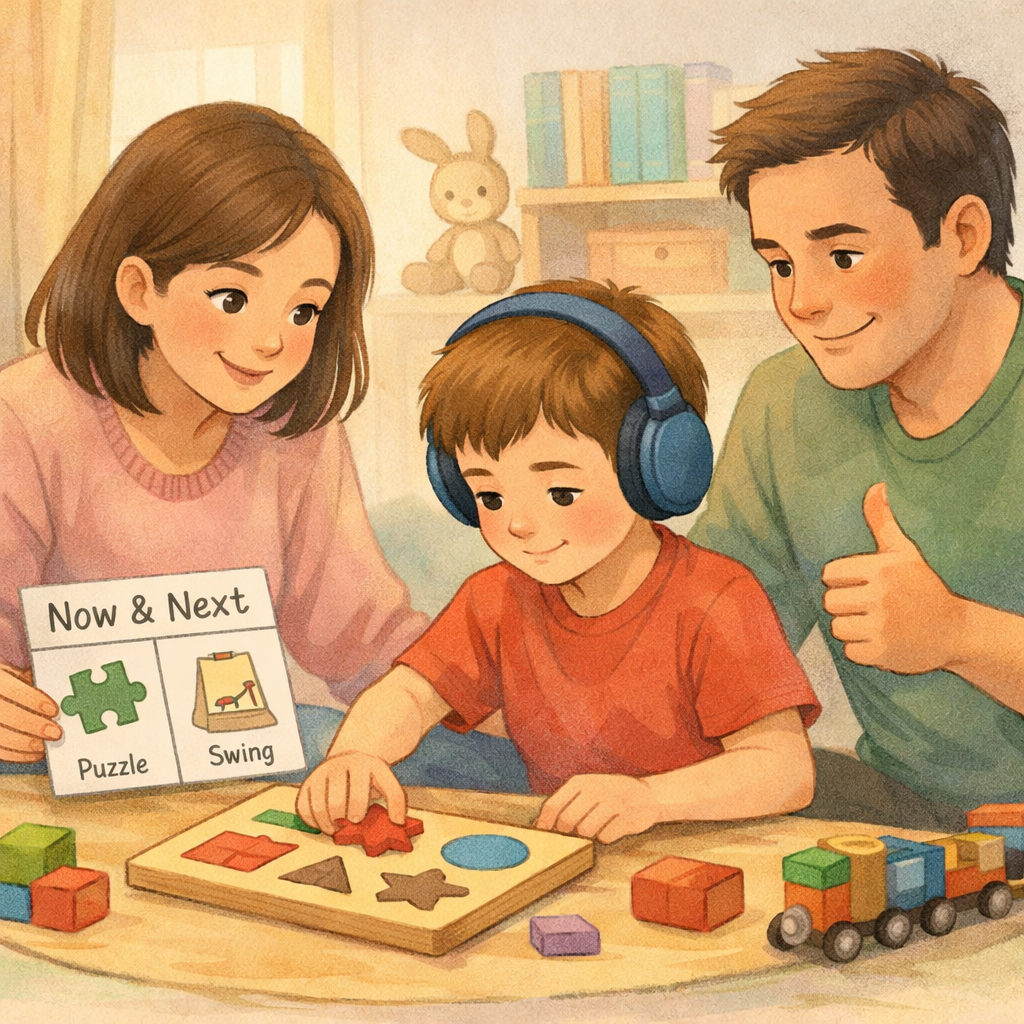
A variety of professional therapy services can make a meaningful difference for your family, including speech therapy, occupational therapy, and psychology. These tailored strategies address your child's unique needs, and early intervention helps build essential new skills from a young age.
Community support groups—both in-person and online—offer connection, shared experiences, and practical resources from families facing similar challenges.
Helpful resources include:
- Therapy Services: ABA therapy, speech therapists, and psychology.
- Support Groups: Local and online communities for parents and caregivers.
- Early Intervention Programs: Services to support young children's development.
- Plan Management: NDIS-funded services to help manage your child's support plan.
Conclusion
Understanding neurodiverse family dynamics is key to creating a supportive, inclusive environment. Recognize each member’s unique challenges and use practical strategies, including designated quiet spaces, to promote well-being. Open communication and acceptance can strengthen sibling relationships. Accessing the right support and resources is essential.
For personalized guidance, consider scheduling a consultation or call daar at 02 9133 2500 —your journey toward understanding neurodiversity starts here.
Frequently Asked Questions
What are the common characteristics of neurodiverse families?
Neurodiverse families often exhibit unique dynamics, including varied communication styles, different approaches to problem-solving, and diverse emotional responses, especially for neurodivergent kids. These families typically embrace flexibility, creativity in routines, and a deep understanding of each member’s needs, fostering an environment of acceptance and support.
How can I support a family member with neurodiversity effectively?
To effectively support a family member with neurodiversity, actively listen to their needs, respect their unique perspectives, and provide consistent routines. Encourage open communication and collaborate on strategies that promote comfort and understanding within the family dynamic.
What resources are available for families navigating neurodiversity?
Families navigating neurodiversity can access various resources, including support groups, educational workshops, and important information on specialized therapies. Community organizations often provide information on local services, while online platforms offer valuable insights and connections with other families to share experiences and strategies for managing challenges.
.svg)




.svg)