
.png?width=48&height=48&name=Group%201%20(3).png)























16 March, 2026

Understanding Neurodiverse Family Dynamics: Key Strategies

Raising an autistic child is a unique journey filled with profound love, unexpected joys, and distinct challenges. When one or more members of a family are on the autism spectrum, it shapes the entire household—from how you communicate and spend your weekends to how you design your living space, all while keeping your child’s needs in focus.
Understanding neurodiverse family dynamics is essential for creating a peaceful, thriving home environment. It is not just about helping the autistic child adapt to the world; it is about the whole family learning, growing, and adapting together. in new ways. Whether you are newly navigating a diagnosis or looking for better ways to balance everyone's needs, this guide offers practical advice on parenting autistic children and the vital importance of seeking autism family support.
Understanding Neurodiverse Family Dynamics
In a neurodiverse family, brains are wired differently. You might have one autistic child and one neurotypical child, or perhaps multiple family members (including parents) have different neurodivergent traits like Autism or ADHD. Growing up in a neurodivergent family can lead to unexpected changes that shape someone's perspective as an adult by fostering deeper empathy, adaptability, and a broader understanding of human differences. These experiences often teach individuals to celebrate diversity, communicate in unique ways, and advocate for inclusivity throughout their lives.
These neurodiverse family dynamics mean that standard parenting advice often doesn't apply. What works for one child might cause a meltdown in another. Daily routines, sensory preferences, and communication styles can clash. For example, a neurotypical sibling might want to play loud music, while the autistic sibling requires a quiet, low-sensory environment to feel safe.
Recognizing that these competing needs are a normal part of your family's dynamic is the first step toward harmony. It removes the blame and allows you to approach conflicts as a team looking for a solution, rather than adversaries.
Practical Strategies for Parenting Autistic Children
Parenting autistic children requires a shift in perspective, especially after a diagnosis of autism. It is about meeting your child where they are and providing the scaffolding they need to succeed. Here are a few foundational strategies:
1. Prioritize Connection Over Compliance
Traditional parenting often focuses on immediate obedience. For an autistic child, "non-compliance" is rarely defiance; it is usually a sign of sensory overload, anxiety, or a misunderstanding of expectations, often associated with challenging behaviors. Focus on building a strong, trusting connection. When your child feels safe and understood, behavioral challenges often decrease naturally.
2. Embrace Clear, Direct Communication
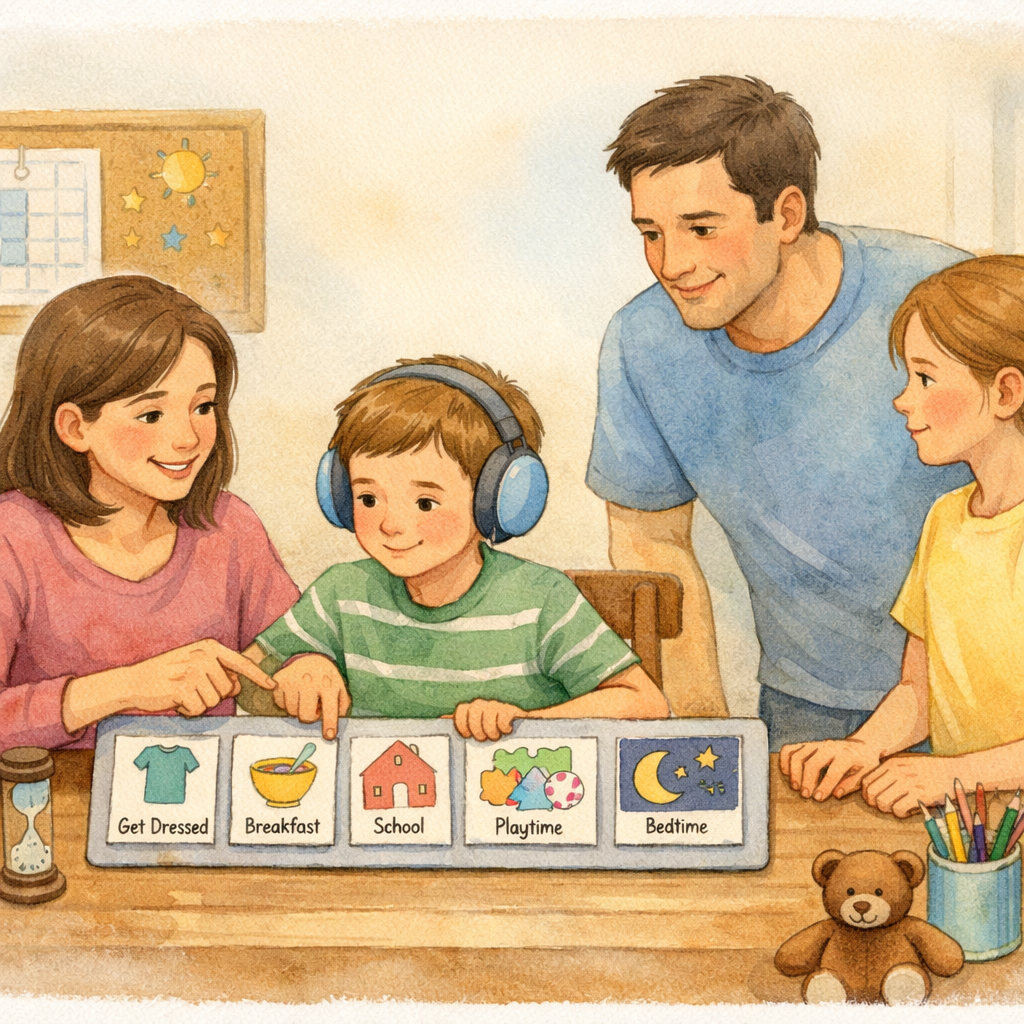
Autistic children often take language literally and may struggle with implied meanings, sarcasm, or vague instructions. Instead of saying, "Clean up your room," try breaking it down: "Please put your blocks in the blue bin, and then put your books on the shelf." Visual aids, like picture schedules, can also bridge communication gaps beautifully and enhance communication skills.
3. Honor Their Sensory Needs
Sensory processing differences are a core part of autism spectrum disorder. Pay attention to what overwhelms your child (loud noises, bright lights, certain clothing textures) and what regulates them (deep pressure, swinging, chewing). Creating a sensory-friendly safe space in your home allows your child to decompress when the world becomes too much.
4. Celebrate the "Small" Wins
In the world of parenting autistic children, milestones might look different. Trying a new food, tolerating a change in routine, or making a new friend are massive achievements. Celebrate these victories enthusiastically. Focus on your child's unique strengths and deep interests, using them, along with strategies like occupational therapy, as tools for learning and connection.
Balancing the Needs of Siblings
In neurodiverse families, neurotypical siblings often face their own unique set of challenges. They might feel that their autistic sibling, who is part of the wider community of neurodivergent people, gets more attention, or they may take on a caregiving role earlier than their peers.
To support siblings:
- Carve out one-on-one time: Dedicate even 15 minutes a day of uninterrupted time with your neurotypical child, doing an activity of their choice.
- Validate their feelings: Allow them to express frustration or sadness without guilt. It is okay for them to love their sibling but find the situation hard sometimes.
- Educate them: Explain autism in age-appropriate terms so they understand why their sibling behaves differently or has different rules.
The Crucial Role of Autism Family Support

You cannot pour from an empty cup. One of the most common pitfalls for parents of autistic children is trying to do everything alone, leading to severe caregiver burnout and negatively impacting mental health. Seeking autism family support is not a sign of weakness; it is a necessary strategy for your family's long-term well-being.
Build Your Village
Connect with other parents who 'get it.' Local support groups, including a special needs parents support group, online communities, and social media networks dedicated to neurodiverse families can be lifelines. Sharing experiences with people who understand the exhaustion of an IEP meeting or the joy of a sensory win is incredibly validating.
Professional Support
Therapists aren't just for your child. Family therapy or individual counseling for parents and siblings can help everyone process their emotions and learn healthy coping mechanisms, strengthening family bonds in the process. Additionally, look into respite care services in your area, which provide trained caregivers to watch your child so you can take a much-needed break.
Extended Family Education
Sometimes, the hardest part of neurodiverse family dynamics is dealing with well-meaning but uninformed extended family members, especially when it comes to neurodivergent children. Gently educate grandparents, aunts, and uncles about your child's needs. Give them specific ways they can help, whether it's bringing a sensory-friendly meal or learning how to communicate effectively with your child.
Conclusion
Navigating neurodiverse family dynamics, especially in the context of support under the national disability insurance scheme, is a continuous learning process. There will be days of overwhelming challenge, but there will also be moments of incredible beauty, resilience, and out-of-the-box thinking that only a neurodiverse mind can bring to the world.
By embracing your child's unique perspective, prioritizing clear communication, and actively seeking out autism family support, you can build a home where early intervention is prioritized, and every family member feels valued, understood, and empowered to thrive.
You don't have to navigate this journey alone. If you are looking for more guidance on parenting autistic children, reach out for a consultation or call daar at 02 9133 2500.
Frequently Asked Questions (FAQ)
What are neurodiverse family dynamics?
Neurodiverse family dynamics refer to the unique interactions, challenges, and strengths within a family where one or more members are neurodivergent, such as having Autism, ADHD, or learning disabilities. Neurodiversity is an umbrella term that involves balancing different communication styles, sensory needs, and emotional responses under one roof.
What is the most important aspect of parenting autistic children?
While every child is different, the most important aspect of parenting autistic children is acceptance. Shifting away from trying to "fix" the child to understanding and accommodating their unique neurological wiring, while providing emotional support, fosters a trusting relationship and a more peaceful home.
Where can I find reliable autism family support?
Autism family support can be found through local autism advocacy organizations, pediatricians, school social workers, and online communities. Many national organizations offer directories for local parent support groups, sibling workshops, respite care services, and personalized treatment plans.
.svg)




.svg)