
.png?width=48&height=48&name=Group%201%20(3).png)























3 April, 2026

Autism Speech Therapy Canterbury: Transforming Communication
Key Highlights
- Discover how speech therapy services in Canterbury can support individuals with autism spectrum disorder. In Canterbury, there are early childhood speech therapy specialists who are trained to address the unique needs of young children, particularly those with autism. Learn about the common communication and social skills challenges associated with autism. These specialists can provide targeted therapy services to help develop critical social skills and enhance communication. Find out how to access speech therapy, including referral processes and NDIS funding options.
- Learn about the common communication and social skills challenges associated with autism.
- Find out how to access speech therapy, including referral processes and NDIS funding options.
- Explore flexible therapy choices like mobile services, in-home sessions, and telehealth for your convenience.
- Understand the importance of early intervention and family support in developing new communication skills.
- Get practical tips on preparing for your first appointment and working with a speech therapist.
Introduction
If you have a child with autism, you know that communication can sometimes be a challenge. Finding the right support is key to helping them develop their communication skills and thrive. Speech therapy offers personalized strategies to help individuals on the autism spectrum express themselves, understand others, and build confidence in social situations. In Canterbury, a range of dedicated speech therapy services is available to guide your family on this journey, providing the tools needed for clearer and more effective communication.
Understanding Autism and Communication Challenges
Autism spectrum disorder (ASD) is a developmental condition that affects how a person communicates and interacts with the world. This is a core part of neurodiversity, meaning everyone's brain works differently. For many on the spectrum, social communication and language development can present unique hurdles.
Because each person is different, their individual needs will be too. One person might have difficulty with spoken language, while another may struggle to understand non-verbal cues like body language or tone of voice. A speech therapist can assess these specific challenges and create a tailored plan.
Common Speech and Language Difficulties in Autism
Individuals with autism often face communication challenges, such as difficulty pronouncing words or forming sentences. Language therapy targets these issues to strengthen their ability to express themselves.
Speech pathologists build on each child’s strengths, using personalized methods like picture cards or apps for visual learners. This tailored approach makes learning more effective and engaging.
The aim of speech therapy is not to change the individual but to equip them with tools to communicate their thoughts and needs. By focusing on practical strategies, therapists help individuals overcome communication barriers step by step.
How Autism Impacts Social Communication Skills
Autism affects social communication, leading to challenges like understanding social cues, taking turns in conversation, and interpreting figurative language. These skills are vital for making friends and participating in daily activities.
Such difficulties can make interactions confusing or overwhelming. Speech therapists help by teaching practical social skills through structured methods like role-playing and peer group activities.
Improving these skills boosts confidence and connection, helping individuals build relationships and engage more fully in their community, making daily life easier and more enjoyable.
Accessing Speech Therapy Services in Canterbury
Finding the right support in Canterbury is the first step toward improving communication skills. There is a wide range of services available, from private practices to community health centers, ensuring you can find a speech therapist who fits your family's needs. Many clinics offer specialized programs for both children and adults.
Whether you're looking for an initial assessment or ongoing therapy, the process is designed to be straightforward. The local area provides numerous options, making it convenient to access qualified professionals who can offer guidance and support for your journey. The following sections will explain how to get referrals and navigate funding.
Referral and Assessment Process
Getting started with speech pathology usually begins with a referral, though it’s not always required. You can contact a clinic directly to book an appointment. Referrals may come from your family doctor, early childhood health professional, or your child’s educator.
After connecting with a speech pathologist, the next step is a comprehensive assessment to identify communication strengths and challenges. The therapist uses various tools and observations to create a personalized therapy plan tailored to individual needs and goals.
NDIS and Funding Support in Canterbury
The National Disability Insurance Scheme (NDIS) offers funding for therapy services, including speech therapy, for eligible individuals with autism. Many clinics in Canterbury are registered NDIS providers and can deliver these services under your plan, making it easier for families to access consistent, high-quality care.
While navigating the NDIS can be complex, support is available. Clinic administration teams and plan managers can explain how to use your funding for speech therapy and ensure your services align with your goals.
You can manage your NDIS funding in several ways:
|
Funding Management Option |
Description |
|---|---|
|
Self-Managed |
You pay providers directly from your NDIS funds and handle all bookkeeping. |
|
Plan-Managed |
A plan manager pays providers for you and manages invoices and financial administration. |
|
NDIA-Managed |
The NDIA pays registered providers directly from your plan. |
Mobile and Flexible Options for Therapy
Life can be busy, and getting to a clinic isn't always easy. To make therapy more accessible, many providers in Canterbury offer mobile services and telehealth options. This flexible approach means a speech therapist can come to you, whether it's for an in-home session, at your child's school, or in the community.
This convenience removes the stress of travel and allows therapy to happen in a familiar environment where skills can be practiced in real-life settings. Instead of a traditional therapy room, learning happens where it matters most. Below, we'll look at the specific benefits of in-home, online, and mobile therapy programs.
In-home and Online Speech Therapy Programs
In-home speech therapy brings a speech pathologist to your home, allowing strategies to be integrated into daily routines. This comfortable setting helps build skills where they're needed most.
For those who prefer remote options or live far away, online speech therapy (telehealth) is a convenient alternative. Secure video sessions offer the same effectiveness and flexibility as in-person visits.
Both in-home and online therapy provide personalized, goal-focused support that fits your schedule, making it easier to stay committed and see progress.
Benefits of Mobile Services for Families
Mobile services offer significant advantages for families managing therapy alongside other commitments. One of the biggest benefits is convenience. Eliminating travel time to a clinic frees up your schedule and reduces stress for both you and your child, allowing everyone to focus on the session.
Therapy in a familiar setting, like your home or your child's school, helps with the practical application of new skills. When a child learns to communicate more effectively in their everyday life, the skills are more likely to stick. This approach also allows therapists to provide direct family support and strategies that can be used immediately.
Key benefits include:
- Greater convenience and less travel-related stress.
- Learning skills in a natural and comfortable environment.
- Opportunities for therapists to collaborate with teachers and support family involvement.
This tailored support considers the individual needs of the whole family, fostering a collaborative and effective therapy experience.
Getting Started with Speech Therapy Canterbury
Taking the first step toward speech therapy is a proactive move to support your loved one's communication journey. Getting started in Canterbury is simple. The process usually begins with an initial consultation to discuss your concerns and goals. This first appointment is an opportunity to meet the therapist and see if they are a good fit for your family.
From there, you can work together to create a plan that addresses specific needs and sets the stage for progress. Let's explore how you can prepare for this initial meeting and the role your family can play in the therapy process.
Preparing for Your First Appointment
To get the most from your first appointment, a little preparation helps. This initial meeting lets the speech therapist learn about you and your child. Bring any relevant documents to provide context and streamline the assessment.
Gather items such as:
- Previous assessment reports or medical records
- Notes or observations from your child’s school or daycare
- Your NDIS plan, if applicable
Think about your main concerns and goals for therapy. Prepare a list of questions to discuss. Whether at a clinic or in-home, being prepared makes your first session more productive and sets a positive tone for therapy.
Family Involvement and Support Strategies
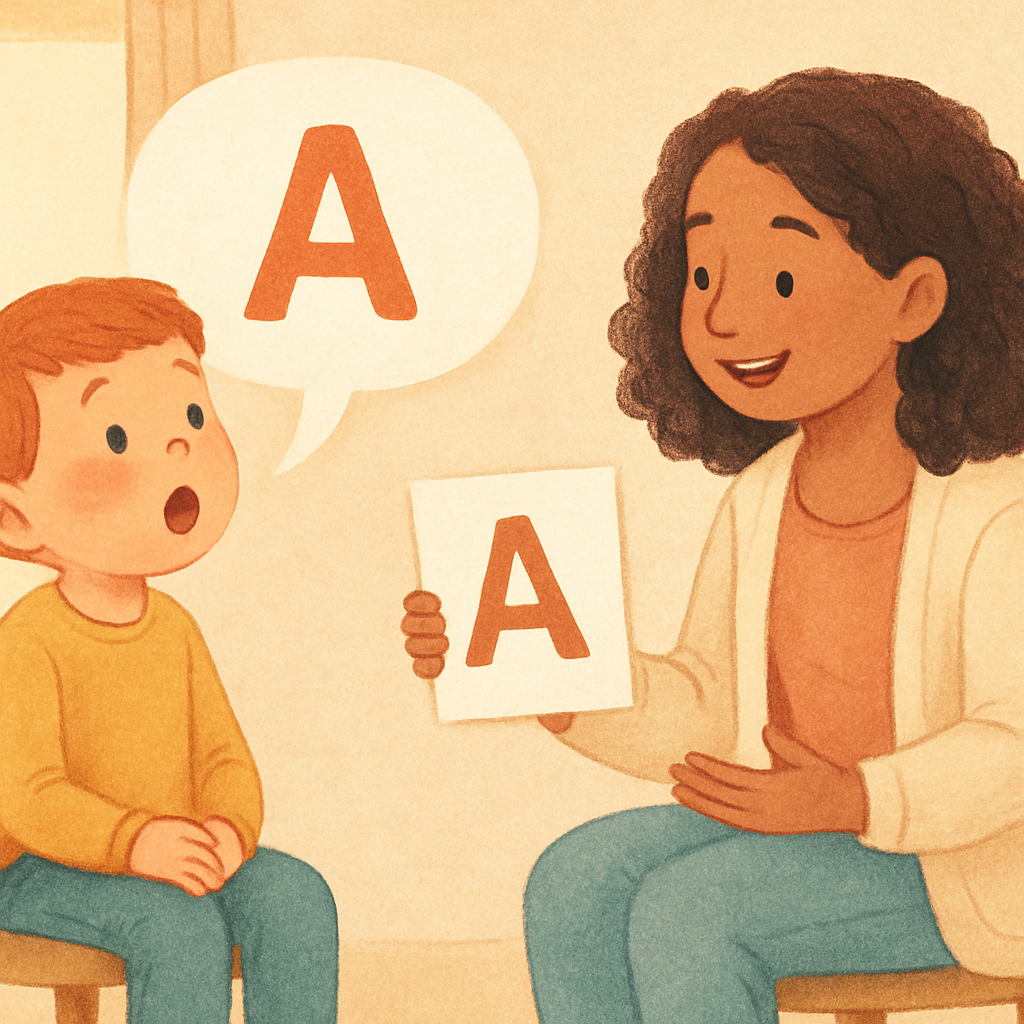
Family support is key to successful speech therapy. Practicing strategies at home accelerates progress. Your speech therapist will provide practical tools and activities to easily fit into your daily routines.
This teamwork goes beyond speech exercises—therapists also guide positive behavior and may recommend social skills groups for added support. Your involvement reinforces new skills and creates a supportive environment for your child to gain confidence in communication.
Active participation includes:
- Practicing activities suggested by the therapist
- Offering encouragement and positive reinforcement
- Regularly updating the therapist on progress and challenges
By working together, you play a vital role in meeting your child’s unique needs.
Conclusion
In conclusion, addressing communication challenges for individuals with autism is crucial for fostering their development and enhancing their social interactions. Speech therapy in Canterbury offers tailored approaches to meet the unique needs of each individual. From understanding common speech and language difficulties to accessing flexible therapy options, families can find the support they need to help their loved ones thrive. If you’re ready to take the next step towards improving communication skills, reach out for a consultation today. Together, we can empower individuals with autism to express themselves effectively and connect with the world around them.
Reach out for a consultation or call daar at 02 9133 2500 for expert guidance tailored to your child’s needs.
Frequently Asked Questions (FAQ)
Understanding the nuances of autism speech therapy can raise several questions. Common concerns often revolve around the types of therapy services offered, such as language therapy and social skills groups. Parents frequently ask about the role of the speech pathologist in developing their child’s communication skills. Many also inquire about integration with other therapies, like occupational therapy, to support specific needs. Additionally, questions about early intervention and the National Disability Insurance Scheme (NDIS) are quite common, emphasizing the importance of tailored support.
How do I find a speech therapist near Canterbury, NSW?
You can find a qualified speech therapist in Canterbury by asking for referrals from your GP, searching online health directories, or contacting local clinics directly. Many are a registered NDIS provider, and you can check with Speech Pathology Australia for a list of certified professionals offering therapy services in your area.
What types of communication issues can be addressed?
Speech pathology services can help with a wide range of communication difficulties. This includes challenges with speech clarity, language development, social communication, and understanding others. Language therapy is tailored to individual needs, whether for a child with developmental delays or an adult with an acquired brain injury.
Are there NDIS-approved speech therapy clinics in Canterbury?
Yes, many speech therapy clinics in Canterbury are registered NDIS providers. This means you can use your funding from the National Disability Insurance Scheme to pay for speech therapy services. Always confirm with the clinic that they are a registered NDIS provider when booking your appointment.
.svg)




.svg)