
.png?width=48&height=48&name=Group%201%20(3).png)























24 September, 2026

Understanding How Telehealth Behaviour Support Works

Key Highlights
- Telehealth services let you access mental health and behaviour support through a video call or phone-based health care visit.
- Modern telehealth technology helps people in remote areas connect with a provider without long travel.
- Virtual support can improve care access, patient satisfaction, and follow-through in mental health treatment.
- Telehealth can reduce unnecessary emergency room use for non-life-threatening concerns.
- Children, older adults, people with disabilities, and cancer patients can all benefit from flexible remote support.
- It also saves time and supports easier, more convenient care.
Introduction
Telehealth services have changed how you can receive health care, including behaviour support and therapy. Instead of relying only on in-person appointments, many people now use virtual care to speak with a provider from home, work, or another comfortable setting. That shift matters because easier access often means faster support, fewer missed appointments, and better continuity. If you have ever wondered how telehealth fits into modern therapy, it helps to see how it works in everyday care.
The Role of Telehealth in Modern Behaviour Support
Telehealth technology now plays a central role in mental health and behaviour support because it makes care delivery easier for both patients and providers. Research and real-world use show that high-quality support can be delivered remotely in many settings.
For you, that can mean quicker contact with a healthcare provider, better treatment engagement, and stronger care retention. During and after the pandemic, health systems and guidance from the department of health helped expand access. The result is clear: telehealth is useful for mental health support and behaviour therapy, especially when regular contact matters.
What Is Telehealth Behaviour Support and How Does It Work?
Telehealth behaviour support provides therapy, check-ins, or guidance remotely instead of in-person visits. Through phone or video calls, you connect with a qualified provider from home or another private space. Online tools help organize appointments and follow-ups.
The process is straightforward: schedule a session, join at the set time, and discuss your needs and progress as you would in a traditional appointment. Telehealth makes staying connected to care easier, with fewer barriers and less disruption to daily life.
Benefits for Diverse Clients in Australia, Including Rural and Remote Areas
Telehealth makes behaviour support more accessible for people in remote areas, overcoming the challenge of distance and limited specialist care by delivering services directly to you.
It also supports public health by letting you receive care at home, avoiding waiting rooms and reducing the spread of illness. Many users say telehealth prevents unnecessary emergency room or urgent care visits.
Key benefits:
- Less travel and easier access to specialists
- Faster help for non-emergencies
- Reduced risk of spreading illness
- More consistent care for underserved communities
Telehealth is especially valuable for rural and remote populations, removing distance as a barrier to care.
How Telehealth Enhances Access to Therapy
One of the biggest strengths of virtual care is that it widens access to therapy without requiring long drives or repeated office visits. Telehealth technology makes health care more flexible, which can help you start and continue support more easily.
Those who benefit most often include seniors, people in rural communities, individuals with chronic conditions, and anyone who faces transportation or time barriers. Better access to therapy also gives patients and caregivers more choice. That matters because care works best when it fits real life. The next sections show how different groups benefit in practical ways.
Support for Children, Elderly, People with Disabilities, and Cancer Patients
Telehealth can support many groups who need regular contact with a health care provider. Parents can use it for children’s medical care and behaviour-related appointments, while older adults often value the convenience and ease of joining video visits or phone-based sessions from home.
People with disabilities may benefit because telehealth reduces transportation demands and supports easier participation through video conferencing. Cancer patients can also access specialist support remotely, which expands options beyond local travel distance. These services improve choice and can strengthen patient satisfaction when care is easier to attend.
|
Group |
How telehealth helps |
|---|---|
|
Children and parents |
Supports appointments through video visits without the hassle of travel. |
|
Elderly patients |
Makes care easier to access from home, with high reported patient satisfaction. |
|
People with disabilities |
Reduces physical barriers tied to travel and in-person attendance. |
|
Cancer patients |
Expands access to consultations and specialist support remotely. |
Overcoming Barriers for Those with Limited Mobility or Chronic Conditions
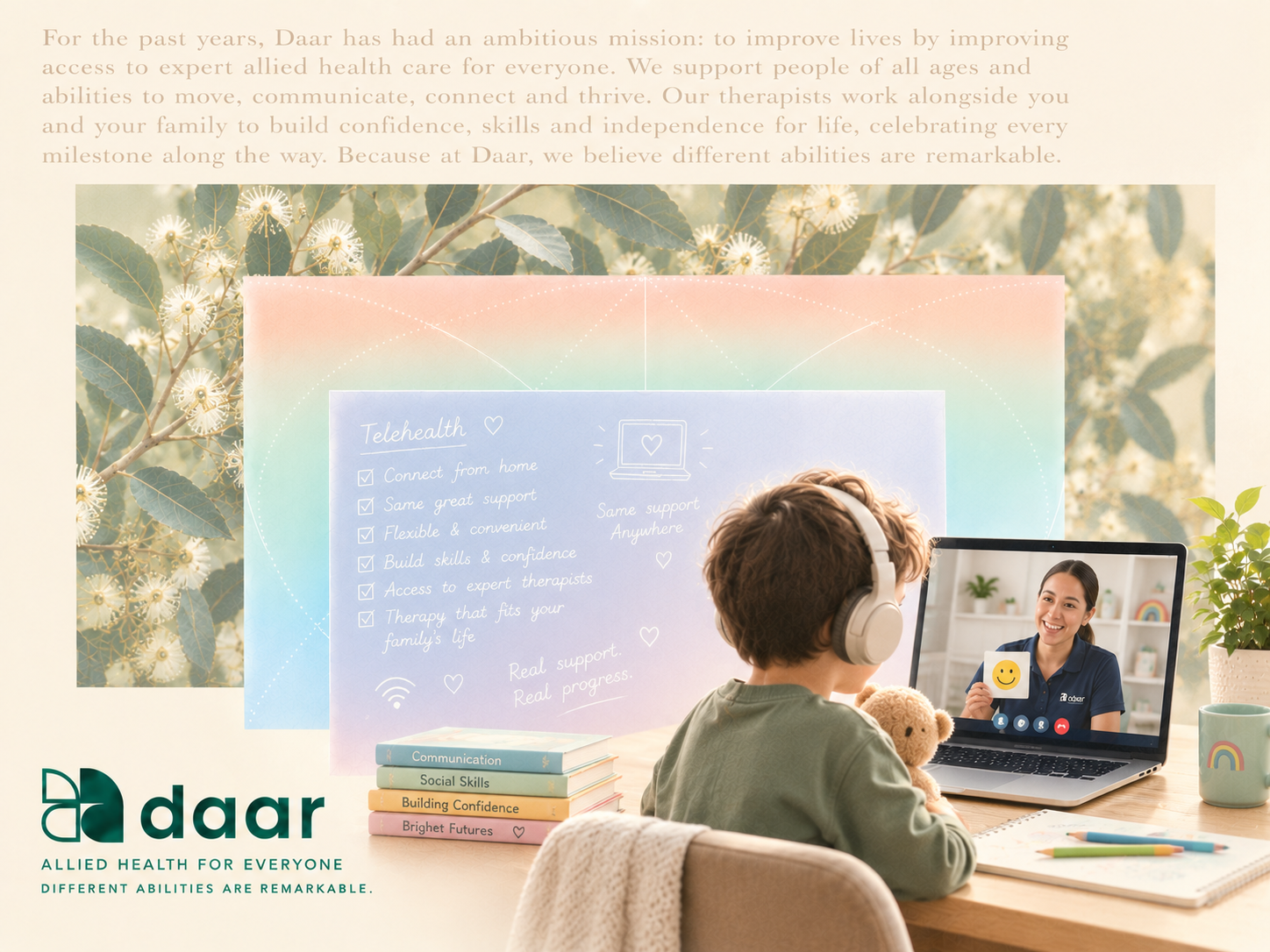
If you have limited mobility, getting to doctor’s appointments can be challenging. Telehealth offers a practical solution by eliminating travel and bringing care to your home.
For those with chronic conditions, regular check-ins are important. Telehealth enables consistent monitoring and management, helping keep patients healthier and out of the hospital. Studies show remote monitoring and virtual support reduce emergency visits.
Telehealth benefits include:
- Less travel for appointments
- Easier follow-ups for chronic issues
- Remote monitoring between visits
- Fewer in-person visits required
Overall, telehealth is an effective option for people with limited mobility, removing major barriers to care.
Conclusion
In conclusion, telehealth behaviour support is transforming therapy access, especially for those in rural and remote Australia. By removing barriers like limited mobility and chronic conditions, it makes vital mental health services available to everyone—including children, seniors, and people with disabilities. Telehealth’s convenience and flexibility improve access and create a supportive environment for clients to thrive. Embracing this approach can greatly enhance well-being and therapy outcomes.
To learn more about how telehealth can help you or your loved ones, contact us for a consultation or call daar at 02 9133 2500.
Frequently Asked Questions
Can parents use telehealth for their child’s behavioural therapy appointments?
Yes. Telehealth services can make a child’s behavioural therapy appointment easier to attend. Through a video call, parents can connect with a health care provider without the travel and waiting often tied to a doctor’s appointment. That makes virtual care a practical option for many families.
How effective is telehealth for supporting people with disabilities?
Telehealth technology can be very effective for people with disabilities because it reduces travel barriers and expands access to mental health and behaviour support. This is especially helpful in remote areas. Easier attendance through video conferencing can also improve patient satisfaction and continuity of care.
Do healthcare providers in Australia benefit from offering telehealth behaviour support?
Yes. A healthcare provider can benefit from telemedicine services because they improve access, support participation, and reduce missed office visits. Group telemedicine models also show value in convenience and efficiency. Broader support from the department of health has helped make remote behaviour support a stronger part of care delivery.
.svg)




.svg)