
.png?width=48&height=48&name=Group%201%20(3).png)























17 April, 2026

Understanding Growth and Development in Children
Parenting is often described as the most rewarding yet profoundly challenging job in the world. From the moment a child is born, parents begin rapidly tracking their progress—documenting their first steps, celebrating their first words, and watching in awe as they begin to navigate complex social environments. Common developmental milestones in infants and toddlers include smiling, cooing, rolling over, sitting up, crawling, walking, and speaking simple words. As children grow, they also begin to engage with others, follow simple instructions, and show early signs of independence. However, for Australian families, including Torres Strait Islander peoples raising children who require targeted behaviour support, navigating these developmental milestones can often feel overwhelming, confusing, and highly stressful.
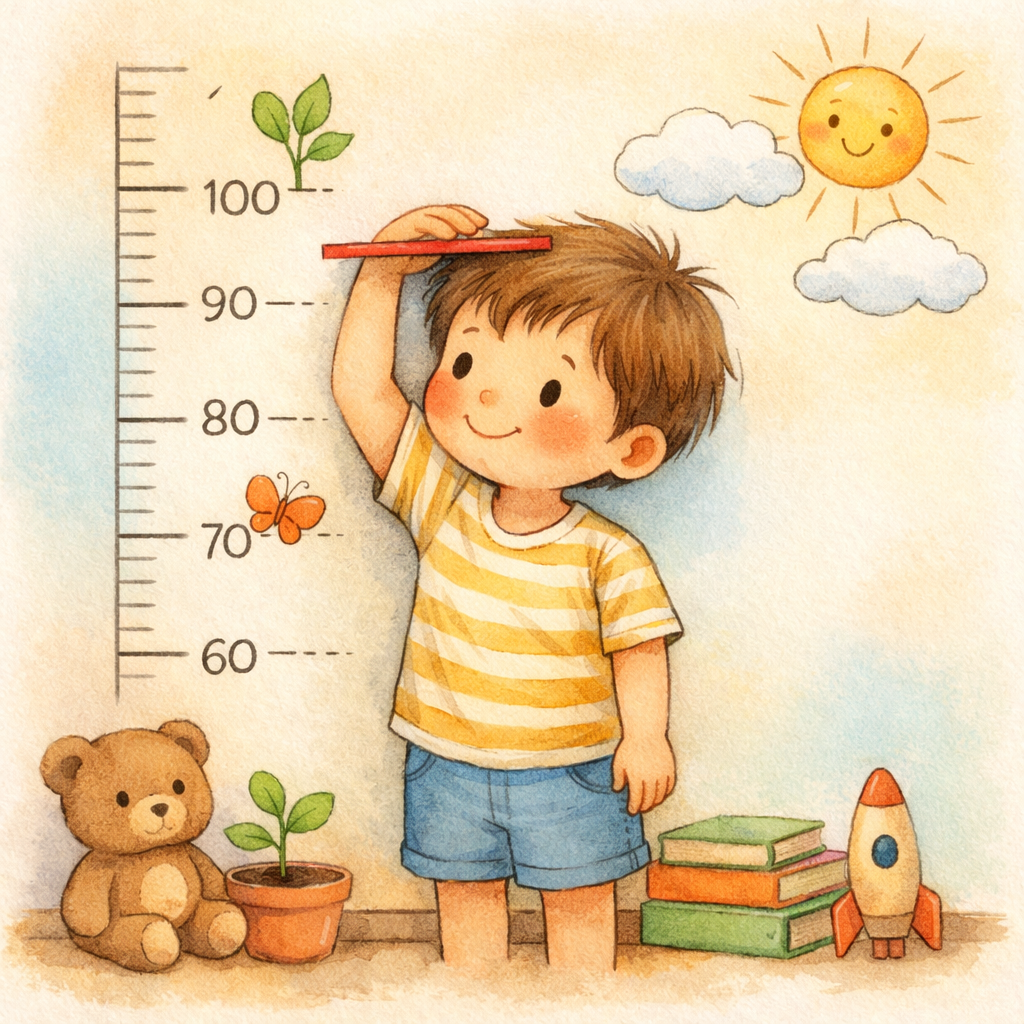
Understanding growth and development in children is not just about measuring height and weight on a clinic chart. It is a highly continuous, incredibly dynamic process that intricately weaves together physical bodily changes, explosive brain development, the mastery of emotional regulation, and the acquisition of complex social skills throughout the developmental stages. When parents deeply understand what is happening inside their child’s biology and neurology at each specific stage, they are empowered to provide the exact environmental scaffolding their child needs to thrive.
For children presenting with behavioural challenges, speech delays, or neurodivergent profiles such as Autism Spectrum Disorder (ASD) or Attention Deficit Hyperactivity Disorder (ADHD), development rarely follows a perfectly straight textbook line, and different children reach their milestones at different times. Children typically begin to develop language and communication skills between 12 and 24 months, with first words often emerging around the one-year mark and more complex phrases forming by age two; however, individual timelines can vary widely. This comprehensive guide is designed to demystify the key areas of childhood development, outline the major milestones you should be looking for, and equip you with highly actionable, neuro-affirming strategies to support your child’s absolute best progress.
Understanding the 4 Key Areas of Child Growth and Development
When paediatricians and allied health professionals evaluate growth and development in children, they look far beyond physical size. Holistic child development is broken down into four highly interrelated physiological and psychological domains, acknowledging that children learn and develop at different rates. If a child is struggling in one specific area, it frequently impacts their behaviour and progress in the others.
1. Physical Development and Sensory Processing
Physical development encompasses the obvious changes in height, physical weight, and muscular strength, but it also heavily includes the mastery of complex motor skills.
- Gross Motor Skills: These involve the large muscles of the body required for sitting, walking, running, jumping, and maintaining physical balance.
- Fine Motor Skills: These require precise coordination of small muscles, such as holding a pencil, tying shoelaces, or using cutlery.
- Sensory Processing: For children needing behaviour support, physical development also heavily involves how their neurological system processes sensory input (sight, sound, touch, to physical movement). When a child’s sensory system is overwhelmed or under-stimulated, it almost always presents as a severe behavioural meltdown. Activities like active outdoor play, structured exercise, and proper paediatric nutrition are fundamental for supporting healthy physical growth.
2. Development and Executive Functioning
Development refers to the brain’s incredible ability to process information. This domain strictly governs a child's capacity for thinking, learning, storing memory, and engaging in logical problem-solving. For children with behavioral challenges, development is deeply tied to executive functioning—the brain's management system. A developmental evaluation can further assess how executive functioning acts as the air traffic controller of the brain, heavily influencing a child's ability to sustain attention, transition between tasks, organize their thoughts, and firmly control their impulses. Early environmental stimulation, reading, and highly structured, predictable learning environments play a crucial role in building strong cognitive pathways.
3. Emotional Development and Self-Regulation
Emotional development is the critical process through which children of different ages learn to safely identify, understand, clearly express, and successfully manage their own intense feelings. In the early years, children rely entirely on "co-regulation"—meaning they need a calm adult nervous system to help them soothe theirs. As they grow, they should slowly transition to "self-regulation." However, for children requiring behaviour support, this specific developmental domain is often significantly delayed. These children may quickly escalate to "fight or flight" mode over seemingly minor frustrations. Deeply supportive, empathetic parenting, the use of visual emotion charts, and fiercely consistent daily routines are vital to help improve their emotional regulation over time.
4. Social Development and Relationship Building
Social development dictates how effectively a child interacts with the world around them. It involves learning the complex, unwritten rules of communication, sharing resources, demonstrating empathy, picking up on subtle non-verbal social cues, and actively building successful relationships with both peers and adults. Children with speech delays or behavioural complexities often struggle deeply with the pragmatic (social) use of language skills, causing them to feel isolated or act out aggressively on the Playground due to profound frustration.
Important Developmental Milestones by Age
While every single child develops on their own unique timeline, developmental milestones serve as helpful biological guideposts. Tracking these milestones helps parents and allied health professionals identify when a child might benefit from early intervention therapies, such as Occupational Therapy (OT) or Speech Pathology, as each child develops at a different pace.
Early Childhood (Ages 0 to 3): Rapid Brain Growth
The first three years of life feature the most aggressive, explosive brain growth a human will ever experience. Millions of neural connections are formed every single day.
- Physical: Moving from rolling to crawling, and eventually walking independently. Hand-eye coordination rapidly improves.
- Language: Babbling transitions into first words, and soon after, short sentences. They begin to understand the concept of object permanence (knowing an object still exists even if hidden).
- Emotional/Social: Toddlers begin to show strong attachments to primary caregivers and may exhibit severe separation anxiety. They engage heavily in "parallel play" (playing next to, but not directly with, other children) and often express frustration through physical tantrums, as their intense emotions completely outpace their vocabulary.
Preschool Age (Ages 3 to 5): Coordination and Social Explosion
During the preschool years, physical growth slows down slightly, but cognitive and social skills skyrocket.
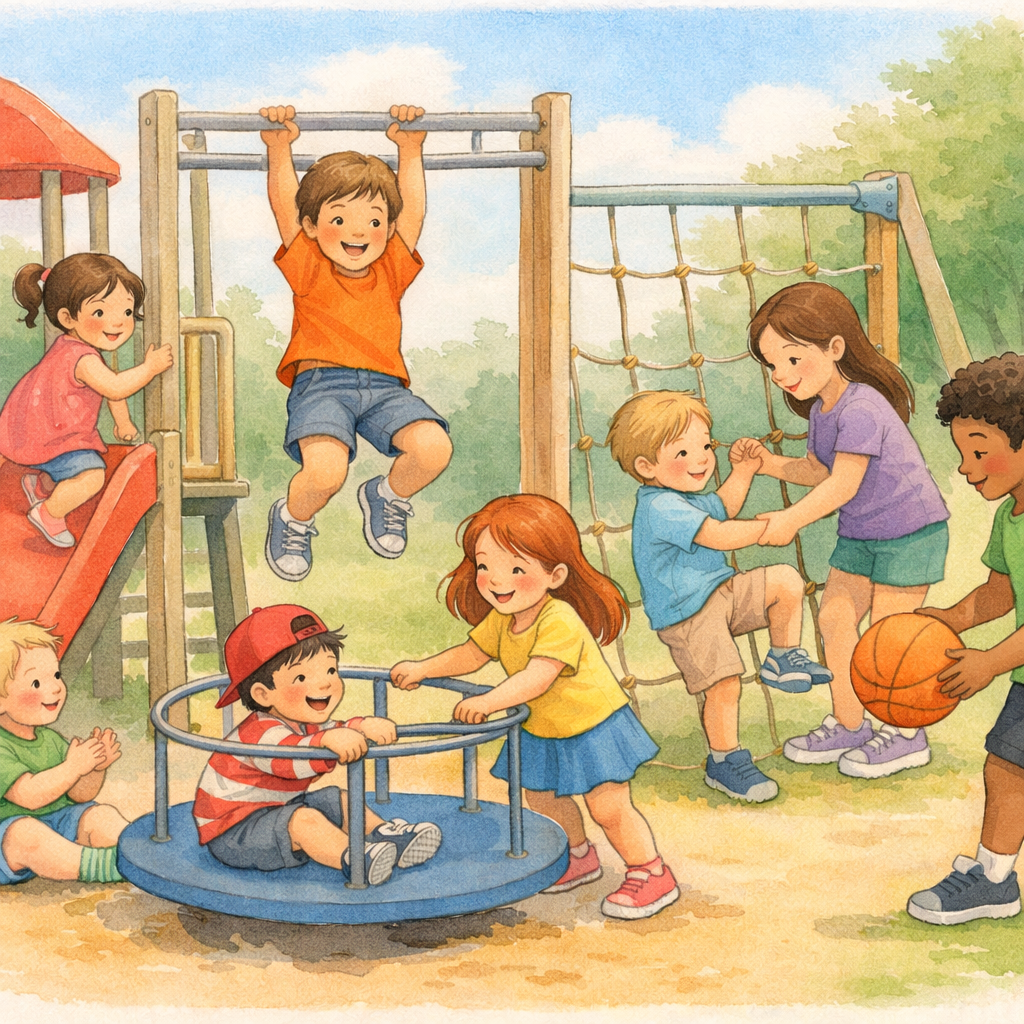
- Physical: They learn to confidently run, pedal a tricycle, climb Playground equipment, and hold a crayon with a proper tripod grip.
- Cognitive: Their imagination blossoms, leading to complex, story-driven pretend play. They begin to grasp basic concepts of time, counting, and categorising objects by colour or shape.
- Emotional/Social: They transition from parallel play to cooperative play, learning to take turns and share (though often still requiring adult mediation). Emotional outbursts are still incredibly common, but they slowly begin to develop the capacity to use their words to express anger or sadness.
School Age (Ages 5 to 11): Reasoning, Learning, and Independence
Entering the formal school system places massive new demands on a child's executive functioning and social endurance.
- Physical: Motor skills become highly refined, allowing for participation in structured team sports, riding a two-wheel bike, and neat handwriting.
- Cognitive: Children develop strong logical reasoning skills, can follow multi-step instructions without visual prompts, and rapidly absorb complex academic concepts like mathematics and reading comprehension.
- Emotional/Social: Peer relationships and friendships become significantly more important than family interactions. They begin to deeply understand complex social rules, empathy, and the concept of fairness. For children with behavioural needs, the sensory noise and strict rules of a classroom environment can cause massive daytime fatigue and after-school meltdowns.
Adolescence (Ages 12+): Emotional Maturity and Identity
The teenage years, starting around 12 years of age, are marked by a second massive wave of neurological rewiring, heavily driven by the onset of puberty.
- Physical: Rapid growth spurts occur alongside major hormonal shifts.
- Cognitive: Abstract, highly critical thinking is fully developed. They begin to question authority and heavily form their own independent worldviews.
- Emotional/Social: The primary developmental goal is identity formation. Teens intensely seek independence and peer validation. The prefrontal cortex (responsible for logical decision-making) is undergoing major construction, which often naturally leads to highly impulsive behaviour, extreme mood swings, and a powerful need for emotional validation.
Crucial Factors That Influence Growth and Development
A child’s developmental trajectory is not solely determined by their genetics. Growth and development in children thrive or falter based heavily on the specific environmental factors surrounding them.
- Nutrition and Gut Health: The brain requires massive amounts of premium fuel to build neural pathways. A diet lacking in essential fatty acids, complex carbohydrates, iron, and key vitamins can severely stunt development and heavily exacerbate hyperactivity.
- Sleep Quality and Architecture: Sleep is the biological window where growth hormones are actively released, and daily memories are permanently filed into the brain. Chronic paediatric sleep deprivation instantly degrades emotional regulation and physically mimics the symptoms of severe ADHD.
- Family Environment and Routines: Children thrive in predictability. A chaotic, high-stress household deeply elevates a child’s resting cortisol (stress hormone) levels. Chronic stress physically damages the memory centres of the developing brain and forces the child into a constant state of "survival mode" behaviour.
- Physical Activity Levels: Movement is exactly how a child integrates their sensory nervous system. A severe lack of physical, outdoor play directly contributes to poor gross motor skill acquisition and massive build-ups of anxious, aggressive physical energy.
- Learning Opportunities and Early Intervention: A child’s brain operates on a "use it or lose it" principle. Environments rich in language, safe emotional support, and highly structured behaviour guidance heavily accelerate and social development.
How Australian Parents Can Actively Support Healthy Development
If your child requires targeted behaviour support, standard parenting advice often falls short. You need robust, evidence-based strategies and a helpful tool to scaffold their specific developmental gaps safely. Here is how you can proactively support their holistic growth today:
Maintain Fiercely Consistent Daily Routines
Predictability drastically lowers a child’s internal anxiety. When a child knows exactly what is coming next, their nervous system radically calms down, resulting in far fewer behavioral meltdowns. Utilise highly visual fact sheets and schedules (picture charts showing the daily routine) on the fridge or bedroom wall so the child can independently track their day without relying on constant verbal commands.
Strongly Encourage Positive Behaviour Reinforcement
Children whose development is delayed often receive a constant barrage of negative feedback ("No," "Stop," "Don't do that"). This destroys their self-esteem. Shift entirely to a positive reinforcement model. Catch them being good. Specifically and enthusiastically praise the exact behaviour you want to see repeated ("I love how gently you are playing with your brother's blocks right now! It’s a great time to encourage positive behaviour!"). Positive praise actually wires the brain to replicate the desired action.
Provide Highly Balanced Nutrition and Ruthlessly Protect Sleep
Treat sleep and diet as medical necessities. Enforce a strict digital curfew by turning off all screens at least 1 to 2 hours before bed to protect their brain's melatonin production. Serve nutrient-dense meals at predictable times to prevent the massive blood-sugar crashes that frequently trigger explosive afternoon tantrums, which can affect their emotional milestones.
Limit Screen Time and Demand Daily Outdoor Play
Heavy recreational screen time effectively bypasses the developmental work a child needs to do. Replace tablets and televisions with vigorous, unstructured physical play. Making a big difference, deep proprioceptive input—like climbing, swinging, jumping, and pushing heavy objects—is fundamentally necessary for regulating an anxious or hyperactive nervous system.
Seek Allied Health Support for Developmental Concerns Early

Do not wait to see if a child will simply "grow out of it." If a child consistently misses developmental milestones or exhibits severe delays in speech, motor skills, or emotional behaviour, early intervention is absolutely vital. Engaging a paediatrician, speech pathologist, child health nurse, or occupational therapist early on provides your child with the precise clinical tools they need to overcome their unique hurdles.
Support your child’s growth and development
You hold the immediate power to profoundly support your child’s growth and development by building fiercely consistent daily routines, prioritizing restorative sleep, and utilizing neuro-affirming, positive behavior strategies that recognize different strengths. It’s important to remember that boys and girls can experience differences in development during childhood, such as variations in the rate at which they acquire language, emotional regulation, and motor skills—each child may progress differently, making individual support essential. Do not navigate this complex journey entirely alone! Seeking early, effective support can make a massive, lasting difference in your child’s daily confidence, classroom learning, and lifelong emotional well-being.
Are you looking for more actionable, expert-backed strategies to help your family manage complex behaviours and build thriving routines? Reach out for a consultation or call daar at 02 9133 2500.
Frequently Asked Questions (FAQs)
1. What are the 4 main areas of child growth and children’s development?
The main areas used to track a child's holistic progress are: Physical development (gross/fine motor skills, sensory processing, physical growth), Cognitive development (brain function, learning, memory, executive functioning, problem-solving), Emotional development (identifying feelings, co-regulation, emotional self-control), and Social development (communication, building healthy peer relationships, and understanding complex social cues).
2. What core factors actually affect healthy growth and development in children?
A child’s health is influenced by a complex mix of internal and external factors. The most powerful influences include the quality of their daily nutrition, their sleep duration and architecture, their immediate family environment and stress levels, underlying genetics, access to enriched learning opportunities, and the intentional emotional support they receive.
3. When should I be genuinely concerned about my child’s overall development?
Parents should trust their gut instincts. If your child consistently misses major established milestones for their age bracket, completely loses skills they once previously mastered (developmental regression), or demonstrates severe, persistent delays in their speech, physical motor skills, or emotional behaviour regulation, professional medical advice from a GP or paediatrician should be sought immediately. KidSafe Victoria provides insights, and early intervention is always the most effective path forward.
.svg)




.svg)