
.png?width=48&height=48&name=Group%201%20(3).png)























27 August, 2026

Behaviour Management Consultation Services for Better Outcomes
Key Highlights
- Behaviour management consultation helps you understand behaviours of concern and respond with clear, practical support.
- Positive behaviour support focuses on causes, not blame, so your child can learn in safer ways.
- A personalised support plan is built around daily routines, goals, and family priorities.
- Consultants teach new skills that improve communication, cooperation, and independence.
- These services can strengthen quality of life for children, adults, and the people supporting them.
- Support can be delivered in person, online, or through a hybrid model.
Introduction
Behaviour management consultation gives you a practical way to understand challenging actions and support positive change. Instead of guessing what to do next, you work with a professional to identify triggers, build useful routines, and choose support strategies that fit your daily life. This approach uses positive behaviour support to teach better ways to communicate, cope, and participate. If you want clearer guidance and a more confident plan, behaviour management consultation can be a helpful place to start.
Understanding Behaviour Management Consultation Services
At its core, behaviour management consultation is a structured service that helps you understand why specific behaviours happen. It looks beyond the surface and uses a careful process to identify patterns, triggers, and unmet needs. That information shapes a written behaviour plan and support plan built around everyday goals.
You are not handed a generic solution. Instead, the consultation leads to a personalised behaviour support plan that encourages positive behaviour and teaches better alternatives based on target behaviours. The next sections explain what this service includes and the principles that guide it.
What Is A Personalised Behaviour Consultation?
A personalised behaviour consultation is a short-term, structured service provided by a behaviour consultant that helps you address challenging behaviours with clarity and consistency. The consultant begins by learning about the person, their environment, and situations where issues occur, keeping the process practical and focused.
Using principles from Applied Behaviour Analysis, the consultant uncovers the reasons behind behaviours—not to label someone as difficult, but to understand what the behaviour communicates and what support may be lacking.
With this understanding, the consultant develops a tailored behaviour plan based on ABA principles and the person’s needs and routines. You’ll learn practical strategies for use at home, school, or elsewhere, making support realistic and effective in daily life.
Core Principles of Positive Behaviour Support
Positive behaviour support is built on respect, skill building, and prevention related to mental health. Rather than waiting for problems to escalate, it looks at what is happening around the person and what changes can make success easier. This creates a support plan that is proactive, not reactive.
A strong consultation also uses positive reinforcement. When helpful actions are followed by something meaningful, they are more likely to happen again. At the same time, environmental modifications can reduce stress, improve understanding, and make routines smoother, thereby potentially reducing the need for restrictive practices.
Key principles often include:
- Understanding the reason a behaviour happens before choosing a response
- Teaching replacement skills instead of focusing only on stopping actions
- Using positive reinforcement to strengthen useful behaviour
- Making environmental modifications that support calm, success, and participation
Who Can Benefit From Behaviour Management Consultation
Behaviour management consultation can help people of all ages when behaviour is affecting learning, relationships, or daily routines. It is useful for children, teens, and adults with specific needs, including developmental delays, Autism, ADHD, and other developmental disabilities, and can incorporate behaviour therapy techniques. It can also support people without a formal diagnosis.
This service is not only for the individual. It can strengthen the wider support system too. Families, schools, and organizations often benefit because better understanding and shared strategies can improve quality of life for everyone involved. The next sections show who may benefit most.
Children, Adolescents, And Adults
Personalised behaviour consultations are available for children and adults. For young children, support focuses on routines, tantrums, toileting, transitions, cooperation, and communication. Strategies are tailored to your child’s needs and daily life.
As children grow, their needs may shift. Adolescents often need help with emotional regulation, social skills, peer relationships, and behaviours affecting school or home. Consultations address each concern with clear steps and practical solutions.
Adults can benefit as well, especially if developmental delays or disabilities affect independence or daily living. Consultations help build safer routines, better communication, and greater participation.
The goal at any age is the same: understand challenges, teach practical skills, and make life easier.
Families, Schools, And Organizations
Behaviour management consultation can make a real difference for families feeling stuck or overwhelmed. Shared strategies create a calmer, more predictable home, and give parents and caregivers practical skills they can use confidently.
Schools benefit too, since consistent approaches help improve classroom routines, participation, and safety. This shared understanding builds a stronger support network around the child or adult.
Organizations and service providers also gain from consultation. It helps them:
- build consistent team responses
- support individuals effectively in different settings
- strengthen collaboration with families and professionals
The Process Of Behaviour Management Consultation
The consultation process follows a clear path so you know what to expect. Behaviour support practitioners begin with an initial assessment to understand the person, the environment, and the main concerns. This stage helps identify patterns and the reasons behind challenging behaviour.
After that, goal setting guides the work. The consultant and family agree on priorities, then build practical steps to teach skills and reduce stress. Sessions are collaborative and focused on action. The following sections walk through assessment, planning, and what a typical consultation session looks like.
Initial Assessment And Goal Setting
The first stage centers on listening, observing, and gathering the right details. Through thorough assessments, the consultant learns about routines, triggers, strengths, and the situations linked to the concern. This information helps ensure the support plan matches the person’s individual needs rather than relying on assumptions.
Next comes goal setting. You discuss what matters most right now, such as smoother mealtimes, safer transitions, better communication, or improved daily routines. Clear goals make the process more focused and help everyone measure progress in a realistic way.
A typical early pathway may look like this:
|
Stage |
What Happens |
|---|---|
|
Enquiry & Application |
The service checks whether support is a good fit for your goals. |
|
Discovery Call |
You discuss concerns, routines, and the person’s needs. |
|
Service Offer |
You receive a detailed proposal with sessions, schedule, and costs. |
|
Intake & Assessment |
Interviews and observation help guide the support plan. |
|
Begin Program |
Strategies are introduced and practiced over the consultation period. |
Typical Consultation Session Workflow
A typical session is structured but flexible. The consultant reviews what has happened since the last meeting, looks at patterns, and checks how the current support strategies are working. This keeps the consultation process grounded in real situations, not theory alone.
Then the focus shifts to teaching. You may learn practical strategies for prompting communication, handling transitions, or reinforcing helpful behaviour. The consultant can model techniques, explain why they work, and adjust them to fit your routines, whether support is happening at home, school, or online.
Many sessions include:
- reviewing recent successes and challenges
- practicing support strategies you can use in daily life
- refining next steps based on progress and new information
By the end, you should leave with clear actions to try before the next session.
Main Benefits Of Behaviour Management Consultation
One major benefit of behaviour management consultation is that it creates positive change through a clear, personalised approach. Instead of reacting in the moment, you learn support strategies that address causes, teach alternatives, and build confidence over time.
It also supports skill development in areas that matter every day, from communication and cooperation to routines and emotional regulation. As these skills improve, stress often decreases for everyone involved. That can lead to a better quality of life at home, at school, and in the community. The next sections look at these benefits more closely.
Improving Challenging Behaviours
A behaviourist looks beyond surface behaviours to identify their underlying causes, such as environmental triggers, communication challenges, or overwhelming routines. Understanding the root cause leads to more effective support.
Consultation uses principles from behaviour therapy and positive behaviour support. Instead of punishment, the focus is on teaching replacement skills and helping you respond consistently. This approach can reduce tantrums, refusal, aggression, and other disruptive behaviours.
Early intervention is especially beneficial. Addressing issues sooner helps prevent them from escalating. Over time, consultation builds safer habits, stronger coping skills, and better participation in daily life.
Enhancing Quality Of Life For Clients And Families
The benefits of consultation go beyond reducing difficult moments. When support is tailored well, it can improve the overall quality of life for the person receiving services and for the people around them. Daily routines often become smoother, and relationships feel less strained.
This matters because stress rarely affects just one person. A stronger support network can help everyone stay consistent, calm, and better prepared. As communication and independence grow, daily living can feel more manageable and less overwhelming.
Consultation can support quality of life by:
- improving participation in routines and community activities
- creating a more supportive environment at home or school
- reducing stress for caregivers, teachers, and other supporters
- helping families focus on progress, not constant crisis
Behaviourist Qualifications And Standards In Australia
In Australia, behaviour support practitioners are expected to use evidence-based methods and follow professional standards when creating a support plan. Families often want to know what qualifications matter most, especially when choosing someone to guide important decisions about behaviour and safety.
A good consultant should have relevant required training in behaviour support and assessment. If you are using NDIS funding, provider status also matters. Some families can use unregistered services, while others need a registered provider. The next sections explain what to look for.
Required Training And Certifications
When choosing a consultant, start with required training that matches the service being offered. Behaviour support practitioners should understand assessment, behaviour patterns, and how to design strategies that teach safer and more useful skills. Strong training helps ensure support is thoughtful and effective.
Knowledge of behaviour analysis is important because consultation depends on understanding why behaviour happens and how learning takes place. Some practitioners also draw from ABA therapy principles, especially when teaching communication, routines, and replacement skills in a structured way.
Useful signs to look for include:
- training in behaviour support and assessment methods
- experience applying behaviour analysis in real settings
- skill in creating practical plans for families, schools, and carers
These qualifications matter because the consultant is shaping strategies that affect daily life, learning, and long-term progress.
Selecting The Right Consultant For Your Needs
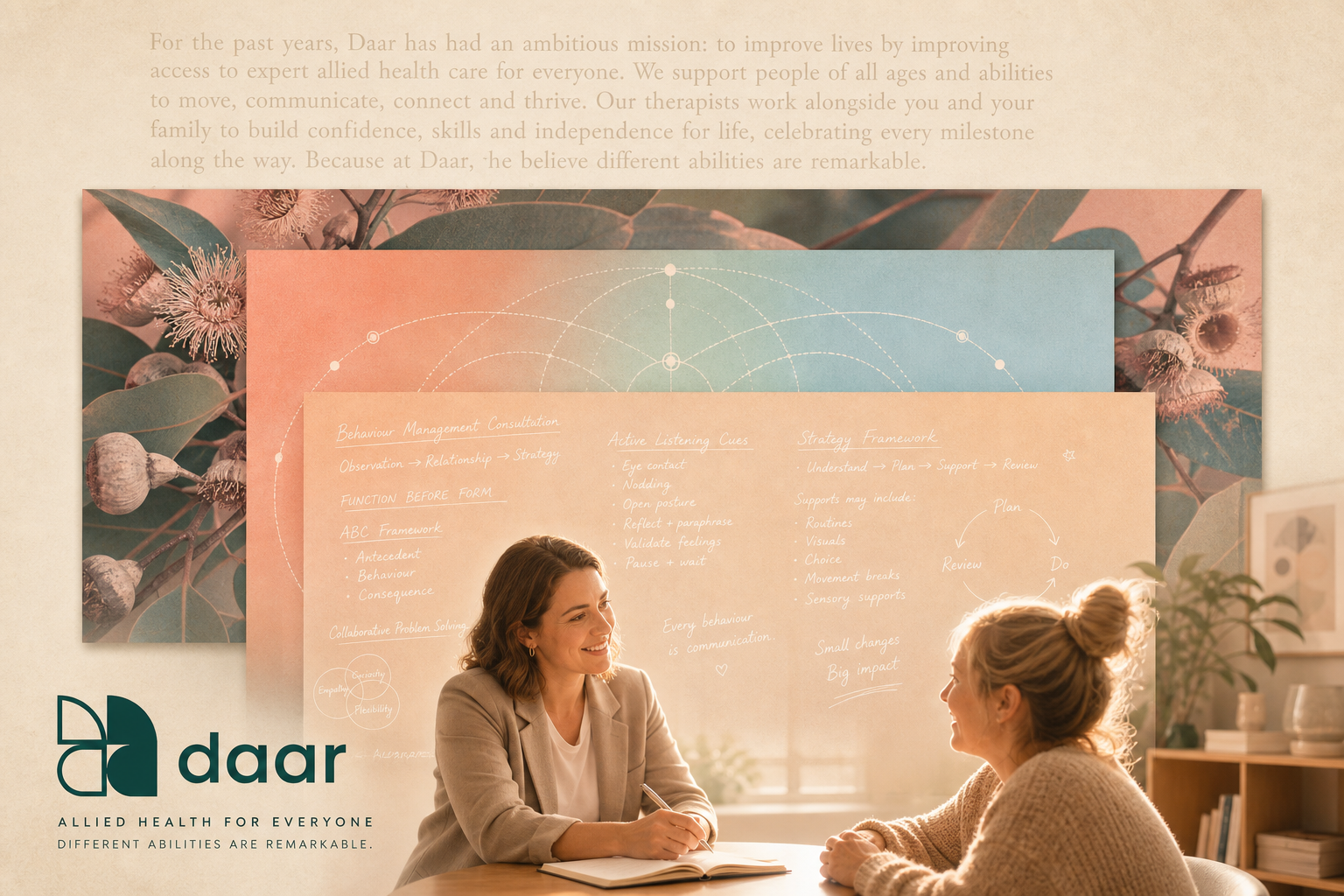
The right consultant takes time to understand your unique needs before recommending services. Choose a professional who listens, explains clearly, and tailors advice rather than offering generic solutions. Effective support begins with curiosity.
Look for someone who conducts thorough assessments and asks about your routines, goals, strengths, and challenges. This signals a personalised approach that addresses real needs—not just a checklist.
A clear service pathway is also important. After your initial conversation, you should receive a detailed proposal outlining sessions, expectations, and costs. Transparency helps you decide if the approach fits your family and boosts confidence in the process.
Conclusion
In summary, behaviour management consultation services are vital for fostering positive changes in individuals of all ages, from children to adults. By focusing on personalised strategies and evidence-based techniques, these services address challenging behaviours while enhancing the quality of life for clients and their families. Whether you're part of a school, organization, or simply seeking support for your loved ones, understanding the core principles of positive behaviour support will help you make informed decisions. Please remember that choosing the right consultant for your needs is crucial for effective outcomes.
For more personalised guidance, don’t hesitate to reach out for a consultation or call daar at 02 9133 2500 and explore how behaviour management consultations can benefit you today!
Frequently Asked Questions
Are the services available for both children and adults?
Yes. These services are designed for people of all ages, including young children, teens, and adults. Support is tailored to a child’s or adult's needs and can help neurodivergent children, people with developmental disabilities, and others who need practical strategies for daily challenges.
How do personalised behaviour consultations fit with NDIS supports?
Personalised consultations may fit within NDIS supports when they align with a participant’s goals and funded categories. NDIS participants can use these services for a support plan and practical support strategies. Depending on plan management, you may need a registered provider, though some therapy services can be accessed more flexibly.
How long does it take to see results from a behaviour management consultation?
Results vary because every person has different individual needs, but many consultations run for about 8 to 12 weeks. Small improvements can appear earlier when support is consistent. The consultation process is a first step toward positive change, and early intervention often helps progress happen sooner.
.svg)




.svg)