
.png?width=48&height=48&name=Group%201%20(3).png)























24 August, 2026

How Specialised Behaviour Support Enhances Wellbeing
Key Highlights
- Positive behaviour support helps reduce challenging behaviours while improving wellbeing and daily life.
- NDIS behaviour support uses a person-centered, evidence-based process tailored to each individual.
- A behaviour support practitioner completes assessment work and builds a practical behaviour support plan.
- Functional behaviour assessment helps identify triggers, patterns, and unmet needs behind behaviours of concern.
- Support strategies focus on teaching new skills, improving communication, and creating supportive environments.
- Restrictive practices are tightly regulated and used only as a last resort within specialist behaviour support.
Introduction
For many NDIS participants, behaviour challenges can affect safety, relationships, and everyday life. Positive behaviour support offers a practical way to understand why those behaviours happen and what can help. Instead of simply reacting, this approach looks at the person’s needs, environment, and goals. The result is support that protects dignity, builds skills, and improves wellbeing. When used well, it can strengthen quality of life for individuals and the people who support them every day.
The Role of Behaviour Support Practitioners
A behaviour support practitioner is a specialist who helps understand and reduce behaviours of concern through NDIS behaviour support. Their work often starts with a functional behaviour assessment, followed by a behaviour support plan that reflects the person’s goals, risks, routines, and support needs.
In practice, specialised behaviour support involves working closely with a support team, family, support staff, and a wider support network. A specialist behaviour support provider may also coordinate with occupational therapy and other therapy services so everyone uses the same practical strategies consistently.
Qualifications and Training Required for Practitioners
Most people enter this field after studying psychology, social work, occupational therapy, education, disability studies, or related disciplines. Some pursue postgraduate study in behaviour, special education, or applied behaviour approaches.
Academic training is only part of the process. Behaviour support practitioners also need supervised practice, hands-on experience, and ongoing professional development. Early-career professionals build skills under supervision while learning to assess behaviour, write plans, and ensure safe implementation.
In Australia, training options include structured programs and workplace supervision. Resources highlight learning plans, portfolios, and capability requirements tied to NDIS behaviour support. Practitioners may come from occupational therapy, speech therapy, or social work backgrounds but must continue learning as best practices evolve.
Finding and Choosing a Qualified NDIS Behaviour Support Practitioner
If you need an NDIS behaviour support practitioner, start with your NDIS planner or Local Area Coordinator. Once funding is approved, find a specialist provider that fits your needs and goals.
Make sure the provider is registered and meets NDIS Commission standards. The right practitioner should clearly explain their role, how they assess needs, and how they work with your family and support team.
- Ask if the provider offers specialist behaviour support under the NDIS.
- Check if the practitioner works for a registered provider.
- Request details on assessment, plan development, and review steps.
- Confirm they can collaborate with your broader support network.
If you want to apply as a practitioner, you’ll need to show qualifications, supervision arrangements, a learning plan, and evidence of capability.
Core Principles of Positive Behaviour Support
Positive behaviour support is built on one simple idea: understand the reason behind behaviour before trying to change it. Rather than focusing only on stopping challenging behaviours, it uses support strategies that improve everyday life, communication, and participation.
At its core, this approach values proactive strategies, respectful care, and supportive environments. It brings together support workers, support staff, and family members to respond in consistent ways. These principles matter because they can also protect mental health, reduce stress, and create better outcomes across home, school, and community settings.
Person-Centered Approaches and Individualized Strategies
Person-centered approaches start with the individual—their strengths, goals, routines, preferences, and support needs—before addressing behaviour. This makes support more respectful and practical, especially for those with complex needs.
The goal is to teach new skills and remove barriers, not just control behaviour. Strategies tailored to a person's life improve communication, participation, and quality of life. Families and services can then use these methods consistently.
Examples include:
- teaching ways to ask for help or breaks
- adjusting routines or settings that cause distress
- involving the support network in consistent responses
- focusing on personal goals, not just behaviour
This approach makes positive behaviour support more human and sustainable.
Evidence-Based Practice within Positive Behaviour Support
Evidence-based practice relies on more than opinion—it uses research, professional expertise, and individual goals to create relevant, safe, and realistic support strategies. Behaviour support should never be guesswork.
Daily practice includes behavioural assessment, data collection, and analysis. Practitioners identify patterns and triggers to develop effective strategies. This systematic approach ensures consistent responses and ongoing review of outcomes.
The positive behaviour support capability framework sets standards for quality across therapy and specialist services. When decisions are guided by evidence-based practice, positive change becomes measurable, ethical, and sustainable.
Developing and Implementing Behaviour Support Plans
A behaviour support plan is usually developed after a functional behaviour assessment identifies why challenging behaviours happen. That process helps shape a support plan that is specific, practical, and linked to the person’s goals, environment, and everyday needs.
Strong plans do more than describe problems. They include proactive strategies, clear responses for support staff and support workers, and steps that encourage skill development. When linked to an NDIS plan and shared across therapy services, these plans can improve consistency, reduce stress, and support a better quality of life.
Functional Behaviour Assessments and Their Importance
A functional behaviour assessment is the foundation of effective specialist behaviour support. It looks beyond the surface of behaviours of concern and asks an important question: what is this behaviour communicating? That is why it is a key step before any meaningful plan is written.
This form of behaviour assessment uses data collection, observation, interviews, and record reviews to find triggers, patterns, and likely causes. In many cases, challenging behaviours are linked to unmet needs, communication barriers, or environmental stress. When those factors are understood, support becomes more targeted and useful.
|
Type of behaviour |
Assessment method |
Likely outcome |
|---|---|---|
|
Aggression during noisy settings |
Observation and interviews |
Identify sensory or escape triggers |
|
Refusal during tasks |
Record review and pattern tracking |
Understand avoidance or skill gaps |
|
Distress when routines change |
Team feedback and data collection |
Plan supports for predictability |
This process gives the support team a clearer path forward.
Steps in Creating Individualized Behaviour Support Plans
After the assessment, the practitioner collaborates with the person and their support team to create an individualized behaviour support plan. The aim is to develop clear, practical strategies for everyday use—not just for meetings or reports.
Effective plans are grounded in real life and consider what family, support staff, and professionals can implement at home, school, or in the community. They may also coordinate with occupational therapy, social work, speech pathology, and other supports in the NDIS plan.
Typical steps include:
- Reviewing assessment findings and setting meaningful goals
- Selecting practical strategies to prevent triggers and teach alternatives
- Providing clear guidance for support staff and family members
- Monitoring outcomes and updating the plan as needed
For practitioners, this structured process also builds skills and ensures safe, consistent practice.
Restrictive Practices and the NDIS
In NDIS behaviour support, restrictive practice is closely linked to safeguarding and oversight. These practices may be considered when behaviours of concern or complex behaviours create serious risk, but they are not the starting point. The focus remains on understanding support needs and reducing harm through better support.
The NDIS Commission and Safeguards Commission framework makes it clear that quality of life must stay central. Specialist behaviour support aims to reduce and remove restrictive practices over time by replacing them with safer, more respectful strategies whenever possible.
Understanding Restrictive Practices in Behaviour Support
A restrictive practice limits a person’s rights or freedom of movement. Examples include physical restraint, seclusion, chemical or mechanical restraint, and environmental controls. These are serious actions used only as a last resort.
Their use is strictly regulated and reviewed under the safeguards commission framework. If included in an NDIS plan, restrictive practices must be necessary for safety, clearly documented, monitored, and reduced over time.
For NDIS participants, behaviour support must protect dignity, mental health, and participation. Support staff need clear guidance to ensure responses are lawful and consistent. The main goal is to address the causes of challenging behaviours and create safer alternatives instead of relying on control.
Guidelines and Standards for the Use of Restrictive Practices
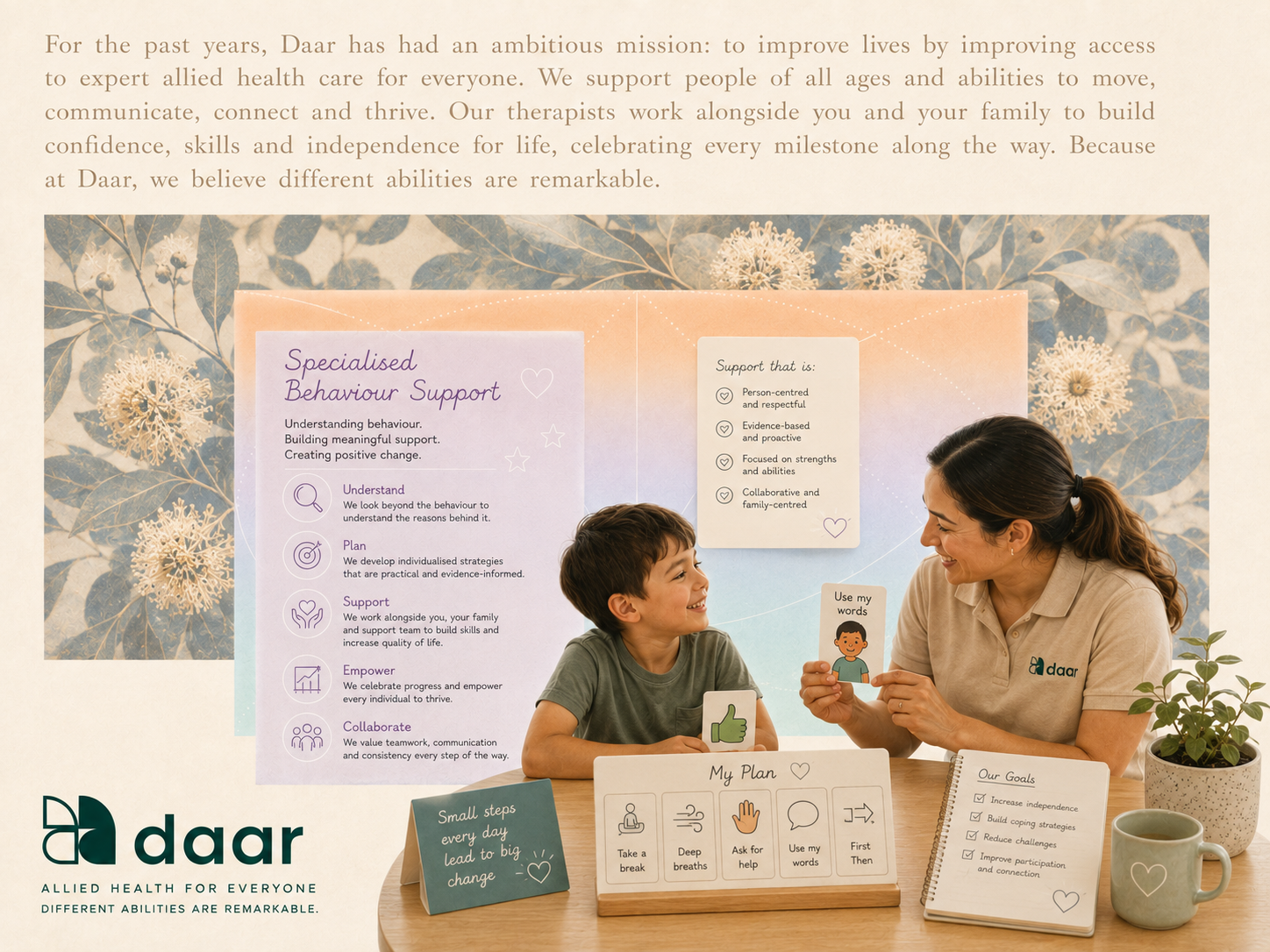
Clear guidelines ensure restrictive practices are not used casually. The NDIS Commission and Safeguards Commission oversee quality, rights, and reporting for specialist behaviour support.
Restrictive practices must be part of a formal plan, reviewed regularly, and focused on reduction or elimination. They should align with the person’s NDIS plan and involve their support network to ensure transparency.
Key compliance points:
- Use restrictive practice only when necessary for safety
- Document it in the behaviour support process
- Monitor and review regularly to reduce use
- Prioritize quality of life and individual rights
For more on behaviour support standards, consult the NDIS Commission.
Conclusion
In summary, specialized behaviour support plays a pivotal role in enhancing the overall wellbeing of individuals, particularly those with disabilities. By focusing on person-centered approaches and evidence-based practices, practitioners are equipped to create effective, individualized behaviour support plans that address specific needs and promote positive outcomes. Understanding the importance of functional behaviour assessments and adhering to guidelines for restrictive practices further enriches the support framework. This holistic approach not only empowers individuals but also fosters a supportive environment that encourages growth and positive change.
If you’re interested in exploring how specialized behaviour support can transform lives, don’t hesitate to reach out for a consultation or call daar at 02 9133 2500!
Frequently Asked Questions
How does positive behaviour support help people with disabilities?
Positive behaviour support helps people with disabilities by understanding why challenging behaviours happen and creating a support plan that teaches safer, more effective responses. It can improve daily life, reduce stress across settings, and strengthen quality of life by building skills, communication, and participation.
Are there training options for positive behaviour support practitioners in Australia?
Yes. A behaviour support practitioner in Australia can build skills through formal study, supervised practice, structured development programs, and ongoing professional development. People often enter from social work, occupational therapy, psychology, or related fields, then meet NDIS Commission expectations through learning plans, supervision, and capability evidence.
How can specialized behaviour support improve mental health and overall wellbeing?
Specialized behaviour support can improve mental health and wellbeing by using a functional behaviour assessment to understand triggers, stress, and unmet needs. From there, positive behaviour support uses practical support strategies that reduce distress, increase safety, and help people feel more confident, understood, and supported.
.svg)




.svg)