
.png?width=48&height=48&name=Group%201%20(3).png)























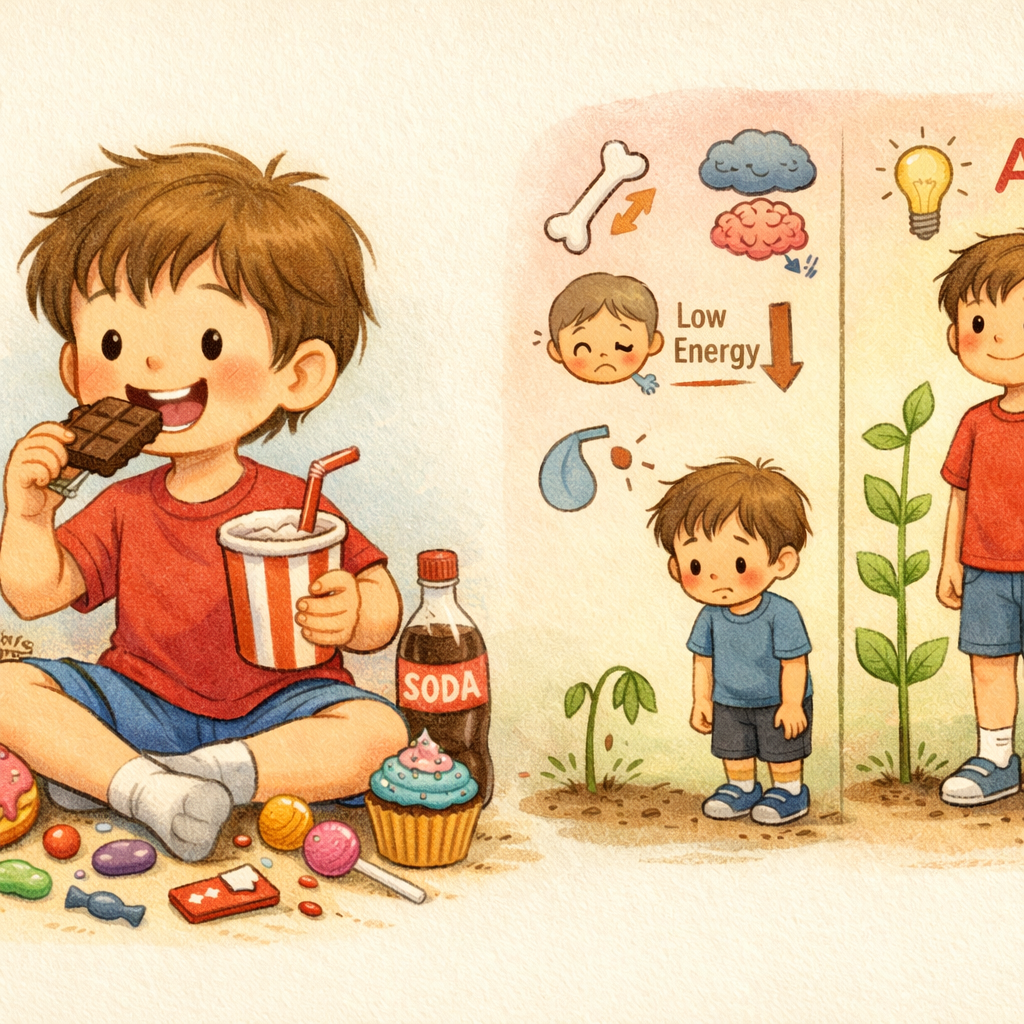
6 April, 2026

Understanding the Effects of Sugar on Child Development

Key Highlights
Here are the key takeaways about sugar consumption in a child’s diet:
- Excessive sugar intake can lead to various health problems, including weight gain and a higher risk of Type 2 diabetes.
- High sugar consumption can affect a child's mood and energy levels, though the link to hyperactivity is not strongly supported by science.
- The American Heart Association advises against any added sugar for children under two years old.
- For children aged 2 to 18, the recommended daily sugar intake is less than 25 grams, which is about 6 teaspoons.
- Added sugar is often hidden in processed foods, sugary drinks, and even snacks marketed as healthy.
- Reading food labels is a crucial first step to effectively managing your child’s sugar consumption.
Introduction
It is a joy to see a child's face light up at the taste of a sweet treat. But have you ever wondered if that child’s sugar intake is really okay for them? Balancing treats in your child’s diet is a common concern for many parents. Understanding the impact of sugar consumption is vital for your child's development and for raising healthy kids. This guide will explore how much sugar is too much, the effects of sugar on your child's health, and how you can make informed choices for their well-being. In addition to limiting sugar, many parents look for healthy alternatives to sugary snacks for children. Options like fresh fruit, yogurt, unsweetened applesauce, whole grain crackers, or vegetable sticks with hummus can satisfy cravings while providing essential nutrients.
Recommended Daily Sugar Limits for Children in Australia
Public health officials set daily sugar limits to protect children’s health and a child’s health. Guidelines from organizations like the American Heart Association (AHA) help parents manage sugar intake and lower future health risks. Though challenging, following these limits is crucial for your child's long-term well-being.
The AHA advises that children ages 2–18 consume less than 25 grams (about 6 teaspoons) of the amount of sugar in added sugar daily. Children under two should have no added sugar. Next, we’ll review age-specific recommendations and tips for spotting hidden sugars.
Guidelines by Age Group
The recommended daily sugar limits for children vary based on their age group. Health organizations offer specific advice to help you keep your child's sugar consumption of fresh fruits in a healthy range. It’s important to understand how much sugar is appropriate for your child at different stages of their development.
For the youngest children, the guidelines are very clear. The American Heart Association states that children younger than 2 years should have no added sugar in their diet. Their nutritional needs should be met with whole foods like fruits, vegetables, grains, and options such as 100% fruit juice. After age 2, the recommendations shift slightly, but the focus remains on limiting added sugars. Here is a simple breakdown of the guidelines:
|
Age Group |
Recommended Daily Sugar Limits |
|---|---|
|
Younger than 2 years |
0 grams of added sugar |
|
2 to 18 years |
Less than 25 grams (6 teaspoons) of added sugar |
How to Identify Hidden Added Sugar in Everyday Foods
Reading food labels is one of the most powerful tools you have for managing your child's sugar intake, especially when it comes to distinguishing between added sugar and artificial sweeteners. The nutrition facts label provides key details, but you need to know what to look for. One helpful tip is to remember that every 4 grams of sugar equals one teaspoon. This can help you visualize the sugar content.
First, check the ingredients list. Ingredients are listed by weight, so if sugar or one of its many other names is near the top, the product is likely high in added sugar. The updated Nutrition Facts label now requires manufacturers to list "Added Sugars" separately, making it easier to see how much has been put in during processing and to assess the nutritional value. Look out for these hidden sugars:
- High-fructose corn syrup
- Dextrose
- Fructose
- Honey
Effects of Added Sugar on Physical Development
High sugar consumption, particularly from sports drinks, can lead to a variety of health problems in children, both immediately and down the road. Consuming too many sugary foods and drinks contributes to unhealthy weight gain, which increases the risk of obesity and related conditions. These effects of sugar can have a lasting impact on your child's health.
Filling up on sweet treats also leaves less room for nutritious foods that are essential for healthy growth and development, including those containing natural sugars. The consequences of a high-sugar diet are not just physical; they can also influence your child's overall well-being. Let's explore the specific ways high sugar intake affects growth, weight, and long-term health.
Influence of Sugar on Growth, Weight, and Metabolism
Excess sugar consumption is a leading cause of weight gain in children and teens in the U.S., contributing to high rates of overweight and obesity, impacting their body weight. Diets high in sugar provide empty calories and can lead to metabolic issues like insulin resistance, raising the risk for Type 2 diabetes. Limiting sugar intake early helps support a healthy metabolism and prevents long-term health complications.
Impact on Dental Health and Risk of Chronic Diseases
Excess sugar is a leading cause of tooth decay, especially in children in the United States. Mouth bacteria feed on sugar and produce acid that erodes enamel, causing cavities—one of the most immediate effects of a high-sugar diet.
Over time, high sugar intake raises the risk of chronic conditions like obesity, high blood pressure, Type 2 diabetes, and liver disease—all major risk factors for heart disease, as studied by researchers at the University of Southern California. For instance, teens with high blood pressure are more likely to develop heart disease as adults.
Building healthy eating habits now can help protect your child from these long-term health risks.
Sugar’s Impact on Brain Function and Mental Health in Children
Many parents notice a connection between their child's sugar consumption and their mood or behavior. While the link between sugar and hyperactivity is mostly speculation, research shows that high-sugar diets, particularly those with too much sugar, can affect brain function. Fluctuating blood sugar levels can cause issues that impact a child's day-to-day life.
The effects of sugar on a child's developing brain and its brain development are an important consideration for their overall well-being. These impacts can influence everything from their learning abilities to their emotional state. Now, we'll look closer at how sugar intake can lead to behavioral changes and affect cognitive skills.
Sugar Intake, Learning Abilities, and Behavioral Changes
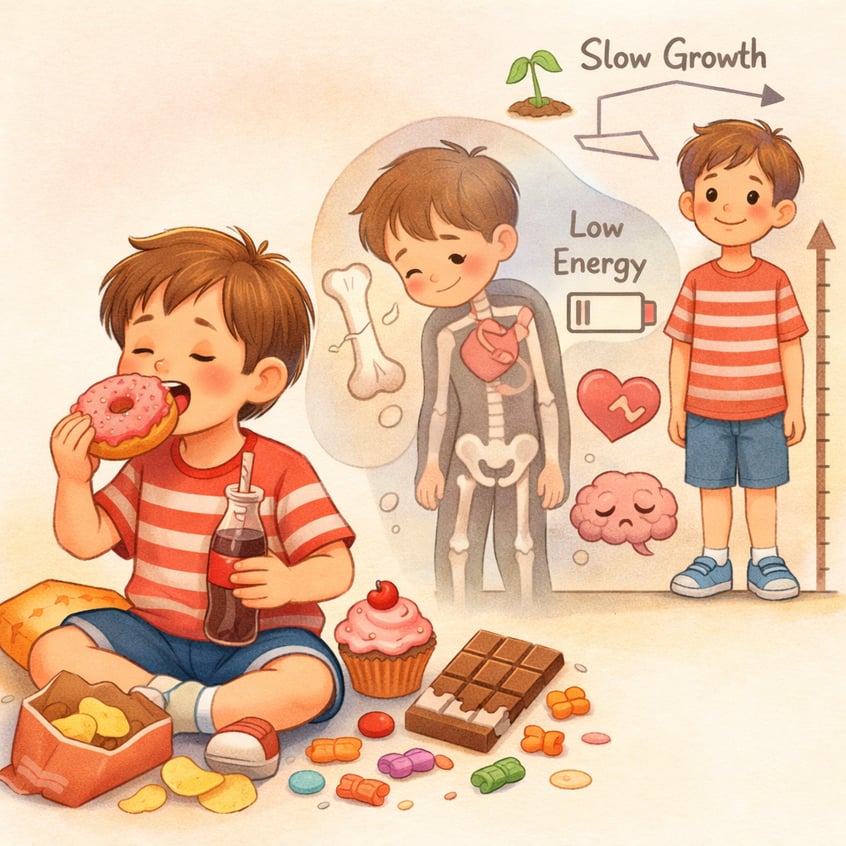
High sugar intake during birthday parties can cause rapid spikes and drops in blood sugar, leaving children unfocused, fidgety, tired, or weak. These swings may trigger mood changes, irritability, and trouble concentrating, which can hinder learning.
While refined sugars may affect mood briefly, there is no proven link to ADHD. However, research shows that high-sugar diets can alter gut bacteria and reduce cognitive flexibility—the brain’s ability to adapt, unlike whole grains, which are beneficial for balanced energy levels.
Studies on animals also show memory problems with high-sugar diets. Limiting added sugar helps stabilize energy and mood, supporting better focus and cognitive function.
Conclusion
In conclusion, understanding the effects of sugar on child development is essential for promoting healthier lifestyles. Excessive sugar intake not only poses risks to physical health but also influences cognitive function and emotional well-being. Research suggests that high sugar consumption may be linked to aggressive behavior in kids, as rapid spikes and drops in blood sugar can affect mood and self-control. By being mindful of recommended daily limits and learning to identify hidden sugars in foods such as breakfast cereals, parents can make informed choices that support their children's growth and development. Prioritizing a balanced diet will help mitigate the negative impacts of sugar, fostering better health outcomes for the future.
If you're eager to dive deeper into this important topic, consider reaching out for a consultation or call daar at 02 9133 2500 to discuss strategies for improving your child's nutrition.
Frequently Asked Questions
What are the short-term effects of sugar consumption on a child's behavior and mood?
Short-term sugar consumption can cause rapid spikes and crashes in blood sugar levels. This may lead to behavioral changes in a child, including irritability, energy slumps, and difficulty concentrating. While not proven to cause brain hyperactivity, these fluctuations can certainly influence a child’s behavior and contribute to mood swings.
How does excessive sugar intake impact a child's physical health and development?
Excessive sugar intake negatively impacts a child's health by contributing to unhealthy weight gain and increasing the risk of obesity. It can also lead to tooth decay and hinder healthier choices. Over time, it raises the risk for chronic conditions like Type 2 diabetes and heart disease, which can affect a child’s long-term development.
Are there specific age groups that are more vulnerable to the negative effects of sugar?
Yes, very young children are particularly vulnerable. The American Heart Association recommends no added sugar intake for children under two. This is a critical period for their developing brain and body, and excessive sugar can set the stage for poor eating habits and negative health effects that impact children's health and overall health benefits long-term.
.svg)




.svg)