
.png?width=48&height=48&name=Group%201%20(3).png)























25 September, 2026

Essential Early Intervention Autism Behaviour Support Tips
Key Highlights
- Early intervention programs give your child timely support during key years of growth.
- For autism spectrum disorder, early help can strengthen communication skills and social learning.
- Support often targets routines, emotional regulation, and everyday independence at home and school.
- Therapies are tailored to the needs of each child for more positive outcomes over time.
- Parent involvement helps new skills carry over beyond therapy sessions.
- Early action can improve quality of life for your child and the whole family.
Introduction
If your child is showing differences in communication, behaviour, or social connection, it is natural to have questions. Early intervention can offer support during a stage when young children are learning quickly and building core skills. For families navigating the autism spectrum, getting help early may create a stronger path for progress in daily life. It is not about changing who your child is. It is about giving them practical support, building confidence, and helping them grow in ways that matter most.
Identifying Signs for Early Intervention ASD
Early intervention for children with ASD means providing timely support when early signs or signs of autism begin to affect your child’s development. It is important because early detection can help families respond before difficulties become more established. This support may improve communication, routines, and social learning during the years when change happens quickly.
In many cases, professionals can reliably support an early diagnosis of autism around age two, while concerns may appear even earlier. That is why noticing patterns early matters. The next sections look at what to watch for and when to begin.
Common Early Signs of Autism Spectrum Disorder
Some early signs can appear in how your child connects, communicates, or responds to everyday situations. Not every child shows the same pattern, and one sign alone does not confirm anything. Still, when concerns continue over time, early support can make a real difference in your child’s life and child health.
You may notice:
- Limited response to their name
- Reduced eye contact during social interaction
- Delays in communication skills or play
- Developmental delays in routines or self-care
- Social withdrawal or frequent outbursts
These early signs matter because they can point to child’s needs that deserve attention sooner rather than later. Early intervention gives families practical tools, helps shape supportive routines, and creates better chances for growth before patterns become harder to change.
Best Age to Begin Early Intervention for ASD
The best time to start early intervention is as soon as concerns are noticed. In early childhood, the brain is highly adaptable, making it easier for children to learn new skills and routines. Early detection is especially important for development.
Autism can often be diagnosed by age two, and some signs may appear even earlier. If you notice differences, seek guidance promptly—early diagnosis can connect families to helpful services when they’re most effective.
Early support focuses on communication, social skills, emotional regulation, and daily routines. While early intervention doesn’t guarantee perfect outcomes, it helps build a stronger foundation for future progress.
Key Therapies Used in Early Intervention ASD
Several therapies are commonly used in early childhood intervention programs for ASD. These often include applied behaviour analysis, speech therapy, and occupational therapy. Each approach targets different areas, such as communication, behaviour, motor planning, and daily routines, based on your child’s profile and goals.
What matters most is how these therapy sessions work together. When support is coordinated, children can practice essential skills across home, school, and community settings. The next two sections explain how these therapies help in a supportive environment.
Applied Behaviour Analysis (ABA) and Positive Behaviour Support
Applied behaviour analysis, often called ABA therapy, is one of the most widely used approaches in early autism support. It teaches skills in small, manageable steps and uses reinforcement to encourage helpful responses. This form of behaviour analysis can support communication, learning, and flexibility in everyday routines.
Positive behaviour support works alongside that by looking at why behaviour happens. It treats behaviour as communication and aims to prevent problems before they build. Families and therapists use effective strategies to reduce harm, teach replacement skills, and support your child in settings like home or school.
|
Approach |
What it focuses on |
How it helps |
|---|---|---|
|
Applied behaviour analysis |
Breaking skills into small steps |
Builds learning through practice and rewards |
|
ABA therapy |
Increasing helpful actions |
Supports communication and reduces challenging behaviour |
|
Positive behaviour support |
Understanding triggers and needs |
Teaches safer, more appropriate ways to respond |
|
Intensive early intervention |
Frequent, structured teaching in early years |
Can lead to positive effects across daily life |
Speech, Occupational, and Sensory Therapies in Early Childhood
In early childhood, therapies that target multiple areas of development are often helpful. Speech therapy supports understanding, expression, and social interaction. Occupational therapy aids movement, daily routines, and participation. Combined, they strengthen your child’s practical skills.
Speech therapists use spoken language, visuals, or sign language as needed. Occupational therapy focuses on motor skills, body awareness, and independence. Sensory therapies may also help children better handle everyday experiences.
These supports can improve:
- Communication and turn-taking
- Fine and gross motor skills
- Tolerance for sounds, textures, or routines
- Emotional growth during play and learning
When tailored to your child’s strengths and needs, these therapies make daily life easier and more meaningful.
How Early Intervention Supports Everyday Functioning
Early intervention services do more than address isolated challenges. They help young children build skills they use every day, from communication and play to routines and self-care. That broad support can guide a child’s development in ways that feel practical and relevant for the whole family.
Over time, gains in daily living skills can improve child’s growth, confidence, and participation in home and school life. When support matches your child’s needs, it can lead to positive outcomes and a better quality of life. Two key areas stand out below.
Enhancing Communication and Social Skills
Communication and connection are central to early childhood intervention. When children struggle to express themselves or understand others, frustration can quickly arise. Support in these areas helps young learners participate more fully in family life, play, and learning.
Therapies often target communication skills like requesting, responding, or using gestures, visuals, or words. Social skills include turn-taking, shared attention, and reading simple social cues. As children develop these abilities, daily routines become smoother and less stressful.
Parent training is also key. Using the same strategies at home gives your child more opportunities to practice in a supportive setting. This consistency builds confidence and leads to steadier progress toward their full potential.
Building Daily Living Skills and Emotional Regulation
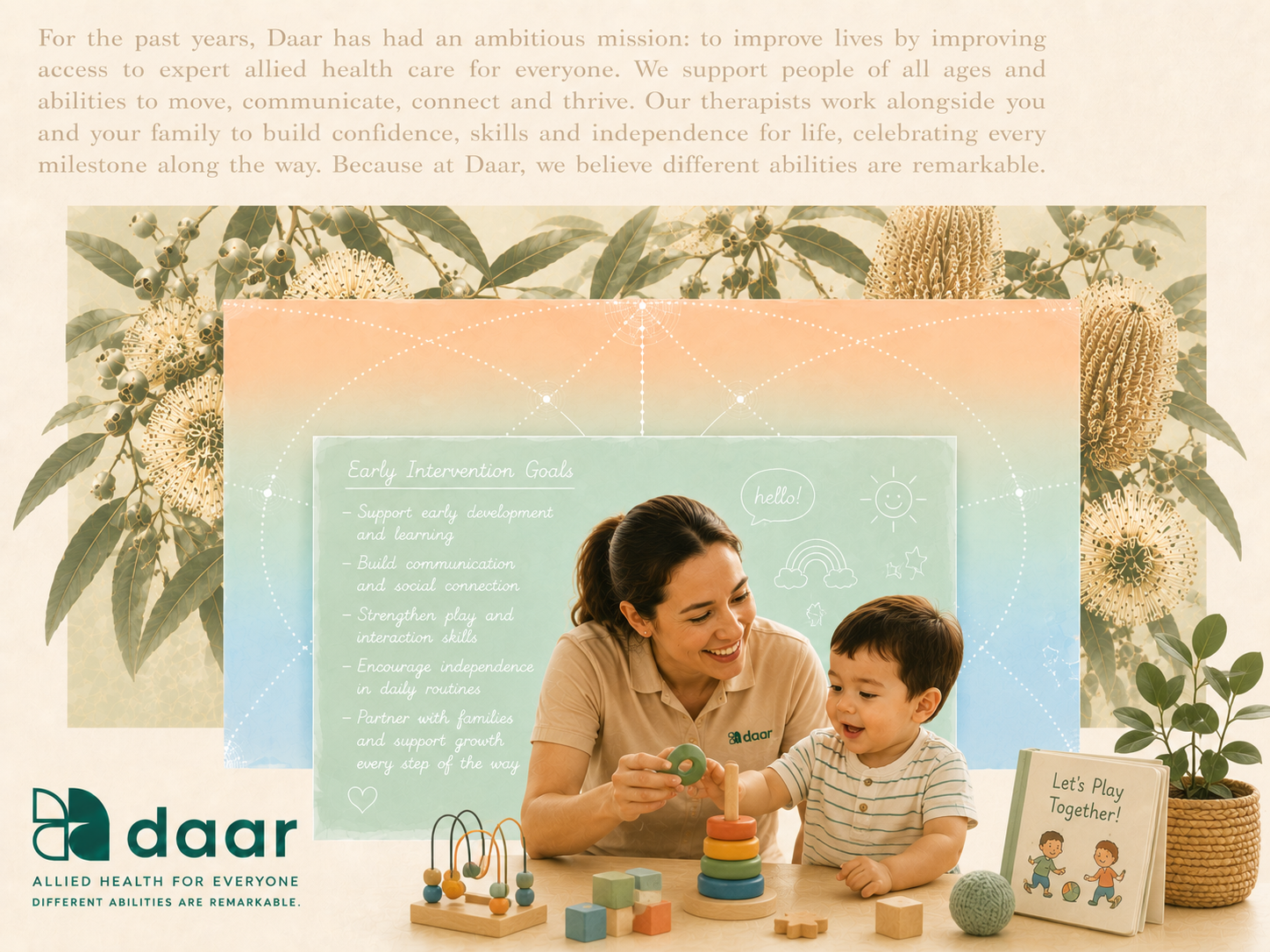
Everyday routines offer children repeated learning opportunities. Early support can break tasks into manageable steps, helping your child develop daily living skills without overwhelm. This turns ordinary moments into structured learning.
Emotional regulation is equally important. Children who struggle with change, frustration, or sensory input may benefit from direct teaching and calm routines. As emotional skills improve, families often see fewer intense reactions and better participation at home.
Support often focuses on:
- Dressing, toileting, and hygiene
- Following simple schedules and transitions
- Asking for help or taking breaks
- Managing feelings during challenges
These basic skills lay the foundation for more complex abilities and support long-term mental health and well-being.
Conclusion
In conclusion, early intervention for children with Autism Spectrum Disorder is crucial for fostering positive development and enhancing everyday functioning. By recognising the signs early and implementing appropriate therapies, parents can support their child's communication, social skills, and emotional regulation effectively. The right interventions not only pave the way for improved daily living skills but also cultivate a more fulfilling life for both the child and their family. If you’re looking to navigate this journey, consider seeking professional guidance tailored to your child's unique needs. Your proactive approach today can lead to significant benefits for tomorrow.
If you’re considering early intervention, reach out for a consultation or call daar at 02 9133 2500 for expert guidance tailored to your child’s needs.
Frequently Asked Questions
How do parents access early intervention ASD services in Australia?
Parents can start by speaking with a GP, specialist, or allied health provider if they have concerns about child health or development. In Australia, early intervention services may be available through early childhood intervention services, private therapists, or NDIS-aligned providers, helping families build community support and a supportive environment.
Are there evidence-based early intervention programs for children with autism?
Yes. Several early intervention programs are considered evidence-based, including applied behaviour analysis and the early start denver model. These approaches focus on communication, learning, and behaviour during the early years, with the aim of improving participation, independence, and long-term quality of life.
Can early intervention benefit children with both ASD and ADHD?
Yes. Early intervention can support young children with ASD and ADHD by teaching routines, communication, and positive behaviour in manageable steps. For children with developmental disabilities, early help may reduce stress, strengthen everyday skills, and make home, learning, and social experiences easier to handle.
.svg)




.svg)