
.png?width=48&height=48&name=Group%201%20(3).png)























8 April, 2026

Key Differentiation Between ADHD and Autism in Toddlers

Key Highlights
Here is a quick look at the key differences between attention deficit hyperactivity disorder (ADHD) and autism in toddlers:
- ADHD symptoms often involve inattention and hyperactivity, while autism symptoms relate more to social communication challenges and repetitive behaviours.
- Understanding the core differences between the two conditions is crucial for an accurate diagnosis and getting the right support in early childhood.
- While they are distinct, ADHD and autism can share traits like social difficulties and sensory issues.
- It is possible for a toddler to have both ADHD and autism, requiring a specialized approach to care.
- A comprehensive evaluation from a professional is the best way to determine if a child has ADHD, autism, or both.
Introduction
As a parent, you want the best for your child, and navigating their growth sometimes brings up questions. When you notice certain behaviours, you might wonder about conditions like attention deficit hyperactivity disorder (ADHD) or autism spectrum disorder. These two neurodevelopmental disorders are often confused, but they are distinct. Understanding what makes them different is the first step toward supporting your child’s development. This guide will help you understand the symptoms, differences, and overlaps between ADHD and the autism spectrum.
Typical Signs of Autism in Toddlers
Autism spectrum disorder (ASD) is a condition that primarily affects social communication, interaction, and behaviour. Unlike ADHD, the core signs of autism are centered on how a toddler perceives and engages with the world. You might notice your child has difficulty with back-and-forth conversation or understanding social cues.
The signs of autism can sometimes be spotted in early childhood. These can include language delays, a lack of interest in social interaction, or unusual play patterns. Let’s explore some of the specific traits associated with ASD.
Repetitive Behaviours and Routines
A core trait of autism is repetitive behaviours and a strong need for routines. Toddlers with autism often rely on predictability and may get very upset by changes in their daily schedule. This insistence on sameness helps them cope with an overwhelming world.
Repetitive movements, or “stimming,” such as hand-flapping, rocking, or spinning, help manage sensory issues or anxiety. Toddlers may also develop intense interests in specific topics or objects.
Common examples include:
- Lining up toys instead of playing pretend
- Repeating words or phrases (echolalia)
- Getting extremely upset by minor schedule changes
Social Communication Differences
Toddlers with autism often have difficulty with social communication. They may struggle to start or maintain conversations, avoid eye contact, and find it hard to understand nonverbal cues like facial expressions and body language. These challenges reflect a different way of processing social information—not a lack of interest in connecting.
For example, a toddler with autism might take figures of speech literally or not respond to their name.
Common signs include:
- Not pointing to show interest
- Difficulty understanding others’ feelings
- Unusual tone of voice
Building social skills usually requires direct teaching and practice in a supportive setting.
Sensory Processing Issues
Many toddlers with autism experience the world differently due to unique sensory sensitivities. Some are hypersensitive and find everyday sounds, lights, or textures overwhelming, leading to distress or acting out—simple things like a shirt tag or vacuum noise can be painful.
Others seek strong sensory input, enjoying deep pressure, spinning, or bright lights. These sensitivities can affect daily life, including what they eat and wear.
Supporting your toddler’s sensory needs is essential. Instead of stopping behaviours like stimming—which helps them self-regulate—provide a safe sensory environment to help them feel secure and comfortable.
Comparing ADHD and Autism: Key Differences
While attention deficit hyperactivity disorder (ADHD) and autism share some surface-level similarities, they are distinct neurodevelopmental disorders. Recognizing the key differences is vital for an accurate diagnosis and ensuring your toddler gets the right support. ADHD is primarily a disorder of attention and behaviour, while autism is centered on social communication and repetitive behaviours.
A differential diagnosis from a professional is crucial to creating a targeted plan, which may include behaviour therapy. Let’s examine how attention, social interaction, and other behaviours differ between the two conditions.
Distinctive Social Interaction Patterns
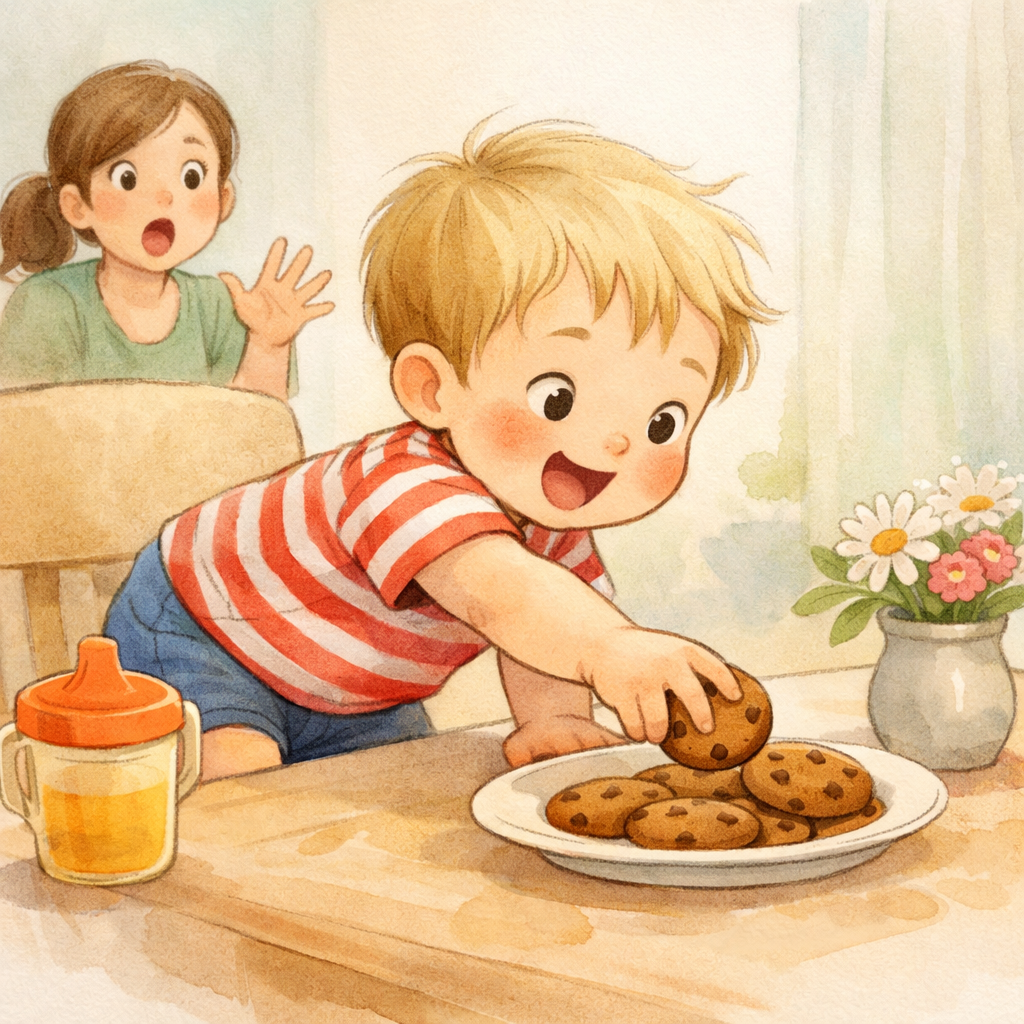
ADHD and autism present different social challenges in toddlers. Those with ADHD usually want to engage but struggle with impulsivity, often interrupting, acting emotionally, or having trouble waiting their turn—making friendships difficult.
Toddlers with autism may show less interest in social interaction and often don’t instinctively understand how to connect with peers. They frequently miss subtle cues like tone or body language, leading to awkward or one-sided exchanges.
While both face social hurdles, ADHD affects how they interact, while autism affects understanding social rules.
Comparison:
|
Social Behaviour |
Toddler with ADHD |
Toddler with Autism |
|---|---|---|
|
Social Motivation |
Wants to interact, but can be impulsive or overwhelming |
May prefer being alone; less interested in peer engagement |
|
Understanding Cues |
Knows cues but may ignore them due to impulsivity |
Struggles to read nonverbal cues |
|
Conversation Style |
Interrupts often, talks excessively, poor listening |
Difficulty starting or maintaining conversations; focuses on own interests |
Communication and Language Development
When it comes to communication skills, toddlers with ADHD and autism present differently. Toddlers with ADHD typically develop language on time but may struggle with how they use it. Due to impulsivity, they might talk excessively, speak very quickly, or interrupt conversations without meaning to. Their challenges are more about the social rules of communication rather than language development itself.
On the other hand, toddlers with autism often show differences in language development from an early age. They may have speech delays, use an atypical tone of voice, or repeat phrases they have heard (echolalia). They can also have a hard time understanding non-literal language, like jokes or sarcasm, as they tend to process social information very directly.
Parents can look for these communication markers:
- A child with ADHD might talk nonstop, jumping from one topic to another.
- A child with autism might struggle to use gestures or make eye contact during a conversation.
- Speech delays are more commonly associated with autism.
Focus, Attention, and Response to Environment
Attention and focus issues are symptoms of both conditions, but the reasons behind them are different. A toddler with an attention deficit from ADHD is often easily distracted by their environment. They may want to focus on a puzzle or a story but find their attention pulled away by sounds, movements, or their own thoughts. This is a core part of their executive function challenges and is not a choice.
Conversely, a toddler with autism might struggle with attention because they are hyperfocused on a specific interest, making it difficult to shift their focus to another task. This intense focus can seem remarkable but, but asking them to stop and switch activities can cause real distress. They may also seem inattentive because they are processing the world in a different way or are experiencing sensory overload.
The key is to look at the pattern. A toddler with attention deficit disorder (ADD), an inattentive form of ADHD, struggles to sustain focus, while a toddler with autism may focus intensely but have trouble shifting that focus.
Overlapping Features and Co-occurrence
To make things more complex, ADHD and autism can share some common traits. It is not unusual for a toddler to show symptoms of both conditions, which can make diagnosis difficult. Research suggests there may be a genetic link between these neurodevelopmental disorders, which helps explain why their symptoms can appear together.
This overlap means a toddler might struggle with focus, impulsivity, and social challenges all at once. Because of these shared symptoms, it is also possible for a toddler to receive a dual diagnosis of both ADHD and autism. Let’s explore these similarities and what a co-occurrence means for your child.
Shared Symptoms Between ADHD and Autism
Despite being distinct conditions, ADHD and autism share several overlapping features. Toddlers with either condition may face social difficulties, have a hard time with executive functioning, and experience sensory sensitivities. These similarities can make it challenging for parents and even professionals to tell them apart without a thorough evaluation.
Both groups of children often struggle with emotional regulation and may exhibit impulsive behaviours. For example, a toddler may have an emotional outburst, but the cause could be ADHD-related frustration or autism-related sensory overload. These social and behavioural struggles can affect their daily life and ability to make friends.
Common shared traits include:
- Difficulty concentrating in certain situations.
- Sensory sensitivities to noise, light, or textures.
- Challenges with social skills and making friends. Recognizing these similarities highlights the need for a comprehensive assessment to address each toddler's unique profile.
Can a Toddler Have Both ADHD and Autism?
Yes, a toddler can absolutely have both Attention Deficit Hyperactivity Disorder (ADHD) and Autism Spectrum Disorder (ASD). This is known as a dual diagnosis or co-occurrence. For a long time, diagnostic guidelines did not allow for both an ADHD diagnosis and an autism diagnosis to be given to the same person, but this changed in 2013 with the update to the Diagnostic and Statistical Manual of Mental Disorders (DSM-5).
Research now shows that it is quite common for an individual to meet criteria for both conditions. When a toddler has both, they face a unique set of challenges. For example, the impulsivity from ADHD might clash with the need for routine associated with autism, leading to complex behaviours that can be difficult to manage.
A dual diagnosis requires a careful and comprehensive evaluation by a professional experienced in both neurodevelopmental disorders. This ensures that the treatment plan addresses the combined symptoms and provides the most effective support.
How Common Is Symptom Overlap in Young Children?
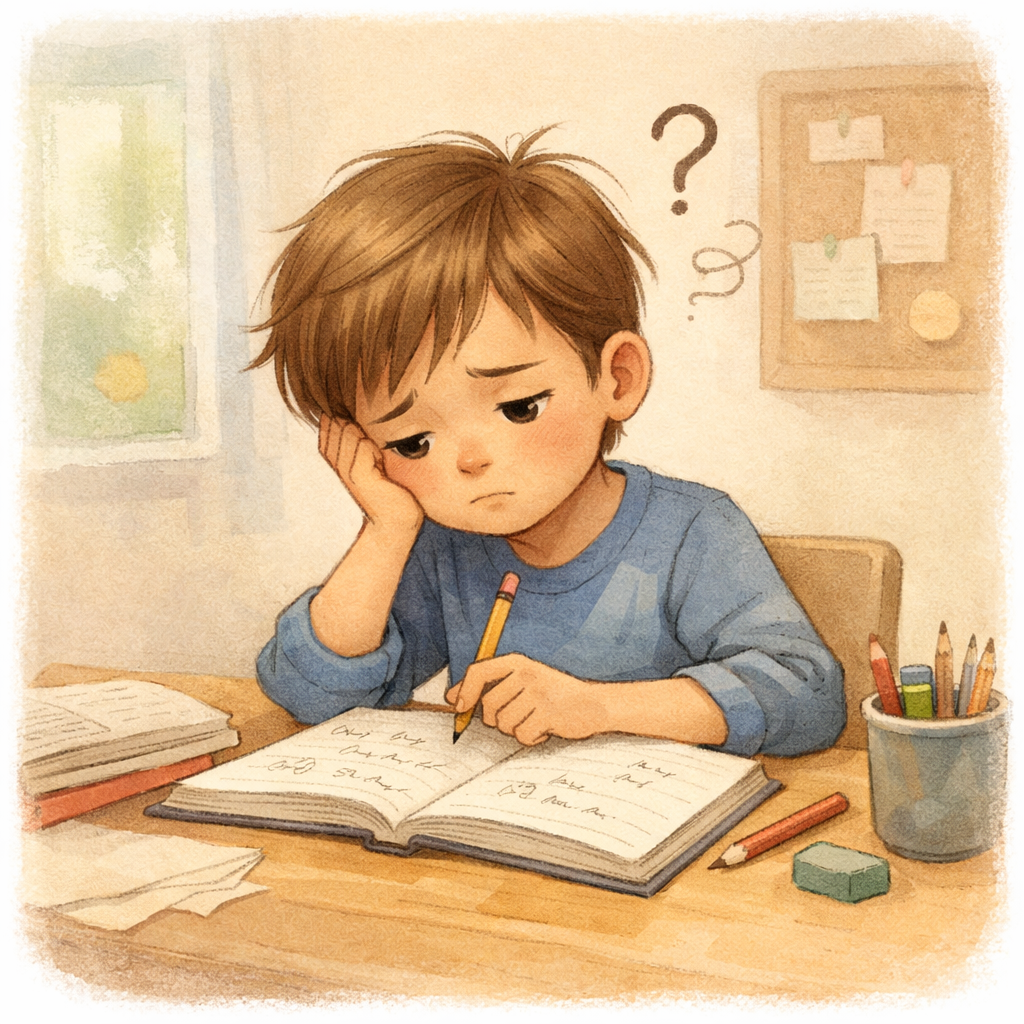
Symptom overlap between ADHD and autism is very common in young children. Studies suggest that a significant percentage of individuals with autism also show symptoms of ADHD, with some estimates as high as 50-70%. Similarly, many children diagnosed with ADHD also exhibit traits consistent with autism. This high rate of co-occurrence points to a potential shared genetic basis between the two neurodevelopmental disorders.
During early childhood, this overlap can be particularly confusing. A toddler who has trouble following instructions could be inattentive due to ADHD or struggling to process verbal commands due to autism. This makes a careful, professional assessment essential.
Parents can recognize overlapping symptoms by looking for patterns in:
- Social difficulties, such as making and keeping friends.
- Sensory sensitivities, like overreacting to loud noises.
- Executive function challenges, including issues with organization and transitions. Understanding how common this overlap is can help parents advocate for a thorough evaluation for their child.
Conclusion
In conclusion, understanding the key differences between ADHD and autism in toddlers is essential for parents and caregivers. By recognizing the unique signs and features of each condition, as well as their overlapping symptoms, you can better navigate the complex landscape of early childhood development. Awareness is the first step toward ensuring that the appropriate support and interventions are provided to aid in your child's growth and well-being. Remember, seeking professional guidance can make a significant difference in managing these conditions effectively.
If you have concerns or questions about your child's behaviour, don't hesitate to reach out for consultation or call daar at 02 9133 2500 for help.
Frequently Asked Questions
What challenges do parents face during diagnosis in Australia?
In Australia, parents can face challenges such as long waitlists for specialists, high costs for assessments, and difficulty finding professionals experienced in diagnosing neurodevelopmental conditions at a young age. Navigating the system to get an ADHD diagnosis or autism diagnosis can be stressful, highlighting the need for more accessible mental health resources and parent training.
Are there screening tools to tell ADHD and autism apart in toddlers?
Yes, there are screening tools that clinicians use to help differentiate between attention deficit hyperactivity disorder and autism spectrum disorder. These tools, which include questionnaires and observational checklists, are designed to assess behaviours against specific diagnostic criteria. However, they are not a substitute for a comprehensive evaluation by a qualified professional specializing in child development.
What are the differences between ADHD and autism?
ADHD and autism are distinct neurodevelopmental disorders. ADHD primarily affects attention, impulsivity, and hyperactivity. In contrast, autism impacts social communication and behaviour patterns. While some symptoms may overlap, understanding these differences is crucial for proper diagnosis and tailored interventions to support toddlers effectively in their developmental journeys.
.svg)




.svg)