
.png?width=48&height=48&name=Group%201%20(3).png)























3 July, 2026

Common Issues Addressed by Speech Therapy Services
Key Highlights
- A speech therapist helps children and adults with many speech disorders and everyday communication problems. Speech pathology services can support speech, understanding, fluency, reading, writing, and swallowing needs. Language pathologists often assess receptive and expressive skills before building a treatment plan. To find a qualified speech therapist near you, you can search online directories for speech pathology services, ask your doctor for referrals to local language pathologists, or contact hospitals and clinics specialising in speech pathology. Checking professional credentials and reviews can also help ensure you choose the right pathologist for your needs.
- Speech pathology services can support speech, understanding, fluency, reading, writing, and swallowing needs. Language pathologists often assess receptive and expressive skills before building a treatment plan. Early support for speech delay can strengthen language development and a child’s speech over time. If you are looking for a qualified speech therapist near you, start by searching online directories or review sites that specialise in speech pathology services. You can also ask your pediatrician or local school for recommendations on reputable language pathologists in your area.
- Language pathologists often assess receptive and expressive skills before building a treatment plan.
- Early support for speech delay can strengthen language development and a child’s speech over time.
- Adults may need therapy after brain injury, stroke, or nervous system disorders affect communication.
- Steady therapy and home practice can improve confidence, independence, and quality of life.
Introduction
Speech therapy helps people build clearer, stronger communication. If you or your child struggles to speak, understand language, or express ideas, speech pathologists can assess the problem and create a plan that fits those needs. These services are used for many communication disorders, from childhood speech delay to adult speech changes after illness or injury. The goal is practical progress. Better communication can support school, work, relationships, and daily routines in ways that matter right away.
Common Communication Issues Addressed by Speech Therapy
Speech therapy can help with many communication disorders. These include speech disorders, language disorders, articulation problems, fluency disorders such as stuttering, aphasia, dysarthria, cognitive-communication problems, and issues linked to hearing loss or hearing impairment. Some people also need support with swallowing or voice changes.
A typical session usually begins with an assessment or a review of current goals. Your speech therapist may use exercises for speech sounds, comprehension, mouth movement, reading aloud, or word games. Treatment depends on age, symptoms, and the cause of the difficulty. The next sections look at two common childhood concerns.
Speech Delay and Developmental Language Disorders
Speech and language disorders differ for each child. Some may use a few words; others speak clearly but struggle to combine words, making them hard to understand.
Support starts with a speech-language pathologist assessing understanding, speech, and oral-motor skills. Therapy builds communication step by step, tailored to the child.
If you suspect a delay, seek help early. Parents should consult a doctor and get an evaluation—especially if the child doesn’t respond to sounds, use gestures, or follow directions. Early intervention and home practice can greatly improve progress.
Articulation and Pronunciation Challenges
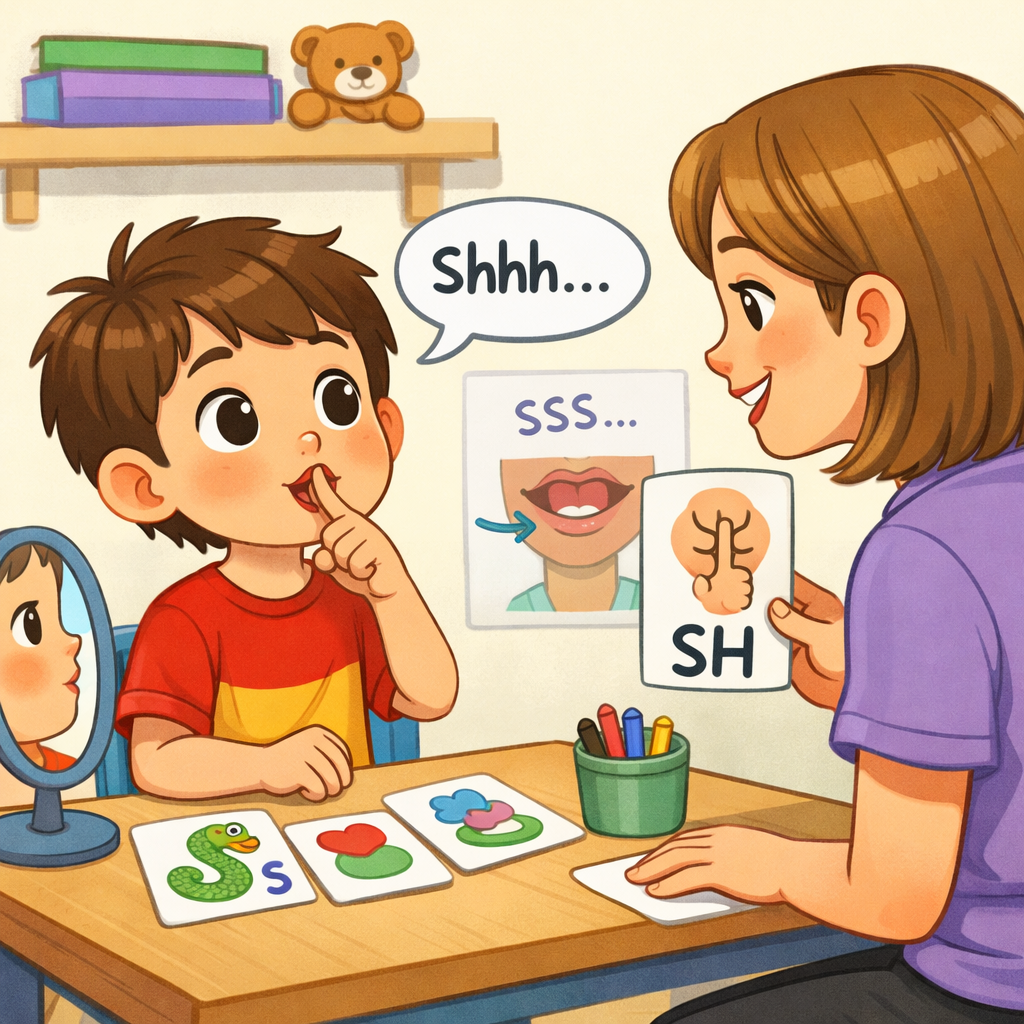
An articulation disorder affects how a person produces speech sounds, leading to unclear pronunciation, sound substitutions, or lisps. This can make it hard for others to understand, even when the speaker knows what they want to say.
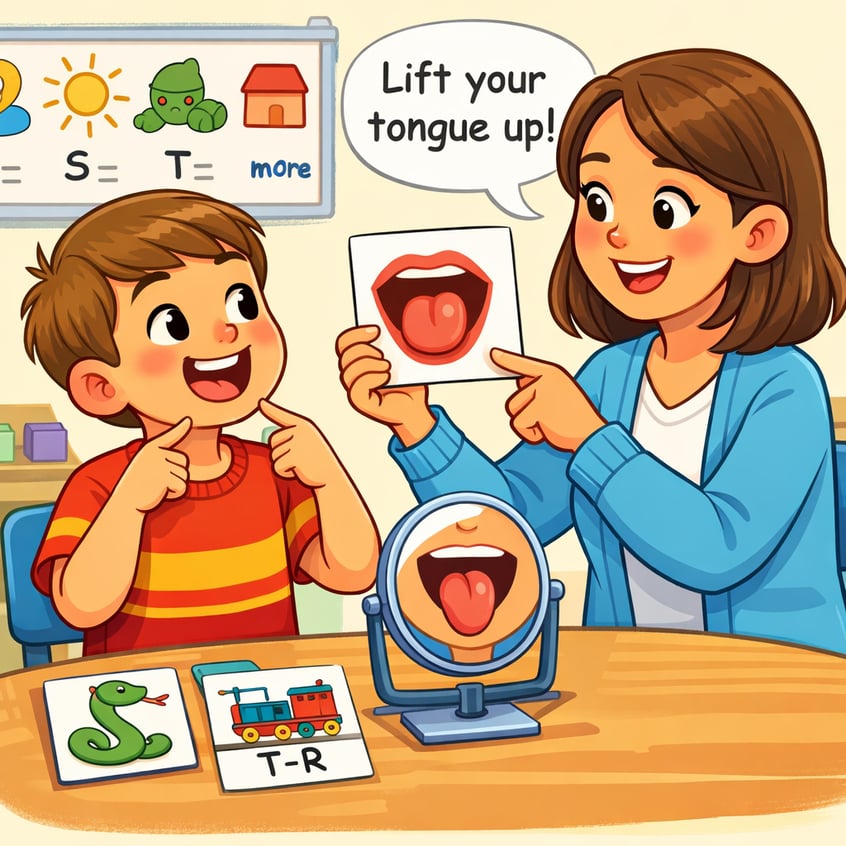
In speech therapy, the therapist identifies which sounds are difficult and how often errors occur. They also check tongue, lip, jaw, and palate movement. Treatment involves repeated practice and feedback to improve clarity.
Common goals include:
- Learning correct tongue and lip placement for specific sounds
- Practicing words and phrases for clearer pronunciation
- Improving consistency so correct sounds are used in everyday speech
Speech Therapy for Children and Adults
Speech therapy helps both children and adults, but the approach is not the same. Children often learn through play, imitation, books, and simple routines that build language skills in a supportive way. Language pathologists may work one-on-one or in small groups depending on the child’s needs.
For adults, therapy is usually more focused on rebuilding lost skills or improving function after damage to areas of the brain. Clinics linked to speech pathology australia may also support children with disabilities, hearing impairment, developmental delays, or autism spectrum disorder. The next sections explain these age-specific approaches more clearly.
Support Strategies for Children with Speech Delay
Children with speech delays benefit from tailored therapy. A speech pathologist may assess hearing, understanding, sound production, and early communication skills. If hearing issues are suspected, an audiologist may be involved, as hearing affects language development.
Therapy builds skills step by step, using imitation, naming, turn-taking, and activities that boost understanding and language use. For children with disabilities, therapy is adapted to their developmental level and learning style.
Parents can support progress by:
- Using simple language to describe daily activities
- Reading picture books and naming objects together
- Encouraging sounds, words, gestures, and shared attention during play
Unique Approaches for Adult Communication Difficulties
Adults often seek therapy after brain injuries, strokes, or conditions that affect speech and language, such as aphasia or dysarthria from nervous system disorders.
Since adult speech challenges usually stem from medical events, treatment is direct and goal-driven. Therapists may target speech clarity, comprehension, memory, problem-solving, reading, writing, or swallowing. Activities include reading aloud, word exercises, and retraining of the mouth or jaw movements.
Unlike children—who are building new skills—adults are regaining lost abilities. In both cases, regular practice boosts independence, confidence, and quality of life.
Conclusion
In summary, speech therapy services play a vital role in addressing a wide range of communication challenges for both children and adults. By targeting issues such as speech delays, articulation difficulties, and developmental language disorders, these services provide tailored support that can significantly improve individuals' communication skills. Whether it's through specialised strategies for young children or unique approaches for adults facing communication barriers, seeking assistance from a qualified speech therapist can foster confidence and enhance overall quality of life.
If you believe you or someone you know could benefit from expert guidance in speech therapy, don’t hesitate to reach out for a consultation or call daar at 02 9133 2500 today!
Frequently Asked Questions
Who should consider seeing a speech therapist in Australia?
Anyone in Australia who has ongoing trouble speaking, understanding language, using words, or being understood should consider seeing a speech therapist. That includes children with possible speech disorders and adults with communication disorders after illness or injury. Speech pathology services can also help when swallowing or voice issues affect daily life.
What qualifications do speech pathologists need in Australia?
Speech pathologists in Australia should be properly trained health professionals who work within their scope of practice. Since local pathways can vary, it is best to ask the clinic directly about qualifications and registration. You may also see international terms such as ASHA, but Australian providers should explain their own standards clearly.
Is speech therapy covered by healthcare or insurance in Australia?
Speech therapy coverage in Australia can vary based on your provider, insurer, and any public support available through the Commonwealth or state systems such as Victoria. Ask your insurer and medical professionals what applies to you. Eligibility may differ for a permanent resident of Australia or other residency categories.
.svg)




.svg)