
.png?width=48&height=48&name=Group%201%20(3).png)























26 August, 2026

Essential Autism Support for Children and Parents
Key Highlights
- Autism spectrum support works best when it starts in early childhood and matches your child’s needs.
- A diagnosis can open the door to therapy, school help, and support groups for autistic people and families.
- Services may include speech pathology, occupational therapy, behaviour support, and parent education.
- The National Disability Insurance Scheme can help fund practical supports across different ages.
- Families and carers can also access counseling, respite, and guidance.
Introduction
Autism spectrum support can feel hard to sort through at first, especially when your child is at a new stage of life. The good news is that help is available for autistic people and their families across Australia. From diagnosis to therapy, school planning, and carer support, there are practical pathways you can follow. If you are also looking at NDIS funding, it helps to understand which services fit your child’s strengths, needs, and daily routines from the start.
Accessing Autism Support Services for Children
Navigating the journey of accessing autism support services for children can be both overwhelming and rewarding. A wide range of services is available, including early childhood intervention and specialised therapies designed for young people on the autism spectrum. Connecting with local organizations can help identify opportunities such as speech pathology, occupational therapy, and support groups tailored to the unique needs of autistic individuals. Parents and carers must explore these resources to ensure their children can reach their full potential.
Early diagnosis and intervention with Aspect Early Intervention
Many parents seek help after noticing early signs of autism, such as delayed speech, limited social interaction, repetitive movements, or strong reactions to sounds and changes in behaviour. If you notice these signs, start by contacting your GP or child health nurse. Specialists can provide an official diagnosis.
Early intervention is important—it can improve outcomes and help children reach their potential. Some families can contact assessment teams directly; others may need a referral. Support options include structured therapies, playgroups, and parent workshops.
- Ask your GP about autism assessment referrals.
- Explore early intervention services before school.
- Choose evidence-based support tailored to your child’s needs.
Therapy and educational assistance from Autism Spectrum Australia (Aspect)
Autism Spectrum Australia (Aspect) offers a nurturing environment for autistic people that emphasizes emotional and educational growth. Their wide range of services includes tailored therapies like speech pathology and occupational therapy, which cater to individual needs. By providing specialised educational assistance, Aspect empowers young people to thrive in social situations and reach their full potential. Families can also access valuable support groups that foster community connections and share resources to help navigate the challenges of raising children on the autism spectrum.
Autism Support Providers for Families and Carers
Finding the right autism support providers can significantly impact both families and carers. A variety of organizations offer tailored services, ensuring that every need is addressed effectively. These include counselling, mentoring, and access to support groups that promote inclusion and understanding. Many providers also work closely with early childhood intervention specialists to develop the necessary skills for social situations and enhance mental health. By fostering connections and providing a wide range of therapies, families can better support autistic individuals on their journey to reach their full potential.
Empowering families through Autism Advisory & Support Service (AASS)
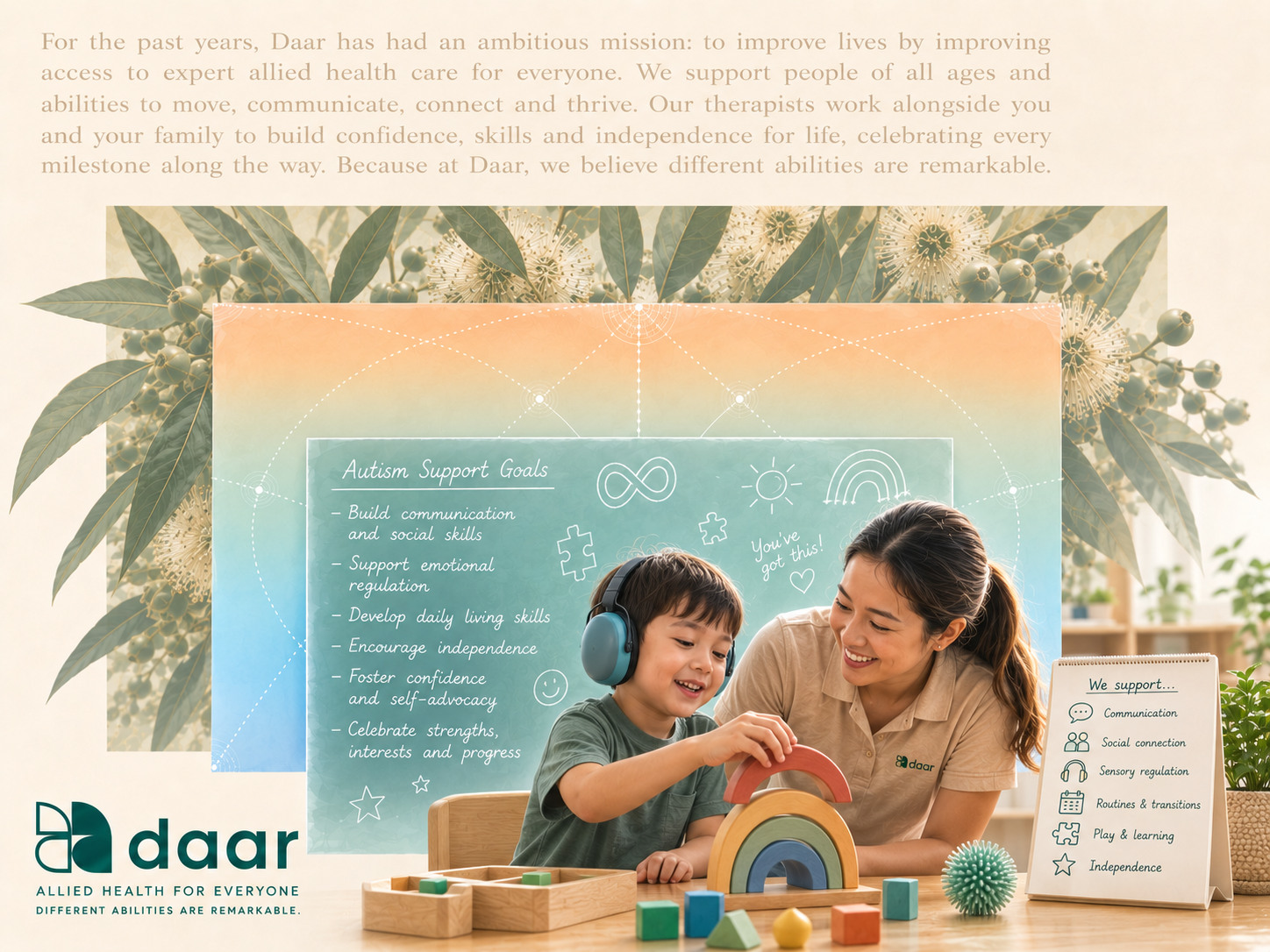
The Autism Advisory & Support Service (AASS) provides exceptional resources for families navigating the autism spectrum. Offering a wide range of therapies and support options, AASS empowers parents and carers to understand and meet the unique needs of their young children in accordance with best practices. With guidance on early childhood intervention, recommendations for speech and occupational therapy, and access to support groups, families can confidently help their children reach their full potential. This inclusive support fosters positive behaviour and nurtures mental health, ensuring all autistic people thrive.
Conclusion
In conclusion, providing essential autism support for children and their families is crucial in navigating the complexities of autism. With early diagnosis and tailored intervention services, caregivers can empower their children to adopt positive behaviour and thrive. Support services, such as those offered by Aspect and AASS, play a vital role in ensuring families have the necessary resources and guidance. Remember, you’re not alone on this journey; reaching out for help can open doors to invaluable assistance and community. By prioritising these supports, we can foster an environment where children with autism can flourish.
If you have any questions or need further information, feel free to reach out for a consultation or call daar at 02 9133 2500!
Frequently Asked Questions
What autism support services are available in Australia?
In Australia, autism spectrum support may include assessment, therapy, early intervention, school assistance, behaviour support, respite, advocacy, and carer services. The National Disability Insurance Scheme, also called the NDIS or disability insurance scheme, may help fund supports for eligible children and adults.
How can parents connect with an autism support provider?
Start with your GP or child health nurse if you have concerns. They can guide referrals and explain support options. Parents and carers can also contact autism organisations, local support groups, and trusted resources such as the Raising Children Network to compare services and therapies.
What steps can families take when seeking diagnosis and therapy for their child?
If you notice signs linked with ASD, speak to your GP first. Your child may be referred to a paediatrician, psychologist, or psychiatrist for the diagnosis of autism. After that, you can explore therapy choices and early childhood intervention based on your child’s communication, sensory, and learning needs.
.svg)




.svg)